
The 2026 paymaster kit limits to account for
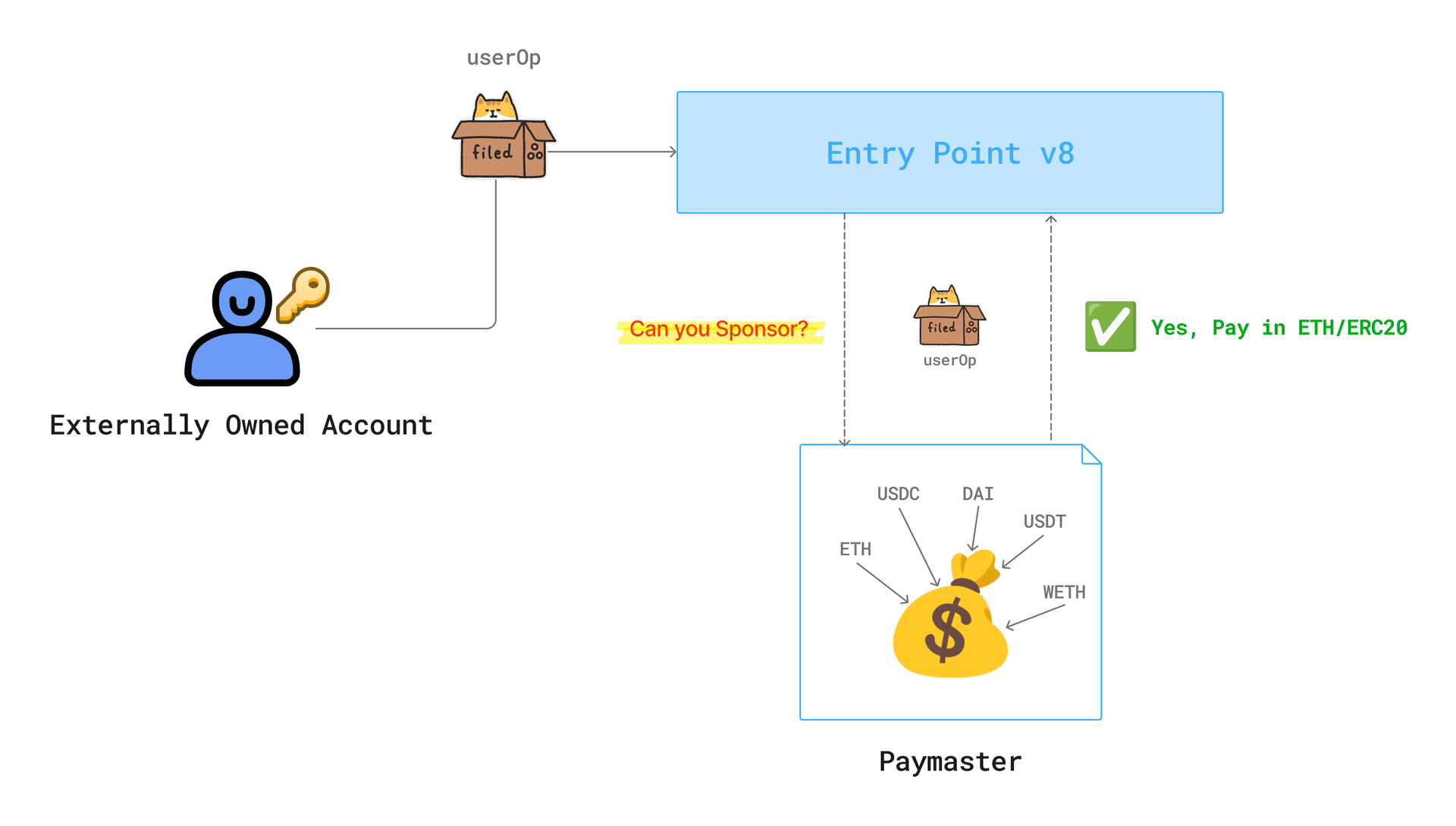
The 2026 paymaster kit constraint is not a single regulation but a layered set of compliance requirements that directly impact how gas sponsorship operates. Under the ERC-4337 account abstraction standard, a paymaster is a smart contract that pays gas on behalf of a user operation, allowing users to interact with dApps without holding native tokens [[src-serp-1]]. However, this convenience introduces significant regulatory exposure.
As AI-driven fraud detection becomes standard, paymaster operators must ensure their sponsorship logic does not inadvertently facilitate money laundering or sanction evasion. The constraint lies in the balance between user experience and auditability. If a paymaster kit cannot prove the legitimacy of the sponsored transactions, it may be classified as a money transmitter, triggering strict KYC/AML obligations.
To navigate this, the 2026 paymaster kit must integrate real-time risk scoring. This means checking each user operation against fraud databases before the gas is paid. The cost of this compliance is absorbed by the sponsor, but the operational complexity is high. Kits that fail to implement these checks will likely face shutdowns or legal penalties as enforcement tightens.
The following calculator helps you estimate the compliance overhead. It assumes a baseline of 1,000 sponsored transactions per day, factoring in the additional gas costs for risk checks and the potential legal fees for maintaining compliance logs.
Paymaster kit 2026 choices that change the plan
Choosing a paymaster kit for 2026 requires balancing compliance overhead against user experience. New AI-driven fraud regulations demand stricter validation layers, which often increase transaction latency and gas costs. You must evaluate how each kit handles identity verification, transaction monitoring, and token sponsorship without breaking the abstraction layer.
The following comparison breaks down the primary tradeoffs across four key dimensions. Use this table to align technical capabilities with your regulatory risk tolerance.
| Feature | Compliance Depth | Gas Cost | Latency |
|---|---|---|---|
| Basic ERC-4337 | Low | Low | Fast |
| AI-Enhanced Verification | High | Medium | Medium |
| Full KYC Integration | Maximum | High | Slow |
| Hybrid Sponsorship | Medium | Medium | Medium |
Evaluate compliance depth
AI-driven fraud detection is no longer optional. Kits with built-in machine learning models can flag suspicious patterns in real-time, but they require significant data processing. Basic ERC-4337 implementations offer speed but leave you exposed to regulatory penalties if fraud spikes.
Assess gas cost implications
Sponsoring gas with ERC-20 tokens or stablecoins adds complexity. While it improves user experience by removing the need for native currency, it introduces additional smart contract calls. These calls increase the total gas consumed per transaction, directly impacting your operational budget.
Measure latency impact
Every verification step adds seconds to the user journey. High-compliance kits that require on-chain identity checks may slow down fast-paced transactions like trading. Determine if your users will tolerate this delay for the security guarantee it provides.
Calculate your total cost of ownership
Use the calculator below to estimate the monthly burn rate based on your expected transaction volume and chosen compliance tier. This helps you forecast whether a high-compliance kit is sustainable at scale.
Choose the next step
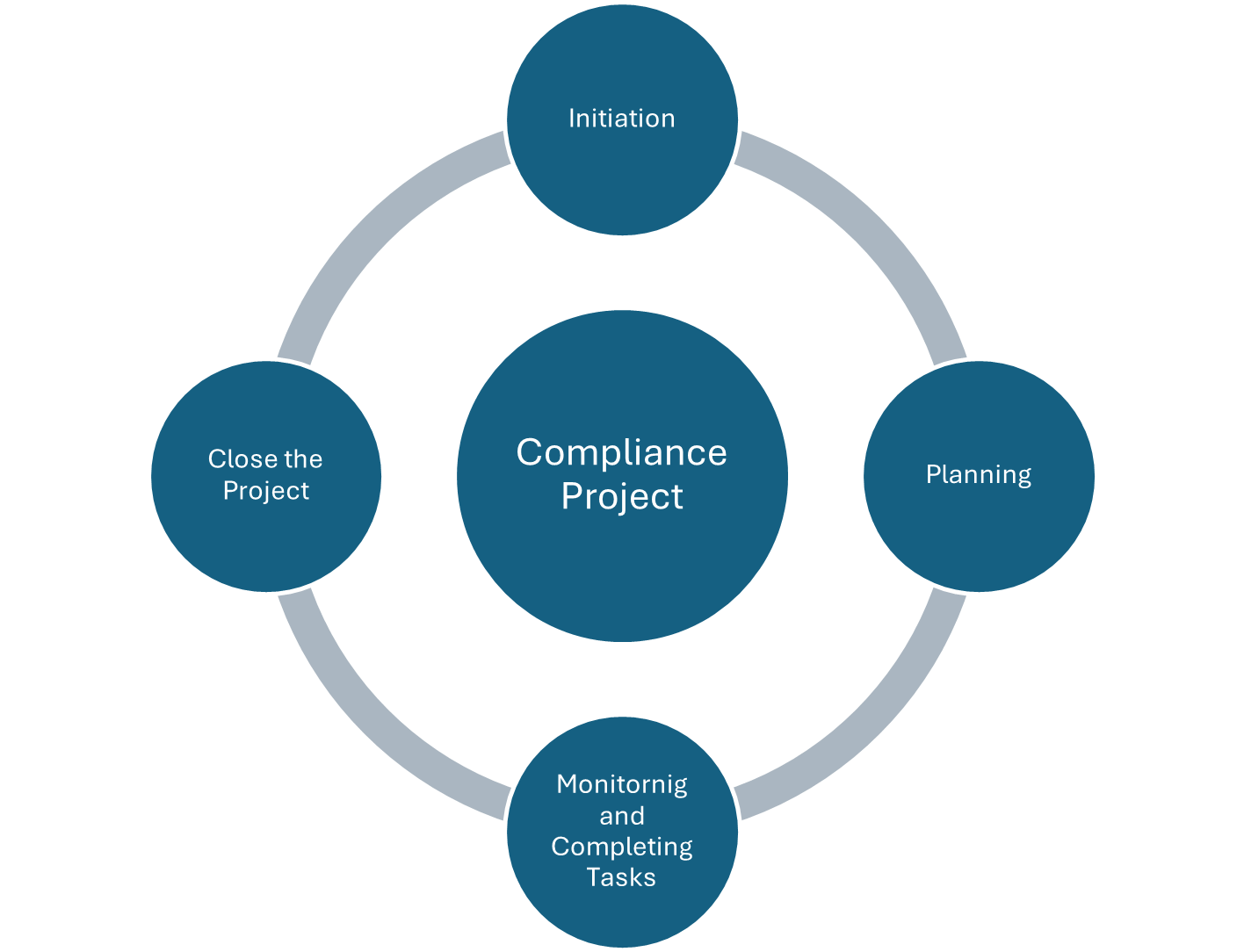
The Compliance works best as a clear sequence: define the constraint, compare the realistic options, test the tradeoff, and choose the path with the fewest hidden costs. That order keeps the advice usable instead of decorative. After each step, pause long enough to check whether the recommendation still fits the reader's actual situation. If it depends on perfect timing, unusual access, or a best-case budget, include a simpler fallback.

Spot the weak options
Not every paymaster kit survives the 2026 compliance shift. Many vendors still offer generic gas sponsorship without the fraud controls regulators now demand. You need to check three things before signing a contract: verification depth, real-time monitoring, and clear liability terms.
The "no-KYC" trap. Some kits allow anonymous transactions to boost adoption. This violates new AML rules in major markets. If the vendor doesn't require identity verification for high-volume users, walk away.
Vague liability clauses. A strong kit shifts fraud liability to the paymaster operator, not the user. Weak options leave you responsible for bot attacks or sybil fraud. Read the terms of service carefully.
Missing audit trails. Regulators require immutable logs of every sponsored transaction. If the kit lacks a transparent, queryable ledger, it will fail an audit. Demand proof of compliance-ready logging before you deploy.
Paymaster kit 2026: what to check next
Before committing to a paymaster infrastructure, teams must separate the technical mechanics from the regulatory implications. The 2026 landscape demands precision in how gas sponsorship interacts with new AI-driven fraud detection standards.
Helpful gear
Use these product recommendations as a starting point, then choose the size, material, and price point that fit how you actually use the gear.

As an Amazon Associate, we may earn from qualifying purchases.
No comments yet. Be the first to share your thoughts!