
Plan the route
Securing payments in 2026 requires a layered approach that moves from detection to autonomous response. Traditional rule-based systems are too slow for modern fraud networks, so the new standard relies on AI agents that analyze anomalies across billions of transactions instantly. Visa’s 2026 security trends highlight that mapping scam infrastructure is now as important as blocking individual bad actors. Your security strategy should sequence these capabilities to minimize latency while maximizing accuracy.
1. Deploy anomaly detection
The first step is implementing AI models that monitor transaction patterns in milliseconds. These systems compare each payment against historical data and behavioral biometrics to flag deviations. Look for solutions that process data at the edge to reduce latency, ensuring that legitimate transactions are not delayed while fraud is intercepted.
Use machine learning models to score each transaction risk level immediately. This layer catches obvious fraud attempts before they settle, providing the first line of defense without requiring manual review for every flag.
2. Map scam infrastructure
Fraudsters operate in networks, not isolation. Advanced AI agents now map these connections by analyzing metadata, device fingerprints, and IP geolocation. By identifying clusters of suspicious activity, you can block entire networks of accounts rather than just individual transactions, disrupting the scammer’s operational capacity.
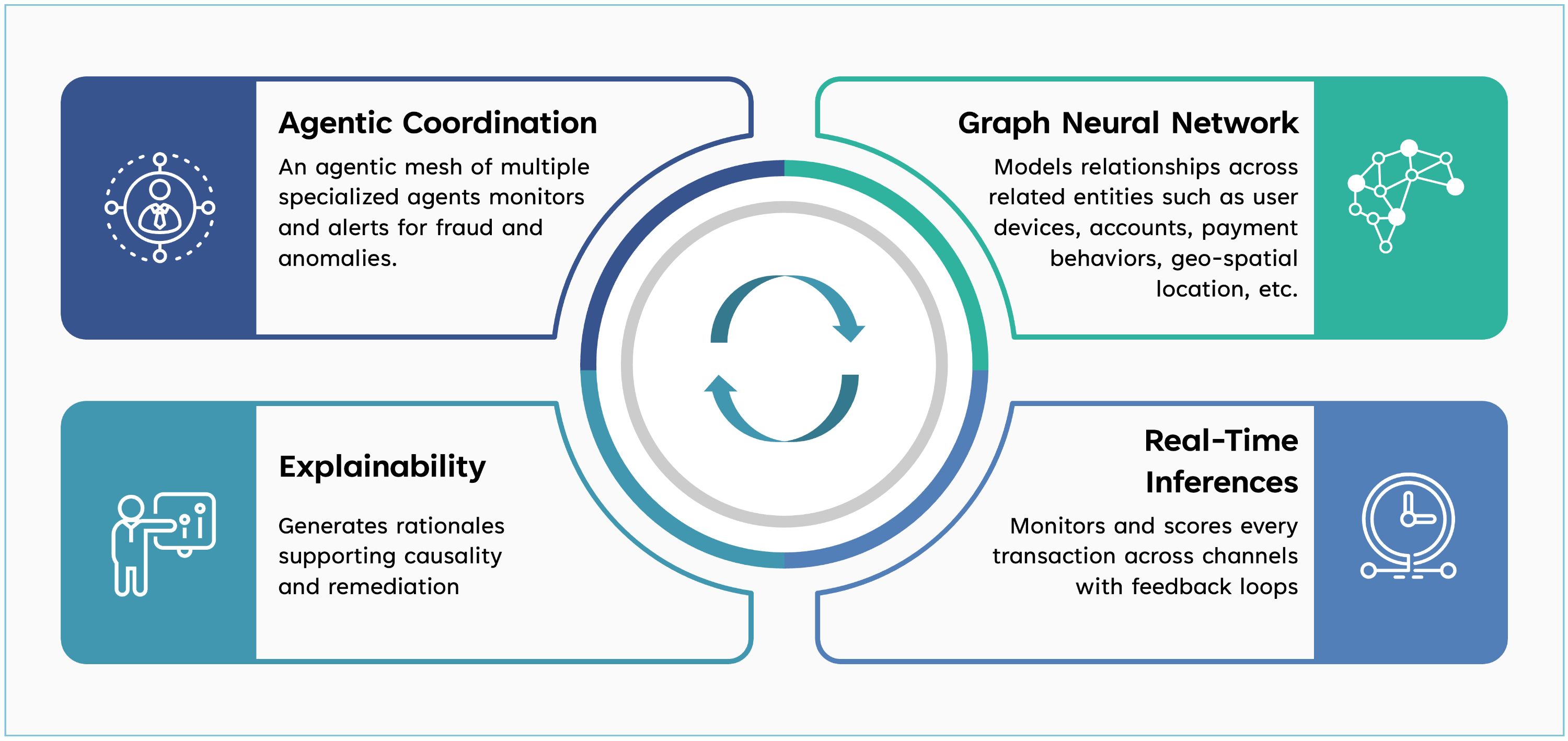
Integrate graph databases to visualize relationships between entities. This holistic view helps you spot coordinated attacks that individual transaction rules might miss, such as synchronized login attempts from unrelated devices.
3. Activate agentic AI response
Once fraud is detected, autonomous agents take over. These AI systems can instantly freeze specific accounts, issue temporary holds, or trigger step-up authentication without human intervention. This speed is critical; the faster the response, the lower the financial loss and the better the customer experience.
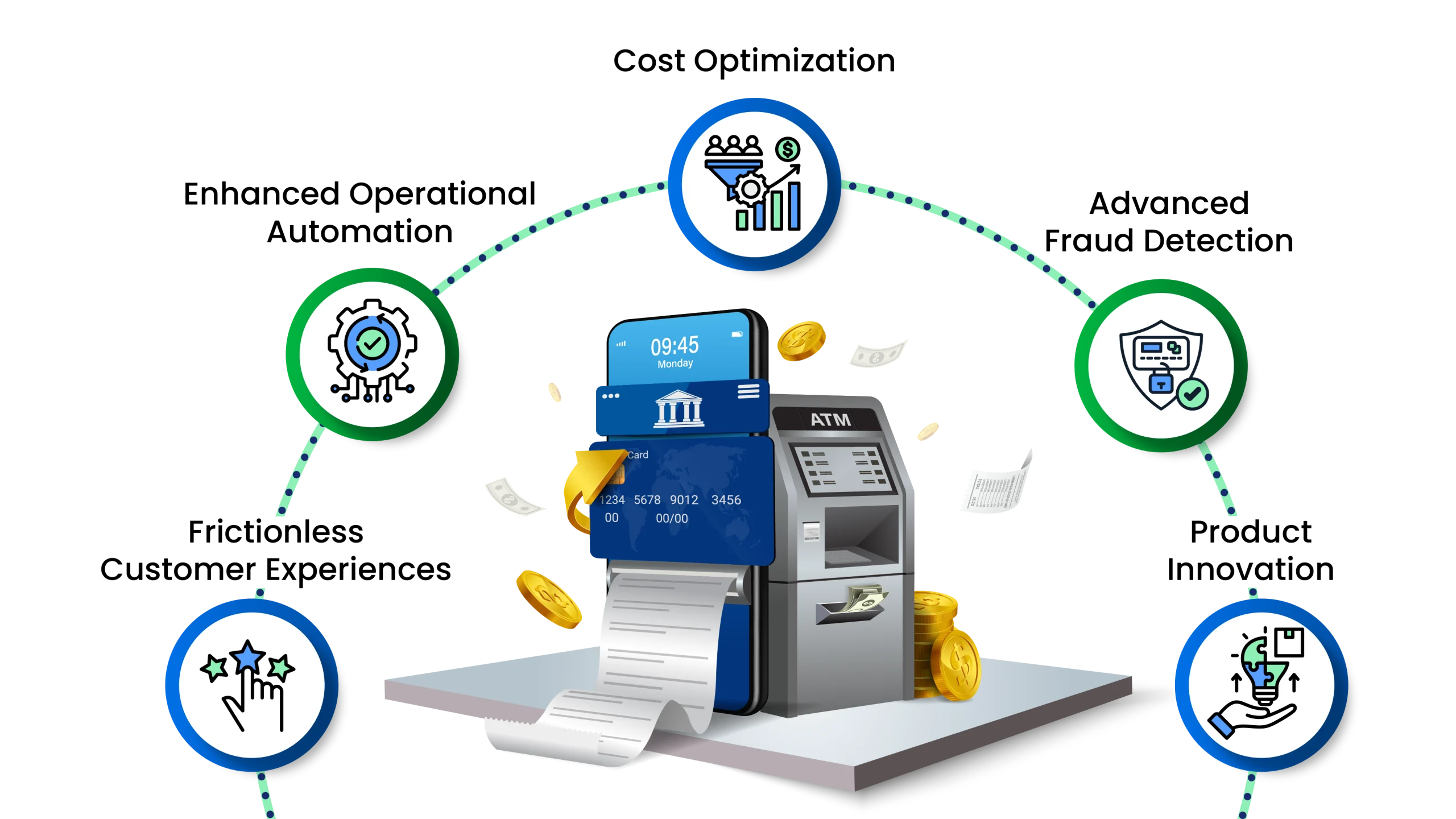
Configure agents to handle routine fraud cases automatically. Reserve human analysts for complex, high-value exceptions. This division of labor ensures that your security team focuses on strategic threats rather than routine alerts.
4. Continuously update threat intelligence
Fraud tactics evolve daily. Your AI models must be retrained with fresh data to stay ahead of new attack vectors. Establish a feedback loop where false positives and confirmed fraud cases are automatically fed back into the training pipeline, improving accuracy over time.
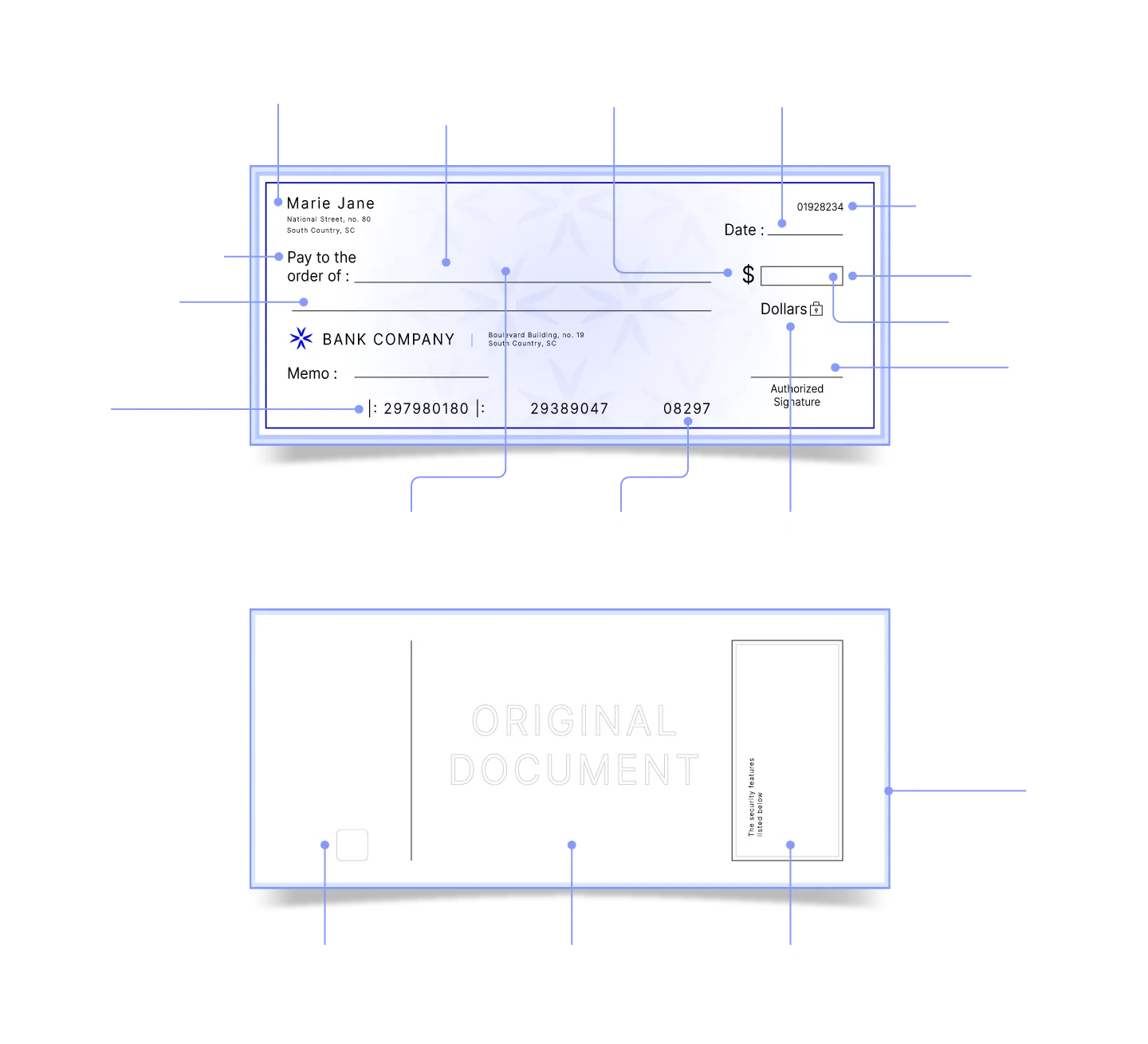
Schedule regular model audits and updates. This ensures your detection logic remains effective against emerging threats like deepfake voice cloning or synthetic identity fraud, keeping your security posture resilient.
-
Enable real-time transaction scoring
-
Integrate graph-based network analysis
-
Configure autonomous response thresholds
-
Set up automated model retraining pipelines
Stops Worth Prioritizing
The landscape of payment security in 2026 is defined by speed and autonomy. Legacy rule-based systems are too slow to catch the new wave of AI-driven fraud, where attacks happen in milliseconds. To protect your business, you need to prioritize stops that offer real-time intelligence and autonomous response capabilities.
These are not optional upgrades; they are the new baseline for secure transactions. Focusing on these core technologies will separate your operations from those still fighting yesterday’s battles.
Real-Time Anomaly Detection
Traditional fraud detection relies on static rules that flag transactions after they occur or based on simple patterns. In 2026, AI-driven anomaly detection analyzes billions of transactions in real time, mapping scam infrastructure and identifying subtle deviations from user behavior instantly [[src-serp-1]]. This approach reduces false positives while catching sophisticated attacks that bypass static filters.
Autonomous Fraud Agents
Agentic AI represents a shift from assistance to action. These intelligent agents operate autonomously to protect payment systems, capable of instantly freezing specific accounts or blocking suspicious transactions without human intervention [[src-serp-2]]. This eliminates the delay between detection and response, which is often where fraudsters succeed.
Adaptive Learning Models
Fraud tactics evolve rapidly. Adaptive learning models continuously update their algorithms based on new threat data, ensuring that your security posture remains effective against emerging techniques. This dynamic approach is essential for maintaining trust as payment infrastructure evolves to support agentic commerce [[src-serp-3]].
Comparison of Security Approaches
| Feature | Rule-Based Systems | AI-Driven Detection | Agentic AI |
|---|---|---|---|
| Response Time | Hours to Days | Milliseconds | Instant |
| Adaptability | Static Rules | Continuous Learning | Autonomous Action |
| False Positives | High | Low | Minimal |
| Human Oversight | High | Low | Minimal |
Infrastructure Evolution
As AI systems begin initiating transactions, payment security architecture must evolve to reflect how these systems operate. This includes securing the interfaces between AI agents and payment networks, ensuring that the data flowing through these channels is protected from manipulation or interception [[src-serp-3]].
Key Takeaways
- Prioritize real-time anomaly detection to catch attacks instantly.
- Implement agentic AI for autonomous fraud response.
- Ensure your infrastructure supports adaptive learning models.
- Secure the interfaces between AI agents and payment networks.
Timing and logistics
Planning a trip in 2026 means accounting for the friction between digital payments and physical logistics. While AI-driven fraud detection has made transactions nearly invisible, it has also introduced new layers of verification that can stall travel if not anticipated. The core challenge is no longer just paying for a service, but ensuring the payment system recognizes your identity as legitimate during high-stakes moments like border crossings or peak-season reservations.
Parking and Transit
Urban centers are rapidly adopting dynamic pricing and biometric entry for parking and public transit. AI systems now cross-reference your payment method with location data and behavioral patterns to prevent card cloning or unauthorized access.
- Pre-authorization holds: Many transit apps place temporary holds on your card to verify funds. These can linger for days if the AI flags unusual travel patterns, so ensure your card has sufficient available credit.
- Biometric verification: Some cities require facial recognition or tokenized device IDs at gates. Link your payment profile to your travel identity before you arrive to avoid queue delays.
- Offline access: AI fraud models sometimes flag transactions from new devices or locations. Download offline QR codes or transit passes when you have stable Wi-Fi to bypass real-time verification bottlenecks.
Reservations and timing limits to account for
Hotels, rental cars, and event tickets now use predictive AI to adjust pricing and availability in real time. This means the "best time" to book is often counterintuitive.
- The verification window: When booking, expect a short delay while AI agents analyze your transaction history. This is not a glitch; it is a security check. Keep your payment method ready and avoid refreshing the page, which can trigger additional fraud alerts.
- Dynamic cancellation policies: AI-driven dynamic pricing often comes with stricter cancellation windows. Review the "change fee" structure carefully, as penalties may increase as the event date approaches.
- Time zone alignment: Global payment processors operate on UTC, but local fraud rules may vary. If you are booking across time zones, confirm the local cutoff time for same-day reservations to avoid being locked out.
The Trade-off: Security vs. Speed
The primary trade-off in 2026 is between security and speed. AI fraud detection is more aggressive, often requiring step-up authentication for cross-border or high-value transactions. To mitigate delays:
- Use a dedicated travel card: Keep a card with a high limit and a clean transaction history for travel. This reduces the likelihood of AI flags.
- Enable travel notifications: While AI handles most fraud detection, some systems still require manual approval for new locations. Set these up in advance.
- Keep digital backups: Store copies of your booking confirmations and payment receipts in a cloud folder accessible offline. If the AI system flags a transaction and freezes your card, you can use these to verify identity with customer support.
The goal is to make the payment process as seamless as the experience itself. By anticipating these digital friction points, you can focus on the journey rather than the transaction.
No comments yet. Be the first to share your thoughts!