
What the Paymaster Kit Actually Does
The Paymaster Kit is an escrow and payout automation layer for Web3 projects. It holds funds in a smart contract until predefined conditions are met, then releases them to the recipient. For teams building decentralized applications, this removes the manual accounting and legal overhead of managing fiat payroll or vendor payments.
Think of the kit as a digital notary that never sleeps. It executes transactions based on code, not email approvals. This is critical for high-stakes Web3 operations where trust is distributed, not centralized. By automating the "who gets paid when" logic, projects reduce the risk of human error and delay.
However, the kit is not a magic bullet for all payment needs. It requires careful configuration of smart contract conditions. If the logic is flawed, funds can be stuck or sent incorrectly. The kit provides the infrastructure, but the project team must define the rules. This guide focuses on the practical setup and integration steps to ensure your escrow workflows are secure and efficient.
Paymaster kit choices that change the plan
Choosing a paymaster kit involves balancing immediate deployment speed against long-term operational flexibility. Since the term "paymaster" spans legacy payroll machinery and modern blockchain infrastructure, the tradeoffs differ significantly depending on your technical stack and compliance needs. Below, we break down the concrete factors you should evaluate before committing to a specific solution.
Compliance and Data Sovereignty
For projects handling sensitive user data, the location of data processing is a primary decision point. On-chain paymasters (like those built on ERC-4337) offer transparency but store metadata publicly. Off-chain hybrid models may offer better privacy but require trusting a centralized operator. Evaluate whether your jurisdiction requires data residency controls, as this often eliminates purely decentralized options.
Gas Abstraction vs. User Experience
The core promise of a paymaster is gas abstraction, but the implementation varies. Some kits require users to hold a specific token to pay for fees, which adds friction. Others use "sponsor" models where the project pays for all transactions. Consider your user base: if they are non-crypto natives, a full gasless experience is worth the higher operational overhead. If they are experienced traders, a gas-fee token model might be sufficient.
Integration Complexity
Not all paymaster kits are created equal. Some are built as simple middleware that plugs into existing wallets, while others require deep changes to your smart contract architecture. Review the documentation for SDK availability and supported chains. A kit that requires custom contract deployment may save money on gas but cost weeks in development time. Prioritize kits with robust SDKs if your engineering team is small.
| Factor | On-Chain (ERC-4337) | Hybrid/Off-Chain | Legacy Payroll |
|---|---|---|---|
| Data Privacy | Low (public metadata) | Medium (centralized control) | High (private servers) |
| Gas Costs | User pays (abstracted) | Project pays (sponsor) | N/A (Fiat) |
| Setup Time | High (contract audit) | Medium (API integration) | Low (Hardware install) |
| Compliance | Complex (DeFi regulations) | Standard (KYC/AML) | Standard (Tax/HR) |
Cost Structure
Finally, consider the fee model. On-chain paymasters often charge a small percentage of the transaction value or a fixed gas fee. Hybrid models may have monthly SaaS fees plus transaction costs. Legacy payroll systems typically charge per-paycheck. For high-volume, low-value transactions, even small percentages can add up. Calculate your projected transaction volume to determine which model scales best.
How to Choose the Right Paymaster Kit for Your Needs
Selecting the right Paymaster kit depends on whether you need brand-new reliability or a budget-friendly refurbished unit. The market splits into two distinct paths: buying directly from established manufacturers like PayMaster Inc. for certified equipment, or sourcing reconditioned units from specialized suppliers. Each approach carries different trade-offs regarding warranty, parts availability, and upfront cost.
1. Evaluate New vs. Refurbished Options
New Paymaster machines offer the highest reliability and full manufacturer warranties, making them ideal for high-volume commercial environments. Refurbished units provide a significant cost reduction, often at half the price, but require careful inspection of the checkwriting mechanism and paper feed systems. If your workflow involves heavy daily usage, the extra investment in new equipment usually pays off in reduced downtime and maintenance.
2. Check Parts and Supply Compatibility
Before purchasing, verify that the kit includes all necessary consumables such as check trays, ink ribbons, and replacement pens. Some older or discontinued models may have limited parts support, leading to longer repair times. Stick to current generation models or those with active supply chains from authorized dealers to ensure you can restock easily as needed.
3. Compare Key Features
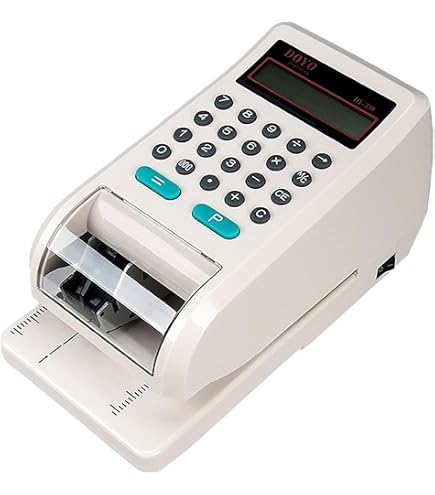
Not all Paymaster kits are created equal. Look for features that match your specific operational needs, such as high-capacity check trays, adjustable paper guides, or integrated security printing options. Avoid kits that lack essential accessories like pen holders or paper alignment tools, as these small omissions can slow down your workflow significantly during peak processing times.


As an Amazon Associate, we may earn from qualifying purchases.
4. Review Warranty and Support Terms
Warranty coverage is a critical differentiator between new and refurbished units. New kits typically come with a one-year full warranty, while refurbished units may offer limited 90-day guarantees. Check if the seller provides technical support or troubleshooting guides, as this can save time if you encounter setup issues or mechanical jams during the initial installation phase.
Spotting Weak Paymaster Options
The search results for “paymaster” are dominated by legacy payroll check-writing companies like PayMaster Inc., not the Web3 automation tools you need. This mismatch is the first trap. If your guide recommends hardware or legacy payroll services, it fails the intent test for a 2026 crypto payout kit.
Avoid any solution that lacks smart contract integration. True paymaster kits must handle ERC-4337 account abstraction to sponsor gas fees and automate escrow. Legacy check-writers cannot interact with on-chain liquidity or provide instant settlement.
Also, watch out for vague “enterprise” claims without code samples. A valid kit requires clear documentation for bundlers and relayers. If the vendor cannot show how their module hooks into a user operation, skip it. Focus on tools that explicitly support account abstraction standards for instant, automated Web3 payouts.
Paymaster kit: what to check next
The Paymaster Kit automates escrow and instant payouts for Web3 projects, but integrating it requires understanding its specific architecture and limitations.
Is the Paymaster Kit compatible with all blockchains?
The kit is designed for EVM-compatible chains like Ethereum, Polygon, and Arbitrum. It relies on smart contract standards that are native to these networks. Non-EVM chains like Solana or Bitcoin require separate integrations or bridges to function with the current kit version.
How are gas fees handled during transactions?
The Paymaster Kit allows projects to sponsor gas fees for their users, a feature known as "gas abstraction." This means end-users can interact with your dApp without holding native tokens for gas. The project covers these costs, which are deducted from the project's funded wallet or passed through to the user via a separate fee structure.
What is the typical integration time for developers?
Most teams report integration times between 48 and 72 hours. The kit provides SDKs for JavaScript and Python, along with clear documentation. The complexity depends on your existing smart contract architecture and whether you need custom escrow logic beyond the standard kit offerings.
Can the kit handle multi-signature escrow releases?
Yes, the kit supports multi-signature requirements for releasing escrowed funds. This adds a layer of security for high-value transactions, requiring multiple authorized parties to approve the release. This feature is critical for projects handling large sums or regulated assets.
No comments yet. Be the first to share your thoughts!