
What a Paymaster Kit Enables
An ERC-4337 Paymaster Kit enables dApps to sponsor gas fees on behalf of users, removing the need for native ETH in user wallets. This creates a seamless onboarding experience where transactions can be paid for with ERC-20 tokens or sponsored entirely by the protocol.
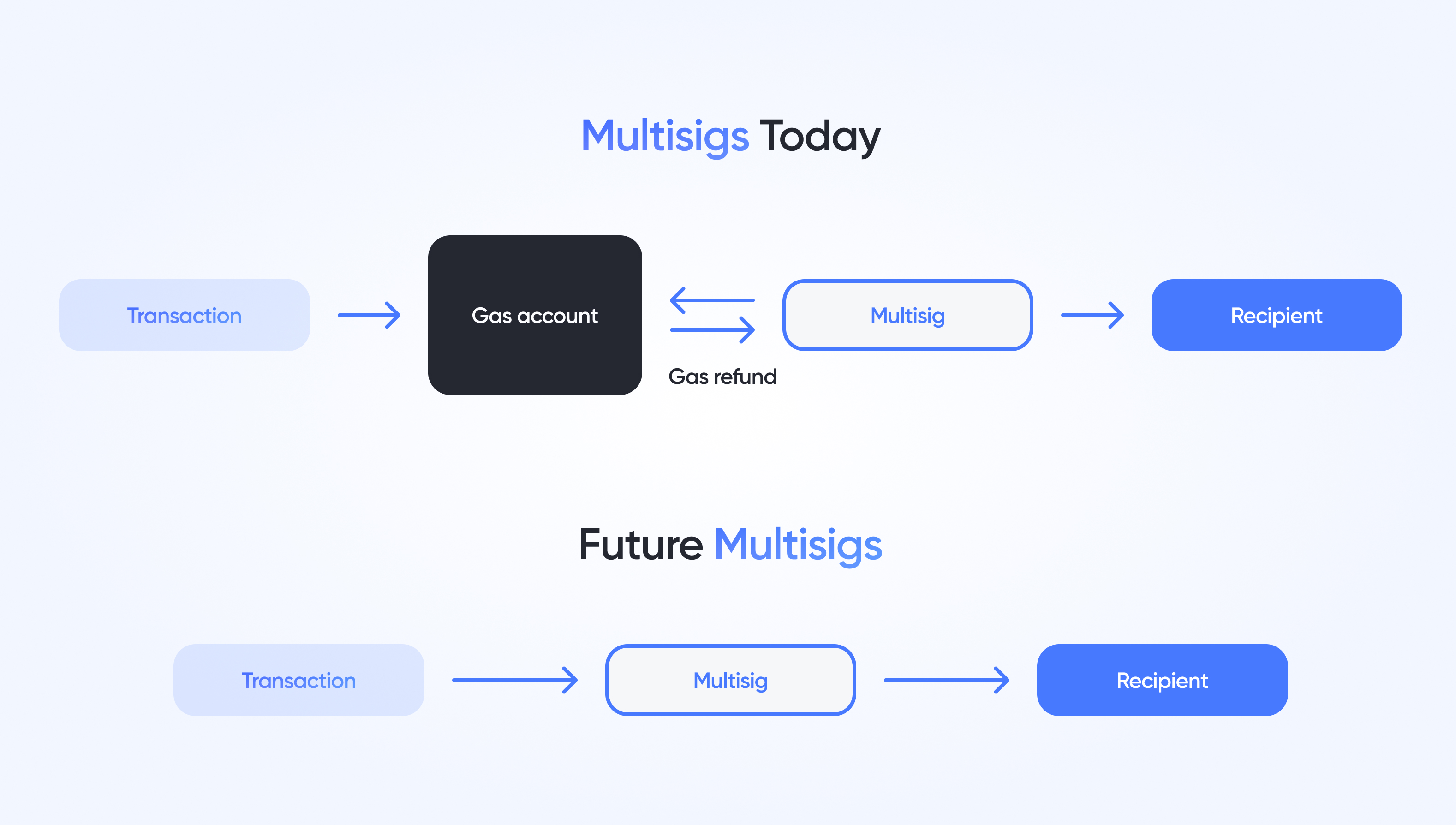
The kit relies on three interacting parts: the paymaster contract, the user operation interface, and the bundler. Together, they allow a dApp to sponsor transactions without requiring the user to hold native ETH.
Core components of the gasless kit
Before writing code, it is important to distinguish the Web3 paymaster from its legal namesake. In law, a paymaster is an attorney or fiduciary who holds funds in trust for a transaction. In ERC-4337, the paymaster is a smart contract that pays gas fees on behalf of a user. This separation prevents confusion when deploying technical infrastructure.
The Paymaster Contract
The paymaster contract sits between the user and the bundler. It validates the user's intent and agrees to pay the gas fee. According to Alchemy, an ERC-4337 paymaster enables dApps to sponsor user operations or accept payment in ERC-20 tokens and stablecoins. The contract must implement the validatePaymasterUserOp function, which returns a signature if the operation is valid.
UserOperation Interface
The UserOperation is a structured object that packages the user's transaction data. It includes the target address, calldata, gas limits, and the paymaster's signature. This interface standardizes how wallets communicate with the bundler. It allows the paymaster to inspect the transaction before it is executed on-chain.
Bundler Interaction
The bundler collects UserOperations from the mempool and packages them into transactions. It submits these to the EntryPoint contract, which executes the operations and pays the gas. The bundler is a critical infrastructure component. Without it, the paymaster's signature would never reach the blockchain.
Sponsorship Models
The paymaster can sponsor gas in different ways. The table below compares the two most common approaches.
| Model | Description | Use Case |
|---|---|---|
| Native Gas Sponsorship | The paymaster pays gas in ETH or the chain's native token. | General user onboarding and broad dApp adoption. |
| ERC-20 Token Sponsorship | The user pays the paymaster in a specific ERC-20 token, which then pays gas. | Token-specific campaigns or loyalty programs. |
Deploying the Paymaster Kit
Before you connect a smart contract to a live blockchain, you need a clear workflow. This section outlines how to integrate an ERC-4337 Paymaster Kit into your dApp or wallet. We focus on technical implementation, ensuring your gasless experience is robust.
It is important to distinguish this Web3 paymaster from legal or payroll paymasters. In finance, a paymaster is often a third-party fiduciary handling escrow or trade proceeds. In Web3, the paymaster is a smart contract that sponsors gas fees on behalf of users. This distinction prevents confusion when you are searching for documentation or configuring your stack.
The deployment process follows a strict sequence. You must configure your bundler, deploy the contract, fund the allowance, and then validate the UserOperation. Skipping testnet validation is a common mistake that leads to lost funds or broken UX on mainnet.
Configure the Bundler Endpoint
The bundler is the node that packages and submits your UserOperations to the entry point contract. Without a configured bundler, your smart accounts cannot broadcast transactions. You need to select a provider that supports ERC-4337, such as Alchemy or Stackup, and obtain your RPC endpoint.
In your dApp or wallet configuration, set the bundler URL in your wallet client. This ensures that all gasless transactions are routed to a node capable of handling the new transaction type. MetaMask Smart Accounts also require this endpoint to be correctly set for ERC-20 paymaster interactions.
Configure your wallet client to point to a supported ERC-4337 bundler. This is the entry point for all UserOperations. Ensure your environment variables store the RPC URL securely.
Deploy your Paymaster smart contract to the target network. Use the Kit’s base contracts to inherit standard validation logic. This contract will hold the funds needed to pay for user gas fees.
Send ETH or the supported ERC-20 token to your newly deployed Paymaster contract. The contract must have a balance to sponsor transactions. If the balance runs out, users will see gas errors.
Simulate a transaction using the bundler’s eth_callUserOperation method. This validates your signature and stake without submitting to the chain. If this fails, check your contract’s validateUserOp logic.
Validate Before Mainnet
Testnet deployment is not optional. It is your only safety net. Use Sepolia or Holesky to simulate real-world conditions. Check that your gas estimation is accurate and that your Paymaster logic correctly handles signature verification.
Once testnet validation passes, you can proceed to mainnet. Mainnet transactions cost real money, so precision is key. Keep your monitoring tools active to track gas usage and contract balance levels.



As an Amazon Associate, we may earn from qualifying purchases.
Calculating Gas Sponsorship Costs
Accurately estimating gas sponsorship costs requires defining the constraint, comparing realistic options, and testing the tradeoff. This order keeps the advice usable instead of decorative.
After each step, pause long enough to check whether the recommendation still fits the reader's actual situation. If it depends on perfect timing, unusual access, or a best-case budget, include a simpler fallback.
The simplest way to use this section is to write down the real constraint first, compare each option against it, and choose the path that still works outside ideal conditions.
Common Paymaster Integration Mistakes
The easiest mistake when building a paymaster kit is comparing options on the most visible detail while ignoring the day-to-day constraint. A choice can look strong on paper and still fail because it is too hard to maintain, too expensive to repeat, or awkward in the actual setting.
Use the same checklist for every option: fit, cost, durability, timing, upkeep, and fallback plan. That keeps the comparison practical instead of drifting into preference alone.
The simplest way to use this section is to write down the the real constraint first, compare each option against it, and choose the path that still works outside ideal conditions.
Frequently asked: what to check next
The term "paymaster" often causes confusion because it carries different meanings in Web2 and Web3. In traditional finance, a paymaster is often an attorney or agent who holds and distributes funds. In Web3, specifically under ERC-4337, a paymaster is simply a smart contract that pays for gas fees. This distinction is critical for developers building gasless UX. You are not managing legal fiduciary duties; you are automating transaction sponsorship to improve user experience. For implementation details, refer to the Alchemy overview of ERC-4337 paymasters or the MetaMask tutorial on ERC-20 paymasters.
No comments yet. Be the first to share your thoughts!