
With Ethereum's native token trading at $2,151.11, down a modest 0.007150% over the last 24 hours from a high of $2,189.28, the network's high value underscores why gasless AI agent payments matter now more than ever. AI agents executing on-chain trades, swaps, or settlements shouldn't stumble over gas fees that eat into margins or demand users hold ETH upfront. Enter ERC-4337 paymasters combined with EIP-7702, a pragmatic duo slashing friction for autonomous agents while preserving Ethereum's core economics.
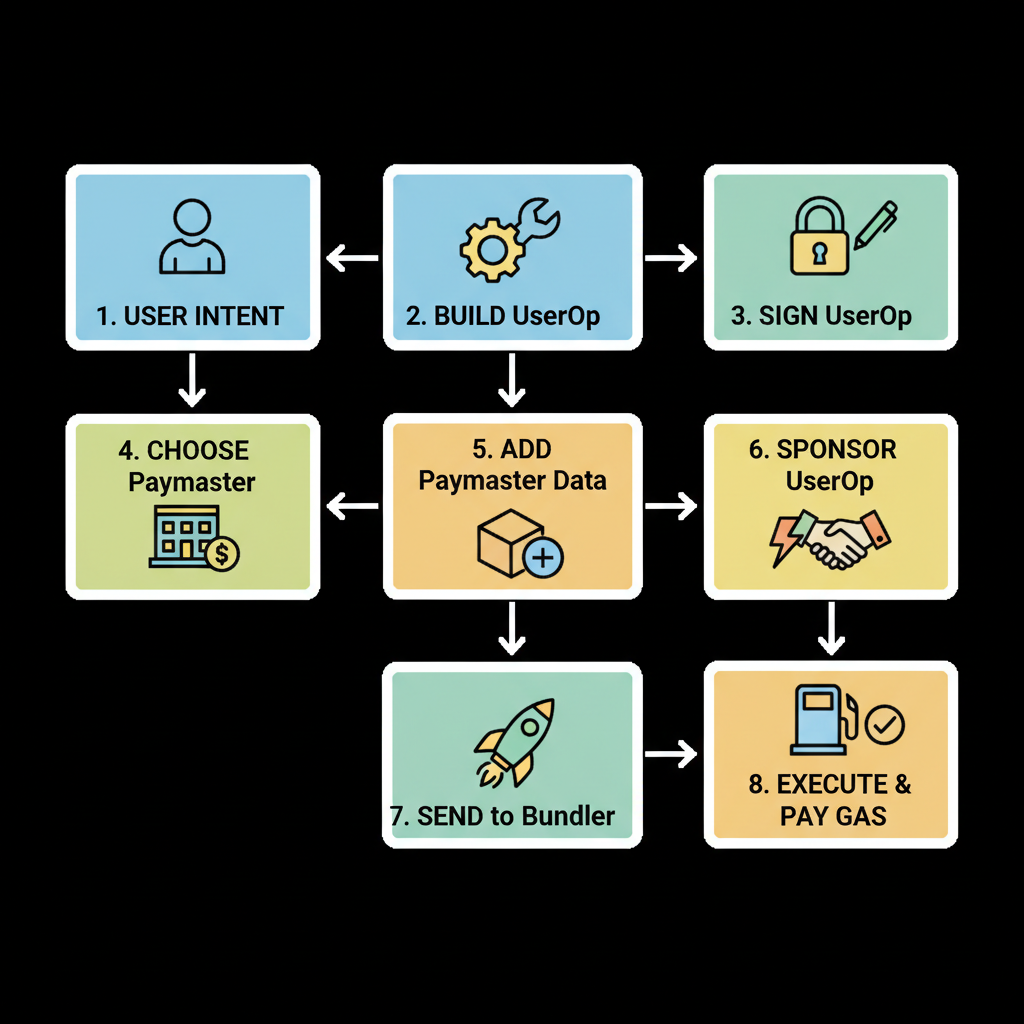
Paymasters aren't flashy; they're the unsung workhorses of account abstraction. In ERC-4337, these smart contracts step in during the UserOperation validation via the EntryPoint, sponsoring gas if criteria like token balances or signatures check out. Developers stake and deposit with the EntryPoint to build trust, warding off spam while enabling sponsorship in ERC-20s like USDC. This setup powers gas sponsorship ERC-4337 style, where agents pay nothing in ETH, only what they transact in.
Dissecting ERC-4337 Paymasters for AI-Driven Transactions
Fundamentally, a paymaster validates a UserOperation before bundlers post it on-chain. It might check if an AI agent has approved USDC spend, then covers gas from its own deposit. Risks lurk, OtterSec flags potential griefing if stakes falter, but modular designs mitigate via plugins. For AI agents, this means relentless execution: swapping tokens, deploying contracts, or settling jobs without human intervention or ETH top-ups.
Consider gas savings from real audits: standard ERC-4337 transfers hit ~200,000 gas, batching drops to 120,000, a 40% cut. At $2,151.11 ETH, that's real dollars saved per agent action, scaling to thousands of ops daily.
Paymasters enable users to send transactions without needing ETH, improving onboarding.
ERC-4337's strength lies in no hard fork needed; it's live today via bundlers like Gelato. Yet, it shines brightest with smart accounts, not legacy EOAs, prompting EIP-7702's arrival.
Trade-offs? ERC-4337 offers full modularity via EntryPoint; EIP-7702 bolts smarts onto EOAs without it. Complementary: use 7702 for EOA upgrades, paymasters for sponsorship. Reddit threads nail it, wallets blend both for hybrid UX.
Integrating Paymasters with EIP-7702 for Seamless AI Agents
The real juice flows in fusion. Picture an AI agent on EOA: EIP-7702 delegates validation logic, ERC-4337 paymaster foots the bill in USDC. Circle Paymaster supports both, spanning chains. 0xGasless AgentKit stacks full AA, signing, swaps, deploys, all gasless on 4337/7702.
Gelato's infra glues it: paymasters for ERC-20 gas, bundlers for EOA/SCA mixes. For ERC-4337 paymasters AI agents, this means autonomous trading bots or settlement layers humming without ETH dependency.
Ethereum (ETH) Price Prediction 2027-2032
Amid ERC-4337 Paymasters and EIP-7702 Adoption for Gasless AI Agent Payments
| Year | Minimum Price | Average Price | Maximum Price | YoY % Change (Avg) |
|---|---|---|---|---|
| 2027 | $2,800 | $4,000 | $6,000 | +86% |
| 2028 | $3,600 | $5,500 | $8,500 | +38% |
| 2029 | $4,500 | $7,000 | $11,000 | +27% |
| 2030 | $5,500 | $9,000 | $14,500 | +29% |
| 2031 | $7,000 | $11,500 | $18,500 | +28% |
| 2032 | $8,500 | $14,500 | $23,000 | +26% |
Price Prediction Summary
Ethereum's price is forecasted to experience robust growth from 2027 to 2032, fueled by ERC-4337 Paymasters enabling gasless transactions and EIP-7702 enhancing EOA capabilities for AI agents. Average prices are projected to climb from $4,000 in 2027 to $14,500 by 2032, reflecting bullish adoption trends tempered by market cycles.
Key Factors Affecting Ethereum Price
- Widespread integration of ERC-4337 Paymasters for gas sponsorship with ERC-20 tokens
- EIP-7702 enabling temporary smart contract behavior for EOAs, improving UX
- Pectra upgrade and account abstraction driving AI agent and dApp adoption
- Services like Circle Paymaster, Gelato, and 0xGasless accelerating ecosystem growth
- Market cycles, regulatory developments, L2 competition, and macroeconomic factors influencing volatility
Disclaimer: Cryptocurrency price predictions are speculative and based on current market analysis. Actual prices may vary significantly due to market volatility, regulatory changes, and other factors. Always do your own research before making investment decisions.
BuildBear and Pimlico docs highlight synergy: 4337's plug-ins pair with 7702's EOA lift, no trade-offs. Alchemy contrasts with dead EIP-3074,7702 wins on security. Turnkey notes DEX trades sans ETH; Substack crunches batch gas wins.
Current market at $2,151.11 ETH validates the push: high fees amplify sponsorship's edge. AI agents settle jobs via ERC-8183 paymasters atop this stack, turning pulse-like commodities volatility into predictive trades without gas drag.
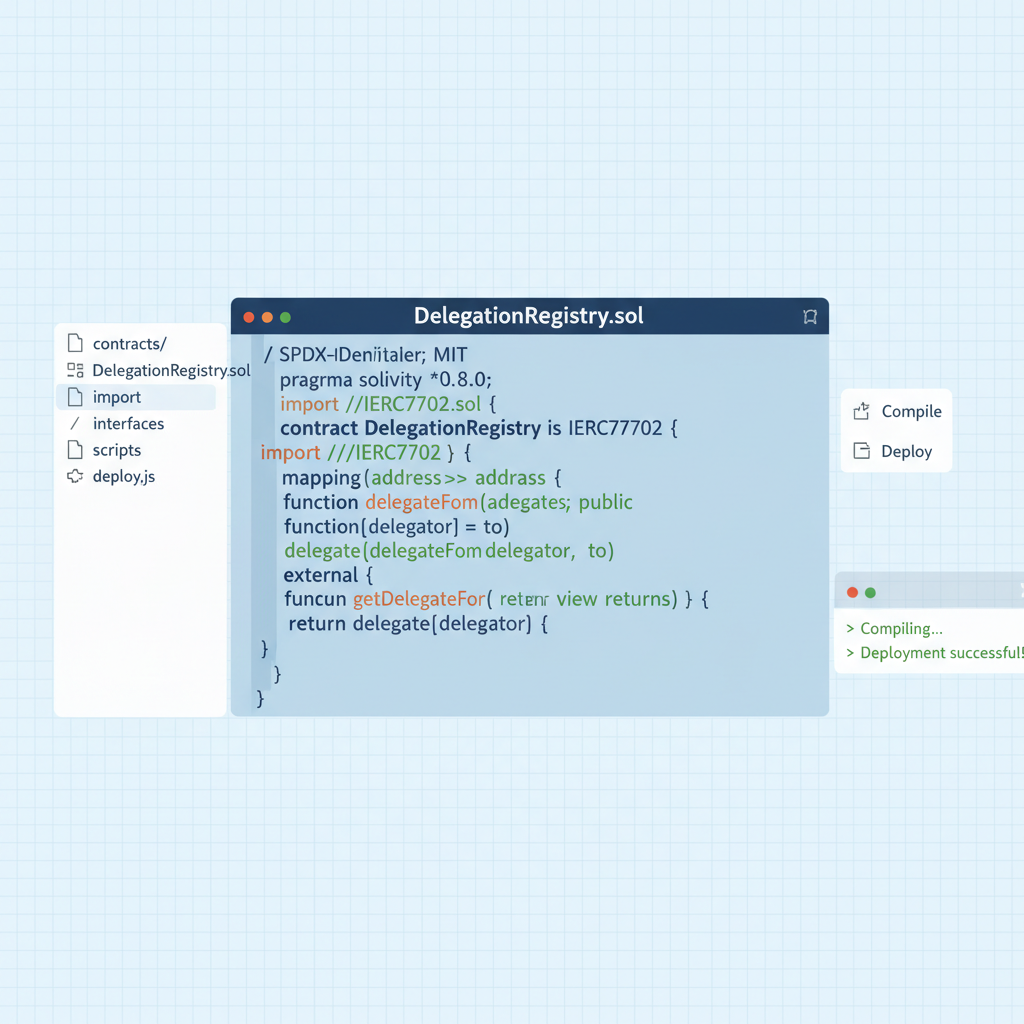
Practical deployment starts with picking the right stack. Circle's Paymaster, live across chains, lets AI agents send USDC transfers gas-free via EIP-7702-upgraded EOAs. Their demo wallet setup proves it: upgrade EOA, delegate code, paymaster validates and sponsors. No smart wallet migration needed, preserving user keys while unlocking batching and sponsorship.
Build EIP-7702 EOA Wallet for Gasless USDC Payments with Circle Paymaster
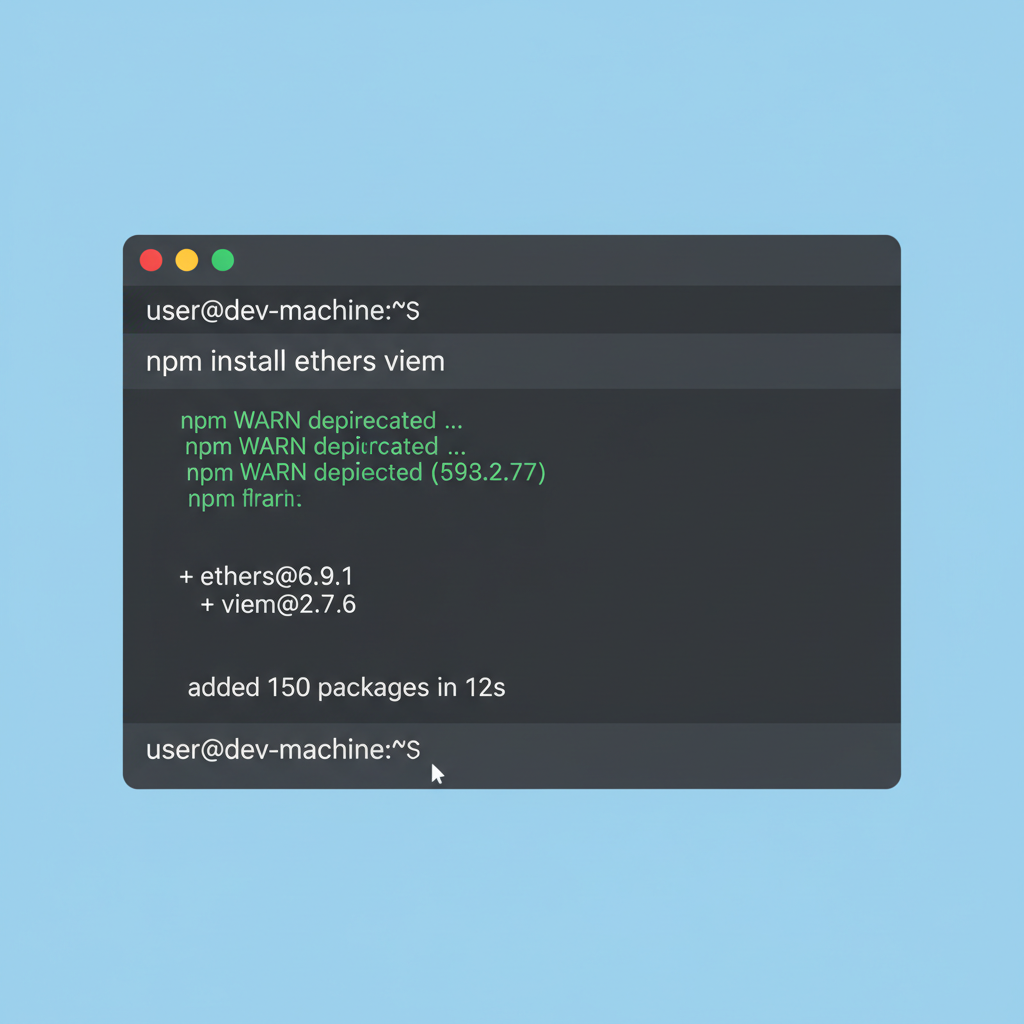
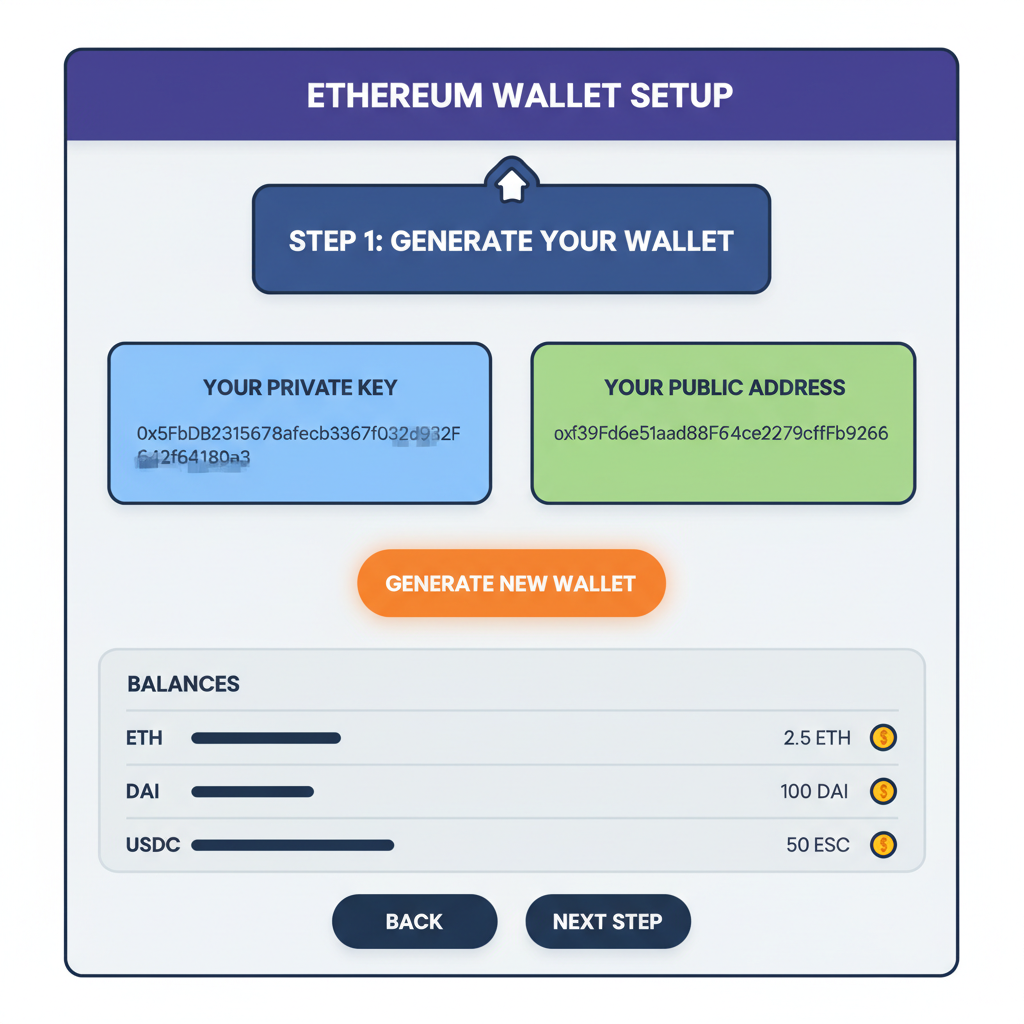
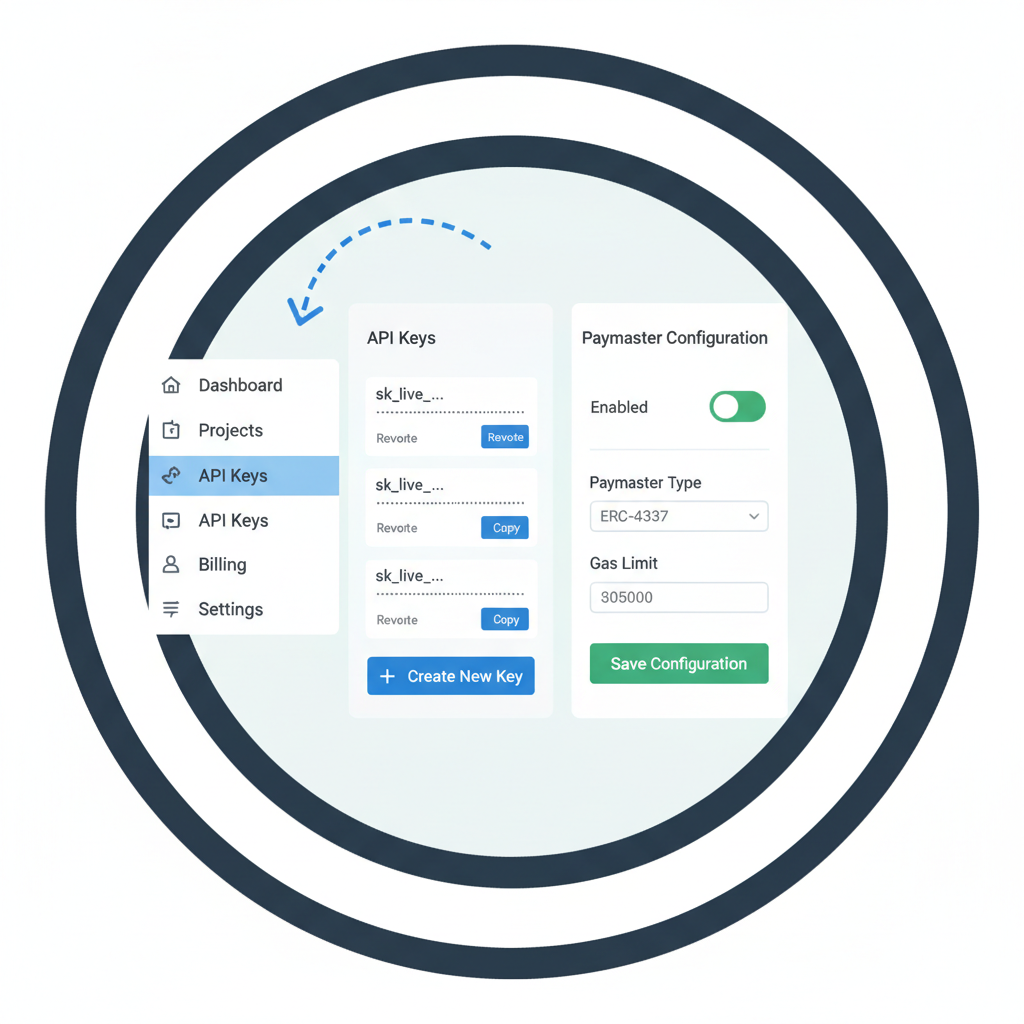
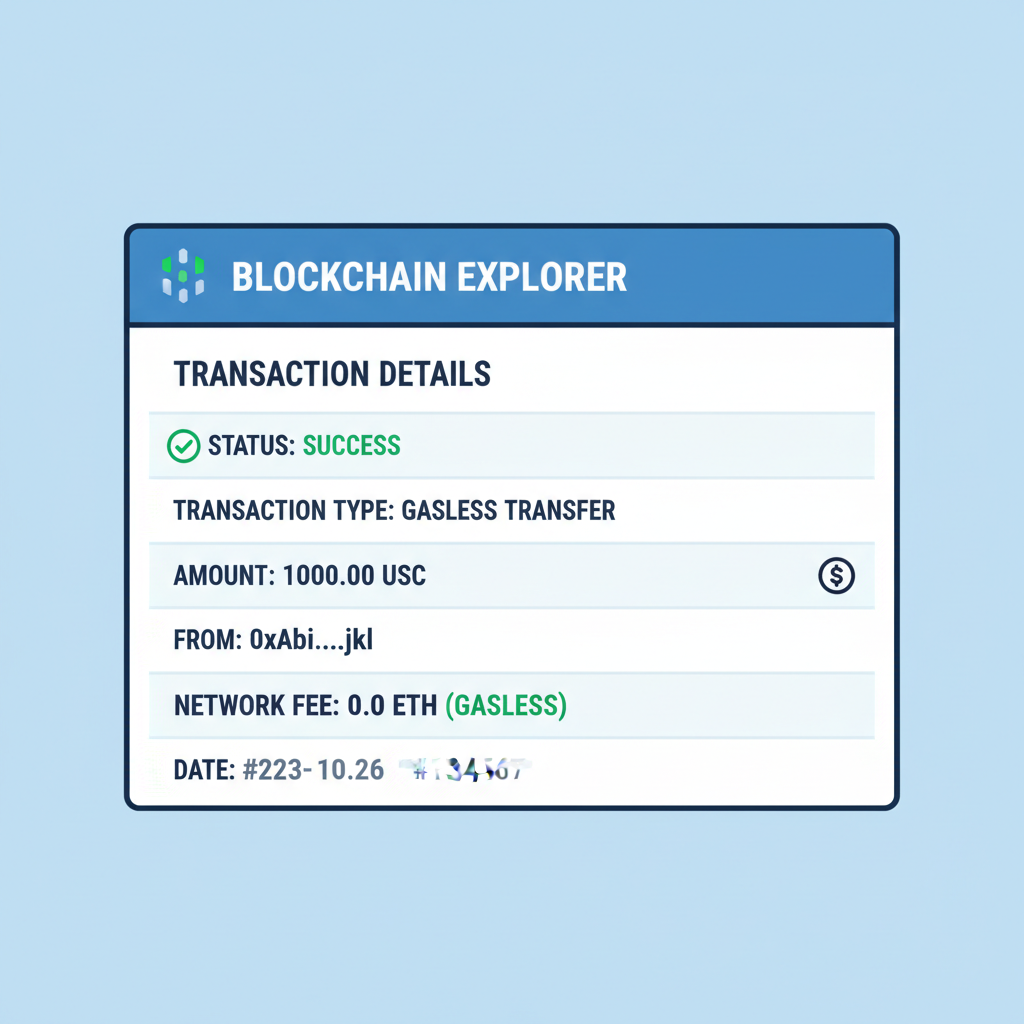
Developers favor Gelato for production: their paymaster accepts ERC-20s directly, bundler handles UserOps or 7702 txs. For gasless AI agent payments, integrate AgentKit from 0xGasless - SDK wraps signing, swaps, deployments in zero-gas abstractions. It bridges ERC-4337's modularity with 7702's EOA compatibility, ideal for agents scanning commodities feeds, executing hedges at $2,151.11 ETH without fee pauses.
Gas Efficiency Breakdown: Tables Don't Lie
Numbers ground the hype. Batching via EIP-7702 delegation shrinks costs; paymasters shift payment to stablecoins. Here's the math for AI agent ops:
ERC-4337 vs EIP-7702 Gas Usage (ETH = $2,151.11)
| Scenario | Gas Usage | Savings vs Standard | ETH Required? | Cost Level |
|---|---|---|---|---|
| Standard Transfer (ERC-4337) | 200k gas | 0% | Yes | 🔥 High |
| Batched Transactions (ERC-4337/EIP-7702) | 120k gas | 40% | Yes | ✅ Low |
| Paymaster-Sponsored USDC (w/ EIP-7702 Integration) | 120k gas | 40% | No | ✅ Gasless |
At scale, 10,000 daily agent transfers save thousands in ETH - roughly $860k yearly if unoptimized, per Substack calcs adjusted to today's $2,151.11 price. That's margin for predictive models tracking oil-gold correlations, not gas wallets.
Risks demand pragmatism. Paymasters risk understaking, enabling DoS; OtterSec urges plugins for token thresholds or whitelists. EIP-7702's temporary delegation avoids permanent code risks but needs signer vigilance. Hybrid setups - 7702 for light EOAs, full 4337 for heavy agents - balance security and speed. Staking enforces honesty; deposits refund post-validation.
Real-World AI Agent Use Cases
AI agents thrive here. Imagine autonomous traders: agent monitors ags futures, spots arbitrage, batches swaps via 7702 delegation, pays gas in USDC via paymaster. No ETH bridge, no downtime. Or job settlement per ERC-8183: agents complete tasks, settle via ERC-8183 job settlement paymasters, sponsoring verification gas. Commodities desks deploy these for hedging - gold dips trigger options, all frictionless.
EIP-7702 delegated wallets extend to DeFi protocols. Agents lend, borrow, yield-farm in one tx, paymaster covering costs from protocol fees. UX wins: users sign once, agents run wild. Pimlico's docs stress design complementarity - 4337 for infrastructure, 7702 for EOA evolution.
BuildBear's analysis flags trade-offs: 4337's no-fork rollout vs 7702's Pectra dependency. But post-Pectra, synergy dominates. Alchemy buries 3074; 7702's cleaner auth prevails. Reddit devs mix them: EOAs gain smarts, paymasters sponsor universally.
Forward view: as ETH holds $2,151.11 amid volatility, adoption accelerates. Wallets like eway evolve, bundlers optimize. AI agents, once gas-constrained, pulse like markets - reacting, executing, profiting without barriers. PaymasterKit arms builders with this stack, from sponsorship logic to bundler hooks, ensuring agents scale seamlessly.
Stake your paymaster, delegate your EOA, unleash the agents. Ethereum's UX frontier just got real.



No comments yet. Be the first to share your thoughts!