
Get the paymaster kit right
Before you configure your crypto payroll system, you need to separate the software infrastructure from the hardware requirements. Many teams confuse the two, leading to integration delays and security gaps. This section clarifies the prerequisites for setting up a robust Paymaster kit that handles both digital asset distribution and regulatory compliance.
Verify the software stack
Your primary tool is the Paymaster software, which acts as the central hub for transaction routing and tax reporting. Ensure you have access to a supported blockchain network (such as Ethereum or Polygon) and that your multisig wallet is configured with the necessary governance thresholds. Most modern paymaster kits require API keys from your custodian or exchange provider to automate fiat off-ramps. Without these connections, your payroll will remain manual and error-prone.
Prepare the hardware
While the software is digital, the security layer is physical. You need dedicated hardware wallets (like Ledger or Trezor) for the signing keys. Do not store private keys on general-purpose laptops or cloud drives. Each signer should have their own isolated device. This physical separation is your first line of defense against phishing and remote exploits.
Define the team roles
A paymaster kit is useless without clear operational boundaries. Assign specific roles: a "creator" who drafts payroll batches and a "verifier" who approves them. These should be different people. Consider adding a "watcher" role with read-only access for your accountant or legal counsel. This separation of duties is not just best practice; it is often a legal requirement for corporate payroll in many jurisdictions.
Check compliance settings
Before going live, configure your tax withholding rules. Crypto payroll triggers taxable events for employees. Your kit must automatically calculate and withhold the correct amounts based on local laws. If your software does not support automated tax reporting, you will need to integrate a third-party payroll provider. Do not skip this step; manual tax calculations for crypto payments are a frequent source of IRS audits and employee disputes.
Work through the steps
The Paymaster Kit works best as a clear sequence: define the constraint, compare the realistic options, test the tradeoff, and choose the path with the fewest hidden costs. That order keeps the advice usable instead of decorative. After each step, pause long enough to check whether the recommendation still fits the reader's actual situation. If it depends on perfect timing, unusual access, or a best-case budget, include a simpler fallback.

Common Paymaster Mistakes and How to Fix Them
Even with the right tools, small setup errors can derail your crypto payroll and trigger unnecessary tax liabilities. The following mistakes are frequent among teams trying to streamline payments.
Mismatched Network Selection Sending payroll tokens on the wrong blockchain is a common error. If your stablecoin is USDC on Ethereum, sending it to a wallet expecting it on Polygon will result in lost funds. Always verify the network compatibility between your paymaster contract and the recipient’s wallet before executing any batch.
Ignoring Gas Abstraction Limits Paymasters cover gas fees, but they have limits. If you set the gas limit too low, transactions fail, and employees don’t get paid. If you set it too high, you waste budget. Check the current network congestion and adjust your gas parameters accordingly. Use testnet deployments to calibrate these limits before going live.
Failing to Verify Recipient Addresses Crypto transactions are irreversible. A single typo in a wallet address means lost wages for your employee and a tax reporting nightmare for you. Implement a mandatory confirmation step where employees verify their wallet addresses via a secondary channel, such as email or a secure portal, before you approve the payroll batch.
Overlooking Tax Reporting Requirements Paying in crypto does not exempt you from tax obligations. Many employers mistakenly assume that because the payment is digital, it is untraceable. It is not. Ensure your paymaster kit integrates with tax reporting tools that generate the necessary 1099 forms or local equivalents. Failure to report these payments can lead to significant penalties.
Paymaster kit: what to check next
Before implementing a crypto payroll system, it helps to understand the traditional roles these tools replace. The following questions address common objections and clarify how modern paymaster kits function in practice.
Helpful gear
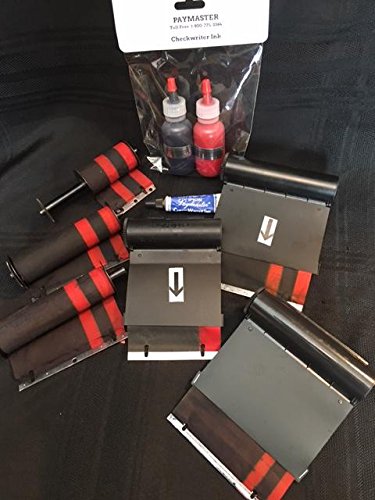
Use these product recommendations as a starting point, then choose the size, material, and price point that fit how you actually use the gear.


As an Amazon Associate, we may earn from qualifying purchases.
No comments yet. Be the first to share your thoughts!