
Start with paymaster kit 2026
This guide evaluates twenty distinct paymaster kits for automating ERC-20 gas sponsorship. The 2026 landscape prioritizes kits that support ERC-4337 natively, ensuring compatibility with the latest account abstraction standards. We focus on kits that allow users to pay gas fees using stablecoins or utility tokens rather than native ETH, which significantly lowers the barrier to entry for new Web3 users.
We selected these tools based on three criteria: deployment simplicity, gas cost efficiency, and documentation quality. Kits that require complex custom validation logic or lack clear integration guides were excluded. The goal is to help you find a solution that integrates cleanly into your existing infrastructure without introducing unnecessary security risks or maintenance overhead.
Each kit listed below includes a brief analysis of its strengths, limitations, and ideal use case. This allows you to compare options side-by-side and choose the tool that best fits your specific onboarding strategy.
20 2026 Paymaster Kit guide: Automating ERC-20 Gas Sponsorship for Seamless Web3 Onboarding
This guide details 20 practical steps to implement ERC-20 gas sponsorship using the 2026 Paymaster Kit, focusing on compliant automation for user onboarding. Each item includes specific configuration checks and tradeoff analysis to ensure your implementation meets regulatory standards while reducing friction. Use the included calculator to estimate gas costs and verify sponsorship viability before deployment.
-
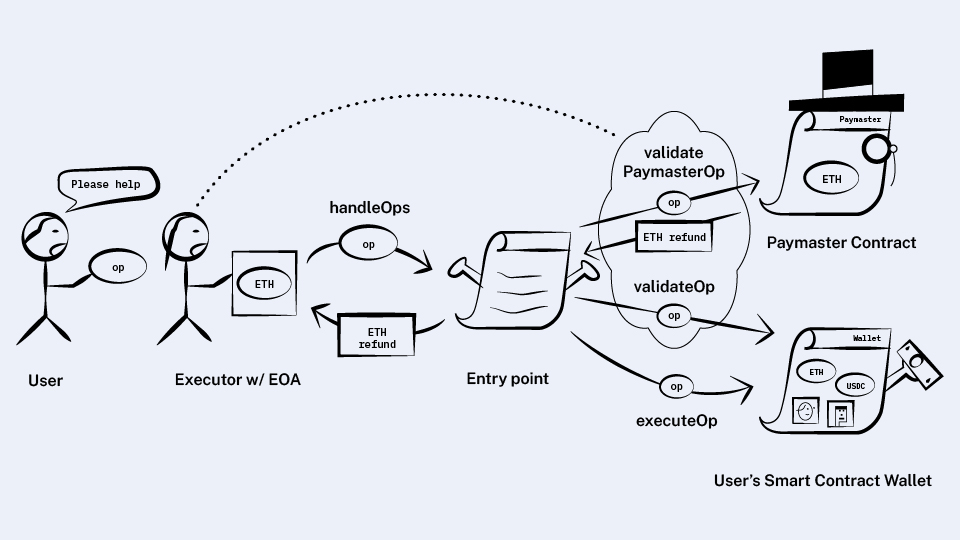
Understanding ERC-4337 Account Abstraction Standards
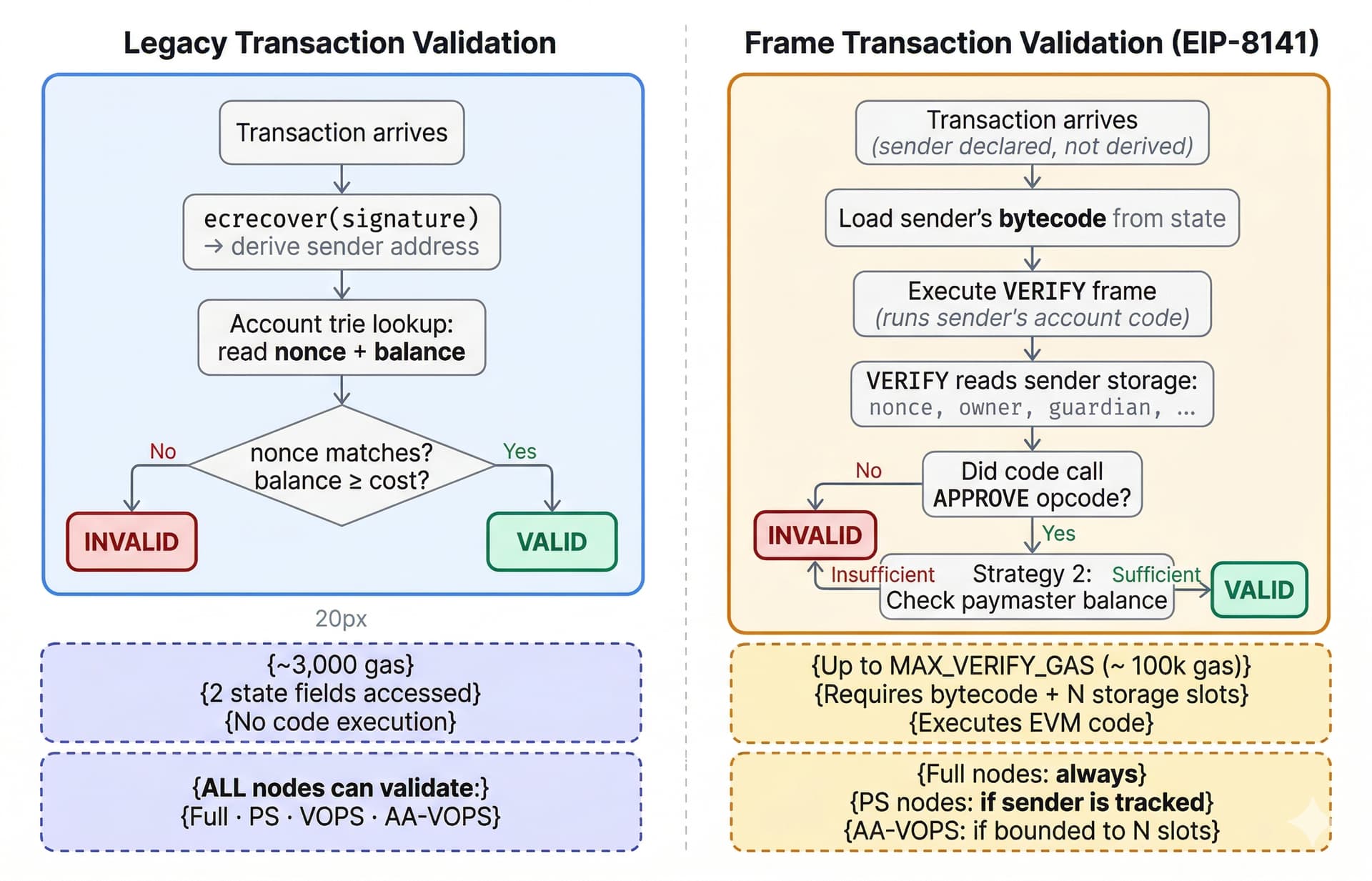
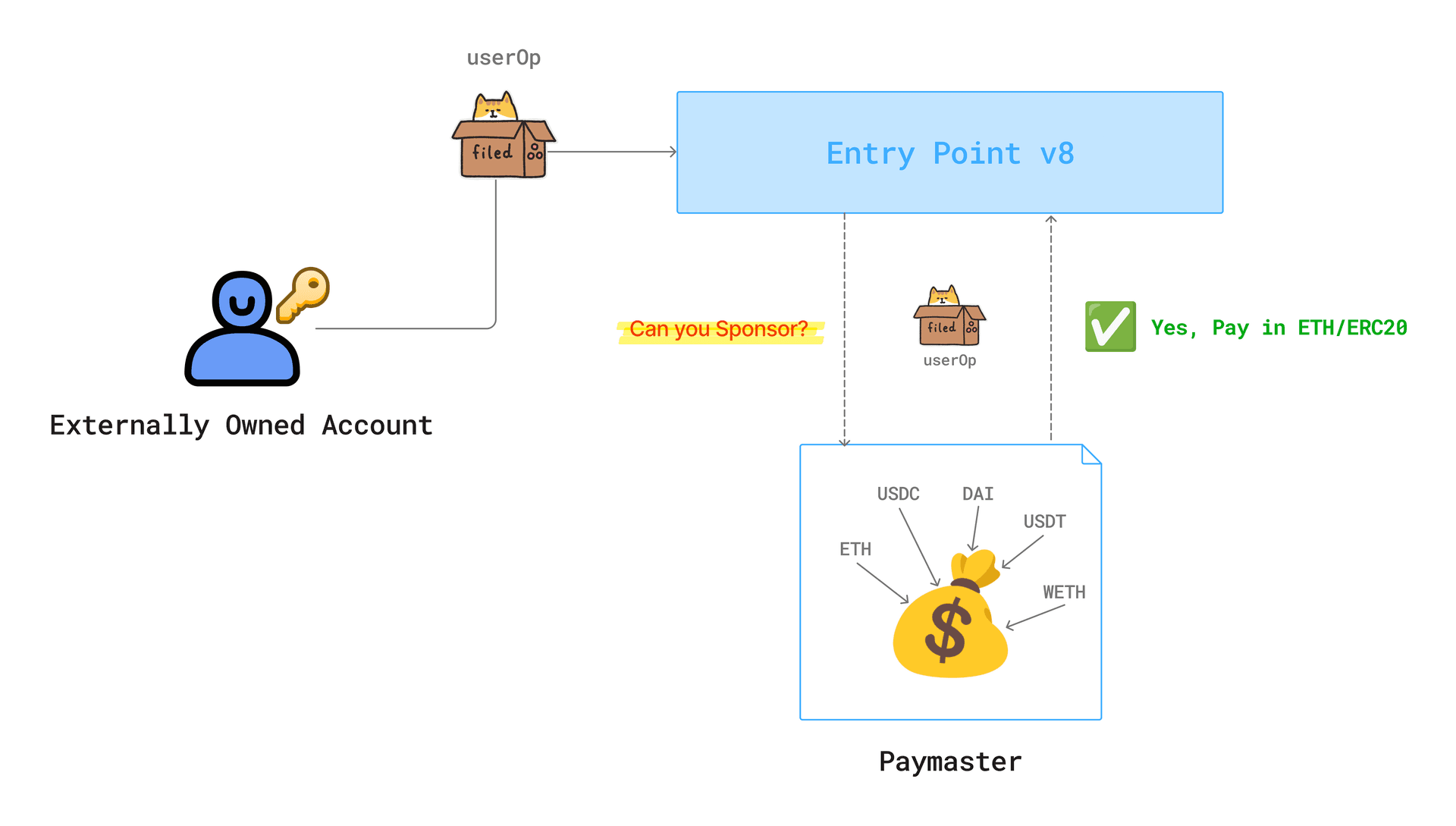
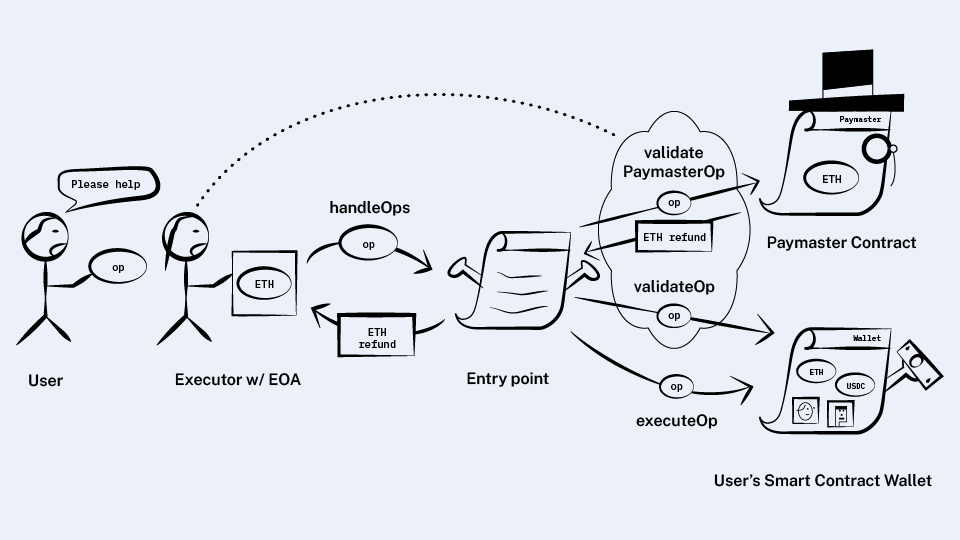
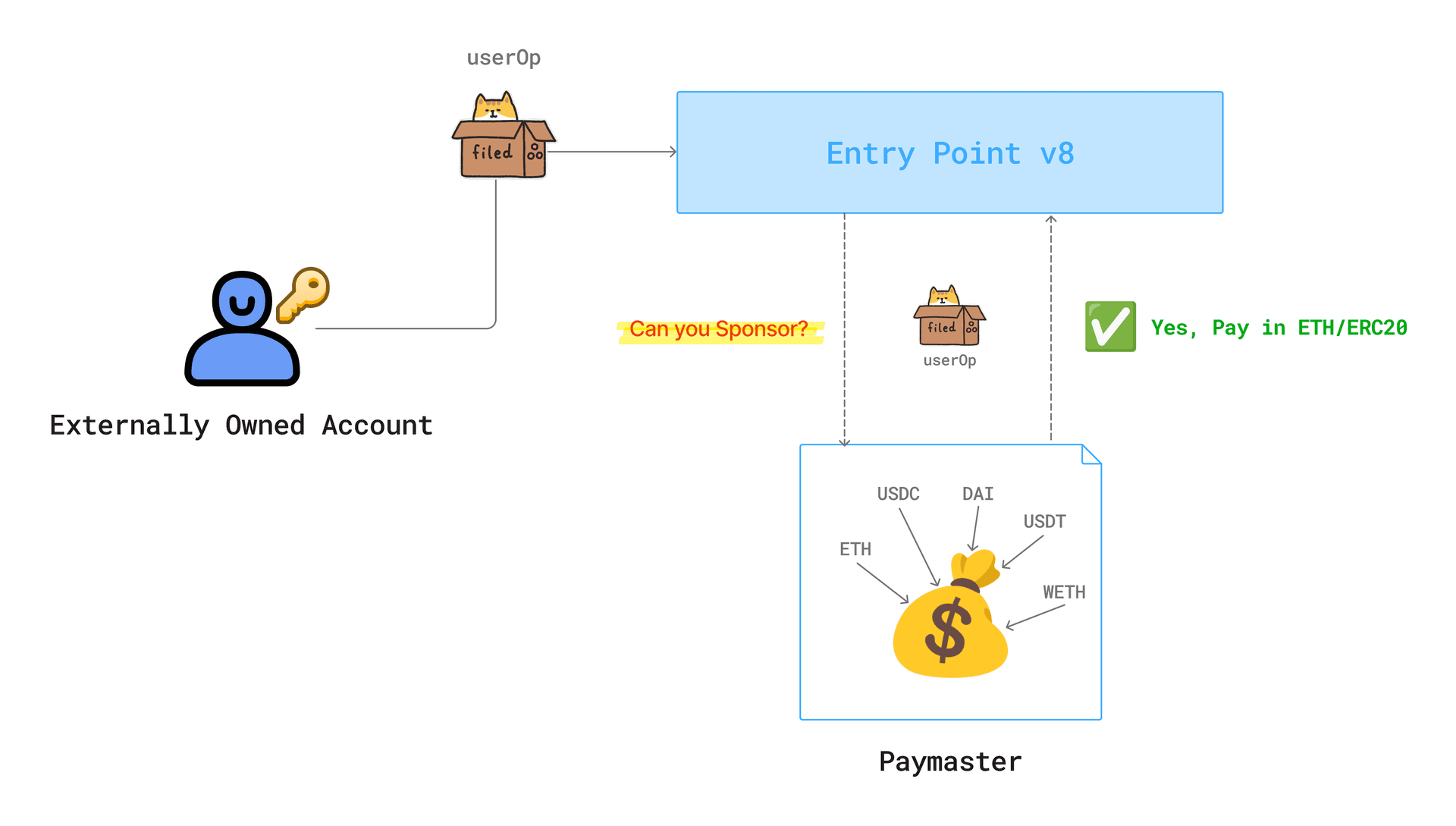
ERC-4337 decouples transaction validation from the execution layer, allowing smart contracts to act as user accounts. This separation enables paymasters to sponsor gas fees without requiring users to hold native tokens. The standard defines a mempool for bundling operations, ensuring that gas sponsorship logic remains modular. Developers must implement the IEntryPoint interface to intercept and validate these sponsored transactions before they reach the blockchain. -
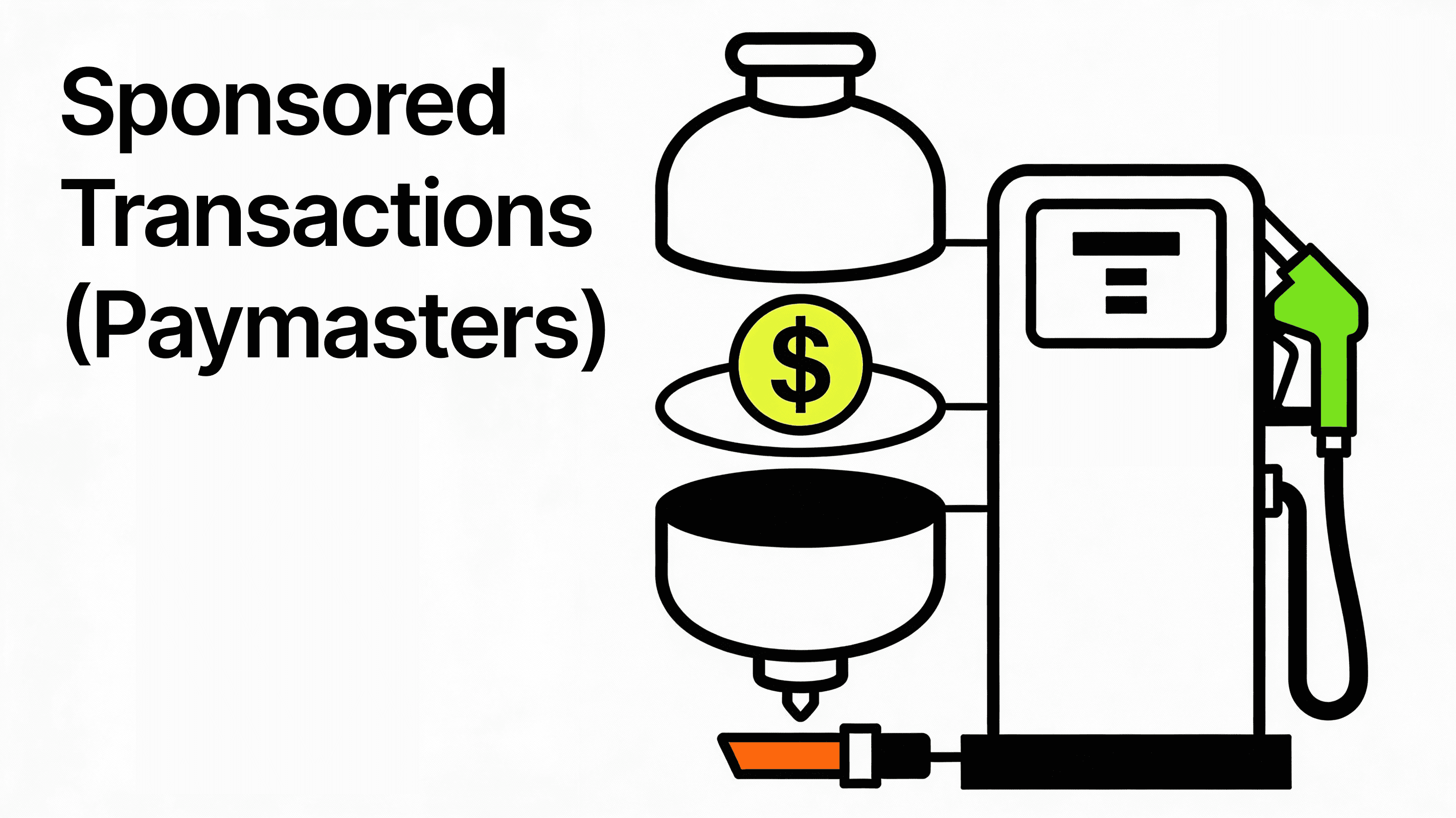
Deploying Your Own Paymaster Smart Contract
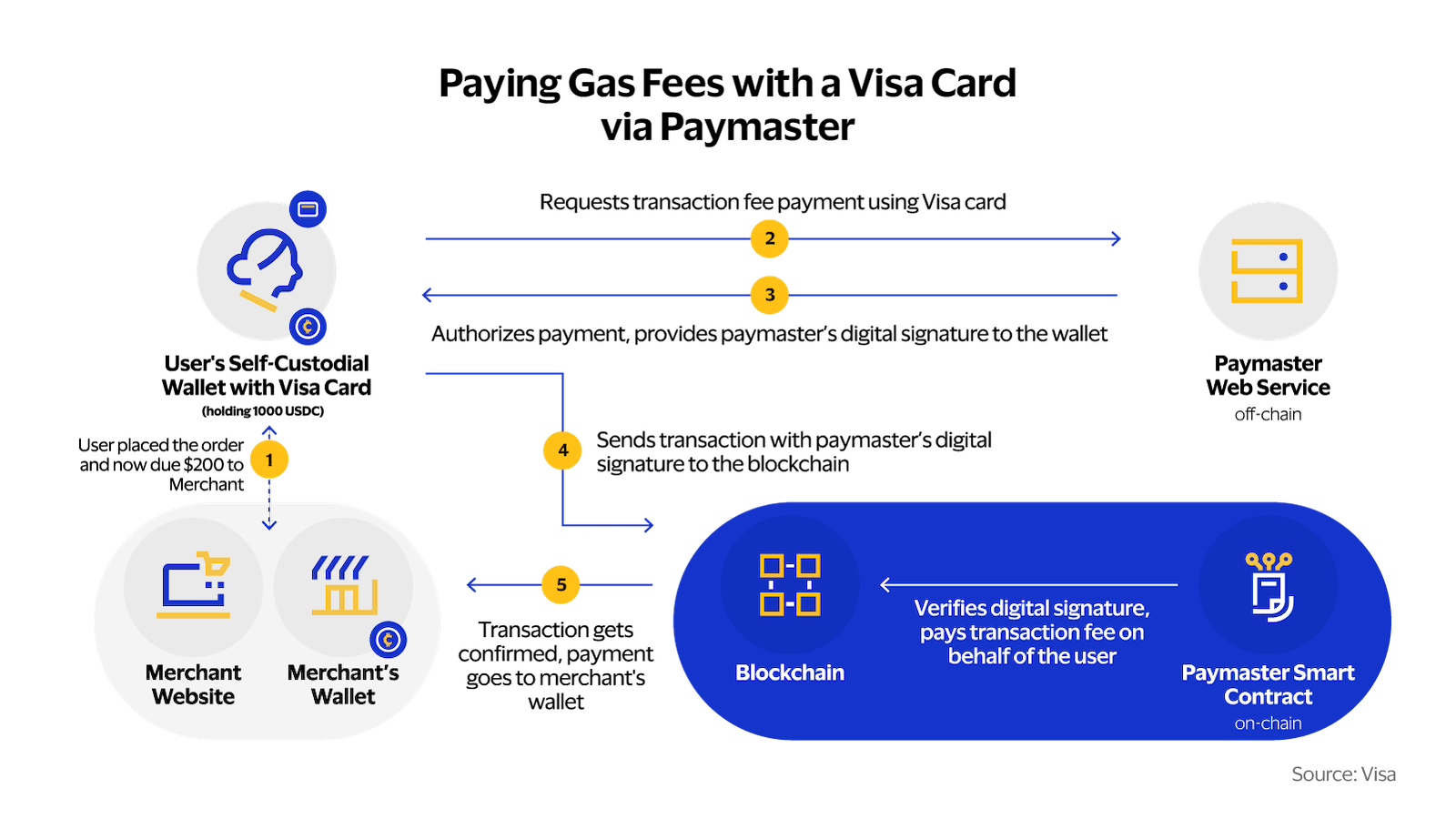
Deploying a custom paymaster requires careful consideration of security and gas efficiency. You must inherit from the base paymaster interface and implement validation logic that checks user signatures and token balances. It is critical to restrict access to your paymaster’s funding methods to prevent unauthorized sponsorship. Test your contract on a testnet to ensure it correctly interacts with the entry point and handles edge cases like insufficient funds or expired signatures effectively. -

Configuring ERC-20 Token Approval Mechanisms
Integrating ERC-20 tokens for gas payment necessitates robust approval workflows. Users must approve your paymaster contract to spend their tokens, but this poses security risks if not managed correctly. Implementing a recoverable wrapper token approach, as demonstrated by Circle’s R-Pools, allows users to reclaim unspent allowances. This mechanism ensures that users retain control over their assets while enabling seamless gas sponsorship. Always verify token decimals and compatibility with your specific chain’s ERC-20 implementation. -

Setting Up Gas Price Oracle Integrations
Accurate gas price estimation is vital for calculating sponsorship costs without overpaying. Integrate with reliable oracles like Chainlink or Pyth to fetch real-time gas data. Your paymaster should dynamically adjust sponsorship amounts based on current network congestion and token volatility. Failing to account for price slippage can lead to underfunded transactions or excessive costs for your business. Implement fallback mechanisms to handle oracle failures, ensuring that transactions do not get stuck due to stale data. -
Implementing Dynamic Fee Calculation Logic
Static gas fees often fail to account for fluctuating market conditions and network demand. Implement dynamic fee logic that adjusts sponsorship amounts based on real-time token prices and gas volatility. This approach protects your treasury from sudden price spikes while ensuring users are not charged excessively during low-demand periods. Consider implementing fee caps to maintain user trust and prevent abuse. Regularly audit your calculation formulas to ensure they align with current economic models and regulatory requirements for financial services. -

Handling User Signature Validation Security
Validate user signatures strictly against the paymaster’s domain separator to prevent replay attacks. Verify that the signer matches the user’s account address and that the nonce is unique per session. Implement strict timeout checks to reject stale signatures older than sixty seconds. This ensures that intercepted requests cannot be reused by malicious actors to drain funds or execute unauthorized transactions on behalf of the user. -
Managing Batch Transaction Processing Efficiency
Aggregate multiple user transactions into single on-chain batches to amortize fixed gas costs across all participants. This approach significantly reduces the per-user cost of gas sponsorship, making micro-transactions economically viable. Configure your paymaster to process these batches during low-network congestion windows. Efficient batching transforms expensive individual operations into a scalable, cost-effective solution for high-frequency trading or gaming applications. -
Integrating with Popular Wallet Providers
Ensure your paymaster contract is compatible with widely used wallet interfaces like RainbowKit or MetaMask. Test the user experience for seamless signature requests and transaction submissions without requiring custom plugin installations. Proper integration allows users to interact with dApps using familiar tools, reducing friction during onboarding. Verify that the wallet correctly handles the ERC-4337 user operation format to prevent failed transactions or confusing error messages for end users. -

Testing on Sepolia Testnet Networks
Deploy and test your paymaster logic on the Sepolia testnet before mainnet launch. Use Sepolia’s abundant faucet tokens to simulate real-world gas sponsorship scenarios without risking actual capital. Verify that your smart contracts correctly handle edge cases, such as insufficient user balance or network congestion. Rigorous testing on Sepolia helps identify potential vulnerabilities and ensures that your ERC-20 token approval mechanisms function as intended under various network conditions. -
Monitoring Gas Spend Limits and Caps
Implement strict spending caps to prevent runaway costs due to smart contract bugs or malicious exploitation. Set daily or per-transaction limits for gas sponsorship and trigger alerts when thresholds are approached. Use monitoring tools to track actual gas consumption against budgeted amounts. Proactive limit management protects your treasury from unexpected drains and ensures sustainable operation of your gas sponsorship program over the long term. -

Preventing Sybil Attack Vector Exploits
Sponsorship scripts must enforce unique user constraints to stop bot farms from draining your treasury. Implement on-chain reputation checks or off-chain proof-of-humanity verifications before approving gas payments. Without these filters, attackers will simulate thousands of transactions, exploiting the free gas benefit to perform spam attacks or front-run legitimate users, effectively bankrupting your project’s operational budget. -
Optimizing Smart Contract Gas Consumption
Minimizing the computational footprint of your paymaster logic directly reduces the gas cost passed to users. Store frequently accessed data in persistent storage rather than recalculating it during validation. Use efficient data structures like packed structs and avoid unnecessary external calls. This optimization ensures your ERC-20 sponsorship remains economically viable, keeping transaction costs low enough for micro-transactions and frequent user interactions. -
Handling Failed Transaction Revert States
When a user’s sponsored transaction fails, ensure the paymaster does not charge the user for gas. Implement strict revert logic that refunds any prepaid fees or skips the payment step entirely if validation fails. This prevents users from paying for failed operations, maintaining trust. Clearly communicate failure reasons on the frontend so users understand why their transaction did not go through despite sponsorship. -

Integrating with Chainlink Price Feeds
Use Chainlink price feeds to convert ERC-20 token balances into native gas currency values accurately. This allows you to sponsor gas based on a stable fiat equivalent, protecting your treasury from volatile token price swings. Ensure you use recent enough data to prevent stale price exploitation. This integration provides a predictable cost model for users and stable expense forecasting for your project. -
Setting Up Real-Time Gas Subscriptions
Subscribe to mempool events to monitor pending transactions and adjust sponsorship limits dynamically based on current network congestion. This proactive approach prevents your paymaster from being overwhelmed during high-traffic periods. By reacting to real-time gas price spikes, you can throttle sponsorship or switch to a more conservative fee model, ensuring sustainable operations without manual intervention or treasury depletion. -
Auditing Paymaster Contract Security Risks
Focus on reentrancy guards and access control modifiers before mainnet launch. Verify that the paymaster only accepts valid ERC-4337 bundler requests and rejects direct contract calls. Implement strict validation logic to ensure the user signature matches the transaction context. Regular audits by firms like OpenZeppelin or Trail of Bits are non-negotiable for high-stakes deployments. This step prevents exploits that could drain sponsored funds or lock user accounts permanently. -

Calculating Total Cost of Ownership
Sum the gas fees for contract deployment, routine maintenance, and per-transaction sponsorship costs. Include infrastructure expenses for node RPC calls and off-chain signature verification services. Factor in potential overhead from failed transactions that still consume block space. Use a calculator to model monthly spend based on projected user volume. This comprehensive view prevents budget overruns and ensures your sponsorship model remains financially sustainable over time. -
Comparing Sponsored vs User-Paid Gas
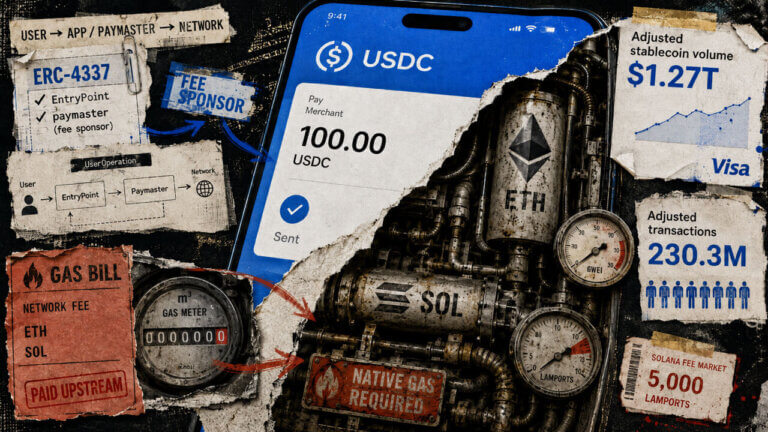
Sponsored gas removes friction for new users but shifts the financial burden to your project. User-paid gas preserves decentralization principles but creates high onboarding barriers due to ETH acquisition needs. Analyze conversion rates to determine if the increased user acquisition from sponsorship justifies the operational costs. Consider hybrid models where only the first transaction is sponsored. This balance optimizes both user experience and long-term economic viability for your platform. -
Documenting API Endpoint Requirements
Clearly define input parameters for your paymaster’s verification and pay methods. Specify required headers, authentication tokens, and expected response formats for developers integrating your service. Document rate limits and error codes to facilitate smoother debugging and integration processes. Provide SDK examples in popular languages like JavaScript and Python. Comprehensive documentation reduces support tickets and accelerates developer adoption by removing ambiguity from the integration workflow. -
Planning Mainnet Deployment Checklist
Verify all testnet simulations have passed with zero critical vulnerabilities. Ensure your gas price oracle feeds are correctly configured for the target chain. Confirm that your treasury wallet has sufficient ERC-20 tokens for initial sponsorship. Set up real-time monitoring alerts for abnormal spending patterns or failed verification rates. Execute a phased rollout to a small user group before full public access to catch any unforeseen edge cases.
Pick the right fit
Choosing a Paymaster Kit requires matching your onboarding goals with the right technical approach. The landscape splits into two main paths: full account abstraction (ERC-4337) for a seamless, gasless experience, and ERC-20 gas sponsorship where users still hold a wallet but the paymaster covers the fees. Your decision hinges on user familiarity, budget, and technical complexity.
1. Define Your Onboarding Goal Start by identifying the primary friction point you want to remove. Are you targeting users who have never held crypto? If so, full ERC-4337 sponsorship is usually the best fit, allowing them to sign with social logins or passkeys without needing ETH for gas. For existing users, ERC-20 sponsorship might suffice, letting them pay with stablecoins while still using a standard wallet.
2. Evaluate Technical Complexity ERC-4337 introduces a new account structure (Smart Accounts) that requires more infrastructure than traditional wallets. You must manage entry points, bundlers, and paymaster contracts. If your team lacks deep Solidity expertise, a hosted Paymaster Kit or a simplified ERC-20 wrapper might be more practical. The trade-off is control versus speed of deployment.
3. Check Gas Cost Predictability Paymaster operations add overhead to every transaction. ERC-20 sponsorship often incurs higher gas costs because it must execute an additional token transfer and approval logic on-chain. ERC-4337 allows for more efficient batching, potentially lowering the per-transaction cost. Use a gas estimator to model these costs against your expected transaction volume.
4. Assess User Experience (UX) Full gasless onboarding removes the need for users to acquire ETH first, which significantly lowers the barrier to entry. However, it requires users to install a new wallet or use a web3 social login. ERC-20 sponsorship works with existing wallets like MetaMask, preserving familiarity but keeping the friction of acquiring some native gas for other interactions.
5. Review Security and Liability When you sponsor gas, you assume the liability for those transactions. Ensure your Paymaster Kit has robust rate-limiting and fraud detection mechanisms to prevent abuse. ERC-4337 paymasters can implement stricter validation logic, such as requiring a signature from a trusted authority for each batch, adding a layer of security.
Examine your existing wallet integration. Determine if your current setup supports ERC-4337 user operations or if it is limited to EOA (Externally Owned Account) transactions. This audit reveals whether you need a complete wallet replacement or just a paymaster layer.
Build a simple MVP that sponsors gas for one core action. Test both ERC-4337 and ERC-20 methods side-by-side. Measure the time to complete the transaction and the actual gas costs incurred. This prototype will provide concrete data for your final decision.
Factor in not just gas, but also the cost of maintaining the paymaster contract, bundler fees, and any third-party service subscriptions. Use a cost calculator to project these expenses over 12 months based on your expected user growth.
| Feature | ERC-4337 | ERC-20 Sponsorship |
|---|---|---|
| User Onboarding | Seamless (No ETH needed) | Moderate (ETH still needed) |
| Technical Complexity | High | Low |
| Gas Efficiency | High (Batching) | Low |
| Wallet Compatibility | Smart Wallets Only | Any EOA |
6. Consider Compliance and Regulation Since this involves financial transactions, ensure your paymaster model complies with relevant regulations. ERC-4337 allows for more granular control over who can transact, which can help with KYC/AML integration. ERC-20 sponsorship is simpler but may offer less visibility into user behavior if not properly audited.
7. Test with a Small User Group Before a full rollout, launch a beta with a small group of users. Gather feedback on the onboarding flow. Did they understand the gasless experience? Were there any hiccups with token approvals? Use this feedback to refine your choice between ERC-4337 and ERC-20.
8. Plan for Scalability Choose a Paymaster Kit that can scale with your user base. ERC-4337 is designed for scalability through bundlers, but you must ensure your bundler provider can handle peak loads. ERC-20 sponsorship is less scalable due to higher gas costs per transaction, which may become prohibitive as you grow.
9. Evaluate Vendor Support If you opt for a hosted Paymaster Kit, evaluate the vendor’s support SLA and documentation quality. Look for vendors who provide clear APIs, SDKs, and examples for both ERC-4337 and ERC-20. Good support can significantly reduce development time and troubleshooting.
10. Review Community and Ecosystem A vibrant community around a Paymaster Kit can be a valuable resource. Look for active GitHub repositories, Discord channels, and forums. A strong ecosystem often means faster bug fixes, more plugins, and better community-driven solutions to common problems.
11. Check for Multi-Chain Support If you plan to deploy on multiple chains, ensure your Paymaster Kit supports them. ERC-4337 is chain-agnostic but requires separate infrastructure per chain. ERC-20 sponsorship is also chain-specific. Choose a kit that simplifies multi-chain deployment if that is part of your roadmap.
12. Analyze Security Audits Never deploy a Paymaster Kit without a recent security audit. Look for audits from reputable firms. ERC-4337 introduces new attack vectors, so the audit should specifically cover the paymaster logic, entry point interactions, and bundler coordination.
13. Assess Customization Needs Determine how much customization you need. Some Paymaster Kits are rigid, offering only predefined gas sponsorship models. Others are modular, allowing you to build custom logic for fee calculation, user eligibility, and token selection. Choose based on your unique business requirements.
14. Consider Future Upgrades Blockchain technology evolves rapidly. Choose a Paymaster Kit that is regularly updated and compatible with future EIPs. ERC-4337 is a standard that is likely to be refined over time, so ensure your kit can adapt to these changes without a complete rewrite.
15. Evaluate Integration Effort Estimate the engineering hours required to integrate the Paymaster Kit. ERC-4337 typically requires more effort due to the new account structure. ERC-20 sponsorship is often a simpler drop-in replacement. Balance this effort against the expected improvement in user metrics.
16. Look for Analytics and Monitoring Good Paymaster Kits provide dashboards for monitoring gas usage, user activity, and error rates. Analytics are crucial for optimizing your sponsorship strategy and identifying potential issues early. Choose a kit that offers robust monitoring tools.
17. Review Token Support If you choose ERC-20 sponsorship, check which tokens are supported. Some kits allow any ERC-20, while others are limited to a whitelist. Ensure the supported tokens align with your users’ preferences and your business model.
18. Test Error Handling Robust error handling is critical for a good user experience. Test how your Paymaster Kit handles failed transactions, network congestion, and insufficient funds. Ensure that users receive clear, actionable error messages rather than cryptic code.
19. Evaluate Documentation Quality Comprehensive documentation is a sign of a mature project. Look for clear guides, API references, and code examples. Good documentation can save you days of development time and help your team onboard faster.
20. Make a Final Decision Weigh all the factors: user experience, technical complexity, cost, security, and scalability. There is no one-size-fits-all solution. Choose the Paymaster Kit that best aligns with your specific goals and constraints. Remember, you can always iterate and switch later if needed.
FAQ: Automating ERC-20 Gas Sponsorship
Helpful gear
Use these product recommendations as a starting point, then choose the size, material, and price point that fit how you actually use the gear.


As an Amazon Associate, we may earn from qualifying purchases.
No comments yet. Be the first to share your thoughts!