
What a Paymaster Kit Does
In the context of ERC-4337, a paymaster kit is smart contract infrastructure that allows decentralized applications (dapps) and wallets to cover transaction fees on behalf of the signer. This system enables developers to subsidize gas costs, removing the friction of requiring users to hold native tokens like ETH or MATIC to interact with a protocol. It is important to distinguish this from legacy financial definitions; a crypto paymaster is not a payroll service or a check-writing entity, but a specialized smart contract layer.
The core function of a paymaster is to pay for transaction fees in ERC-20 tokens or stablecoins rather than just the native network token. This capability allows users to pay for gas using the same tokens they use for trading or holding, significantly improving the user experience. By abstracting away the need for native currency, paymasters enable smoother onboarding for users who might otherwise struggle with the complexity of acquiring multiple types of cryptocurrency.
Top paymaster kits for 2026
Selecting the right paymaster infrastructure depends on whether you prioritize ease of integration or granular control over user operations. The ERC-4337 standard has matured, allowing developers to sponsor gas fees in ERC-20 tokens or stablecoins rather than requiring native chain tokens. This shift significantly lowers the barrier to entry for users who may not hold ETH or SOL.
When evaluating kits, focus on their handling of smart accounts and their ability to process user operations efficiently. The following options represent the current standard for developers building gasless experiences.
OpenZeppelin Account Abstraction Kit
OpenZeppelin provides a robust set of contracts and tools that simplify the deployment of ERC-4337 smart accounts. Their kit is designed for teams that need a secure, audited foundation to build upon without reinventing the wheel. It includes pre-built paymaster logic that can be customized to sponsor fees based on specific conditions, such as user balance or transaction frequency.
The kit supports modular paymasters, allowing you to implement complex logic for fee payment. For example, you can enable users to pay gas fees in USDC while the paymaster settles the actual network cost in ETH. This flexibility is critical for dApps targeting global audiences with diverse token holdings.
Alchemy Paymaster Service
Alchemy offers a managed paymaster solution that abstracts away much of the infrastructure complexity. Instead of deploying and maintaining your own paymaster contracts, you can integrate Alchemy’s API to cover transaction fees seamlessly. This approach is ideal for teams that want to launch gasless features quickly without managing node infrastructure or contract upgrades.
The service supports ERC-20 fee payments, allowing users to pay for transactions in stablecoins. Alchemy handles the backend logic for batching and submitting user operations to the bundler, ensuring high throughput and reliability. This managed approach reduces operational overhead and allows developers to focus on product features rather than infrastructure maintenance.
SafeWallet Paymaster Integration
SafeWallet provides a widely adopted smart account standard with built-in paymaster support. Their integration is particularly strong for multi-signature wallets and enterprise applications where security and governance are paramount. Safe’s paymaster module allows organizations to sponsor transactions for their employees or members, ensuring that wallet usage remains frictionless.
The integration is compatible with the ERC-4337 standard, making it easy to connect with existing bundlers and paymaster services. Safe’s extensive documentation and community support make it a reliable choice for teams building complex, security-focused applications. The modular design allows for custom fee payment logic while maintaining the core security guarantees of the Safe protocol.
Comparison of Key Features
| Feature | OpenZeppelin Kit | Alchemy Service | Safe Integration |
|---|---|---|---|
| Control Level | High (Self-hosted) | Low (Managed) | Medium (Hybrid) |
| ERC-20 Support | Yes | Yes | Yes |
| Setup Complexity | Medium | Low | Medium |
| Best For | Custom Logic | Speed to Market | Enterprise/Multi-sig |
Related Development Tools

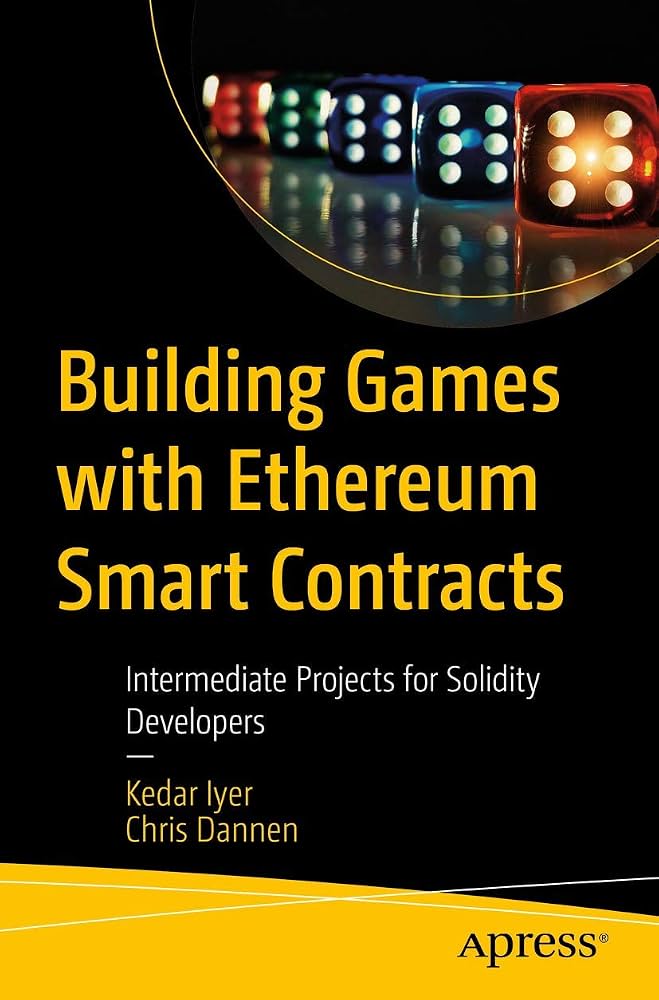

As an Amazon Associate, we may earn from qualifying purchases.
ERC-20 vs. native gas sponsorship
ERC-4337 paymasters allow applications to cover transaction fees on behalf of the signer. This sponsorship can be settled in two distinct ways: using the chain's native token (like ETH) or using an ERC-20 token (like USDC). Choosing the right model depends on how you want to handle liquidity, user experience, and settlement costs.
Native gas sponsorship
In this model, the paymaster contract holds a reserve of the native currency (e.g., ETH on Ethereum, MATIC on Polygon). When a user submits an operation, the bundler pays the gas upfront, and the paymaster reimburses the bundler from its native balance. This approach is simpler to implement because it doesn't require complex token approvals or exchange logic within the smart contract. It is ideal for applications that want to subsidize gas as a marketing expense or for networks where the native token is stable and liquid.
ERC-20 token sponsorship
ERC-20 paymasters allow users to pay gas fees in tokens such as USDC or DAI. This is often preferred for user experience, as it decouples gas payments from the volatile native asset. However, it introduces complexity: the paymaster must hold the ERC-20 tokens, and the smart contract must include logic to handle token transfers, approvals, and potentially convert tokens to native gas for the bundler. Projects like MetaMask Smart Accounts support this pattern, enabling users to pay for transactions in stablecoins without needing the native token in their wallet.
| Feature | Native Gas (ETH) | ERC-20 (USDC) |
|---|---|---|
| Implementation | Simpler logic | Requires token handling |
| User Experience | User needs native token | No native token needed |
| Settlement | Direct from contract | Requires conversion/approval |
| Liquidity Risk | Volatile asset risk | Stablecoin peg risk |
The choice between these modes affects your operational overhead. Native gas sponsorship is faster to deploy but requires users to always have some native token for base fees if the paymaster doesn't cover everything. ERC-20 sponsorship offers a smoother onboarding experience for users who hold stablecoins but lack native gas, though it demands more robust contract logic and liquidity management.
Integrate a paymaster kit
Before writing code, distinguish the crypto paymaster from legacy financial models. In traditional payroll, a paymaster distributes funds to employees. In account abstraction, a paymaster acts as a gas sponsor for Smart Accounts, allowing users to transact without holding native tokens. This distinction is critical for setting the correct technical architecture.
The integration workflow focuses on linking your dApp’s frontend to a Smart Account provider like Safe or MetaMask, and then configuring a paymaster contract to authorize gas payments. The following steps outline the standard deployment and testing process.
Begin by integrating a Smart Account SDK, such as SafeCore or Alchemy Account Kit. These tools handle the complex logic of ERC-4337 bundlers and entry points. Configure your frontend to generate user operations (UserOps) that include the paymaster’s address and signature data in the paymasterAndData field.
Deploy a paymaster contract on your target chain. For ERC-20 gas payments, use an OpenZeppelin implementation or a verified template from the Alchemy documentation. Ensure the contract is whitelisted on the entry point contract and has sufficient native token balance to cover gas costs for your users.
Implement the logic that determines when the paymaster covers fees. This often involves verifying a signature from your backend or checking if the user holds a minimum balance of an ERC-20 token. The paymaster must validate these conditions before signing the user operation to prevent unauthorized gas sponsorship.
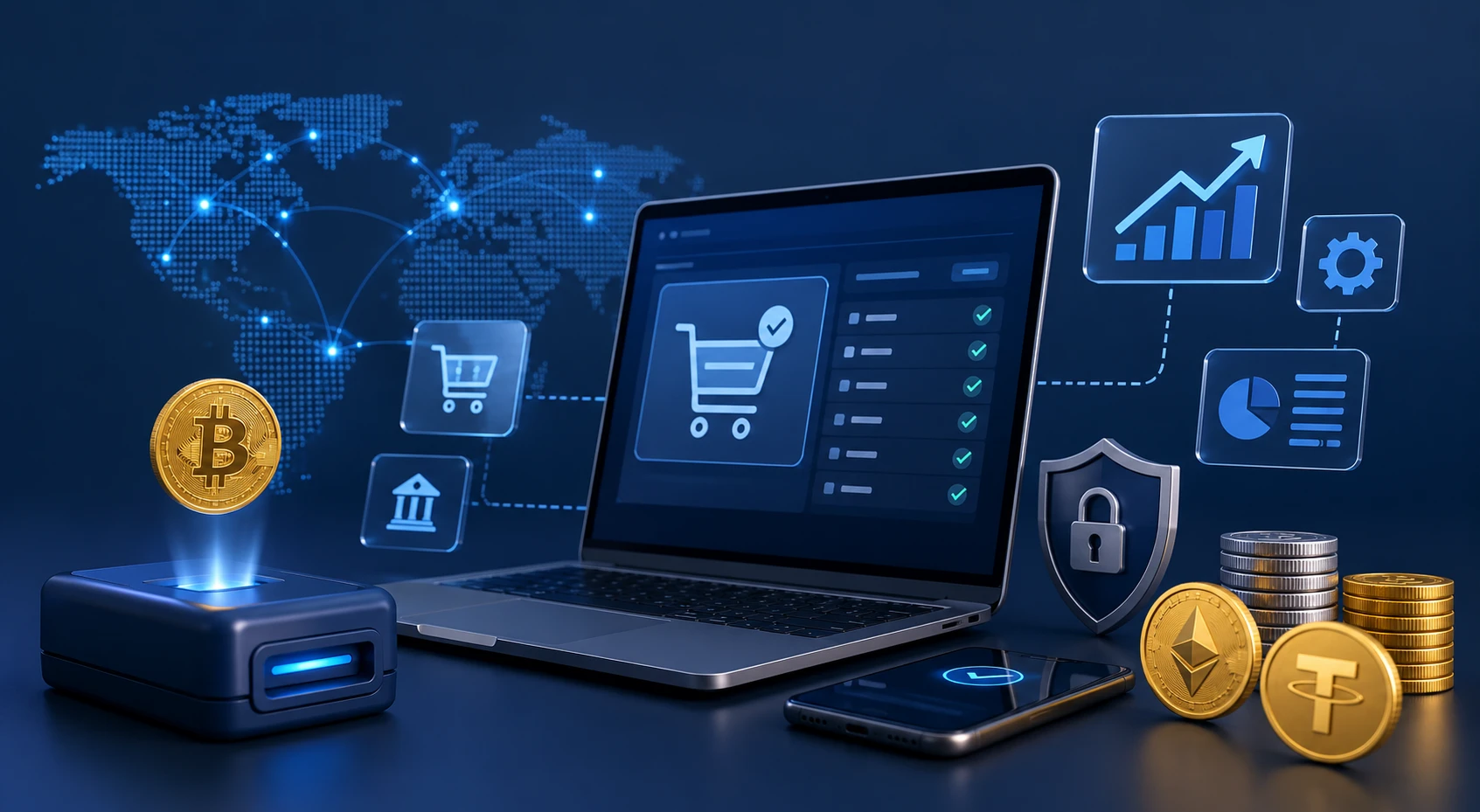
Use a staging environment with a dedicated bundler to test UserOps before mainnet deployment. Verify that the paymaster correctly handles signature verification, nonce management, and gas limit calculations. Check that the transaction reverts gracefully if the user lacks sufficient ERC-20 balance or if the signature is invalid.
Once tested, connect your dApp to the mainnet bundler. Users can now interact with your contract using ERC-20 tokens for gas, significantly lowering the barrier to entry. Monitor gas usage and adjust the paymaster’s balance and authorization thresholds based on real-world transaction volumes.
Common paymaster integration: what to check next
When building with ERC-4337, developers often confuse modern account abstraction paymasters with legacy financial roles. A crypto paymaster is a smart contract that covers transaction fees on behalf of the user, allowing dapps to subsidize gas costs. This enables features like gasless transactions or paying gas in ERC-20 tokens rather than the native chain asset.
The primary purpose of this mechanism is to remove friction for users who do not hold native tokens. By integrating a paymaster, developers can abstract away the complexity of wallet funding, making the dapp feel more like a traditional web application.
Technical claims regarding ERC-4337 mechanics are based on official documentation from Alchemy and OpenZeppelin. Always verify implementation details against the latest AA spec.
No comments yet. Be the first to share your thoughts!