
What is a paymaster in 2026?
A paymaster is a smart contract under the ERC-4337 account abstraction standard that pays gas on behalf of a user operation. This mechanism decouples the act of transacting from the requirement of holding native tokens, such as ETH, to cover network fees. For users, it means interacting with decentralized applications without needing to manage external wallets or keep a balance of base currency.
The paymaster acts as a sponsor, covering the computational costs of executing a transaction while the user provides the actual data or signature. This abstraction allows applications to subsidize fees, implement social recovery, or offer gas-less experiences entirely on-chain. The standard defines how these contracts interact with the bundler and the entry point contract to ensure security and proper validation.
By standardizing this interaction, ERC-4337 enables developers to build more intuitive interfaces. Users see a seamless experience where they sign a message, and the paymaster handles the rest, including fee payment and execution. This shift is foundational for mass adoption, removing the friction of token acquisition for everyday users.
Three core paymaster models
ERC-4337 introduces three distinct paymaster implementations, each solving a different friction point in user onboarding. The right model depends on your business logic: whether you want to subsidize costs entirely, leverage existing token balances, or enforce strict compliance checks before allowing transactions.
Sponsorship Model
The sponsorship model acts as a full gas subsidy. The paymaster contract covers the entire transaction fee, allowing users to execute operations with zero native token balance. This is the standard approach for marketing campaigns, airdrop claims, or beta testing phases where removing the barrier to entry is the primary goal. Users interact with the dApp as if they already own the blockchain, significantly lowering the cognitive load of wallet management.
ERC-20 Paymaster Model
The ERC-20 paymaster allows users to pay gas fees using standard tokens like USDC or DAI instead of the native chain token. This model requires an allowance mechanism where users approve the paymaster to spend their tokens. It is ideal for platforms that want to maintain a native token economy while offering a familiar payment method. Users see their token balance decrease rather than their ETH balance, which can feel more intuitive for those accustomed to traditional payment flows.
Verifying Paymaster Model
The verifying paymaster does not necessarily pay for gas itself; instead, it validates that a user meets specific criteria before the bundler includes the transaction. This is often used for compliance, such as verifying a user’s KYC status or ensuring they hold a specific NFT. The paymaster returns a signature that proves eligibility, but the actual gas payment might still come from the user or a separate sponsor. This model is critical for regulated industries where transaction access must be gated by identity or ownership.
Comparison of Paymaster Models
| Model | Gas Source | User Experience | Compliance Complexity |
|---|---|---|---|
| Sponsorship | Paymaster Contract | Zero friction, no native token needed | Low |
| ERC-20 Paymaster | User Token Balance | Familiar token payments, requires approval | Medium |
| Verifying Paymaster | Variable (User or Sponsor) | Depends on underlying gas model | High |
Top paymaster kits for 2026
The ERC-4337 standard has standardized how smart accounts interact with the network, but the implementation layer remains fragmented. Developers now choose from specialized toolkits that abstract the complexity of bundlers, entry points, and verification logic. For 2026, the market has consolidated around a few robust solutions that prioritize developer experience and user onboarding.
Paymaster Kit
Paymaster Kit offers a streamlined implementation of the ERC-4337 standard, focusing on ease of integration for dApps. It provides pre-built contracts and SDKs that handle the heavy lifting of gas sponsorship, allowing developers to deploy a functional paymaster in minutes rather than weeks. The kit supports both native ETH sponsorship and ERC-20 token-based fees, making it versatile for different business models.
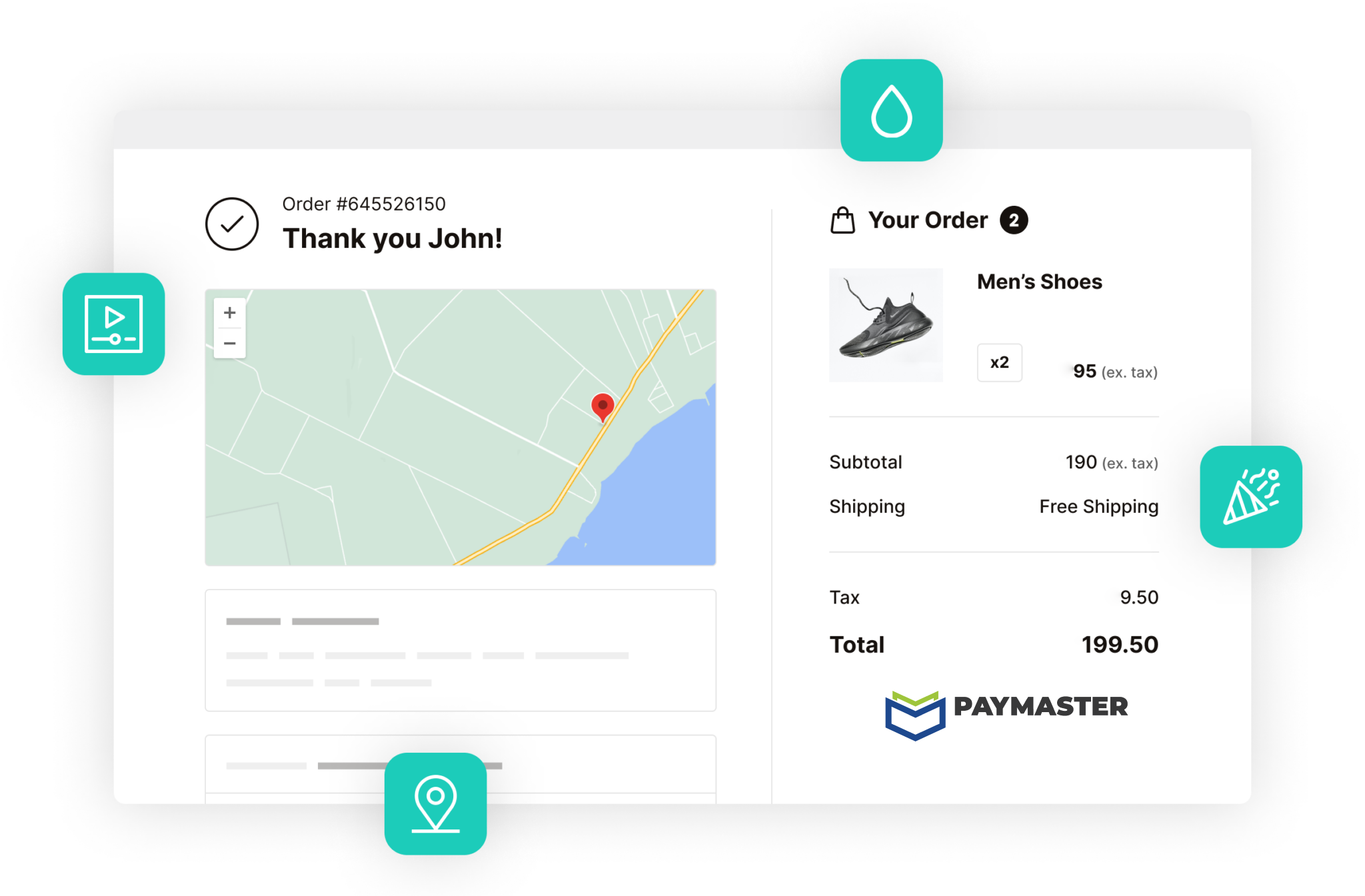
The solution is designed to be modular, meaning teams can swap out specific components like the verification logic or the payment oracle without rewriting the entire stack. This modularity is critical for maintaining security and adapting to changing gas market conditions. The official documentation provides clear examples for both simple sponsorship and more complex conditional payment scenarios. For a visual reference of the integration flow, see the implementation overview below.
MetaMask Smart Accounts Integration
MetaMask’s integration with ERC-4337 introduces a native paymaster experience for millions of users. This approach leverages MetaMask’s existing infrastructure to sponsor gas fees, often in exchange for ERC-20 tokens like USDC. For developers, this means tapping into a massive installed base without requiring users to install new wallets or manage complex key pairs.
The primary advantage here is user friction reduction. Users already trust MetaMask, so the transition to smart account functionality is seamless. MetaMask provides specific tutorials and SDKs to help dApps implement ERC-20 paymaster logic, ensuring that gas fees can be paid in stablecoins rather than volatile native tokens. This reduces the barrier to entry for non-crypto-native users who may not hold ETH for gas. The official MetaMask developer portal details the technical requirements for this integration.
Why Gas Volatility Matters
The choice of paymaster kit is often driven by the need to manage gas cost volatility. When users pay in native ETH, sudden spikes in gas prices can break sponsorship budgets or deter users. Kits that support ERC-20 sponsorship allow developers to peg gas costs to stable assets, providing predictable pricing. This stability is essential for maintaining user retention during market turbulence.
To understand the economic impact of gas volatility, consider the price movement of ETH relative to stablecoins. A provider-backed chart helps contextualize why sponsorship models matter.
Selecting the Right Solution
When evaluating paymaster kits for 2026, focus on three criteria: documentation quality, community support, and flexibility of payment methods. Paymaster Kit excels in modularity and self-hosting options, ideal for teams requiring full control. MetaMask’s integration is superior for consumer-facing apps where user acquisition and wallet familiarity are paramount. Both solutions are legitimate implementations of the ERC-4337 standard, but they serve different architectural needs.
Automating tax compliance for gas sponsorship
When a paymaster covers transaction fees, the gas cost becomes a taxable event for the user, even if they never touched the cryptocurrency themselves. This creates a reporting headache: tax software must identify who paid the gas, calculate the fair market value at the exact second of the transaction, and record the expense without cluttering the user’s wallet history with noise.
Modern ERC-4337 kits solve this by embedding structured metadata directly into the EntryPoint contract logs. Instead of relying on manual tagging or fuzzy on-chain analysis, developers can configure the paymaster to emit standardized tax events. This allows compliance tools to automatically categorize gas sponsorship as a business expense or cost basis adjustment, ensuring accurate reporting without requiring the user to manually input data.
To ensure your implementation aligns with current tax authority expectations, verify that your smart accounts log the following details for every sponsored transaction:
- Beneficiary address: The user receiving the sponsored service.
- Gas cost in USD: The fiat value of the gas paid at the time of execution.
- Token address: The specific asset used to pay the gas (e.g., USDC, ETH).
- Timestamp: The block timestamp for accurate cost basis calculation.
This automated data capture transforms gas sponsorship from a compliance liability into a seamless user experience. By handling the heavy lifting of tax data generation, your application stays ahead of regulatory scrutiny while keeping the interface clean for the end user.
Common questions about paymasters
Is a paymaster legitimate?
Yes, a paymaster is a legitimate smart contract under the ERC-4337 account abstraction standard. It acts as a sponsor that pays gas fees on behalf of a user operation, allowing users to interact with dApps without holding native ETH. This mechanism is now a foundational part of the Ethereum ecosystem, supported by major wallet providers like MetaMask.
What qualifications do paymasters need?
Paymasters do not require individual licenses or professional certifications. Instead, they must be deployed as compliant smart contracts that adhere to the ERC-4337 specification. Developers must ensure the contract can handle signature verification, gas payment logic, and user operation bundling correctly to function within the mempool.
What is paymaster payment?
Paymaster payment refers to the process where a sponsor covers the transaction costs for a user. This can be done in native ETH or via ERC-20 tokens, such as USDC. By abstracting away the need for native gas tokens, paymasters enable seamless onboarding for users who are unfamiliar with blockchain mechanics.
What are the benefits of using a paymaster?
The primary benefit is improved user experience by removing the friction of acquiring native gas tokens. Paymasters also enable flexible monetization models for developers, such as gasless transactions for premium features or token-based fee payments. This reduces churn and increases accessibility for new crypto users.
Helpful gear
Use these product recommendations as a starting point, then choose the size, material, and price point that fit how you actually use the gear.

As an Amazon Associate, we may earn from qualifying purchases.
No comments yet. Be the first to share your thoughts!