
Why paymaster kits matter for onboarding
Use this section to make the Best Paymaster Kits for Web3 Onboarding and Gas Sponsorship decision easier to compare in real life, not just on paper. Start with the reader's actual constraint, then separate must-have requirements from details that are merely nice to have. A practical choice should survive normal use, maintenance, timing, and budget. If a recommendation only works in an ideal situation, call that out plainly and give the reader a fallback path.
The simplest way to use this section is to write down the must-have criteria first, then compare each option against those criteria before weighing nice-to-have features.
Top paymaster kit solutions for 2026
Use this section to make the Best Paymaster Kits for Web3 Onboarding and Gas Sponsorship decision easier to compare in real life, not just on paper. Start with the reader's actual constraint, then separate must-have requirements from details that are merely nice to have. A practical choice should survive normal use, maintenance, timing, and budget. If a recommendation only works in an ideal situation, call that out plainly and give the reader a fallback path.
The simplest way to use this section is to write down the must-have criteria first, then compare each option against those criteria before weighing nice-to-have features.
Setting up your paymaster integration
Integrating a paymaster kit is the bridge between a smart account and a frictionless user experience. Instead of forcing users to manage native gas tokens, your smart account delegates this burden to a smart contract that pays for operations on their behalf. This setup relies on ERC-4337 standards, allowing developers to sponsor transactions or allow users to pay gas with ERC-20 tokens like USDC.
The integration workflow follows a logical progression from provider selection to live deployment. You must first choose a provider that aligns with your target chain and liquidity needs. Then, you configure the smart account to recognize the paymaster, define the gas limits, and rigorously test the flow on a testnet before touching mainnet funds.
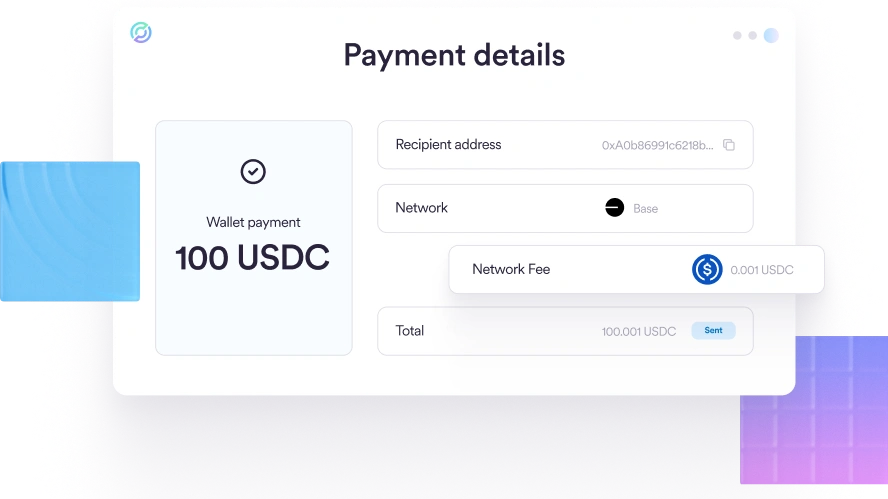
Start by evaluating providers like Alchemy, Biconomy, or Stackup. Your choice depends on the supported chains, gas abstraction models (ERC-20 vs. native sponsorship), and API reliability. Review their documentation for SDK compatibility with your existing stack to ensure a smooth handoff during the integration phase.
Update your smart account configuration to include the paymaster’s contract address and entry point. If you are implementing ERC-20 gas payments, ensure your smart account has the necessary allowance functions to approve the paymaster to spend the user’s tokens for gas fees. This step links the user’s wallet to the sponsorship logic.
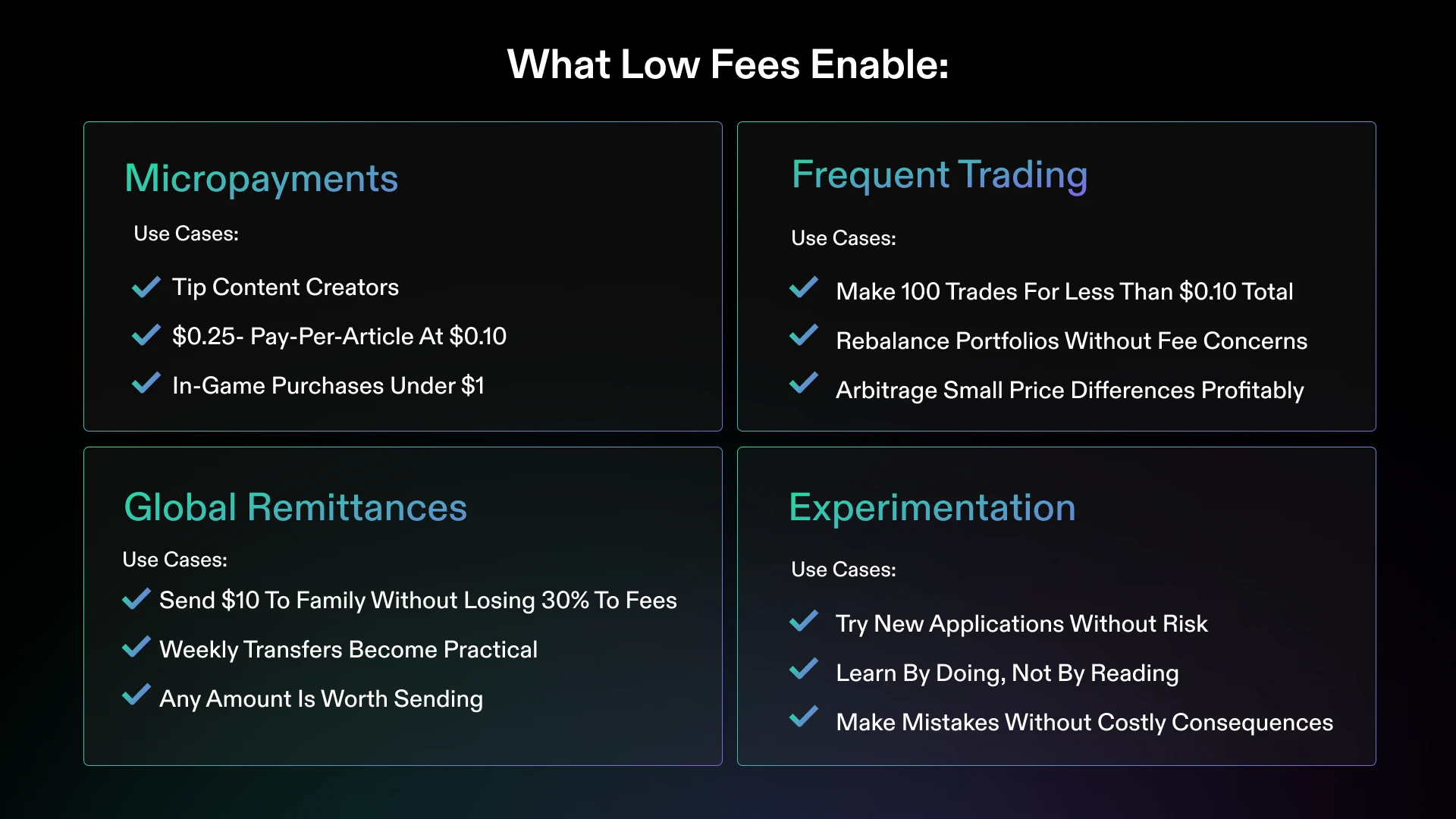
Define the boundaries of your sponsorship. You can set fixed gas limits per transaction or implement dynamic limits based on user balance or transaction type. Configure the paymaster’s smart contract to validate these limits, ensuring you do not over-spend on gas for complex user operations while maintaining a seamless experience for the end user.
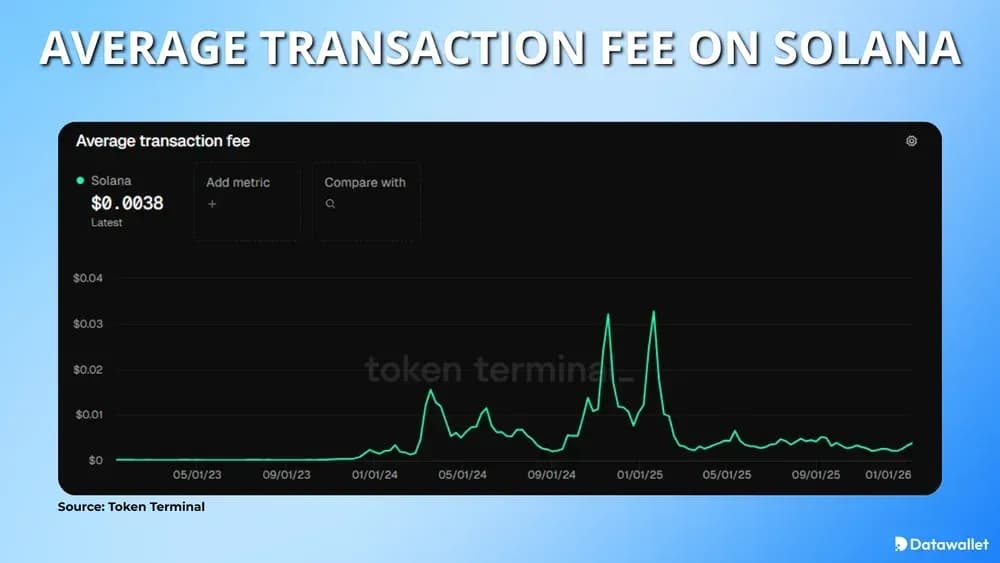
Deploy your updated smart account and paymaster configuration to a testnet like Sepolia or Goerli. Run end-to-end tests to verify that transactions are correctly sponsored and that the ERC-20 approval flow works as expected. Check the transaction receipts to ensure gas fees are being deducted from the correct sources and that no errors occur during validation.
Once testing is successful, deploy the paymaster contract to the mainnet. Update your frontend to point to the mainnet entry point and contract addresses. Monitor the first few live transactions closely to ensure gas estimation is accurate and that the sponsorship logic holds up under real-world network conditions.


As an Amazon Associate, we may earn from qualifying purchases.
Common integration mistakes to avoid
Even with robust paymaster kits, implementation errors can break user onboarding or expose your smart accounts to exploits. Most failures stem from treating the paymaster as a simple payment processor rather than a complex validation layer in the ERC-4337 stack. Avoid these specific technical pitfalls to ensure a smooth developer experience.
Incorrect gas limit configuration
One of the most frequent errors is setting static gas limits for user operations. If your paymaster logic involves complex validation or token swaps, a fixed limit may cause transactions to revert mid-execution. Always implement dynamic gas estimation or add a sufficient buffer to the preVerificationGas and gasLimit fields. This ensures the bundler has enough resources to process the entire operation without failing.
Flawed validation logic
Your paymaster’s validatePaymasterUserOp function must strictly adhere to the ERC-4337 specification. A common mistake is returning invalid signatures or failing to handle edge cases like expired nonces. If your validation logic is too permissive, you risk enabling replay attacks. Conversely, if it’s too strict, legitimate transactions will be rejected by the bundler. Test your logic against the official Alchemy ERC-4337 documentation to ensure compliance.
Ignoring ERC-20 allowance flows
When using ERC-20 paymasters, such as those supported by MetaMask Smart Accounts, you must correctly handle token approvals. Developers often forget to implement a secure allowance mechanism, leading to failed gas payments. Ensure your contract properly checks and updates the user’s ERC-20 allowance before sponsoring the transaction. This step is critical for maintaining user trust and preventing transaction failures.
Security vulnerabilities in sponsorship
Never sponsor transactions for arbitrary addresses without verifying the user’s eligibility. A common vulnerability is allowing any address to trigger gas sponsorship, which can lead to resource exhaustion or financial loss. Implement proper access controls and rate limiting in your paymaster contract. Regular audits are essential to identify and patch these security gaps before they impact your users.
As an Amazon Associate, we may earn from qualifying purchases.
Frequently asked questions about paymaster kits
What is the purpose of a paymaster in Web3?
In the context of ERC-4337 and smart accounts, a paymaster acts as a sponsor for user operations. Instead of requiring users to hold native gas tokens (like ETH) to pay for transaction fees, the paymaster covers these costs. This enables critical onboarding features, such as allowing users to pay gas fees in ERC-20 tokens (e.g., USDC) or sponsoring fees entirely for new users. This removes the friction of acquiring crypto before interacting with a dApp.
How much does a paymaster kit cost to integrate?
For Web3 gas sponsorship, most paymaster kits (such as those from Biconomy or Paymaster.com) charge based on a per-operation fee model rather than a percentage of transaction value. Costs typically range from $0.001 to $0.01 per sponsored transaction, depending on network congestion and the specific provider's volume tiers. Unlike traditional escrow paymasters that charge basis points on large sums, Web3 paymasters are optimized for high-volume, low-value micro-transactions.
How do I set up a paymaster account for my dApp?
Setting up a paymaster usually involves three steps. First, register your project on a provider's dashboard (like Alchemy, Biconomy, or Stackup) to obtain API keys. Second, deploy the paymaster smart contract to your target testnet or mainnet. Third, integrate the provider's SDK into your frontend to route user operations through the paymaster. Most providers offer pre-built React hooks that simplify the integration of gas sponsorship logic into MetaMask or other smart accounts.
Are there developer tools to help manage paymaster keys?
Managing the private keys for your paymaster contract requires secure infrastructure. While specific "paymaster key managers" are rare, developers often use tools like Hardhat or Foundry for local testing and deployment. For production key storage, integrating with services like AWS KMS or HashiCorp Vault is standard practice to ensure the sponsor funds remain secure. You can also use existing wallet abstraction libraries that abstract away the complexity of handling these keys.

As an Amazon Associate, we may earn from qualifying purchases.
No comments yet. Be the first to share your thoughts!