
What is a paymaster kit 2026
A paymaster kit 2026 serves as the operational backbone for gas sponsorship within the ERC-4337 account abstraction standard. At its core, a paymaster is a smart contract that pays the gas fees for a user's transaction, allowing the end user to interact with decentralized applications without needing to hold the native blockchain token. This shift fundamentally changes how users experience Web3, removing the friction of funding multiple wallets with different native currencies.
The primary function of this kit is to enable dApps and wallets to sponsor these user operations seamlessly. By integrating a paymaster, developers can implement various sponsorship models. Some contracts allow users to pay gas fees using ERC-20 tokens or stablecoins, effectively decoupling transaction costs from the volatility of the native chain asset. Others may offer fully subsidized transactions for specific marketing campaigns or user onboarding flows.
Implementing a paymaster kit involves more than just setting up a contract; it requires configuring the logic for who pays, when they pay, and under what conditions. This includes handling signature validation for account abstraction and managing the reimbursement flow between the paymaster and the bundler. The kit provides the necessary tools to ensure these transactions are validated correctly and submitted to the mempool, maintaining the integrity of the account abstraction model while delivering a smoother user experience.
Choose a paymaster kit 2026 provider
Selecting the right infrastructure is the foundation of your gas sponsorship strategy. A paymaster kit 2026 provider must handle the specific chains your users frequent while offering SDKs that integrate cleanly with your existing stack. The goal is to reduce user friction without introducing complex backend maintenance.
When evaluating options, prioritize three factors: chain support, SDK documentation quality, and pricing transparency. Some providers specialize in EVM-compatible chains like Ethereum and Polygon, while others support L2s like Arbitrum or Optimism. Ensure the provider supports the exact networks your application targets.
SDK quality directly impacts development speed. Look for providers with clear TypeScript definitions, error handling, and example code. Poorly documented SDKs can delay your launch by weeks as you troubleshoot integration issues. Official documentation should be the primary source for integration steps.
Pricing models vary significantly. Some providers charge a flat monthly fee, while others take a percentage of gas costs or charge per transaction. For high-volume applications, per-transaction pricing may be more cost-effective. For low-volume or testing environments, flat fees might be simpler to budget.
| Provider | Chains | SDK Type | Pricing | Docs Quality |
|---|---|---|---|---|
| Paymaster Kit 2026 | EVM, L2s | TypeScript, Python | Per Tx | Official |
| Biconomy | EVM, L2s | TypeScript, Rust | Free Tier + Pay | Extensive |
| Stackup | EVM, L2s | TypeScript | Free Tier + Pay | Good |
| Alchemy Paymaster | EVM, L2s | TypeScript | Free Tier + Pay | Strong |
Integrate the smart account SDK
Connecting your application to a gas sponsorship system requires bridging the client-side interface with the on-chain execution layer. This section outlines the precise steps to initialize the smart account and attach the paymaster SDK, ensuring that UserOperations are correctly routed through the bundler.
1. Install SDK Dependencies
Begin by adding the necessary packages to your project. For most EVM-compatible chains, you will need the specific smart account SDK (such as SafeWallet or Biconomy) and the paymaster client library. These dependencies handle the cryptographic signing and transaction encoding required for account abstraction.
npm install @safe-global/safe-core-sdk @safe-global/safe-ethers-lib
npm install @openzeppelin/contracts
2. Initialize the Smart Account Instance
Create a singleton instance of your smart account. This object acts as the user's identity on-chain. You must provide the signer (usually the user's wallet or a session key) and the chain configuration. The SDK will fetch the current account nonce and address from the blockchain to ensure transaction validity.
3. Configure the Paymaster SDK
Attach the paymaster module to the smart account instance. This step involves passing your API key or contract address for the gas sponsorship service. The SDK will now intercept outgoing transactions and request the necessary ERC-20 allowance or signature verification from the paymaster contract before broadcasting.
4. Test UserOperation Flow
Verify the integration by executing a test transaction. Monitor the UserOp hash to ensure the bundler accepts the operation. Check that the gas fees are deducted from your sponsor's balance rather than the user's native token balance. This step confirms that the paymaster is correctly validating and sponsoring the gas.
Configure gas sponsorship logic
Configuring a Paymaster Kit 2026 for gas sponsorship involves defining how your application covers transaction costs. The core decision is whether to subsidize gas using native tokens (like ETH or MATIC) or ERC-20 tokens (such as USDC). This choice dictates the smart contract logic you must implement and the user experience you deliver.
When you select an ERC-20 paymaster, the paymaster contract holds the tokens required to pay validators. The user signs a transaction approving the paymaster to spend a specific amount of their ERC-20 balance. The paymaster then uses these funds to settle the gas fees on the user's behalf. This approach allows users to interact with your dapp without needing native currency in their wallet, removing a significant barrier to entry.
If you choose native token sponsorship, the logic is simpler. The paymaster contract must hold a balance of the native chain token. When a user initiates a transaction, the paymaster contract pays the validator directly from its treasury. This method is often preferred for high-volume applications where simplicity and lower overhead are priorities, as it avoids the additional complexity of token approval flows.
To implement ERC-20 sponsorship effectively, ensure your smart account integration handles the permit signature correctly. MetaMask Smart Accounts, for example, provide built-in support for ERC-20 paymasters, streamlining the process of allowing users to pay gas in stablecoins. Always test your configuration on a testnet to verify that the gas deduction logic aligns with your business model and that users can successfully complete transactions without unexpected errors.
For detailed implementation steps, refer to the official MetaMask documentation on using an ERC-20 paymaster. This resource provides code examples and best practices for integrating ERC-20 gas sponsorship into your application.
Test the paymaster flow
Before deploying to mainnet, verify that the paymaster kit 2026 correctly sponsors gas for user operations. This validation ensures your smart account interacts with the paymaster contract as expected, preventing failed transactions or unexpected user costs.
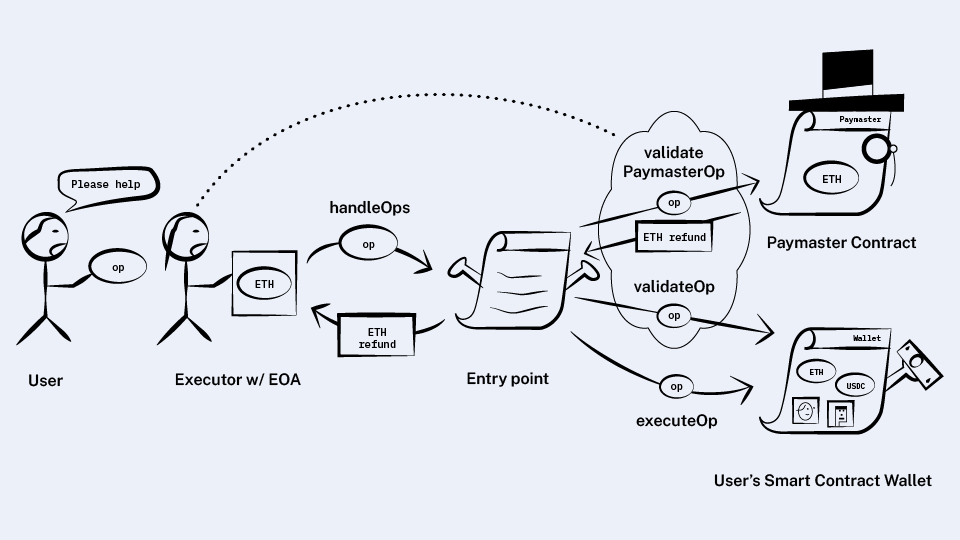
Deploy your paymaster contract to a testnet like Sepolia or Goerli. Ensure you have sufficient ETH to cover the minimal gas required for deployment and initial setup.
Set up your SDK to construct UserOps with the correct paymaster address and data. Verify that the paymasterAndData field is populated correctly according to ERC-4337 standards.
Send a simple transaction, such as a native token transfer, through your smart account. Monitor the mempool to confirm the bundler picks up the operation.
Check the transaction receipt on the block explorer. Confirm that the beneficiary (the paymaster) paid the gas fees and that the user account balance remains unchanged.
If the transaction fails, check the bundler logs for PaysMasterValidationFailed errors. This usually indicates incorrect paymaster data or insufficient stake in the contract.
Helpful gear
Use these product recommendations as a starting point, then choose the size, material, and price point that fit how you actually use the gear.


As an Amazon Associate, we may earn from qualifying purchases.
No comments yet. Be the first to share your thoughts!