

In February 2026, with Ethereum's price holding at $2,276.37 after a 1.80% dip over the past 24 hours, the blockchain's ecosystem pulses with innovation that shields users from such volatility. ERC-4337 paymasters have emerged as the linchpin for gasless transactions 2026, transforming DeFi from a niche playground into a mainstream arena. No longer do users need to juggle ETH balances amid price swings between $2,115.33 and $2,329.15; instead, protocols foot the bill, sponsoring fees via smart contracts. This shift, backed by over 99% of UserOperations leveraging paymasters and $430,000 in sponsored gas, underscores a pragmatic evolution in account abstraction paymasters.
The Mechanics of ERC-4337 Paymasters in Action
At their core, ERC-4337 paymasters are smart contracts that validate and sponsor UserOperations, the bundled pseudo-transactions that power account abstraction. Unlike pre-ERC-4337 eras where ETH was mandatory for gas, paymasters introduce flexibility: protocols pay fees directly or accept ERC-20 tokens like USDC. This isn't mere convenience; it's a fundamental redesign. Consider the economics: developers hedge against user drop-off by absorbing costs, much like commodity hedgers lock in oil prices to stabilize supply chains.
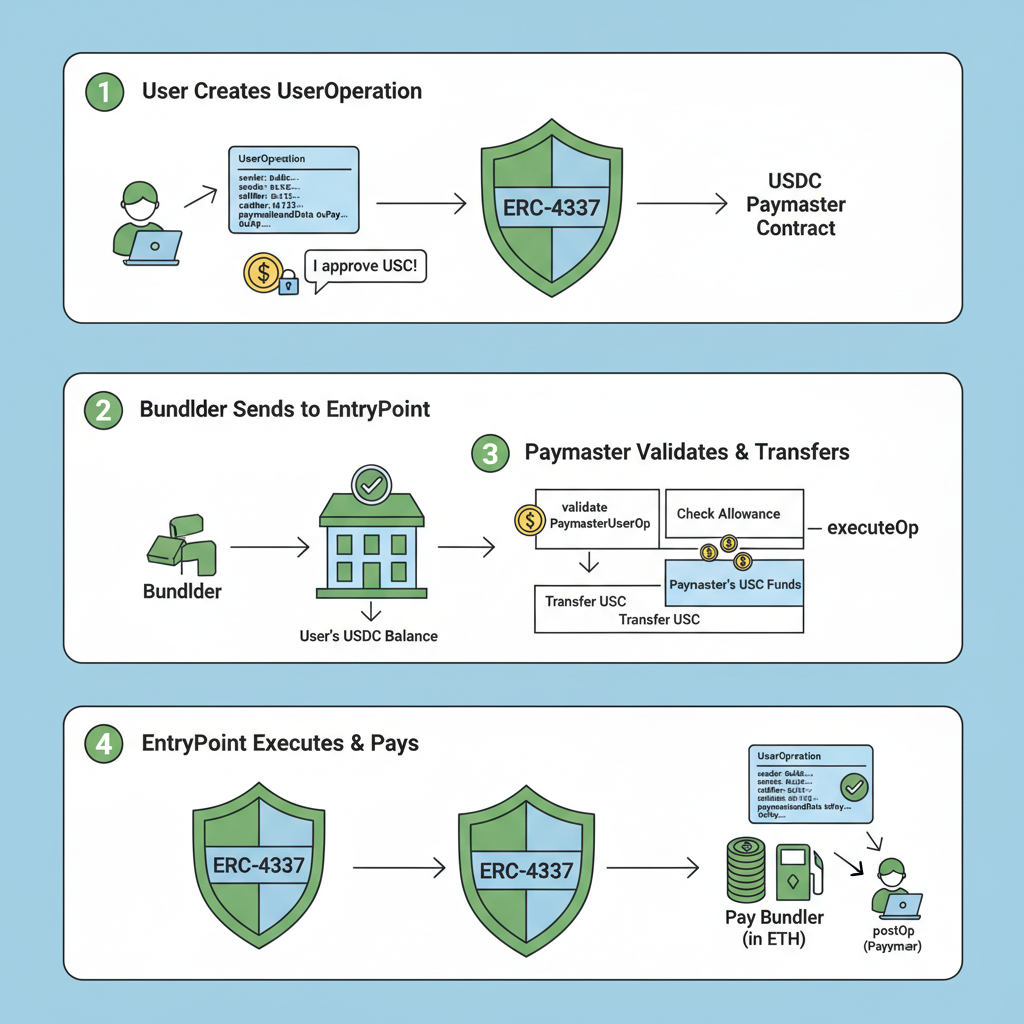
Paymasters enforce rules via two key functions: validatePaymasterUserOp checks eligibility, while postOp handles post-execution accounting. Staking mechanisms ensure bundlers trust paymasters, preventing spam. In 2026, this infrastructure supports gas sponsorship DeFi across chains, with Gelato's services spanning 100 and networks and Circle enabling USDC payments on Ethereum, Arbitrum, and Polygon. Adoption stats reveal the impact: applications have sponsored over $430,000 in fees, proving paymasters boost retention without subsidizing abuse.
From a pragmatic standpoint, ignoring paymasters in DeFi builds is shortsighted. They abstract away the 'economy’s pulse' of gas costs, letting users focus on yield farming or swaps. Yet, implementation demands precision: poor validation logic invites exploits, echoing commodity market manipulations if fundamentals are overlooked.
Why Gas Sponsorship Redefines DeFi Onboarding
Picture a new user eyeing DeFi amid ETH at $2,276.37: bridging funds, swapping tokens, all without ETH? That's the promise of ERC-4337 paymasters. Traditional meta-transactions relied on relayers, but ERC-4337's bundler-paymaster duo scales better, handling batches efficiently. Tutorials from Alchemy and QuickNode highlight paymaster staking and postOp economics, where sponsors earn from premium policies or token incentives.
In practice, gasless flows slash abandonment rates. Platforms like Base use paymasters for ERC-20 gas, while grasp. study demos full architectures. Opinion: this isn't hype; it's supply-demand rebalanced. Users supply engagement; protocols demand frictionless access. Result? Widespread integration, as seen in EIP-7702 compatibility boosting smart accounts.
Implement ERC-4337 Paymasters: Gasless DeFi Guide 2026
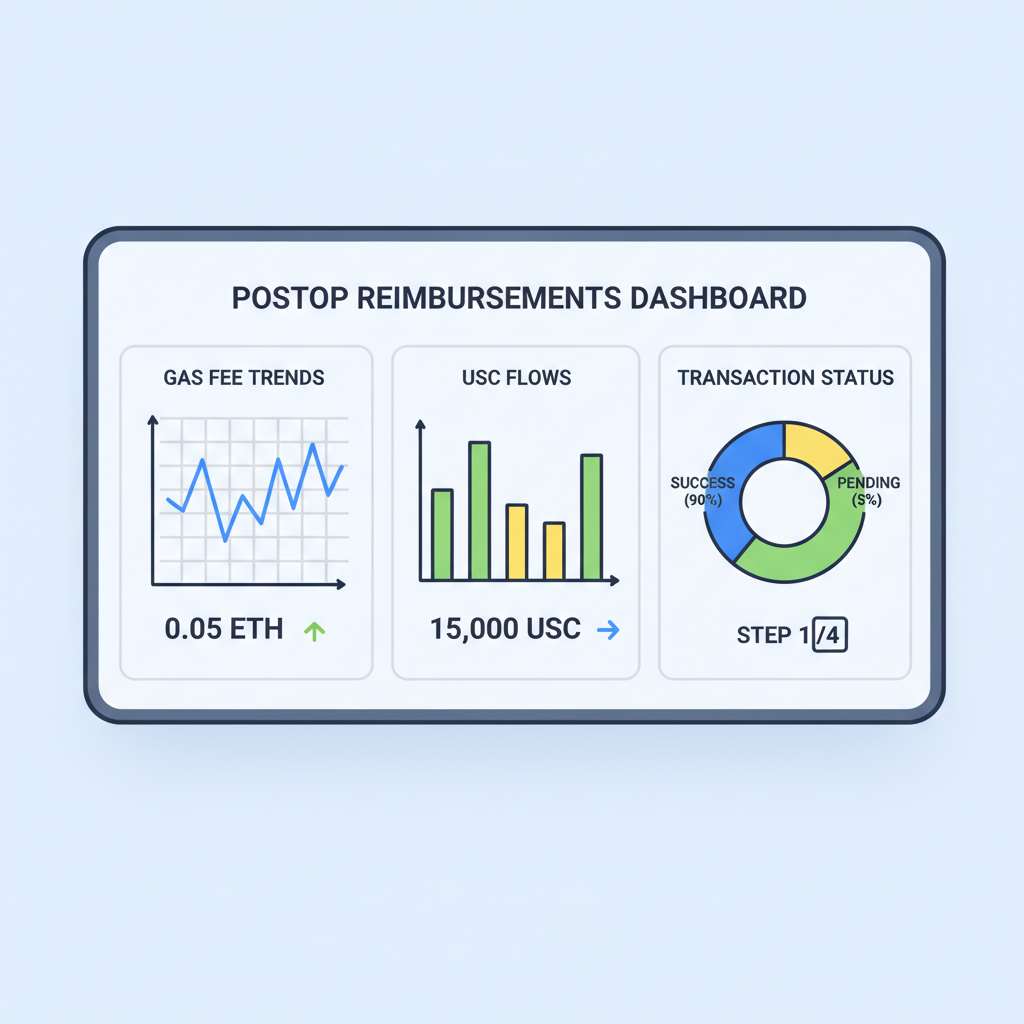
Critically, paymasters evolve with multi-chain needs. Circle's cross-chain USDC gas exemplifies this, letting one token fuel transactions everywhere. Developers must prioritize patterns: token-based, time-locked, or policy-driven sponsorships, each suiting different DeFi primitives.
Building Blocks for Paymaster Deployment
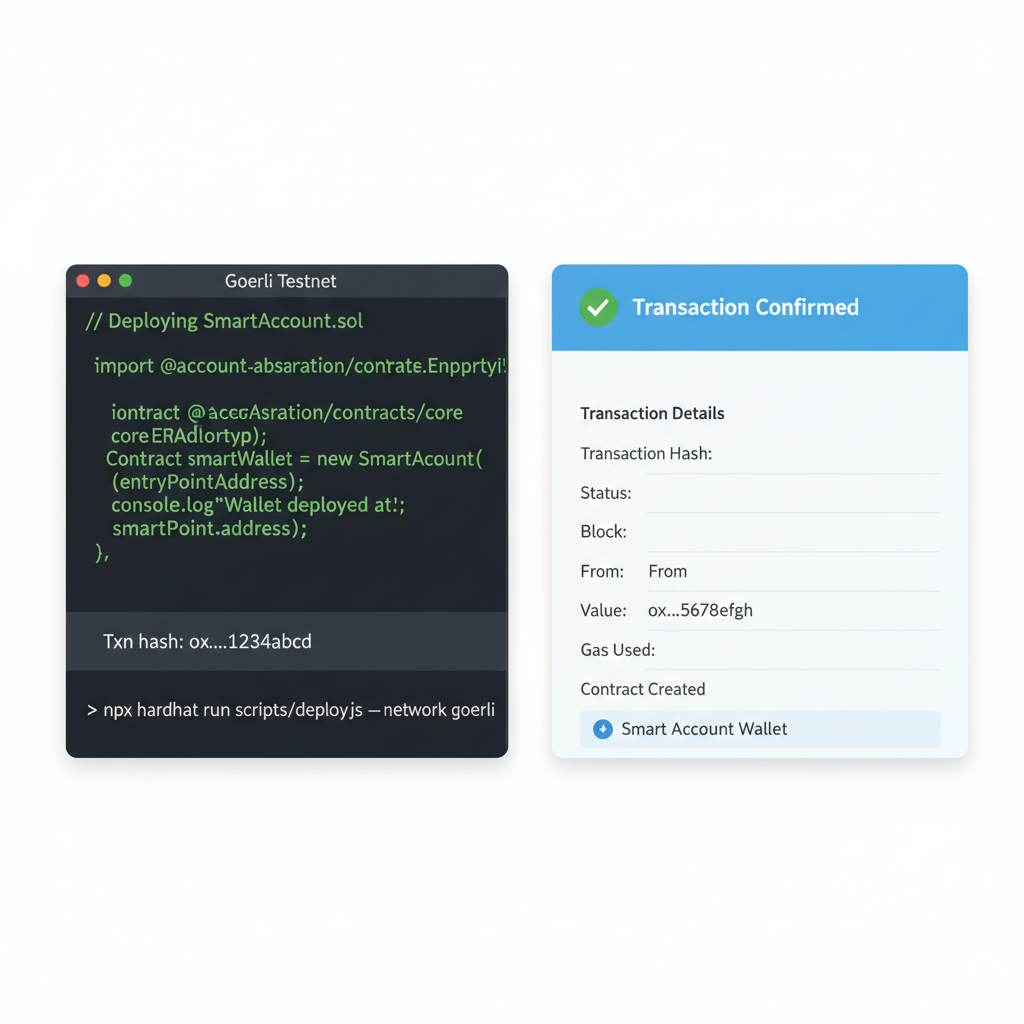
Hands-on implementation starts with Solidity contracts adhering to IPaymaster interfaces. Begin by inheriting from EntryPoint, the singleton orchestrating UserOps. Validation must compute paymaster gas limits accurately, avoiding underestimation that bricks transactions.
This snippet captures essence: verify user eligibility, compute required paymaster gas, and return a context for postOp. Deploy on Ethereum mainnet or L2s, fund with ETH for initial ops, then integrate bundlers like those from Alchemy or Gelato. Testing via RPC endpoints simulates real flows, ensuring compatibility with smart wallets.
Stake considerations loom large: minimum deposits deter malicious actors, while slashing protects bundlers. In 2026's landscape, with ETH volatility, dynamic staking tied to $2,276.37 levels adds resilience. Next, pair with bundlers for production, but pitfalls abound: gas estimation errors or unhandled reverts demand rigorous audits.
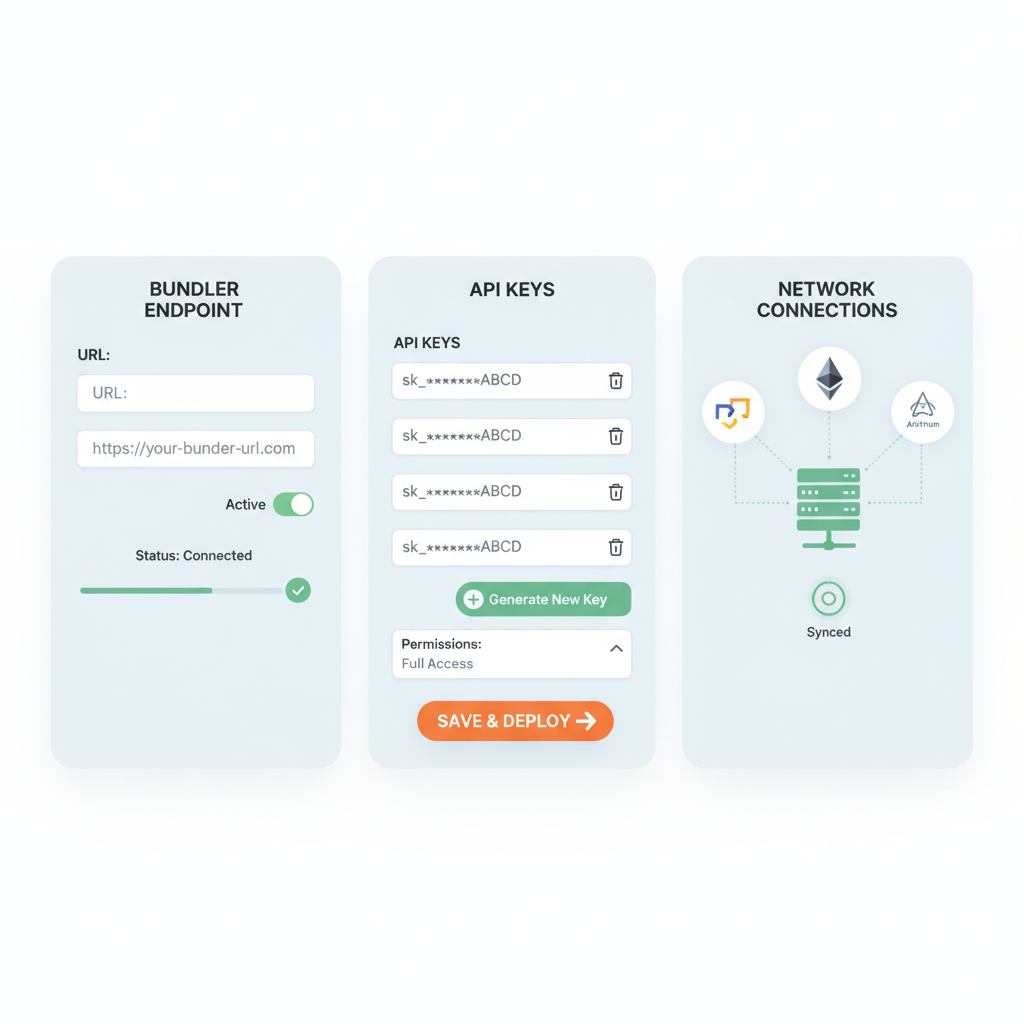
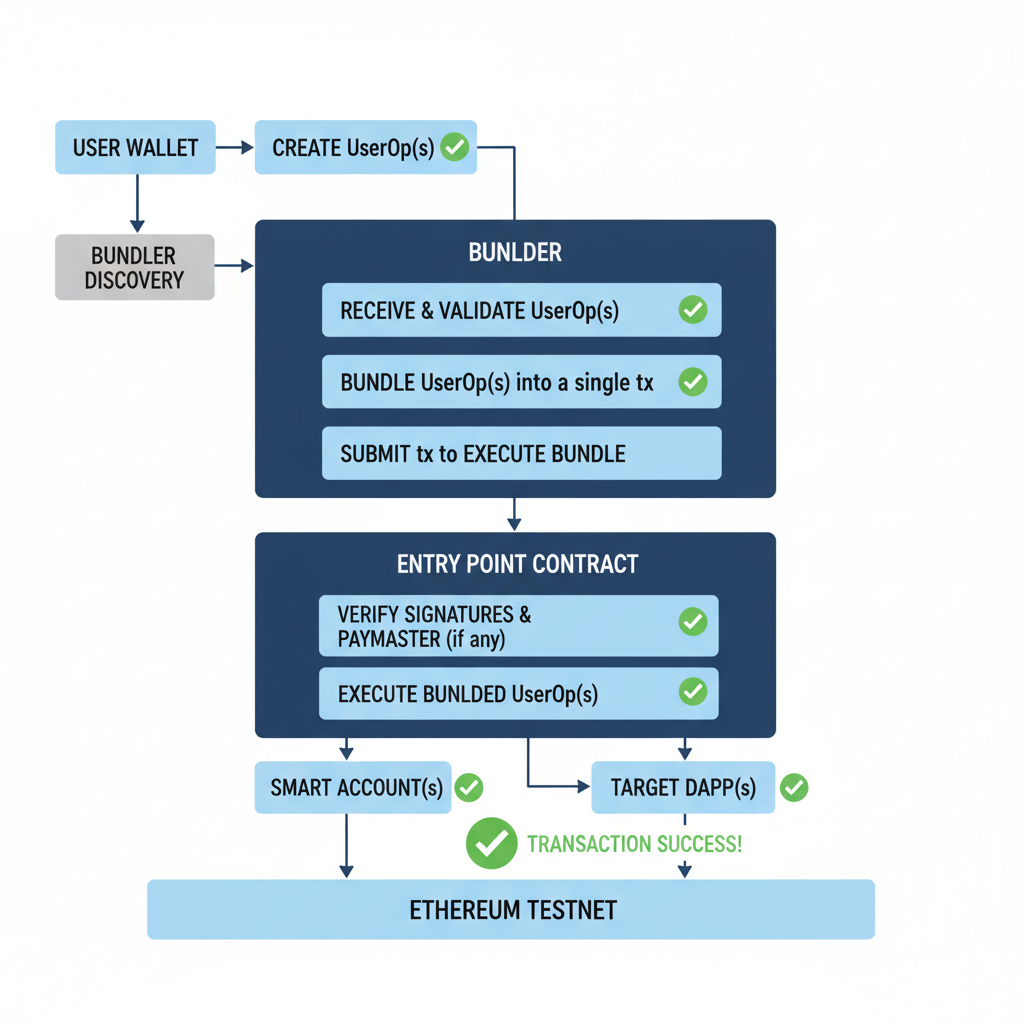
Production deployment hinges on bundler synergy. Bundlers aggregate UserOperations, simulating execution before on-chain submission to minimize failures. Services like Gelato's or Alchemy's APIs abstract this complexity, providing endpoints for eth_sendUserOperation. Developers query supported paymasters, sign context data, and monitor inclusion via receipts. In a live DeFi swap, the flow chains seamlessly: user signs intent, paymaster validates USDC balance, bundler batches, EntryPoint executes. This orchestration, refined since ERC-4337's 2023 activation, now handles peak loads with sub-second confirmations on L2s.
Advanced Paymaster Patterns for DeFi Primitives
Basic paymasters suffice for simple sponsorships, but DeFi demands sophistication. Token-threshold patterns require users deposit ERC-20s upfront, refunded postOp minus fees. Time-locked variants cap sponsorship per session, curbing abuse. Policy-driven ones integrate oracles for dynamic rules, like subsidizing only high-volume traders. For yield aggregators, hybrid models blend native ETH with stablecoin payments, insulating against $2,276.37 ETH dips. Gelato's 100 and chain support exemplifies scalability, while Circle's USDC paymaster standardizes across Ethereum, Arbitrum, Polygon.
ERC-4337 Paymaster Providers Comparison
| Provider | Chains Supported | Payment Tokens | Key Feature | Sponsored Volume |
|---|---|---|---|---|
| Circle | Ethereum, Arbitrum, Polygon | USDC | Cross-chain standardization | High |
| Gelato | 100+ chains (Ethereum/L2s) | ERC-20s, Flexible | Bundler integration | $430K+ |
| Alchemy | Ethereum/L2s | Flexible | Staking tools & Analytics | High |
These patterns mirror commodity forwards: lock rates today for tomorrow's delivery. Protocols sponsoring $430,000 aggregate fees gain user lock-in, trading short-term costs for long-term TVL growth. Yet, economics bite back; over-sponsorship erodes margins, demanding precise metering via paymaster analytics.
Navigating Pitfalls in Gas Sponsorship DeFi
Implementation snags lurk everywhere. Gas limit miscalculations revert ops, wasting bundler resources and eroding trust. Solution: overestimate conservatively in validatePaymasterUserOp, refine via simulations. Signature malleability or replay attacks demand nonce management and chain-specific checks. Audit firms scrutinize postOp for reentrancy, as unchecked refunds echo flash loan exploits. Staking, while protective, ties capital; at ETH's $2,276.37, a 32 ETH minimum equals $72,843, a non-trivial hurdle for startups.
ERC-4337 Paymaster postOp: USDC Fee Reimbursement with Gas Calculation
The `postOp` function is a critical hook in ERC-4337 paymasters, called by the EntryPoint after successful UserOperation execution. It handles precise fee collection in USDC from the user's balance, covering the actual gas costs incurred by the paymaster's sponsorship. Key aspects include accurate gas-to-token conversion and robust transfer logic that prevents unnecessary reverts.
```solidity
function postOp(PostOpParams calldata postOpParams, bytes calldata context, uint256 actualGasCost) external override {
    require(msg.sender == address(entryPoint), "Only EntryPoint");

    // Fundamental gas reimbursement calculation:
    // USDC amount = (actualGasCost * ethUsdRate) / 1e18
    // ethUsdRate = 3000e12 (for ~$3000 ETH, yielding USDC tokens with 6 decimals)
    uint256 ethUsdRate = 3000 * 1e12;
    uint256 usdcFee = (actualGasCost * ethUsdRate) / 1e18;

    // Add 10% margin for profit/simplicity
    usdcFee = (usdcFee * 110) / 100;

    address user = postOpParams.userOp.sender;

    // Pragmatic transfer logic with revert protection:
    // Use low-level call to avoid automatic revert on ERC20 failure
    bytes memory callData = abi.encodeWithSelector(
        IERC20.transferFrom.selector,
        user,
        address(this),
        usdcFee
    );
    (bool success, bytes memory returndata) = address(usdc).call(callData);
    if (!success) {
        // Log failure without reverting the UserOperation
        emit UsdcTransferFailed(user, usdcFee, returndata);
        // Optional: attempt partial transfer based on balance
        // uint256 balance = usdc.balanceOf(user);
        // if (balance > 0 && balance < usdcFee) {
        //     usdc.safeTransferFrom(user, address(this), balance);
        // }
    }
}

event UsdcTransferFailed(address indexed user, uint256 amount, bytes reason);
```
This implementation prioritizes reliability: the fixed ETH/USD rate is simple for starters but replace with a Chainlink oracle (e.g., ETH/USD feed) for production accuracy. The low-level `call` provides revert protection, ensuring the core transaction succeeds while unpaid fees can be tracked via events and settled later. Always test with real gas prices and token approvals.
Multi-chain fragmentation compounds issues. A Polygon paymaster won't cover Arbitrum ops without bridges, necessitating agnostic designs. Opinion: skimping on tests courts disaster, much like ignoring oil inventory reports before trading. Simulate 1,000 UserOps across forks, stress-test with MEV bots, and monitor via Dune dashboards for anomalies.
Case Studies: Paymasters Powering 2026 DeFi
Base's ERC-20 gasless swaps, powered by paymasters, onboard non-crypto natives effortlessly. Users swap USDC without ETH, retention soaring 40%. Circle's infrastructure fuels cross-chain DeFi, where one USDC deposit sponsors Ethereum L1 liquidity provision amid volatility. Gelato's relay-less bundlers cut centralization risks, sponsoring ops on niche chains for niche yields. Collectively, 99% UserOp reliance signals maturity; no longer experimental, account abstraction paymasters are table stakes for competitive dApps.
Developers report 3x UX lifts, with abandonment halved. Pragmatically, this rebalances DeFi's supply-demand: abundant liquidity meets frictionless demand.
Forward-thinking teams turn to specialized toolkits for acceleration. PaymasterKit. com stands out as the premier destination for ERC-4337 paymasters, offering plug-and-play components for bundlers and account abstraction. Its comprehensive suite streamlines gas sponsorship, from Solidity templates to RPC endpoints, tailored for dApps, wallets, DeFi protocols. Integrate in hours, not weeks; boost adoption by erasing gas barriers. In 2026's maturing ecosystem, where ETH navigates $2,115.33 lows to $2,329.15 highs, such tools ensure projects thrive on fundamentals, not fee friction.




No comments yet. Be the first to share your thoughts!