In the fast-evolving world of blockchain, where Ethereum's native token trades at $2,256.72 after a 24-hour dip of $25.31, user experience remains the ultimate battleground. On the Base network, ERC-4337 paymasters are transforming how creators and collectors interact with NFTs by enabling completely gasless mints. This isn't just a technical tweak; it's a fundamental shift that removes the friction of gas fees, allowing anyone with an internet connection to mint without holding ETH or worrying about volatile prices.
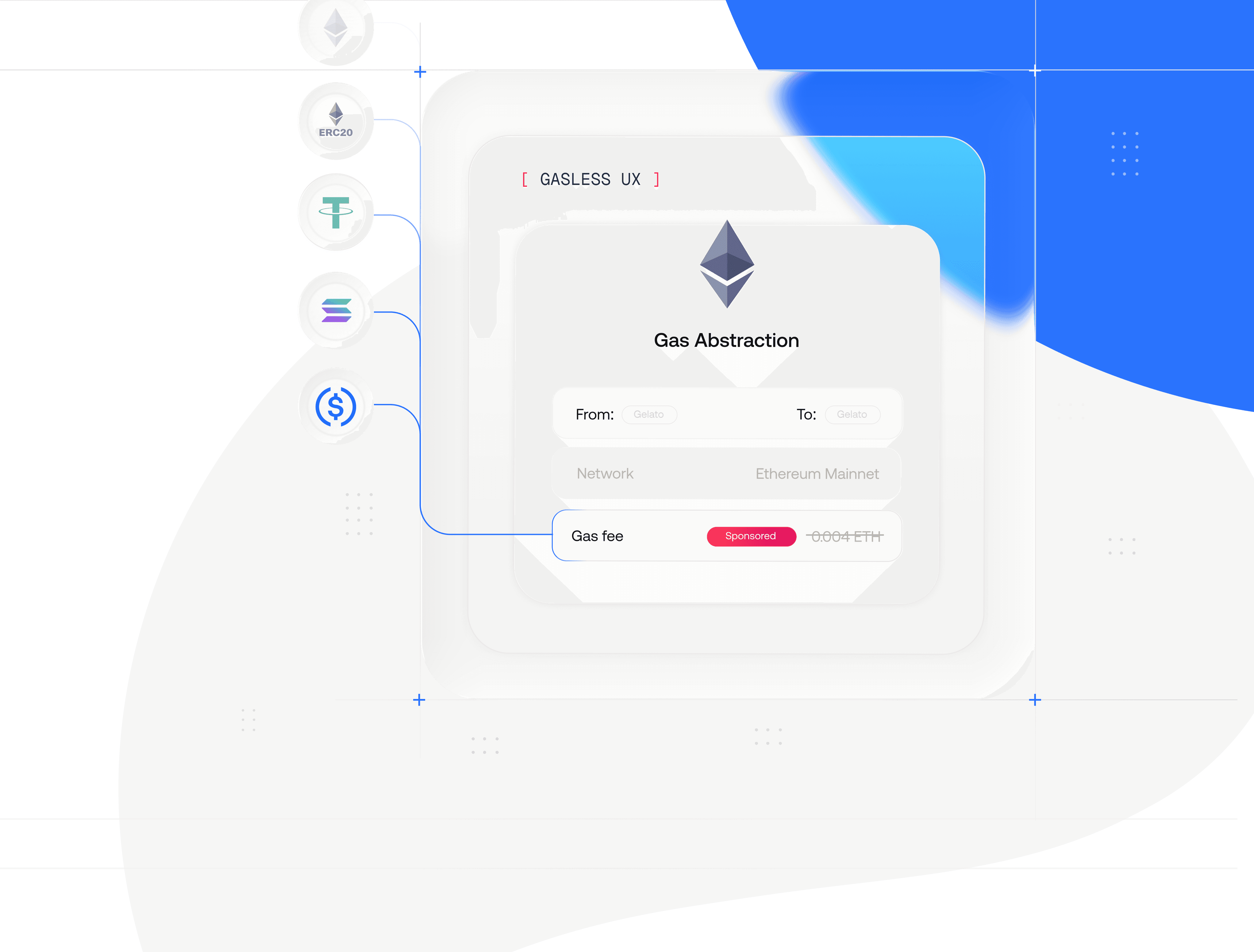
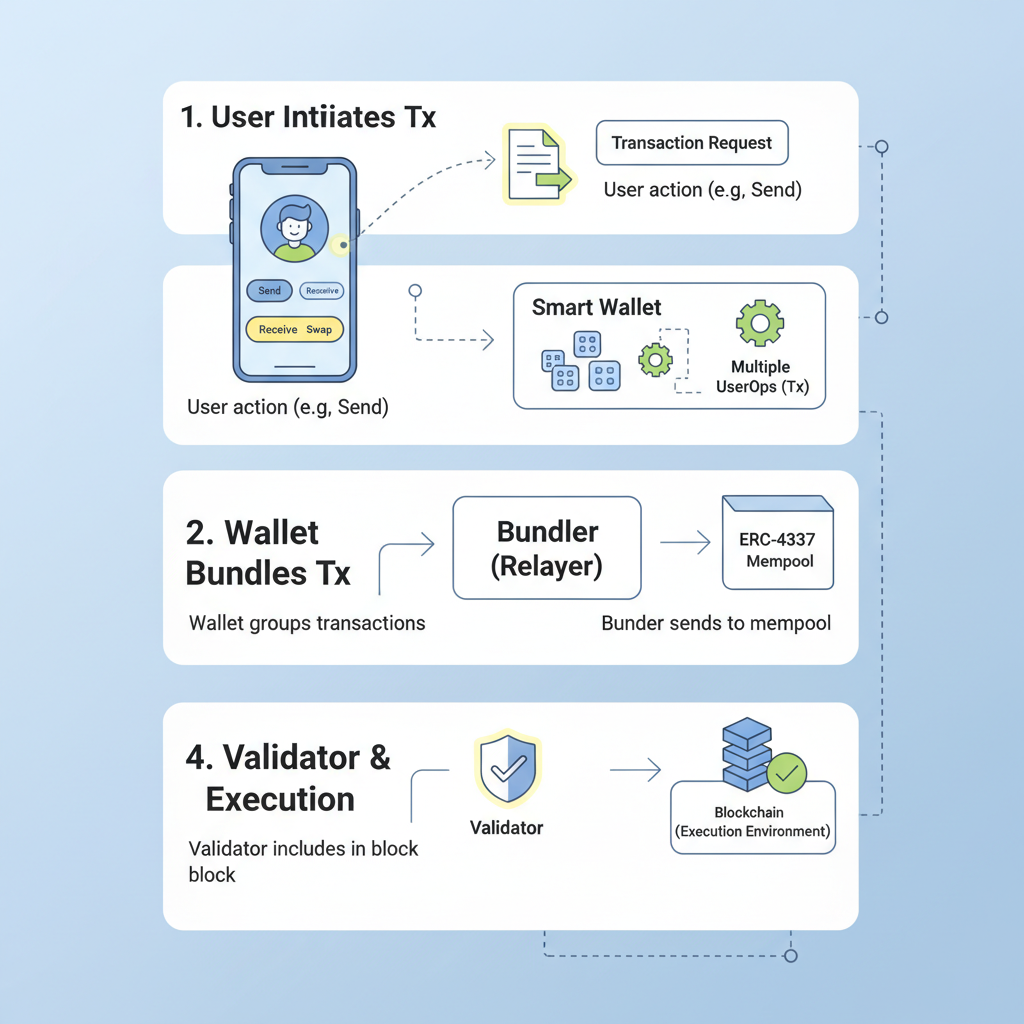
Diagram illustrating ERC-4337 Paymaster sponsoring gas fees for gasless NFT mint on Base network

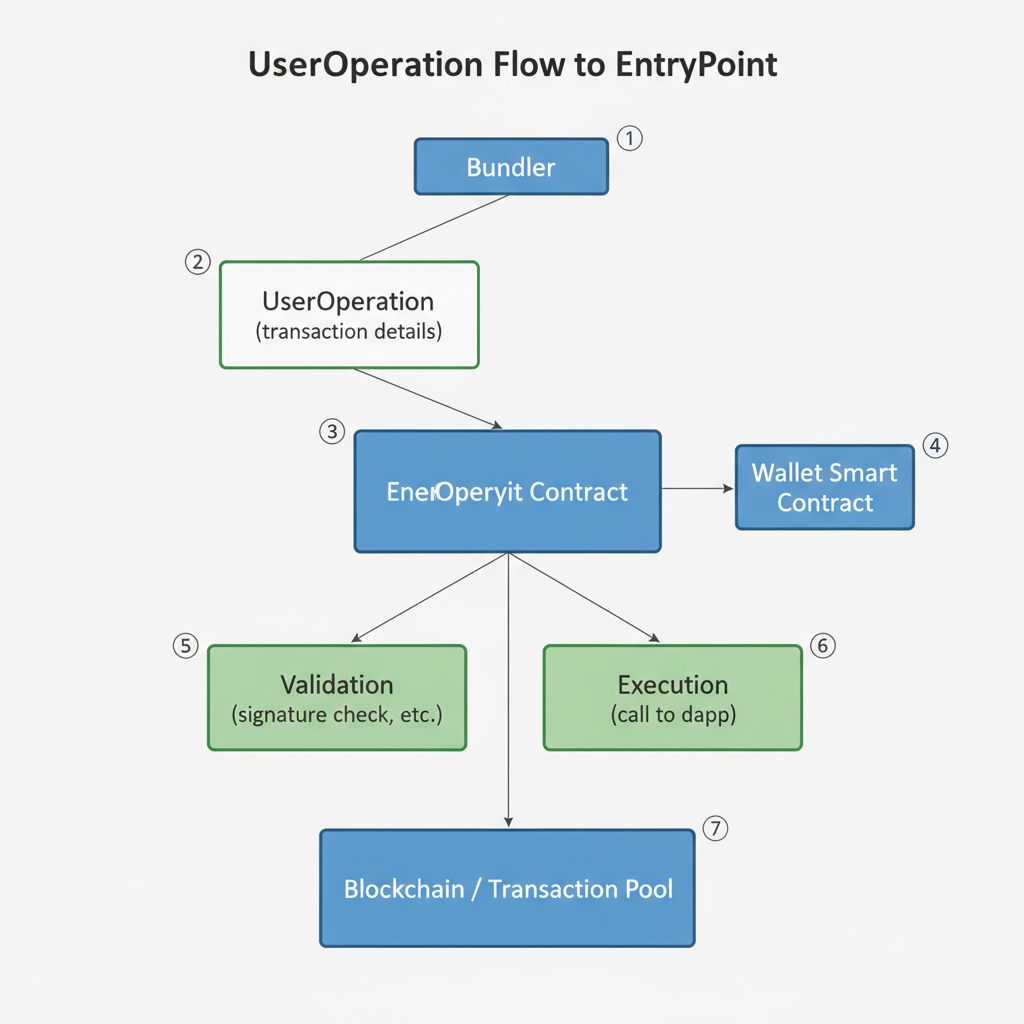
Base, built as an optimistic rollup on Ethereum, inherits the high throughput and low costs that make layer-2 solutions attractive. Yet, even here, gas fees can deter casual users from participating in NFT drops. Enter ERC-4337 paymasters: smart contracts that sponsor user operations, bundling them into efficient batches submitted by bundlers to the EntryPoint contract. This account abstraction standard lets applications cover gas costs, pay in ERC-20 tokens, or enforce custom logic like subscription checks before approving a transaction.

Decoding Paymasters in the ERC-4337 Ecosystem

At its core, a paymaster verifies and funds UserOperations, those pseudo-transactions that smart contract wallets use under ERC-4337. Unlike traditional Externally Owned Accounts, smart wallets delegate gas payment to paymasters, which can implement rules such as signature verification or token balances. On Base, this means developers can sponsor mints for specific NFT contracts, capping sponsorship to prevent abuse.

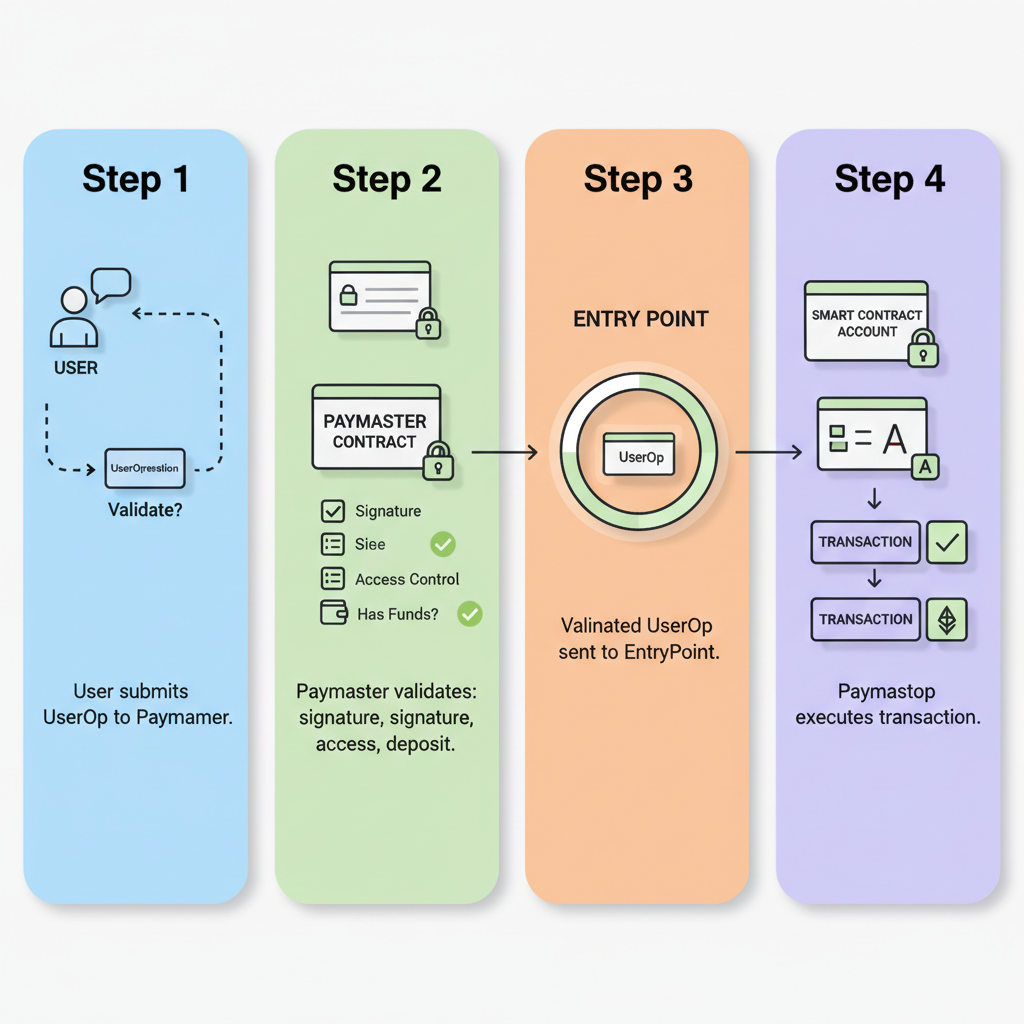
Consider the mechanics: a user signs a UserOperation to mint an NFT. The bundler simulates it, and if valid, routes it to the paymaster. The paymaster, perhaps the Base Paymaster from Coinbase docs, checks criteria like contract address and mint limits, then posts collateral to cover gas. In 2024 alone, ERC-4337 saw over 103 million user operations, with 87 percent leveraging paymasters for gasless execution. This volume underscores the standard's maturity, especially on cost-sensitive chains like Base.

Unlock Gasless NFT Mints: ERC-4337 Paymasters on Base
Developer terminal setup with Node.js install, Base network RPC config, Ethereum icons, clean dark theme code editor
1. Set Up Development Environment
Install Node.js (v18+), Yarn or npm, and key libraries: ethers.js v6, @account-abstraction/sdk, and @biconomy/account for ERC-4337 support. Clone a Base-compatible ERC-4337 starter repo. Configure .env with Base RPC (https://mainnet.base.org), your private key (never commit), and API keys for bundler/paymaster services like Pimlico or Biconomy. Fund your deployer wallet with ETH on Base (current ETH price: $2,256.72). Test connection: `npx hardhat console --network base`.
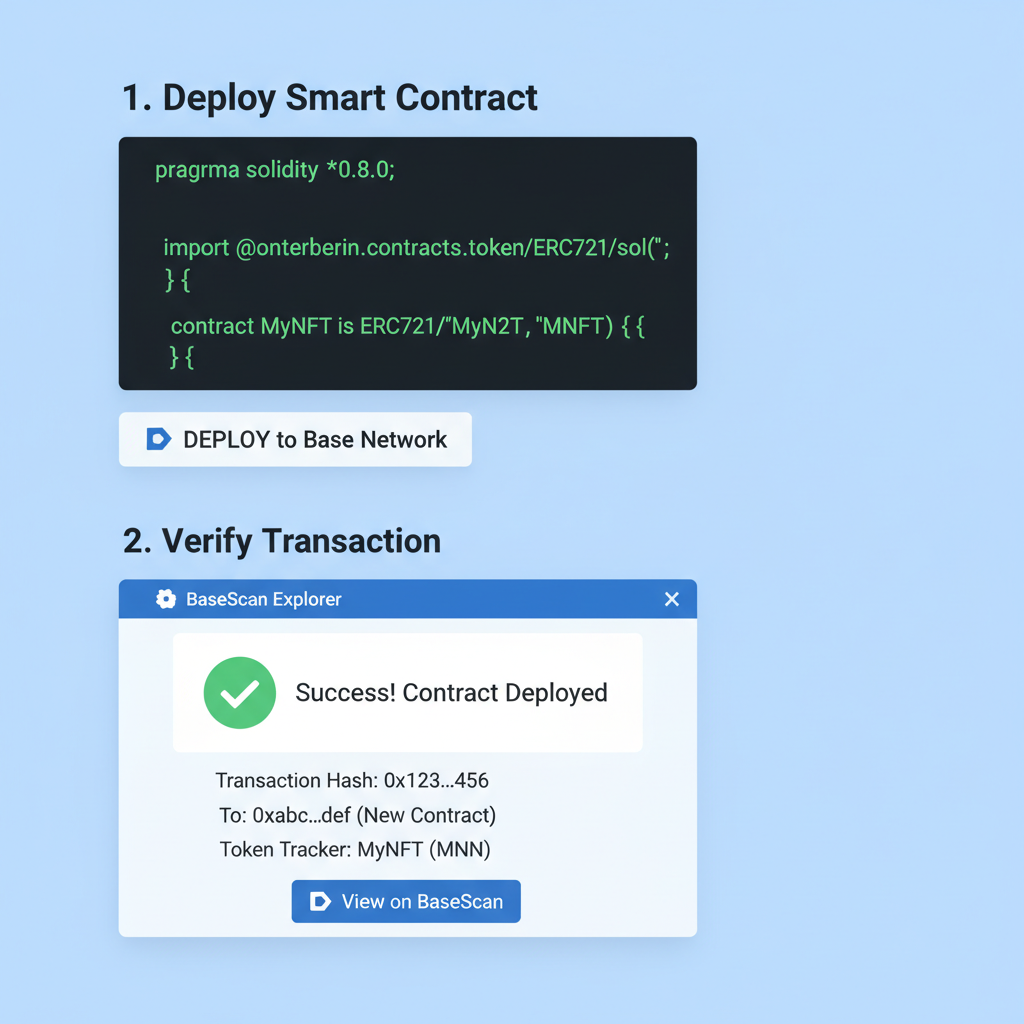
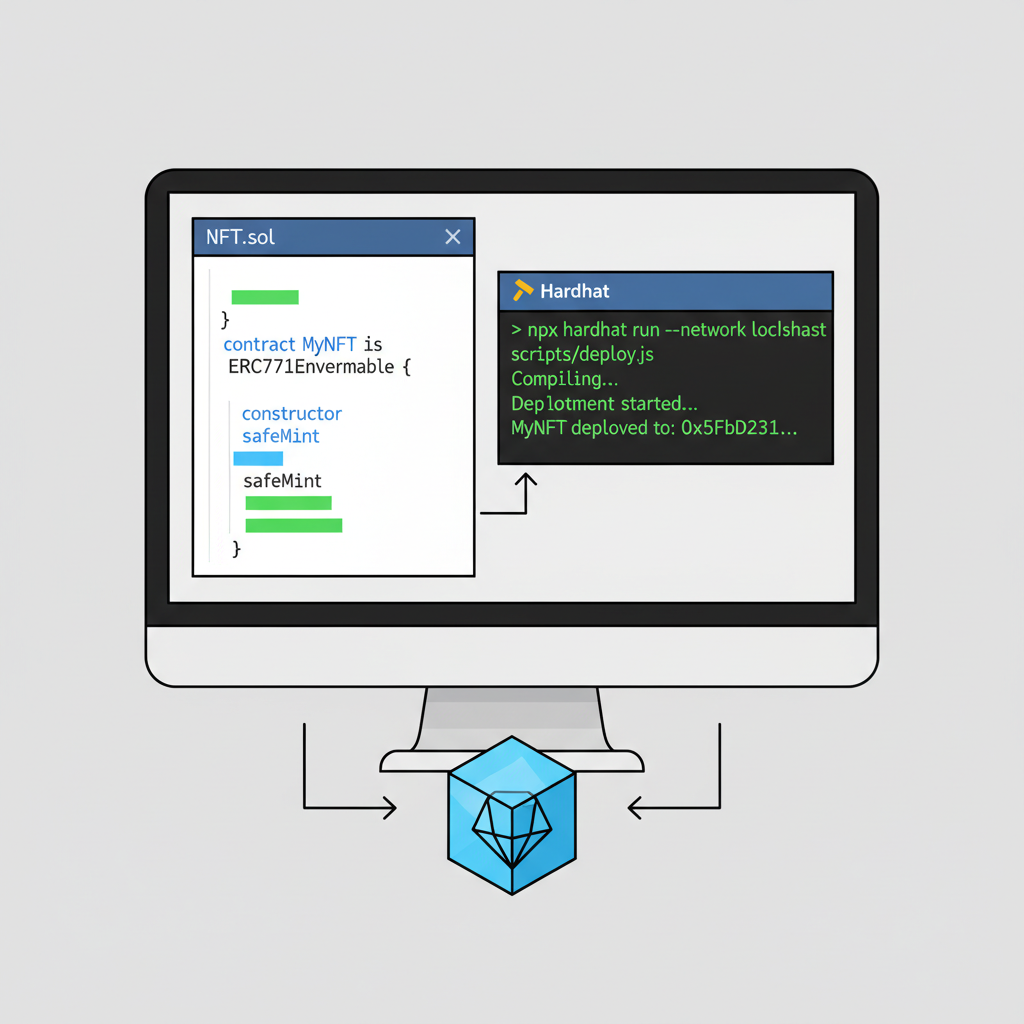
Solidity code snippet deploying ERC721 NFT contract on Base chain, blockchain explorer verification screen, green success checkmark
2. Deploy NFT Smart Contract
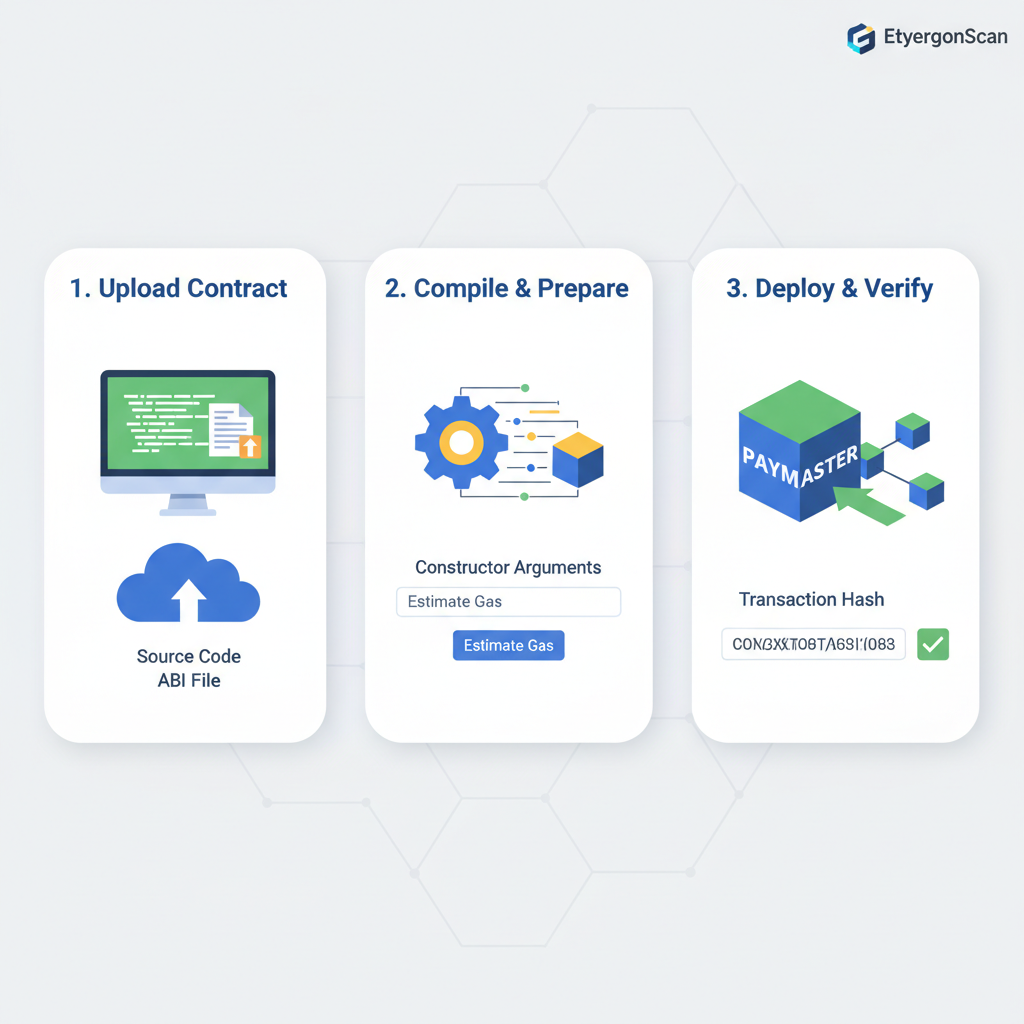
Write a basic ERC-721 NFT contract using OpenZeppelin (e.g., mint function payable or free). Compile with Hardhat: `npx hardhat compile`. Deploy to Base mainnet: `npx hardhat run scripts/deploy.js --network base`. Note the contract address. Verify on Basescan. Ensure mint function is public for UserOperations. Gas estimate: ~200k gas; paymaster will sponsor later.
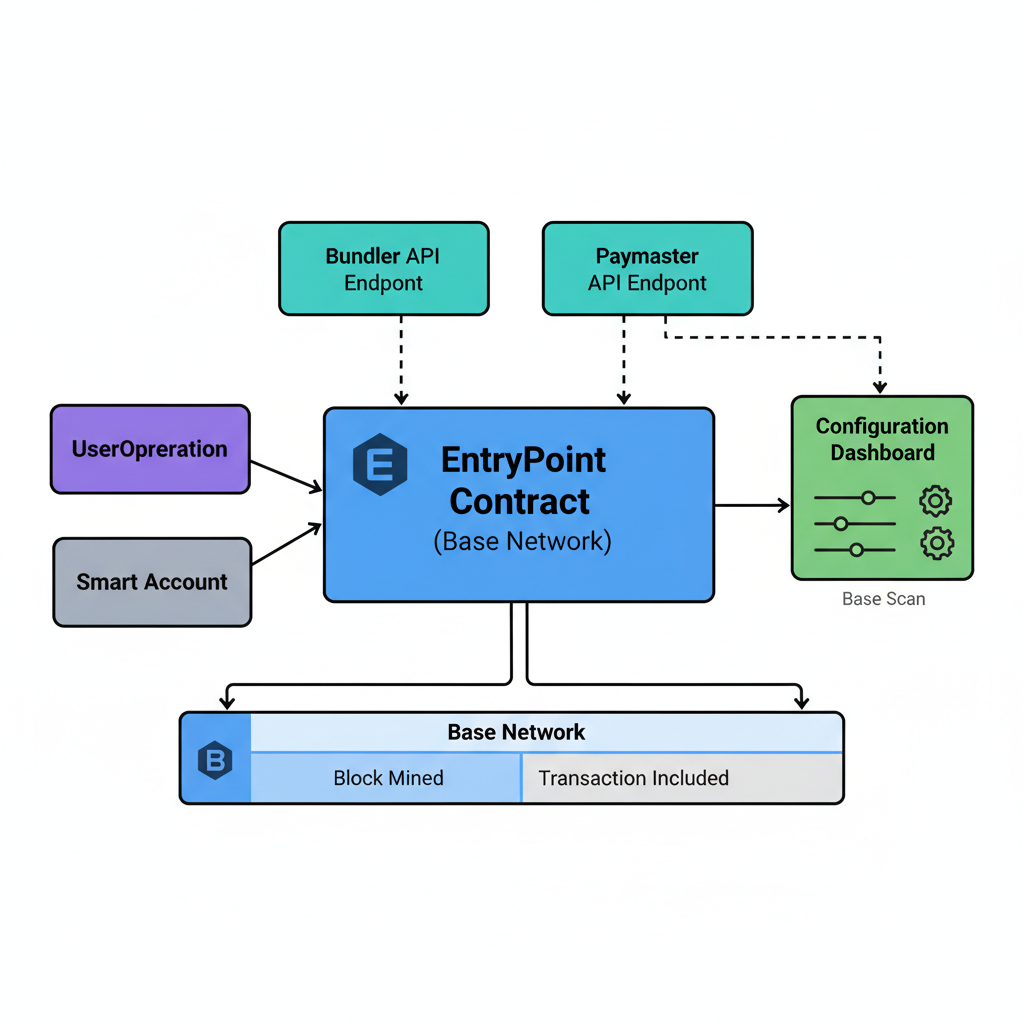
ERC-4337 EntryPoint diagram connected to Base network, bundler and paymaster API endpoints, configuration dashboard
3. Configure ERC-4337 EntryPoint and Services
Use EntryPoint v0.7 address on Base: 0x5FF137D4b0FDCD49DcA30c7CF57E578a026d2789. Get bundler URL (e.g., Pimlico: https://api.pimlico.io/v2/base/rpc) and paymaster URL (Base Paymaster or Pimlico sponsoring policy). For Base Paymaster, register your NFT contract via Coinbase Developer Platform for sponsorship. Test paymaster validity with `paymasterClient.getPaymasterData()`.
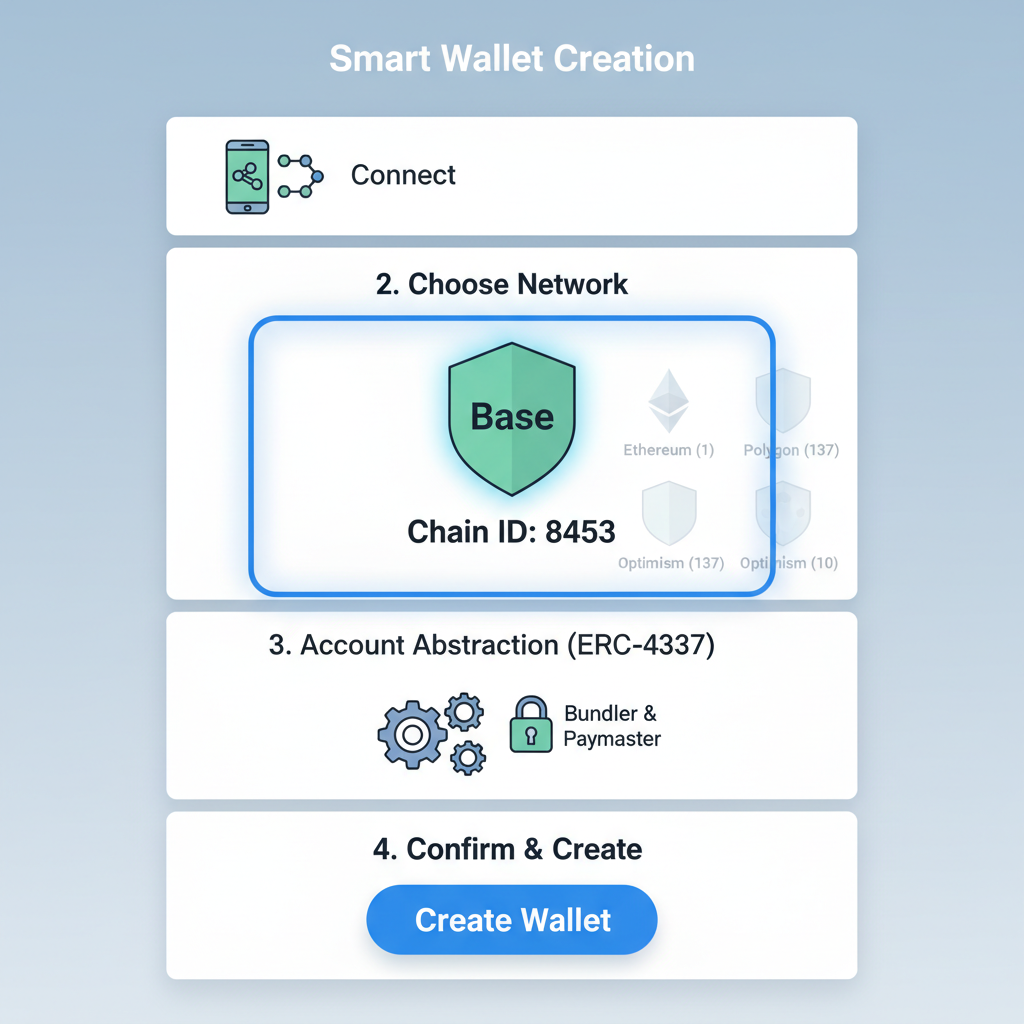
Smart wallet creation interface, ERC-4337 account abstraction flow, Base chain ID 8453 highlighted
4. Initialize Smart Account Wallet
Create a smart account using Biconomy or Stackup SDK. Import: `import { BiconomySmartAccountV2 } from '@biconomy/account';`. Initialize with EOA private key, EntryPoint address, and chain ID 8453 (Base). Get counterFactualAddress for the smart wallet. Fund smart wallet minimally or rely fully on paymaster sponsorship. Call `smartAccount.getUserOp({target: nftContract, data: mintCalldata})`.
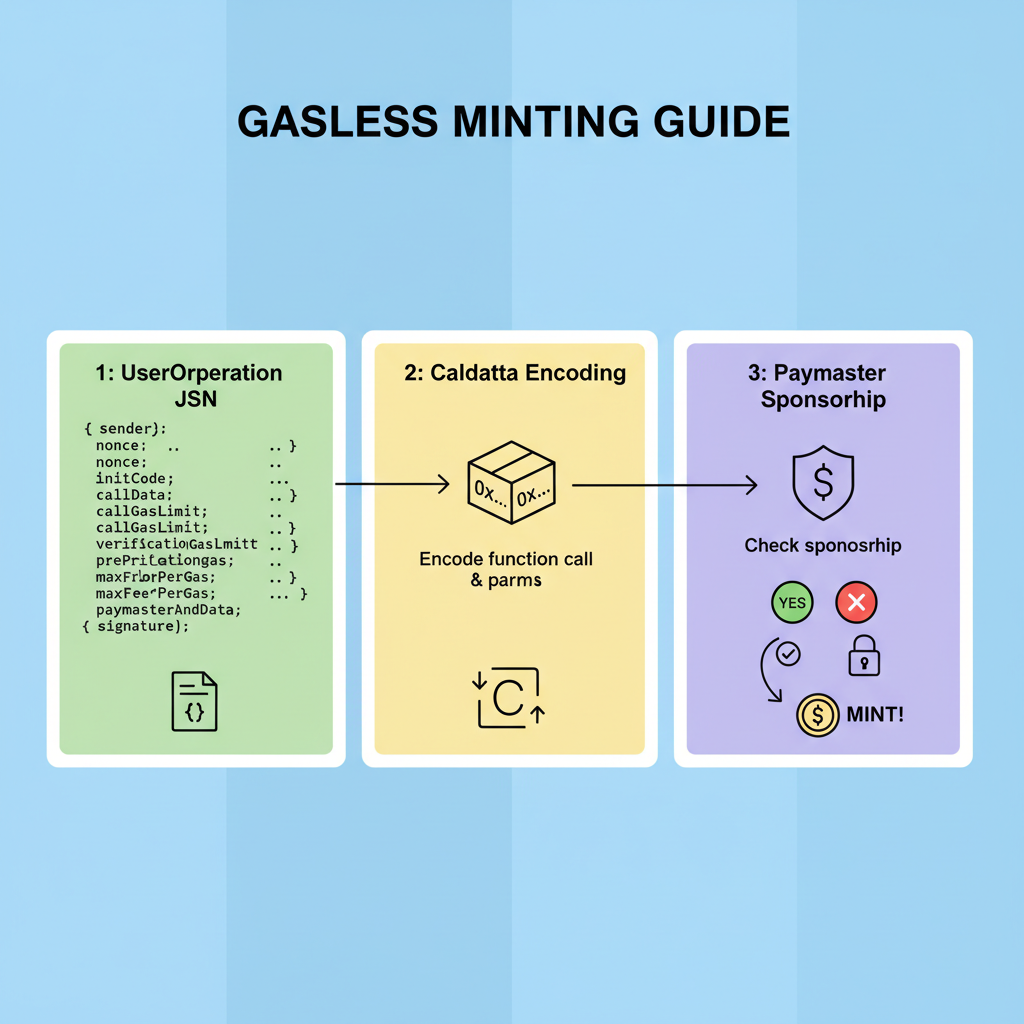
UserOperation JSON structure for gasless mint, calldata encoding, paymaster sponsorship check icons
5. Prepare Gasless UserOperation
Encode mint calldata: `nftContract.interface.encodeFunctionData('mint', [walletAddress])`. Build UserOperation: include initCode if new wallet, callData for mint, maxFeePerGas based on current Base mempool (monitor via RPC). Sponsor policy: verify paymaster accepts NFT mint to your contract (pre-registered). Sign partial UserOp with smart account.
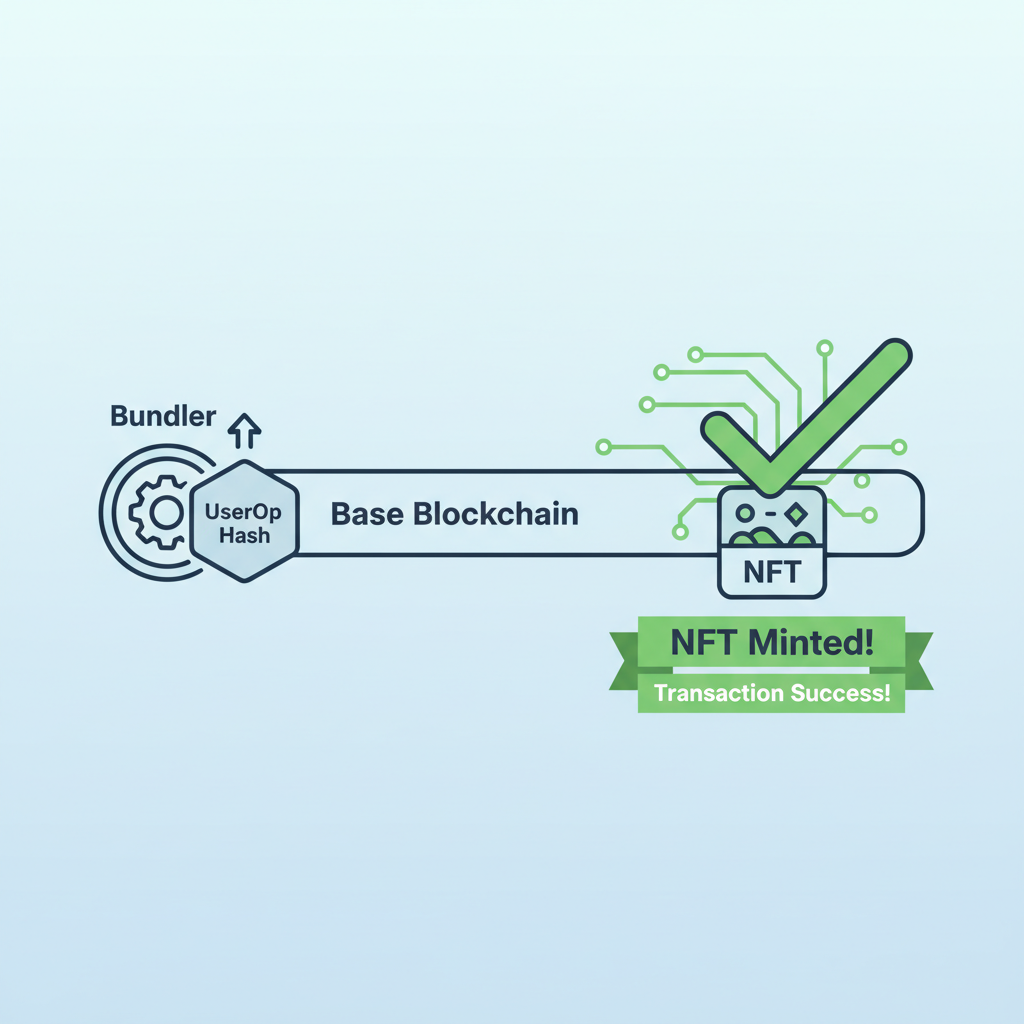
Bundler submission animation, UserOp hash propagating to Base blockchain, green transaction success with NFT minted
6. Submit via Bundler for Execution
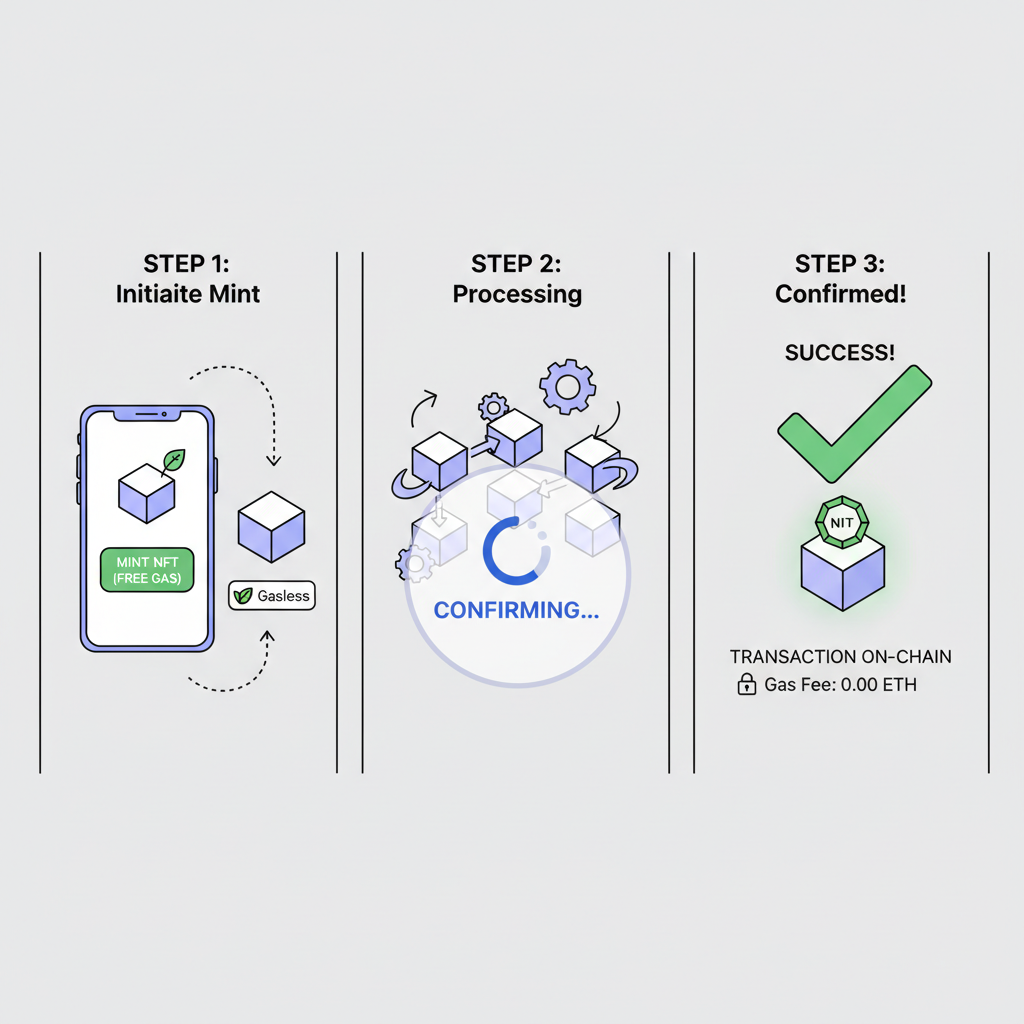
Send signed UserOp to bundler: `bundlerClient.sendUserOperation(userOp, entryPointAddress)`. Poll for receipt: `bundlerClient.getUserOpReceipt(hash)`. Paymaster pays gas (~0.001 ETH at $2,256.72/ETH, sponsored). Monitor on Basescan for UserOp hash and tx. NFT mints to smart wallet without user ETH.
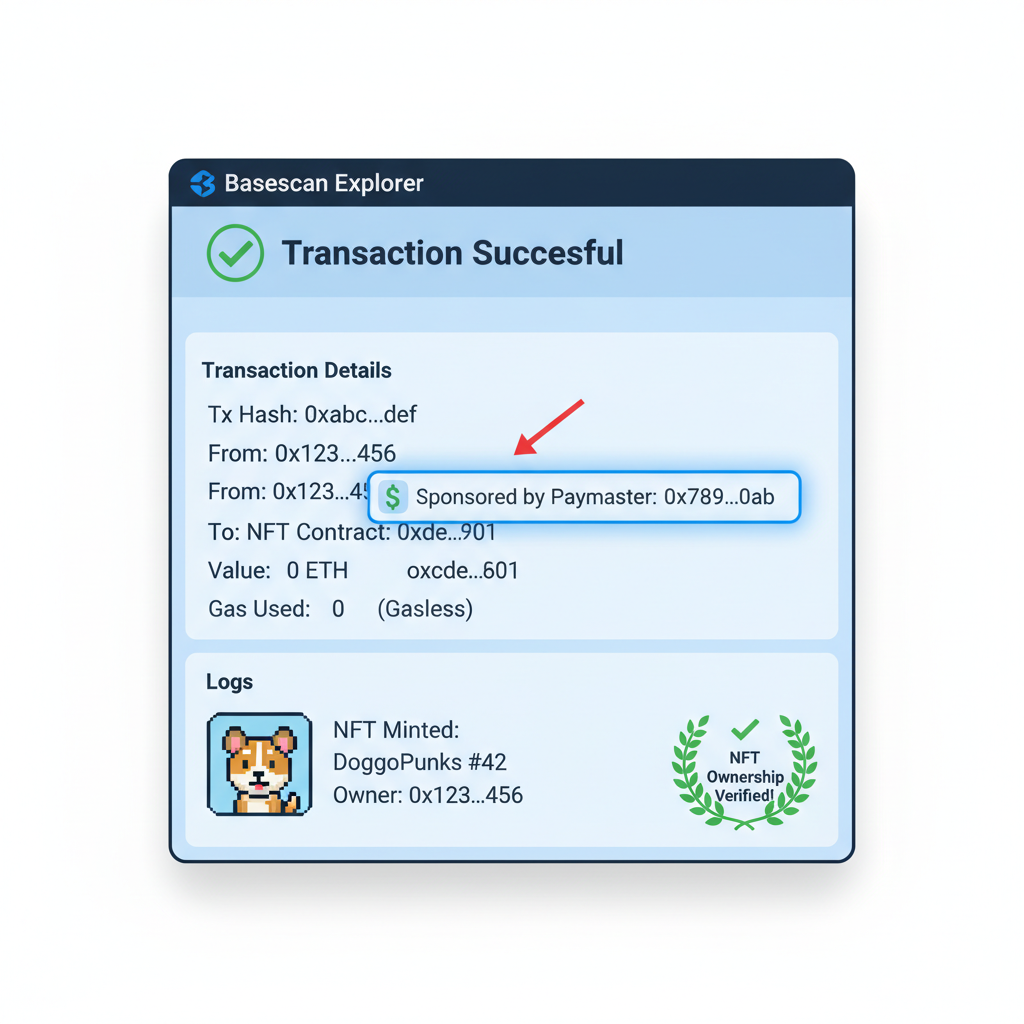
Basescan explorer showing gasless NFT mint tx, paymaster sponsorship highlighted, NFT ownership verified
7. Verify and Iterate
Check Basescan for tx details: confirm paymaster paid gas, NFT ownership in smart wallet. Query NFT balance: `nftContract.balanceOf(smartAccount.address)`. Handle errors: invalid paymaster policy, nonce issues. Scale: batch multiple mints in one UserOp. Note: 87% of 2024 ERC-4337 ops used paymasters for gasless txns.

Why Gasless NFT Mints Boost Adoption on Base Chain

Gasless NFT mints address a core pain point in Web3: onboarding. Traditional mints require users to bridge funds, swap for ETH, and pay gas, often abandoning at the first wallet prompt. With ERC-4337 paymasters on Base, projects sponsor these costs, converting browsers into minters. Imagine a viral NFT collection where the only barrier is a click; that's the promise here.

This model aligns incentives perfectly. Projects gain users and data on early adopters, while users enjoy seamless entry. Base's documentation highlights configuring paymasters for specific contracts, limiting sponsorship to, say, 1 ETH worth per user. It's pragmatic risk management: fund growth without unlimited liability. Security matters too; malicious paymasters pose risks, but verified implementations from Alchemy or Circle mitigate exploits through audited code and policy engines.

Paymasters enable dapps to sponsor operations, pay gas in ERC-20s, or gate with business logic like ad views.

From a developer's lens, integration is straightforward. Deploy a paymaster verifying NFT contract calls, hook it to Stackup or Pimlico bundlers, and watch UserOps flow. Types vary: verifying paymasters check signatures for security, ERC-20 paymasters accept stablecoins, fitting Base's DeFi-heavy ecosystem.

@Ademoyegun92 @baseapp New functionality just for you. Enter your address and receive it.
@CrypticSuper @baseapp np 🫡 I try to be a responsible and honest builder.
@BullOracle10 @baseapp ty 😌
@hryhorii77 @baseapp Thank you very much, I try to be responsible! 😍
@Boskkey @baseapp It's very nice. Thank you for your kind words.
@baseapp Do these guys really want to get an airdrop from Arbase GM? :D I see everything, just so you know.🫡 https://t.co/oGXa0OuHoC
Tweet media
@TolyaDV @baseapp Thank you :) The most important skill is to admit your mistakes.
@veek_tour @baseapp Refresh helps, and I'm already working on it.
@K0rper @baseapp No problem, buddy!
@Pea_gin16 @baseapp I made a mistake with the comma; it happens :) Everything will be back to normal now.
@Vadim_Freesson @baseapp The secondary market is now higher than the initial sales!
@volgar_eth @baseapp Thanks ^^

Step-by-Step Flow for Gas Sponsorship in NFT Mints

Let's break it down pragmatically. First, users connect via a smart wallet like those from Privy, embedding ERC-4337 support. They initiate a mint by signing a UserOperation targeting the NFT contract's mint function.

  1. Bundler Simulation: Bundlers like those in Base docs simulate the op, estimating gas.
  2. Paymaster Validation: Paymaster runs validatePaymasterUserOp, approving if conditions met, e. g. , mint count under quota.
  3. Execution: Bundler submits to EntryPoint, paymaster pays post-op via postOp, deducting from its balance.

This flow executed millions of ops last year, proving reliability. On Base, low L2 fees amplify savings; a sponsored mint costs the project pennies while feeling free to users. For NFT projects, it's a game-changer, driving volume amid ETH at $2,256.72 and fluctuating network demand.

Projects on Base are already capitalizing on this, with tools like Pimlico and Stackup simplifying bundler integration. The result? NFT drops that scale without server-side bottlenecks, all while keeping costs predictable even as Ethereum hovers at $2,256.72.

Master Gasless NFT Mints: ERC-4337 Paymaster Setup on Base
developer terminal installing Hardhat and Node.js packages, code on screen
Set Up Development Environment
Install Node.js (v18+), Yarn, and create a Hardhat project: `yarn create hardhat-project paymaster-nft && cd paymaster-nft`. Install key dependencies: `yarn add @account-abstraction/sdk @account-abstraction/utils ethers hardhat @nomicfoundation/hardhat-toolbox dotenv`. Configure `hardhat.config.js` for Base Sepolia (testnet RPC: https://sepolia.base.org, chainId: 84532). Add .env with PRIVATE_KEY and API keys for bundler services like Pimlico. Fund your deployer wallet with Base Sepolia ETH.
Solidity NFT contract code deploying on Hardhat console
Deploy NFT Smart Contract
Create `contracts/NFT.sol` as a basic ERC721: `// SPDX-License-Identifier... contract GaslessNFT is ERC721 { function mint(address to, uint256 tokenId) public { _mint(to, tokenId); } }`. Deploy via Hardhat script: `npx hardhat run scripts/deployNFT.js --network baseSepolia`. Note the NFT contract address. This contract will be the target for sponsored gasless mints.
smart wallet interface with ERC-4337 integration diagram
Integrate Smart Wallet
Use Pimlico SDK for ERC-4337 smart accounts on Base. Install `@pimlico/sdk`. Initialize EntryPoint v0.7 address (0x5FF137D4b0FDCD49DcA30c7CF57E578a026d2789 on Base Sepolia). Create smart wallet: `const smartAccount = await Pimlico.createSmartAccount({ chain: BASE_SEPOLIA, signer: privateKeyToAccount(...) });`. Verify wallet address and ensure it's funded minimally or relies on sponsorship.
Paymaster smart contract deployment in blockchain explorer
Deploy Paymaster Contract
Use ERC-4337 paymaster template from docs. Create `contracts/Paymaster.sol` extending BasePaymaster with EntryPoint. Key: `function _validatePaymasterUserOp(UserOperation calldata userOp, bytes32 userOpHash, uint256 maxCost) internal override returns (bytes memory context, uint256 validationData)`. Deploy: `npx hardhat run scripts/deployPaymaster.js --network baseSepolia`. Fund paymaster with ETH for sponsorship (~0.01 ETH sufficient for tests).
code snippet validating UserOp in paymaster contract
Implement Sponsorship Logic
In Paymaster's `validatePaymasterUserOp`, decode userOp.callData to check if target is NFT contract and function is `mint`. If yes, approve sponsorship (return 0 for validationData). Add business logic gating if needed (e.g., signature verification). Update paymaster with `entryPoint.depositToPaymaster(paymasterAddress, {value: ethers.parseEther('0.01')})`. This enables gasless mints only for your NFT.
bundler submitting UserOperation to EntryPoint flowchart
Configure Bundler Integration
Sign up for Pimlico or Stackup bundler API (free tier available). Get API key. Create UserOperation: `const userOp = await smartAccount.buildUserOperation([{target: nftAddress, data: mintCalldata}]);`. Sponsor via paymaster: `userOp.paymasterAndData = paymasterAddress + encodePacked(paymasterInput)`. Submit: `const userOpHash = await bundler.sendUserOperation(userOp, entryPointAddress);`. Monitor via Base explorer.
successful gasless NFT mint transaction confirmed on blockchain
Test and Deploy Gasless Mint
From frontend or script, trigger mint via smart wallet UserOp. Verify: User has no native tokens, transaction succeeds, NFT minted, gas paid by paymaster. Simulate 10 mints to check costs (negligible on Base L2). For mainnet (Base chainId 8453, EntryPoint 0x5FF137D4...), verify contracts, fund paymaster adequately, and deploy similarly. Monitor via BaseScan.

Types of Paymasters Tailored for Base Chain Account Abstraction

ERC-4337 paymasters aren't one-size-fits-all; their flexibility shines on Base. Verifying paymasters demand signatures before sponsorship, ideal for high-security NFT projects where only whitelisted minters qualify. ERC-20 paymasters shift fees to tokens like USDC, sidestepping native token volatility, a smart hedge when ETH dips $25.31 in a day. Then there are general paymasters with business logic, gating mints behind subscriptions or ad interactions, turning UX into revenue streams.

I favor the verifying type for NFT mints; it mirrors commodities hedging, where you verify supply before committing capital. Base's docs spotlight configuring these for specific contracts, sponsoring up to a fixed ETH equivalent to curb exploits. Circle and Alchemy offer production-ready versions supporting ERC-4337 v0.7 and v0.8, battle-tested across chains.

A paymaster agrees to sponsor, bundling ops for execution via the EntryPoint, straightforward power for developers.

Navigating Risks in Gasless NFT Mints

Pragmatism demands addressing downsides. Malicious paymasters can drain funds if poorly coded, as recent audits warn. Always simulate UserOps, cap sponsorships, and use audited bundlers. On Base, low L2 fees buffer mistakes, but vigilance prevents panewslab-reported vulnerabilities. In my view, this is like oil markets: fundamentals drive adoption, but supply shocks (hacks) test resilience. Stick to verified paymasters from Coinbase or Privy kits, and you're golden.

Stats back the upside: 103 million ERC-4337 ops in 2024, 87% paymaster-sponsored. Base's optimistic rollup amplifies this, slashing costs 10x versus Ethereum mainnet. For NFT creators, gasless mints mean higher completion rates, users don't bail at gas estimates. DeFi protocols bundle swaps with mints, compounding value.

Paymaster TypeUse Case on BaseKey Benefit
VerifyingWhitelisted NFT dropsSignature security
ERC-20Stablecoin paymentsVolatility hedge
Business LogicSubscription-gated mintsMonetized UX

Developers, prioritize modularity. Integrate Privy's smart accounts for email logins, pair with Base Paymaster for sponsorship. Test on Sepolia first, real ops reveal gas quirks. This stack turns Base into a minting powerhouse, where account abstraction isn't buzz; it's baseline for user retention.

As Ethereum stabilizes around $2,256.72, Base's paymaster ecosystem matures, pulling more projects from mainnet. Gasless NFT mints aren't a gimmick; they're the supply-demand equalizer, flooding markets with participation. Builders who deploy now capture first-mover liquidity, while users reap frictionless creativity. The chain's pulse quickens, jump in before the next drop.