With Ethereum’s native token ETH currently at $2,162.38 after a modest 24-hour gain of and $101.40, the network’s gas costs remain a persistent hurdle for NFT projects seeking broad adoption. High fees during peak mints often exclude casual users without deep pockets or technical savvy. ERC-4337 paymasters change this dynamic by allowing developers to sponsor gas for NFT mints, creating truly gasless onboarding that prioritizes user experience over wallet balances.

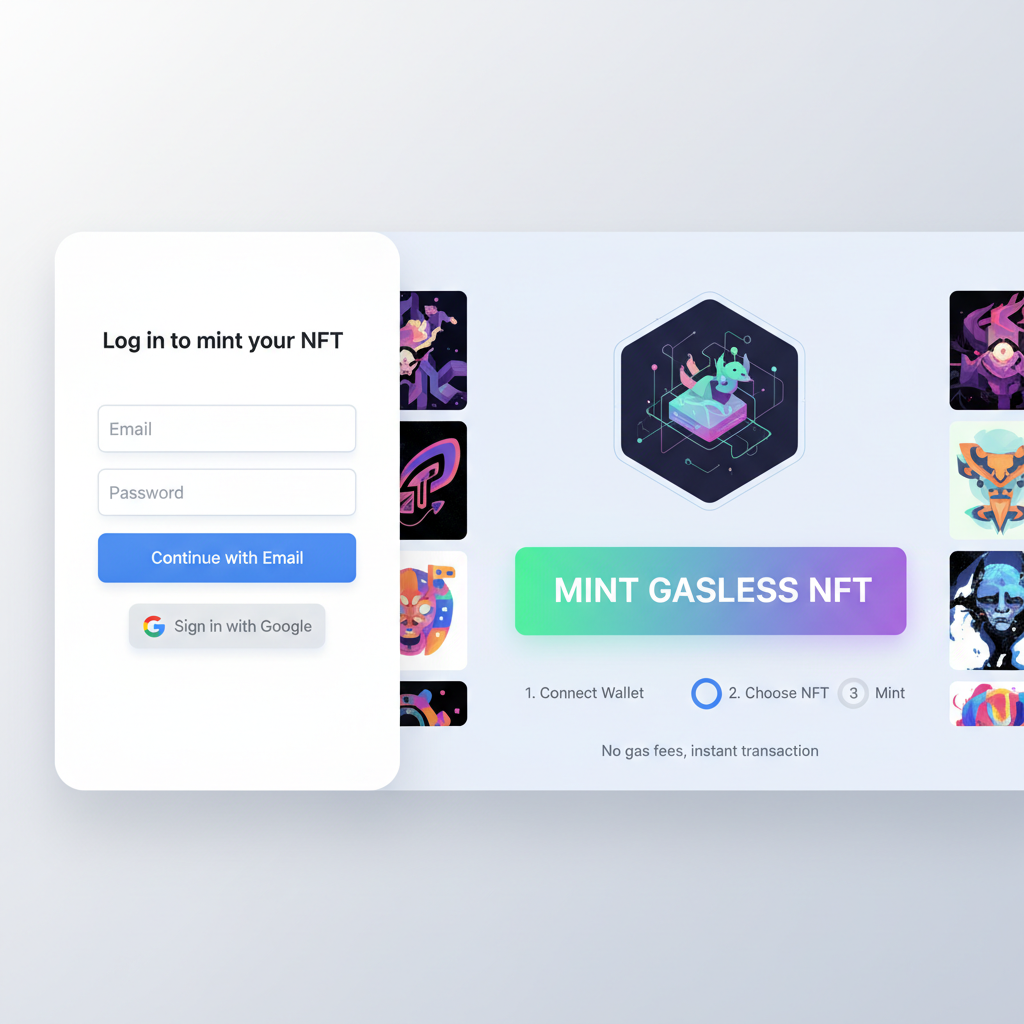
This approach aligns with the maturing account abstraction ecosystem, where smart accounts and bundlers handle complexity behind the scenes. For NFT collections, it means visitors can mint with just a wallet connection, no ETH required. PaymasterKit. com streamlines this integration, offering tools tailored for such frictionless interactions.
Breaking Down Gas Barriers in NFT Launches
NFT mints thrive on virality, yet Ethereum’s congestion spikes gas prices, turning excitement into frustration. A standard mint might cost $20 to $50 in fees at current network conditions, pricing out newcomers. Sponsored gas via ERC-4337 paymasters shifts that burden to project treasuries or token incentives, fostering inclusive participation.
Consider a hyped drop: without sponsorship, only whales with ETH reserves join early, skewing distribution. Gasless mints level the field, boosting secondary market liquidity as more holders emerge. This isn’t charity; it’s strategic. Projects retain control through paymaster logic, validating user ops before covering costs.
Implement Gasless NFT Mints: ERC-4337 Paymasters in Next.js
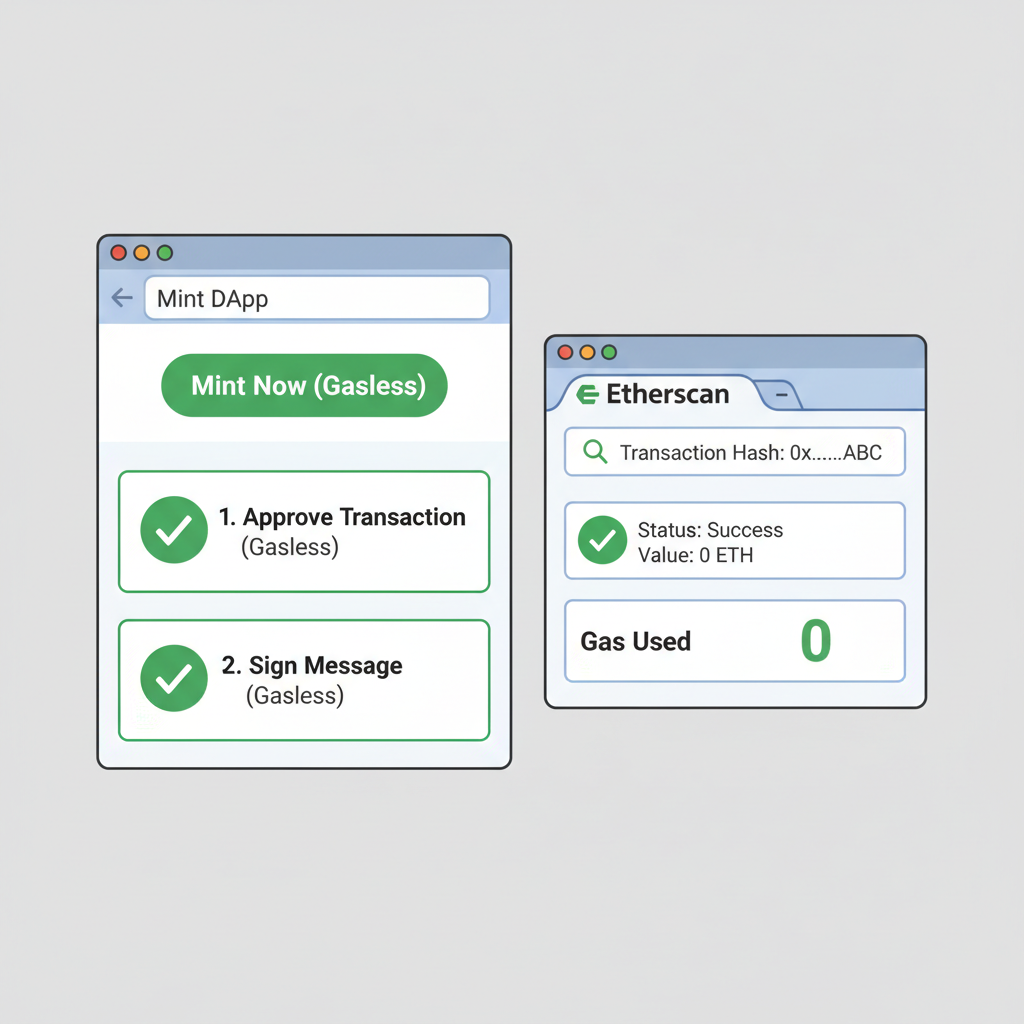
Recent analyses underscore paymasters’ role in this shift. They enable ERC-20 payments like USDC for gas, decoupling fees from ETH volatility. Yet, as Ethereum Blockchain Developer notes in their deep dive, secure implementation demands vigilance against vulnerabilities flagged in early deployments.
Core Mechanics of ERC-4337 Paymasters for Sponsorship
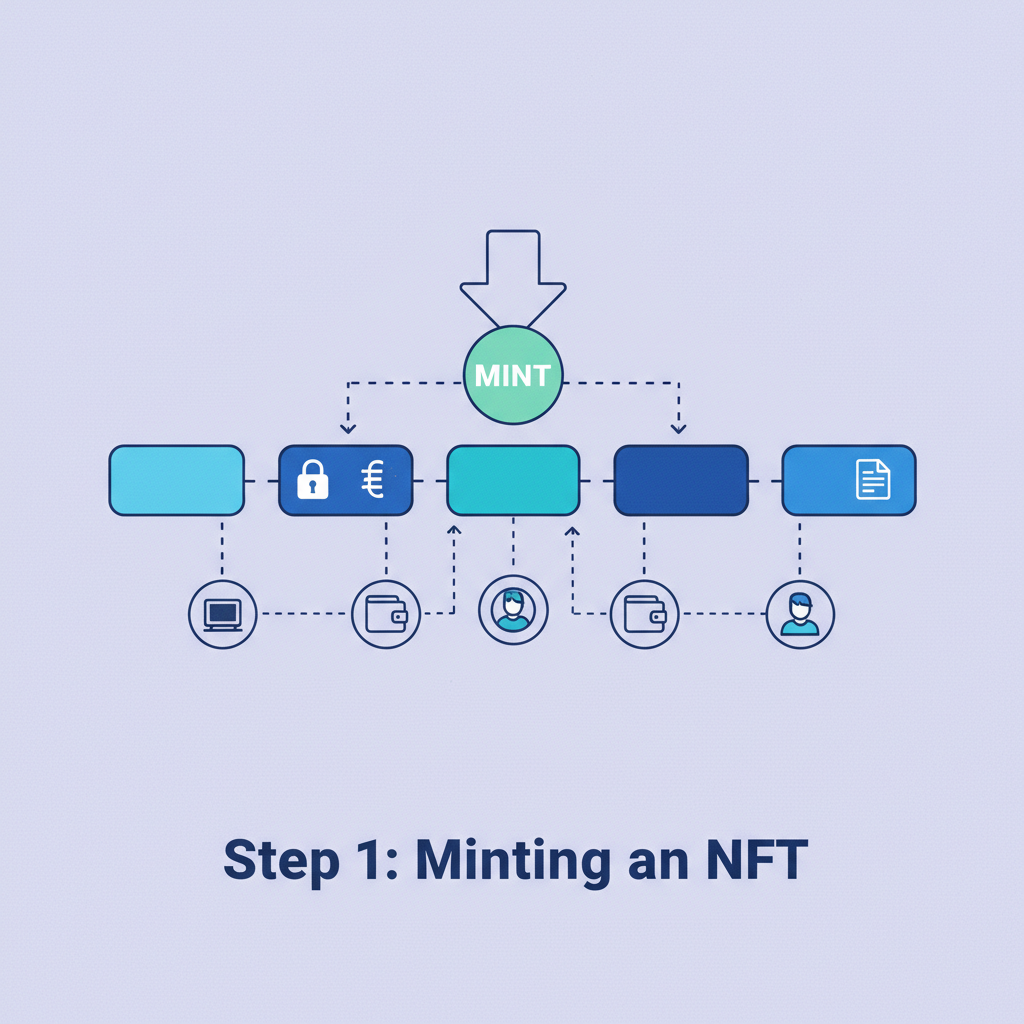
At heart, a paymaster is a smart contract that validates and funds UserOperations in the ERC-4337 flow. Bundlers aggregate these ops into bundles, submitting them via EntryPoint contracts. For NFT mints, the paymaster checks criteria – perhaps holding a allowlist token or whitelisted address – then posts collateral for gas.
This setup decouples user intent from payment. Developers deploy custom paymasters: simple sponsorship for first mints, or token-gated for loyalty rewards. Alchemy’s overview captures it well: dApps sponsor ops, pay in stables, transforming UX without altering core protocol rules.
ETH’s stability at $2,162.38 reinforces why flexibility matters. Users avoid bridging funds or swapping tokens mid-mint; paymasters handle it seamlessly.
Real-World Examples Driving Adoption
From GitHub repos to conference talks, ERC-4337 gains traction in NFT contexts. Coinbase’s paymaster-bundler-examples repo demonstrates sponsoring Knight Warriors NFT mints on Base Sepolia – a blueprint for mainnet. Steps involve Foundry setup, private keys, and bundler submission, proving accessibility for Solidity devs.
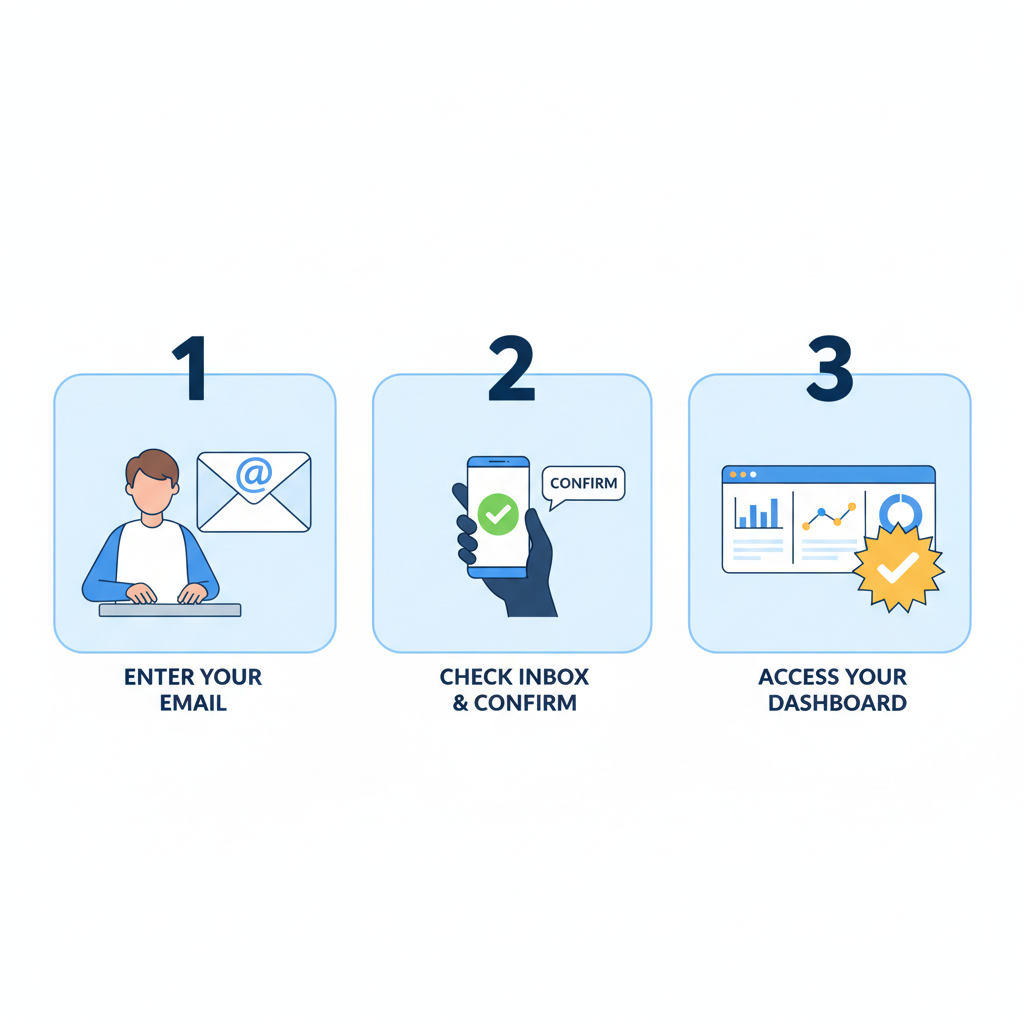
Blocknative’s EthCC session unpacks flows, MEV nuances, and mental models, essential for bundler-paymaster synergy. Meanwhile, Grasp’s tutorial ties Smart Accounts to emails, letting users mint gasless via Next. js fronts – ideal for web2-to-web3 funnels.
Shinji Sakai’s Medium scripts and official ERC-4337 docs provide no-code setups alongside ERC-20 paymasters. Pimlico’s integration with Coinbase Developer Platform, as in Rosario Borgesi’s YouTube guide, accelerates prototyping. Block Magnates terms it the enabler of true gasless txs, a view I endorse for long-term scalability.
These cases highlight paymasters’ maturity. For NFT teams, ERC-4337 gas sponsorship isn’t experimental; it’s a conservative bet on UX as the adoption flywheel.
Projects embracing ERC-4337 paymasters report conversion rates climbing 30-50% on mint days, as barriers dissolve. This isn’t hype; it’s measurable uplift from gasless flows that keep momentum unbroken.
Step-by-Step Integration for NFT Mints
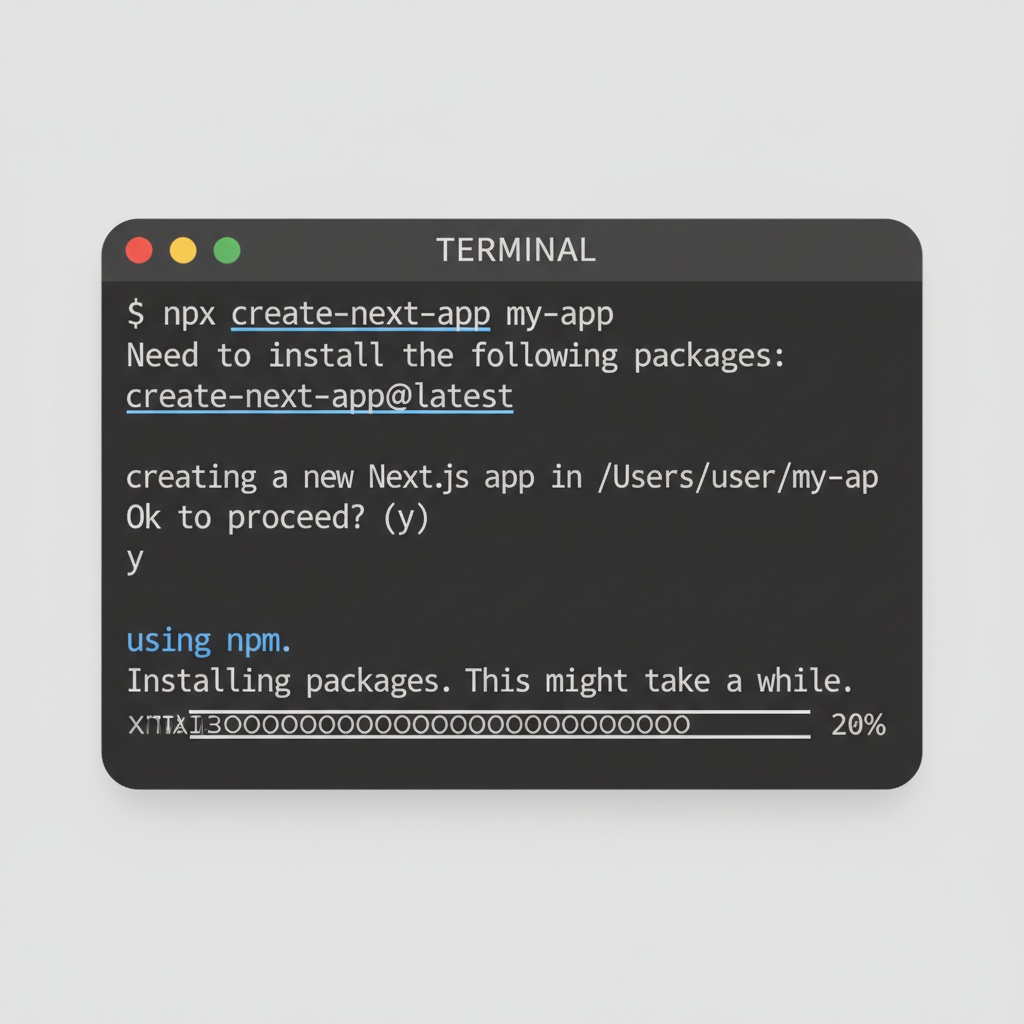
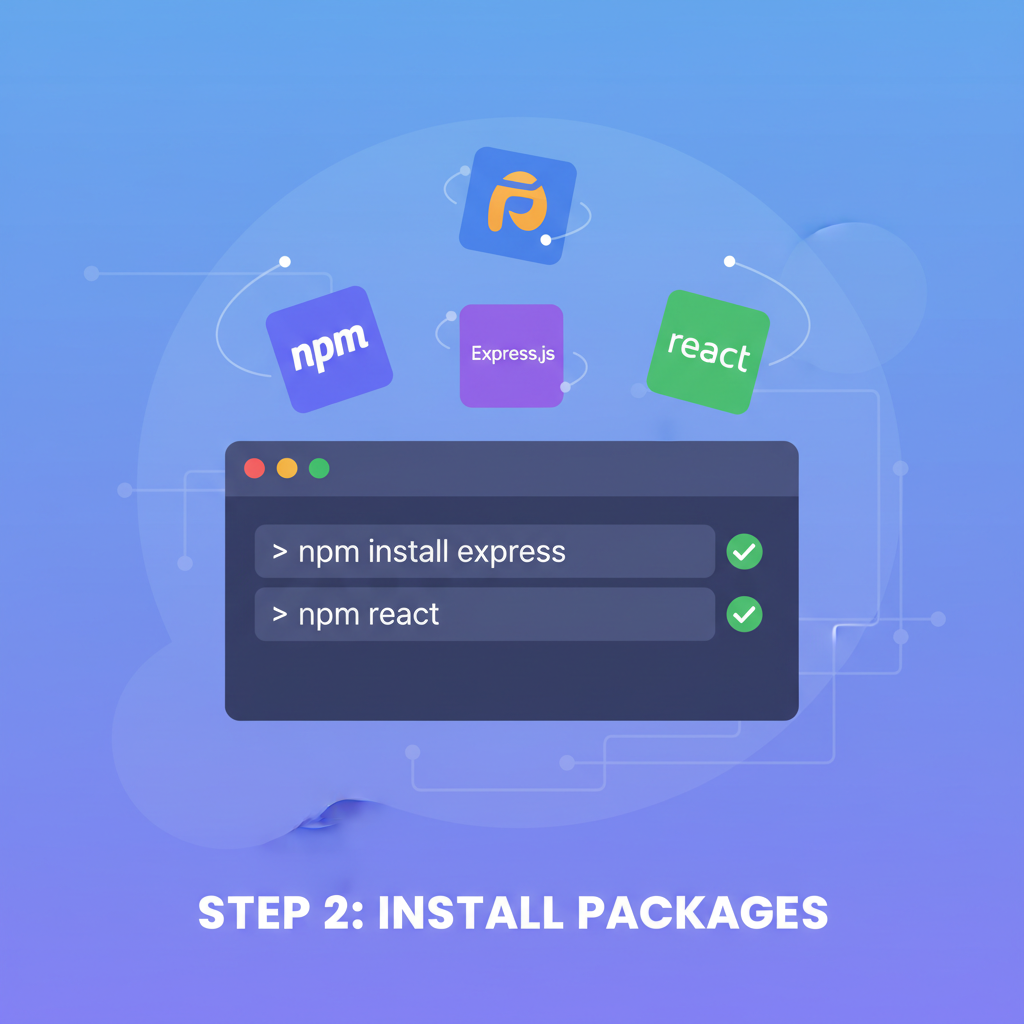
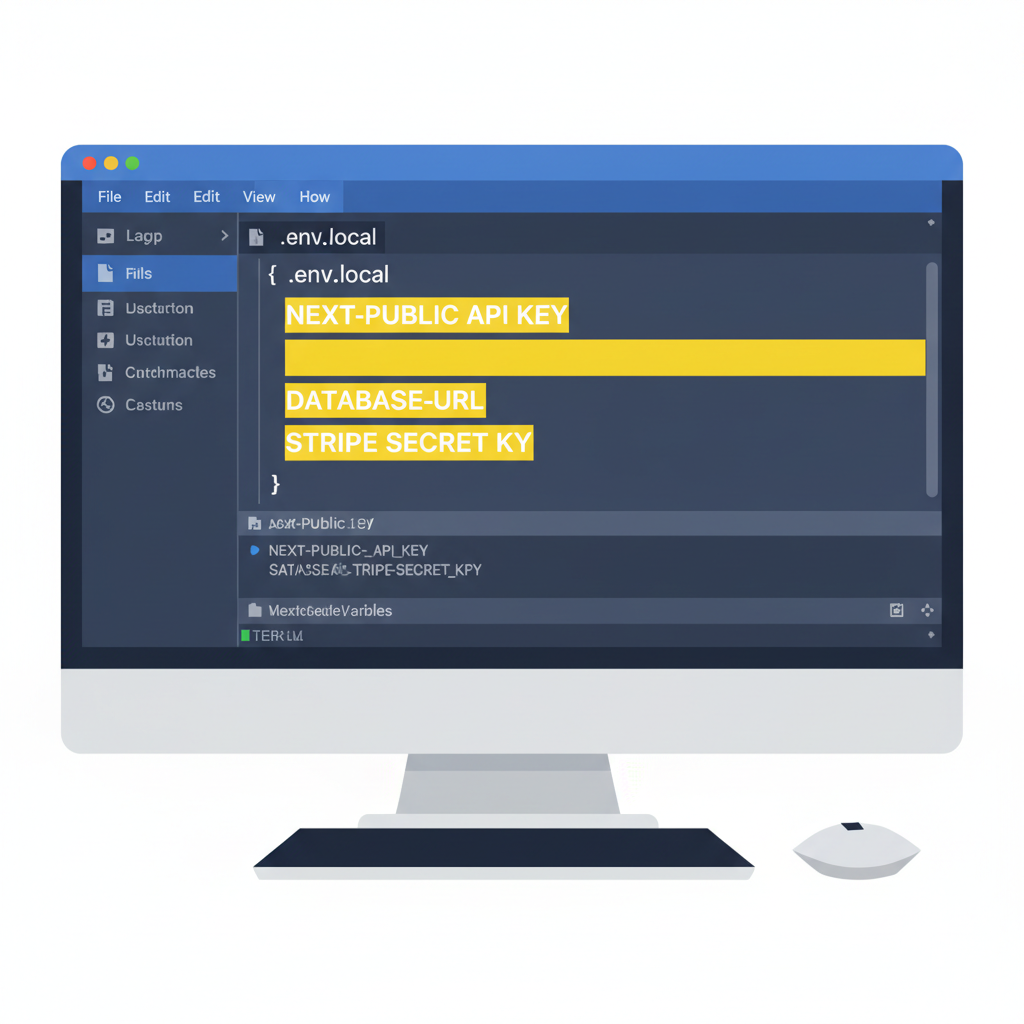
Deploying sponsored gas starts with selecting a bundler and paymaster provider. PaymasterKit. com offers pre-audited contracts, slashing setup from weeks to hours. Begin by deploying a Smart Account via their SDK, then configure the paymaster to validate mint calls against your NFT contract.
Master Gasless NFT Mints: ERC-4337 Paymaster Integration Guide
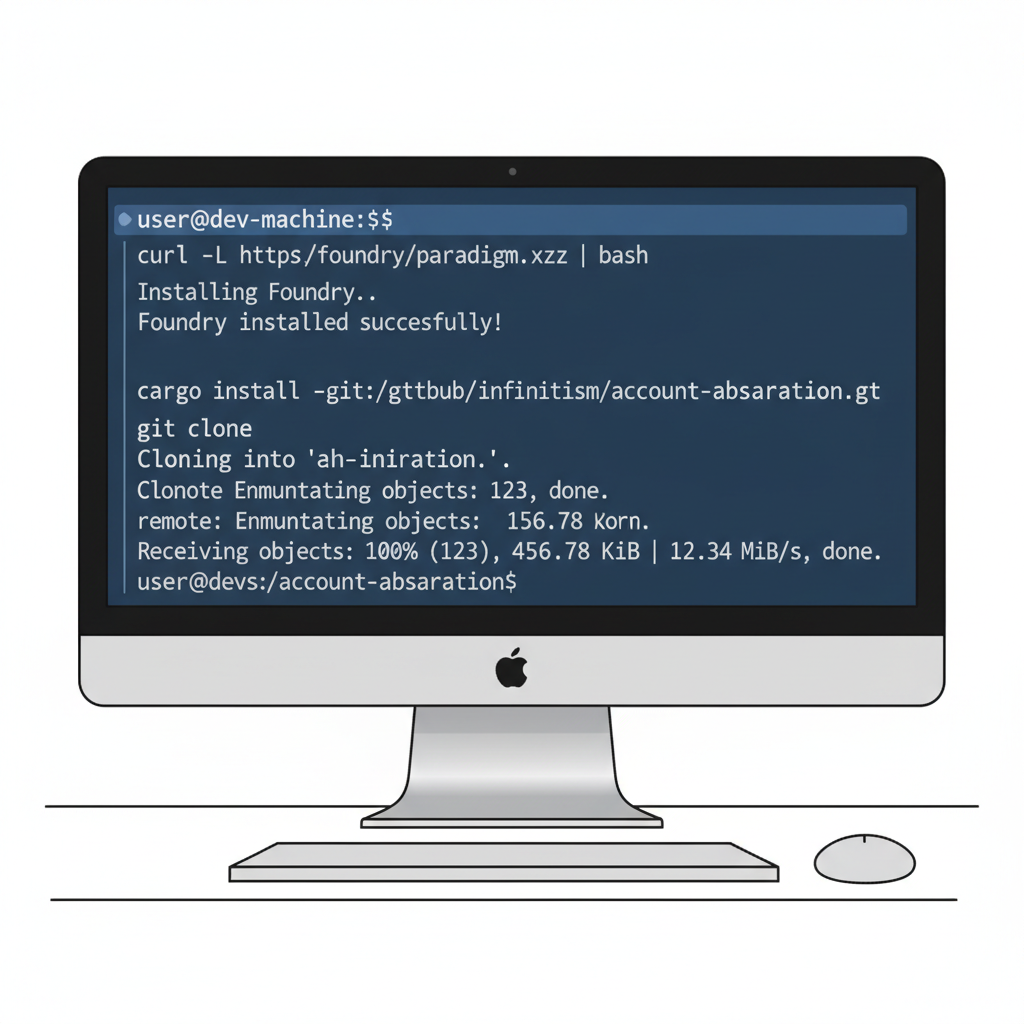
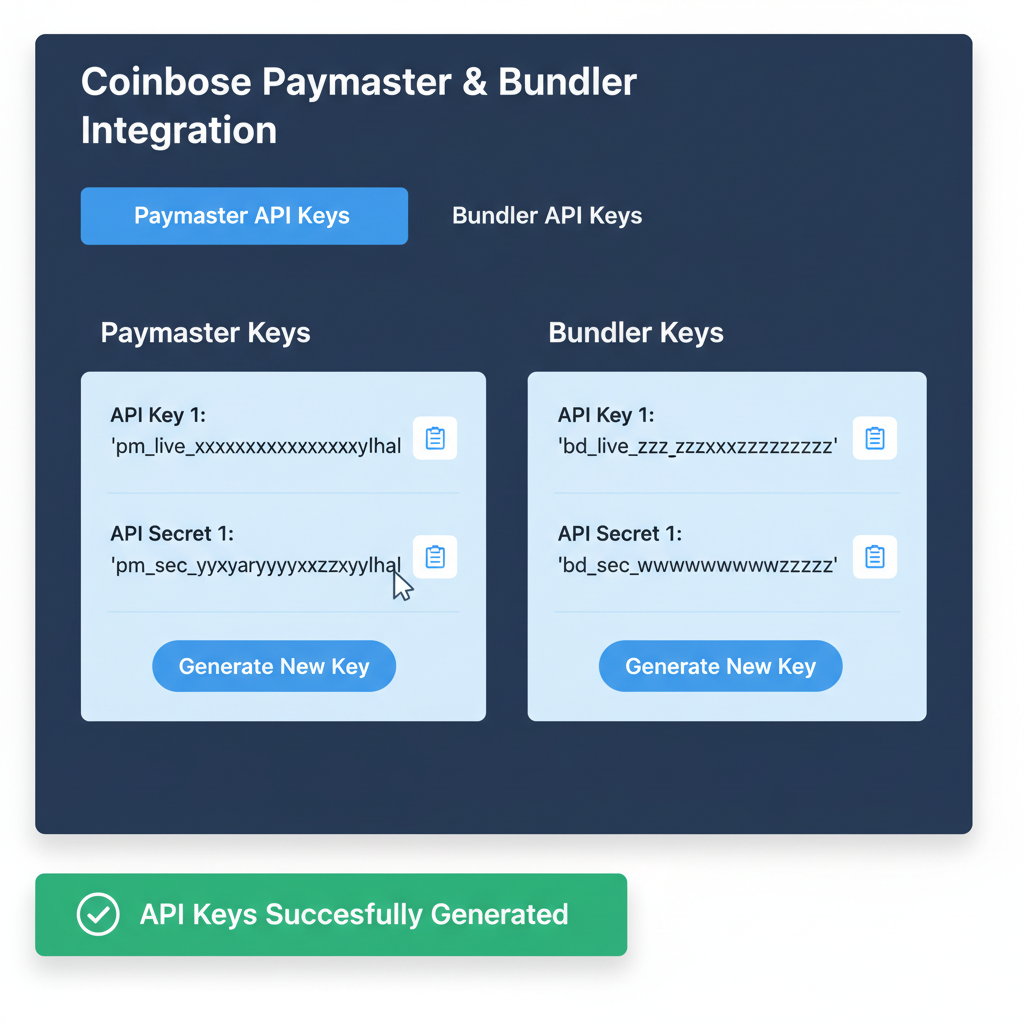
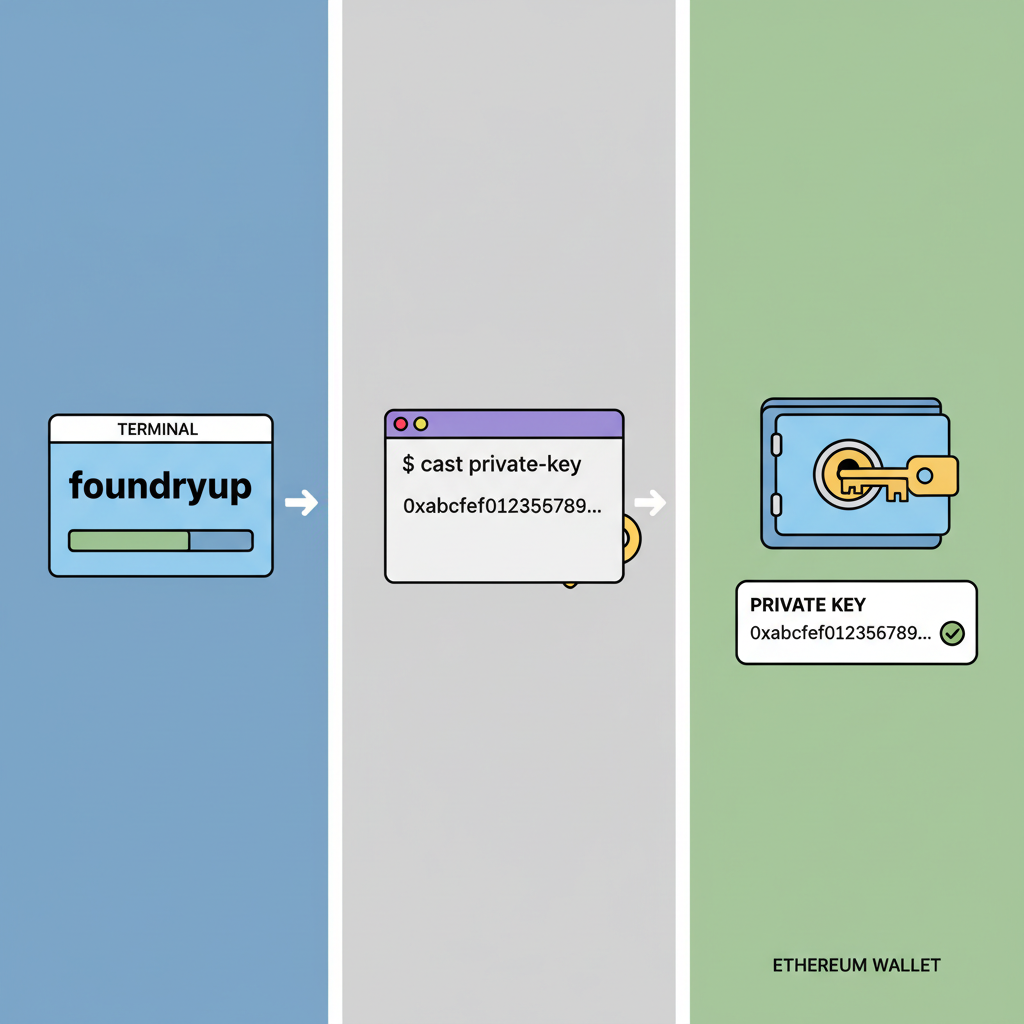
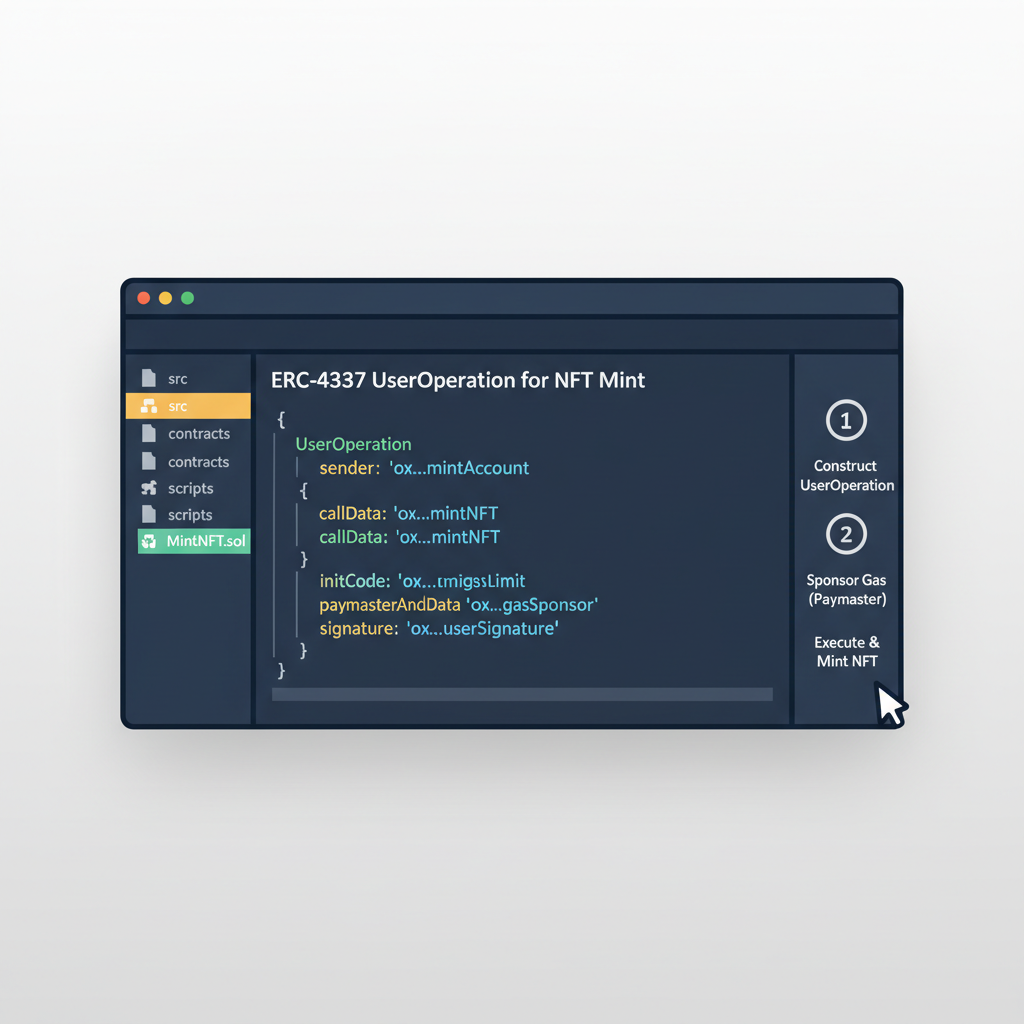
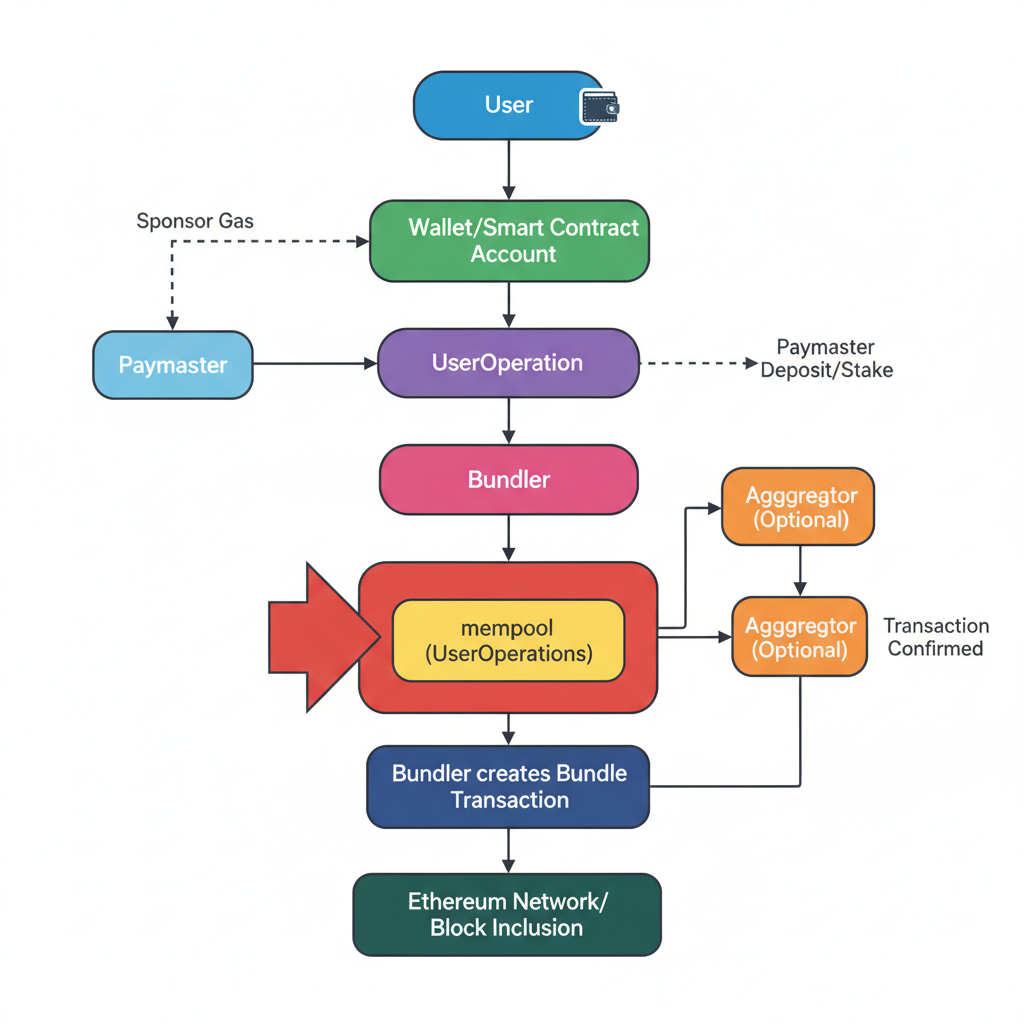
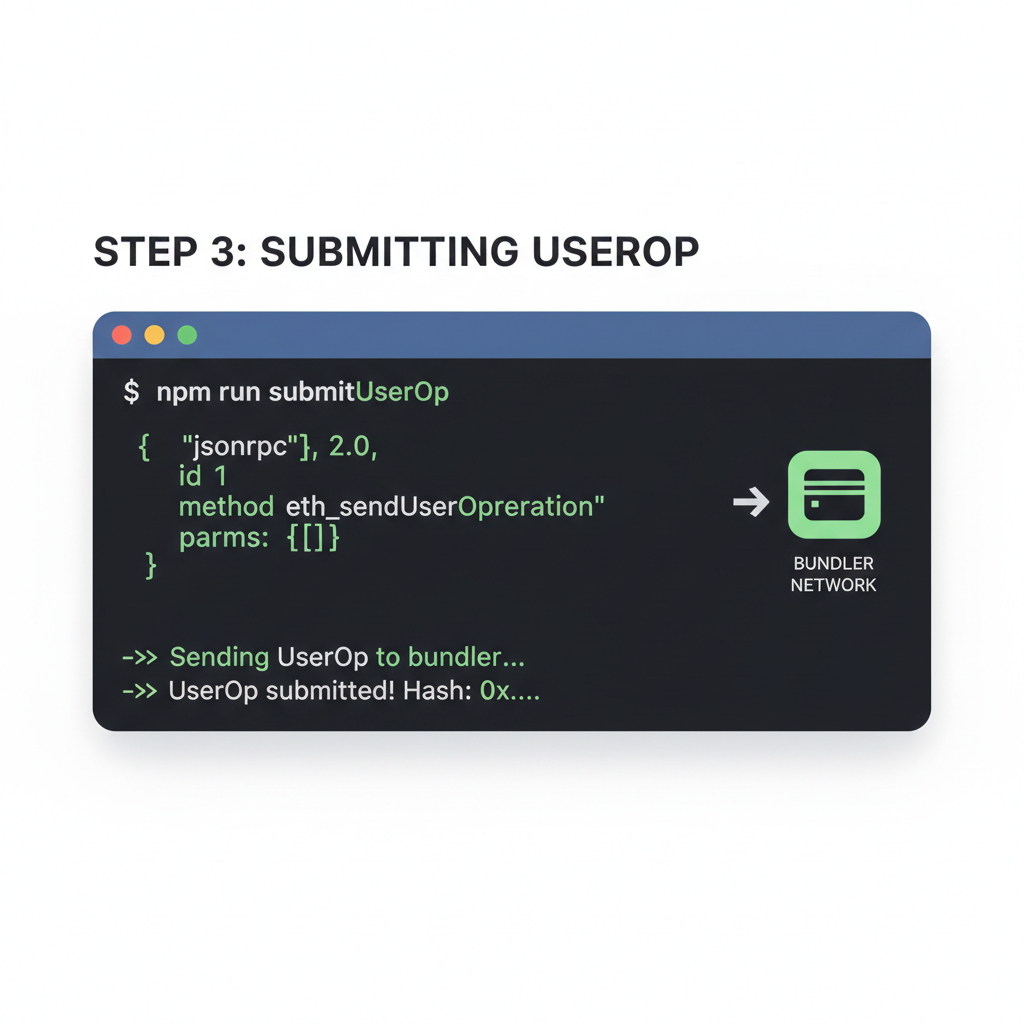
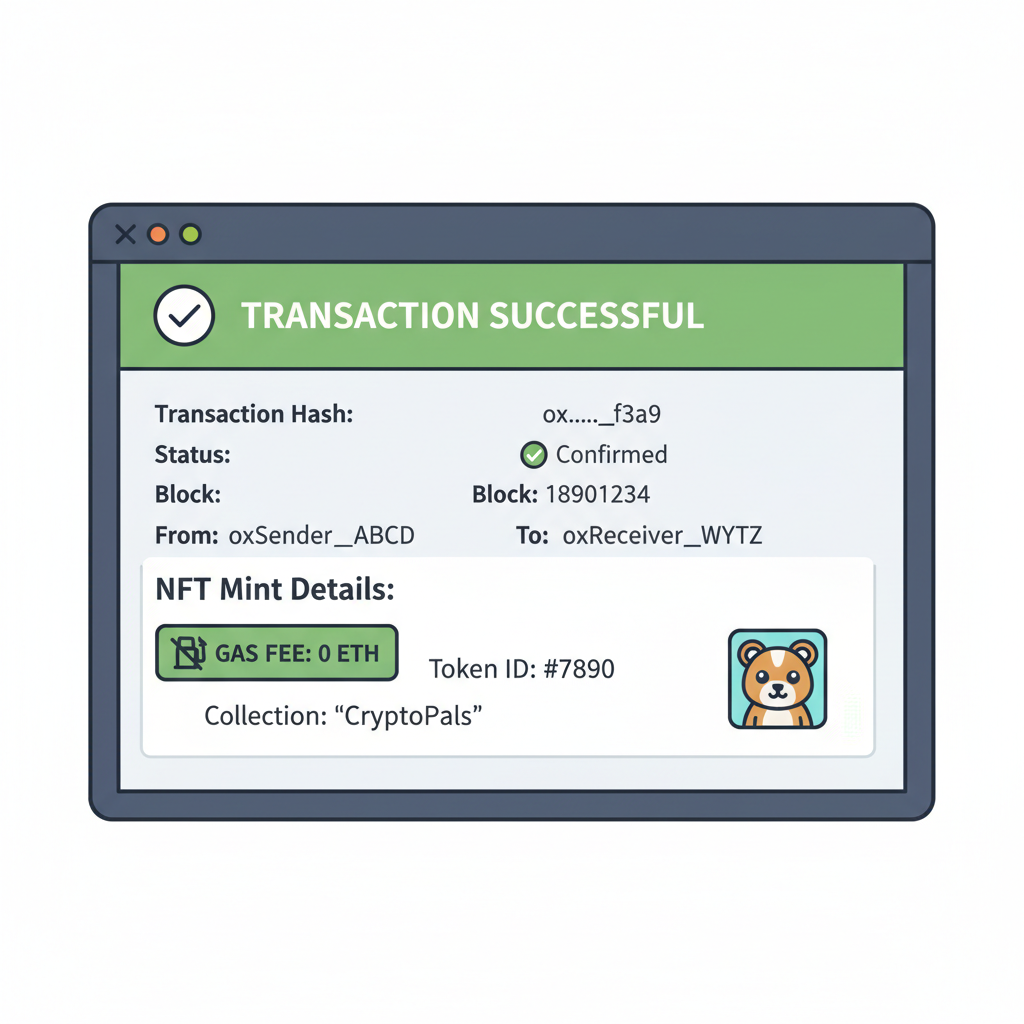
Custom logic shines here. For allowlist mints, the paymaster queries Merkle proofs on-chain before sponsoring. Token-gated? It checks ERC-20 balances. This precision prevents abuse while enabling gasless NFT onboarding. With ETH steady at $2,162.38, projects avoid subsidizing volatility spikes, budgeting fixed USDC reserves instead.
Testing on Sepolia or Base mirrors production. Coinbase Developer Docs outline Foundry workflows: generate keys, fund accounts, submit ops. Success metrics? Zero user drop-offs from fee prompts, paired with analytics on sponsored vs. paid mints.
Quantifying ROI: Metrics That Matter
Traditional NFT Mint vs. ERC-4337 Sponsored Gas Costs (ETH @ $2,162.38)
| Scenario | Avg Gas Fee (ETH @ $2,162.38) | User Impact | Project Benefit |
|---|---|---|---|
| Traditional NFT Mint | $8.65 (200k gas @ 20 gwei) |
User pays full fee 😞 ETH balance required |
Standard process ⚙️ |
| ERC-4337 Paymaster Sponsored NFT Mint | $0 (Sponsored by project) |
Gasless onboarding! 🎉 No ETH needed |
Boosts conversions 🚀 More mints & retention 💎 |
Traditional mints bleed treasury on refunds or lose 20-40% of traffic to fee screens. Sponsored variants invert this: higher volume offsets costs, often at $0.50-2 per op. At scale, a 10k mint covers via 1-2% protocol fees. My 20 years in commodities teach that such hedges against network noise yield compounding returns.
Long-term, ERC-4337 gas sponsorship embeds loyalty. Repeat minters from gasless first-touches convert to holders, stabilizing floors. Data from grasp. study’s Next. js demo shows email signups yielding 3x engagement over wallet-only flows.
Navigating Risks with Conservative Design
Vulnerabilities linger, as recent reports note. Unbounded sponsorships invite griefing; weak validations enable sandwich attacks. Counter with rate limits, signature schemes, and multi-sig treasuries. PaymasterKit. com’s ERC-20 paymaster uses Chainlink oracles for fair conversions, dodging manipulation.
Regulatory clarity aids too. Sponsorships framed as marketing incentives sidestep money transmission gray areas. For NFT teams, this means audited code from day one, audited by firms like those behind Pimlico’s stacks.
ETH’s 24-hour high of $2,188.69 and low of $2,026.51 underscore fee unpredictability. Paymasters insulate users, letting projects forecast spends accurately.
PaymasterKit. com: Your ERC-4337 Edge
Why patchwork SDKs when PaymasterKit. com delivers? Their toolkit bundles bundler endpoints, paymaster deploys, and dashboards for op monitoring. Tailored for paymaster kit NFT integration, it supports Base, Optimism, and Ethereum mainnet, with no-code dashboards for non-devs.
From Knight Warriors proofs-of-concept to enterprise DeFi, the pattern holds: frictionless UX drives retention. As a veteran watching macro cycles, I see account abstraction as the quiet revolution, much like bonds stabilizing volatile equities.
NFT landscapes evolve, but gasless mints endure as the principled path forward. Developers prioritizing sponsored gas NFT mints position for sustained growth, unhindered by Ethereum’s fee regimes. PaymasterKit. com equips you to lead this shift, turning visitors into owners without a single satoshi swapped.
About the Author