In the evolving landscape of blockchain, where AI agents are poised to handle complex on-chain interactions autonomously, the barriers of gas fees have long stifled true innovation. ERC-4337 paymasters for AI agents emerge as a pivotal solution, sponsoring transactions to enable gasless operations. When paired with EIP-7702, this integration transforms externally owned accounts into powerful, delegated wallets capable of seamless sponsorship, fundamentally enhancing gas sponsorship for AI payments.

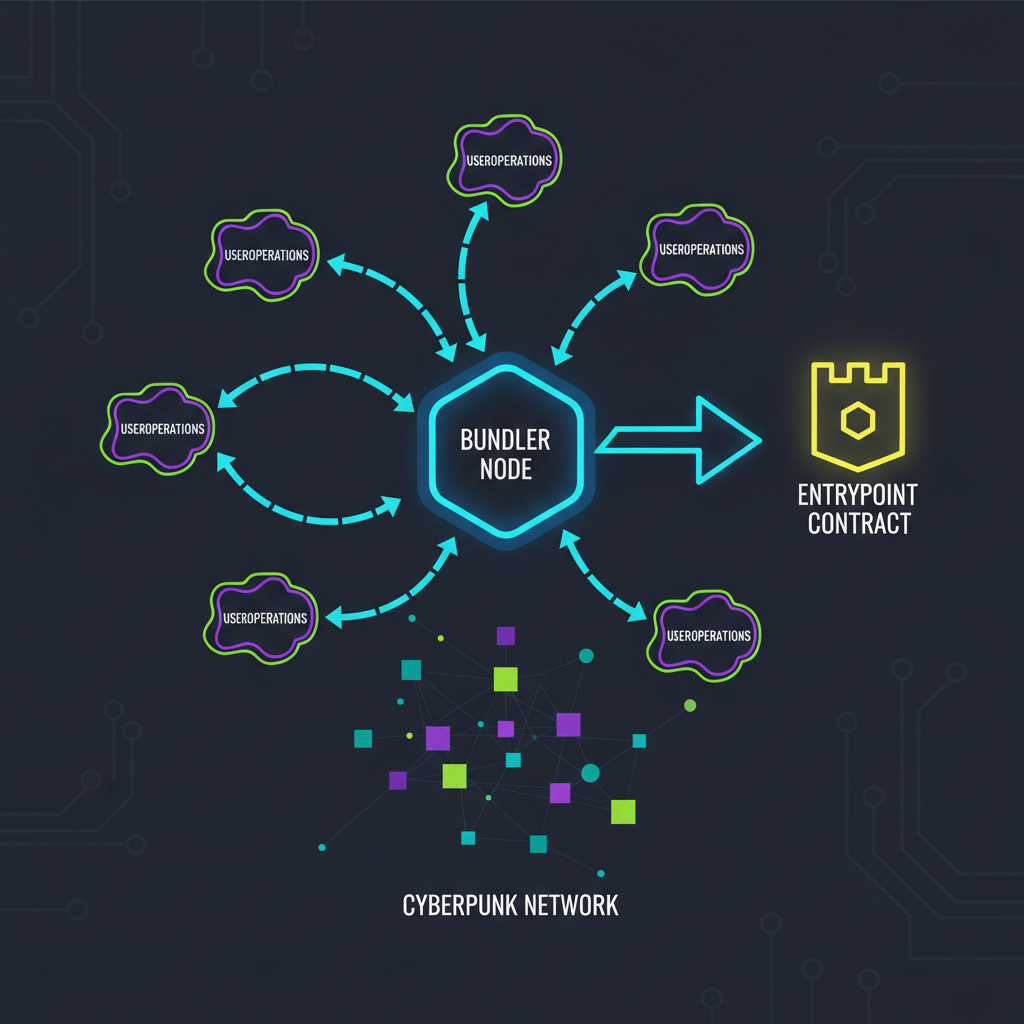
Consider the mechanics at play. Traditional Ethereum transactions demand users hold ETH for gas, a friction point that deters non-crypto natives and hampers AI agent deployment at scale. Paymasters, as defined in the ERC-4337 specification, are smart contracts that validate and fund UserOperations on behalf of users. They interact with the EntryPoint contract during validation, posting deposits to guard against spam while unlocking fluid user experiences. This isn’t mere convenience; it’s a strategic shift toward sustainable adoption, where developers focus on logic rather than fee management.
Decoding ERC-4337 Paymasters: Foundations for Gasless Transactions
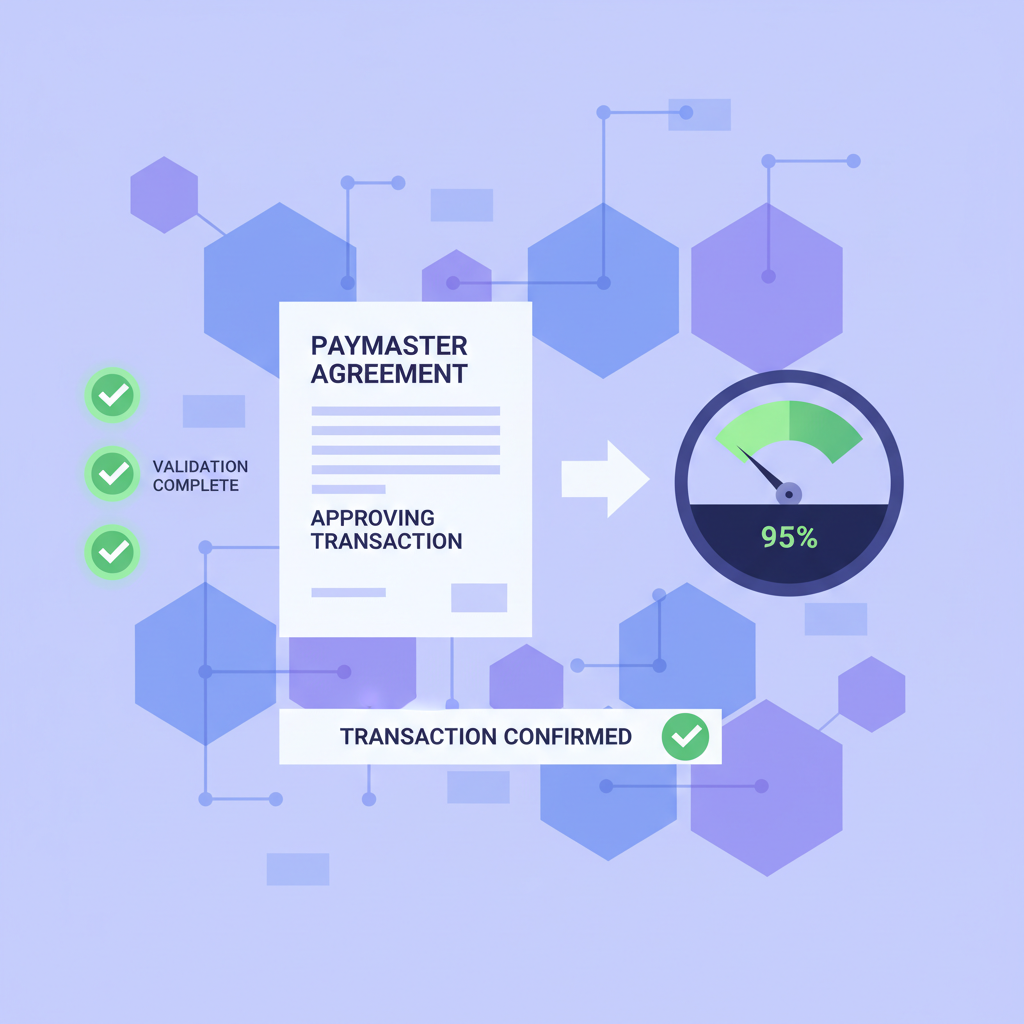
At their core, ERC-4337 paymasters redefine transaction economics. A paymaster assesses a UserOperation’s validity before committing funds, often through custom logic like token balances or NFT ownership. If approved, it covers execution gas, verification gas, and more, all while the bundler aggregates operations for efficiency. This setup, detailed in official documentation, empowers dApps to onboard users without ETH hurdles, directly boosting retention.
Mastering Gasless AI Payments: ERC-4337 Paymasters + EIP-7702 Integration
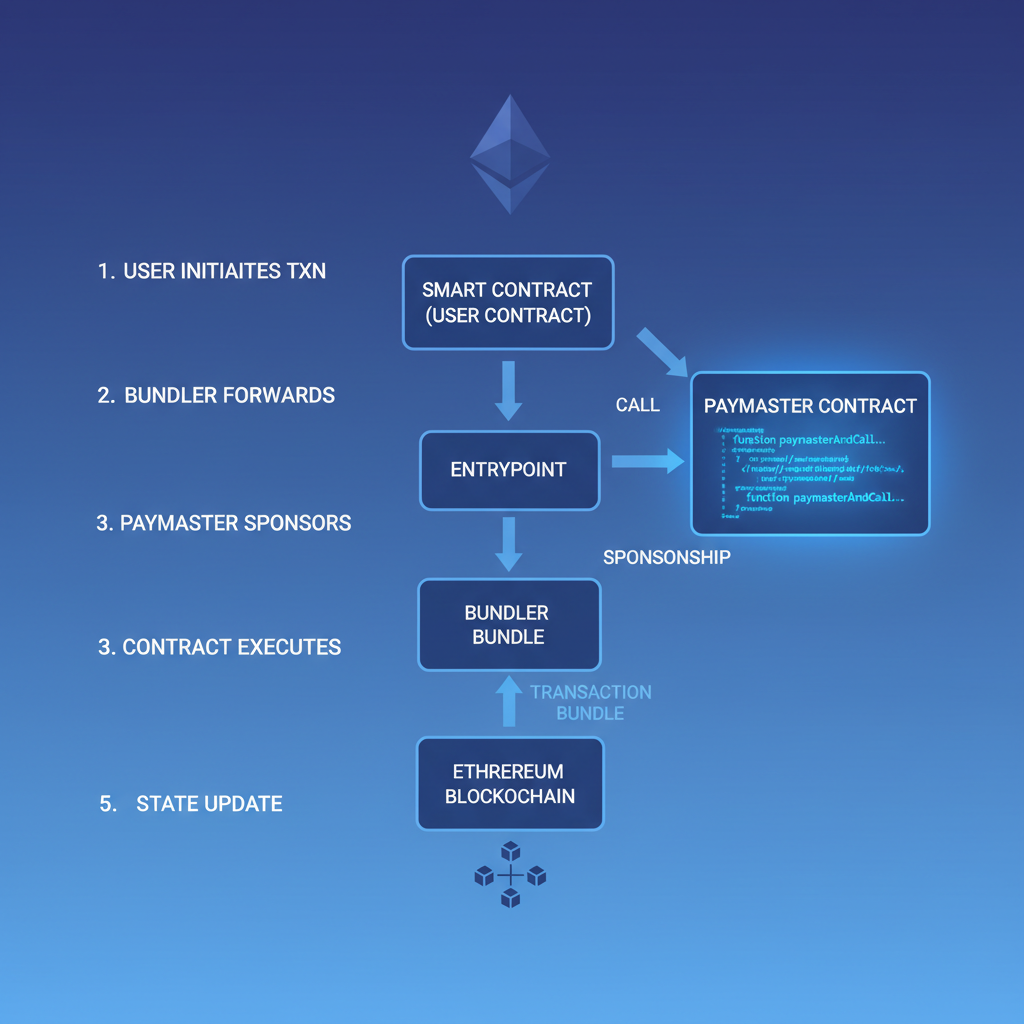
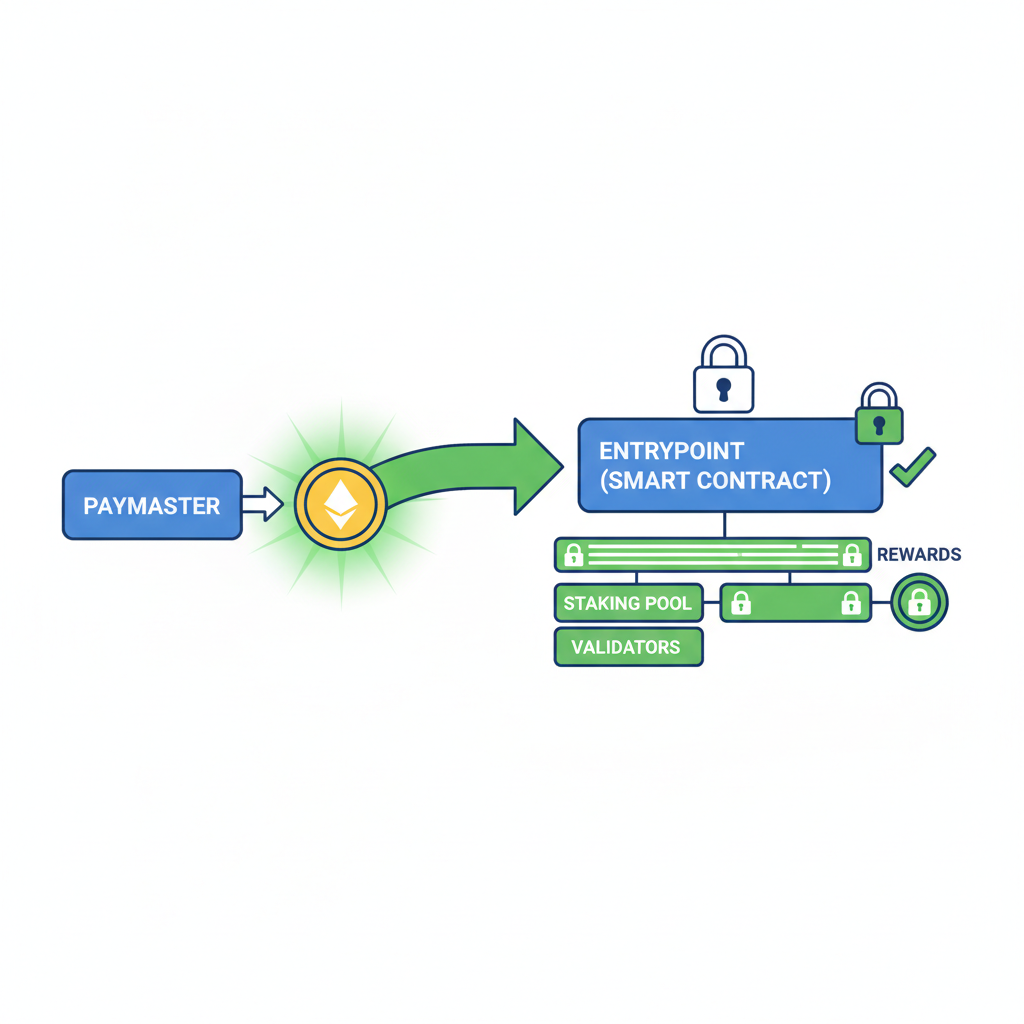
Yet, this power introduces nuances. Security audits highlight risks in paymaster code; even minimal implementations can expose vulnerabilities if stakes lapse or validation falters. Conservative developers prioritize staked deposits and granular policies, ensuring paymasters align with project economics. For AI agents, this means programmable sponsorship: an agent swapping tokens or deploying contracts gaslessly, verified by paymaster rules tied to agent reputation or task completion.
Real-world examples abound. Platforms like Circle leverage paymasters for USDC-denominated gas, extending support to ERC-4337 compliant smart wallets. Meanwhile, initiatives such as 0xGasless provide SDKs for AI-driven execution, bundling token swaps and wallet management under zero-gas paradigms. These tools underscore a truth I’ve observed over years in macro trends: infrastructure that abstracts complexity wins long-term.
EIP-7702: Elevating EOAs to Smart Account Parity
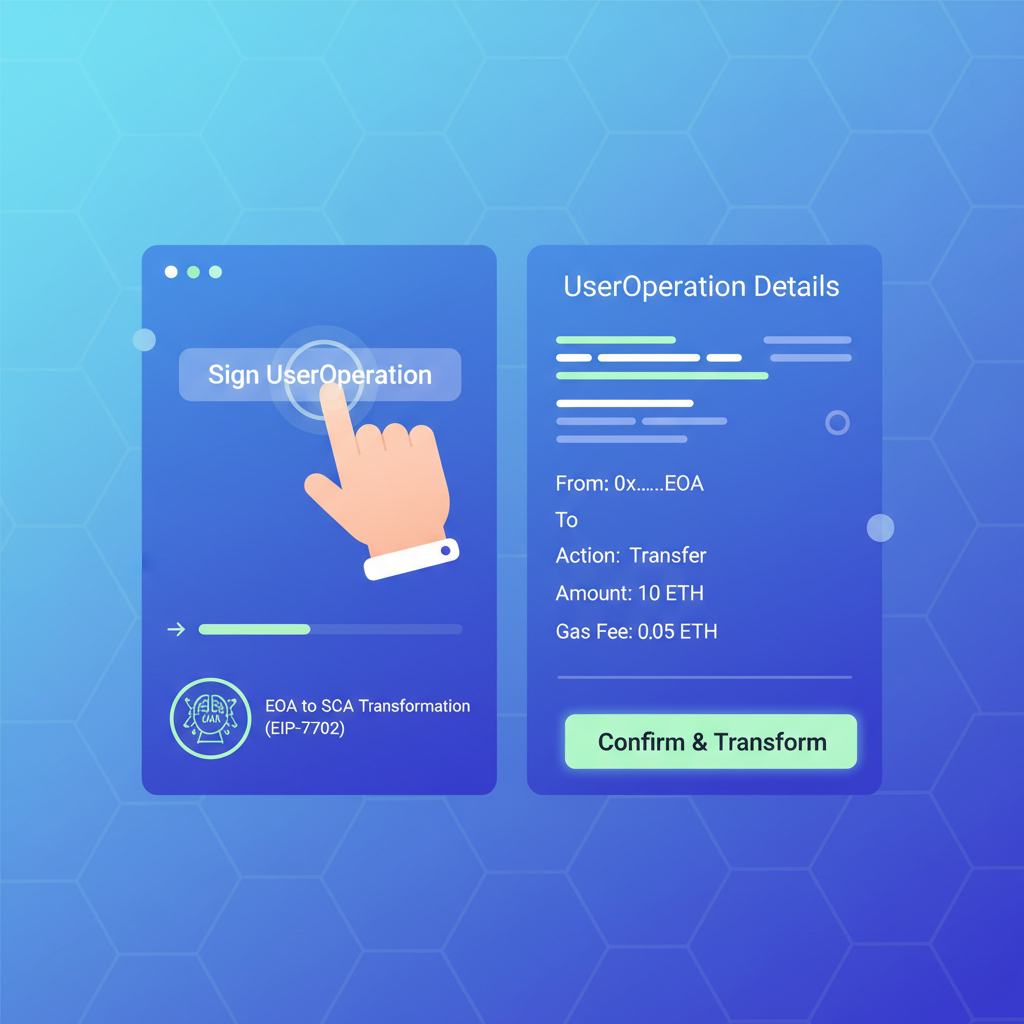
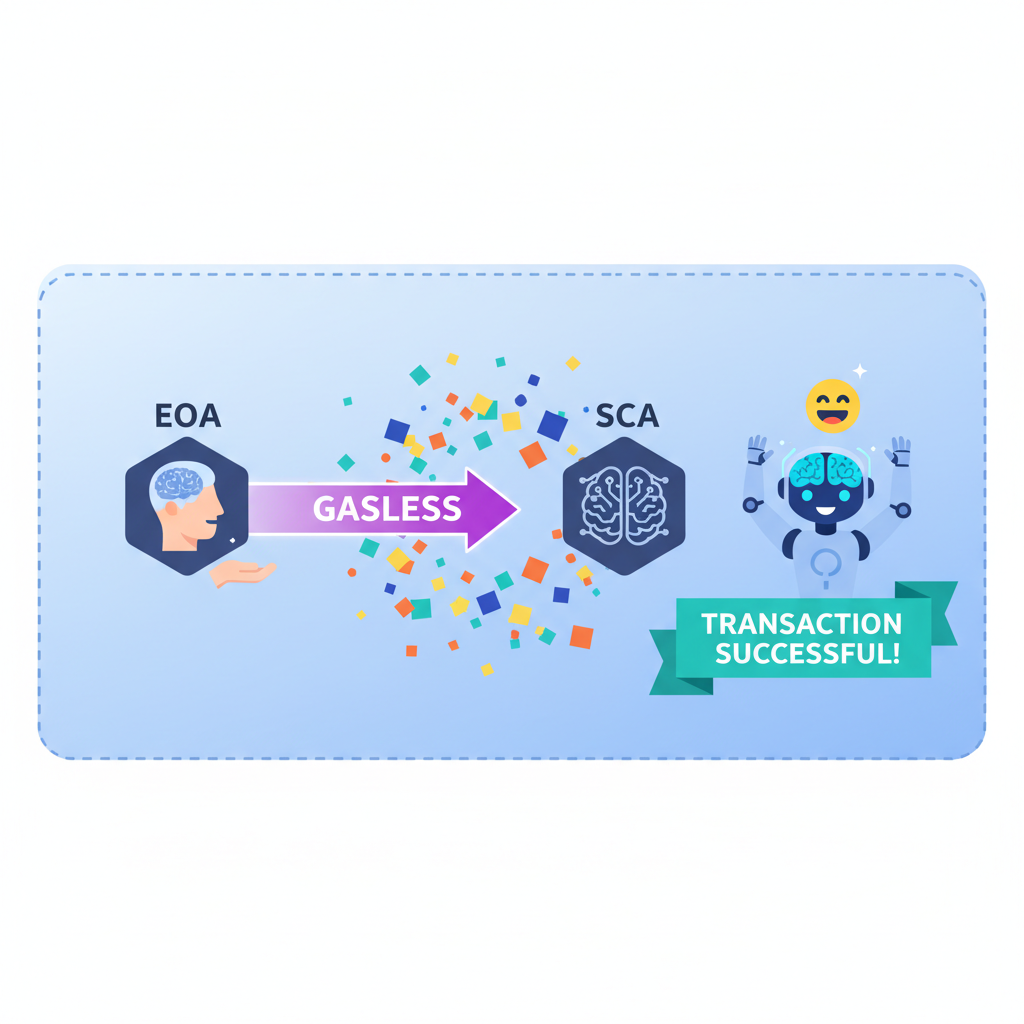
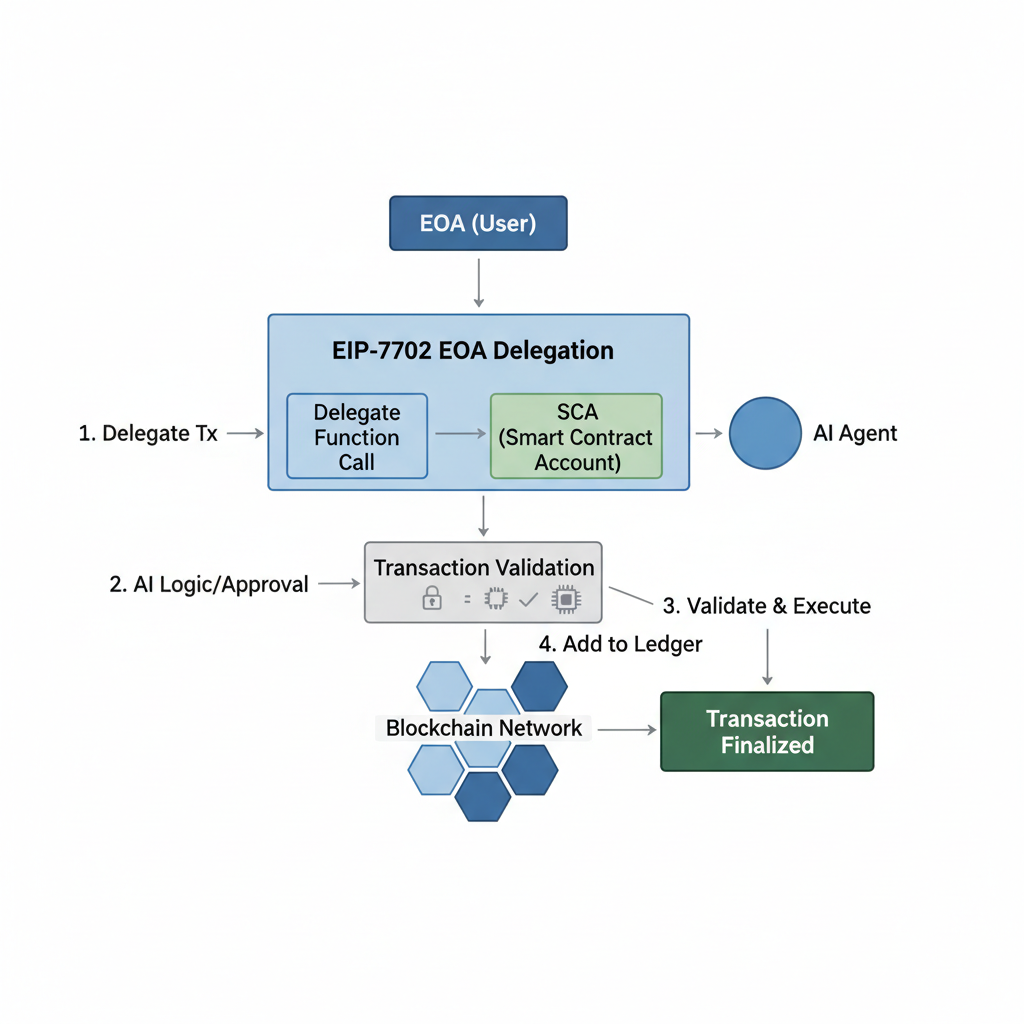
EIP-7702 marks a conservative yet profound upgrade, allowing EOAs to delegate execution to smart contract code temporarily. No migration needed; users retain addresses and assets while gaining batching, session keys, and sponsorship. This bridges the EOA-SCA divide, critical for AI agents operating from familiar wallets.
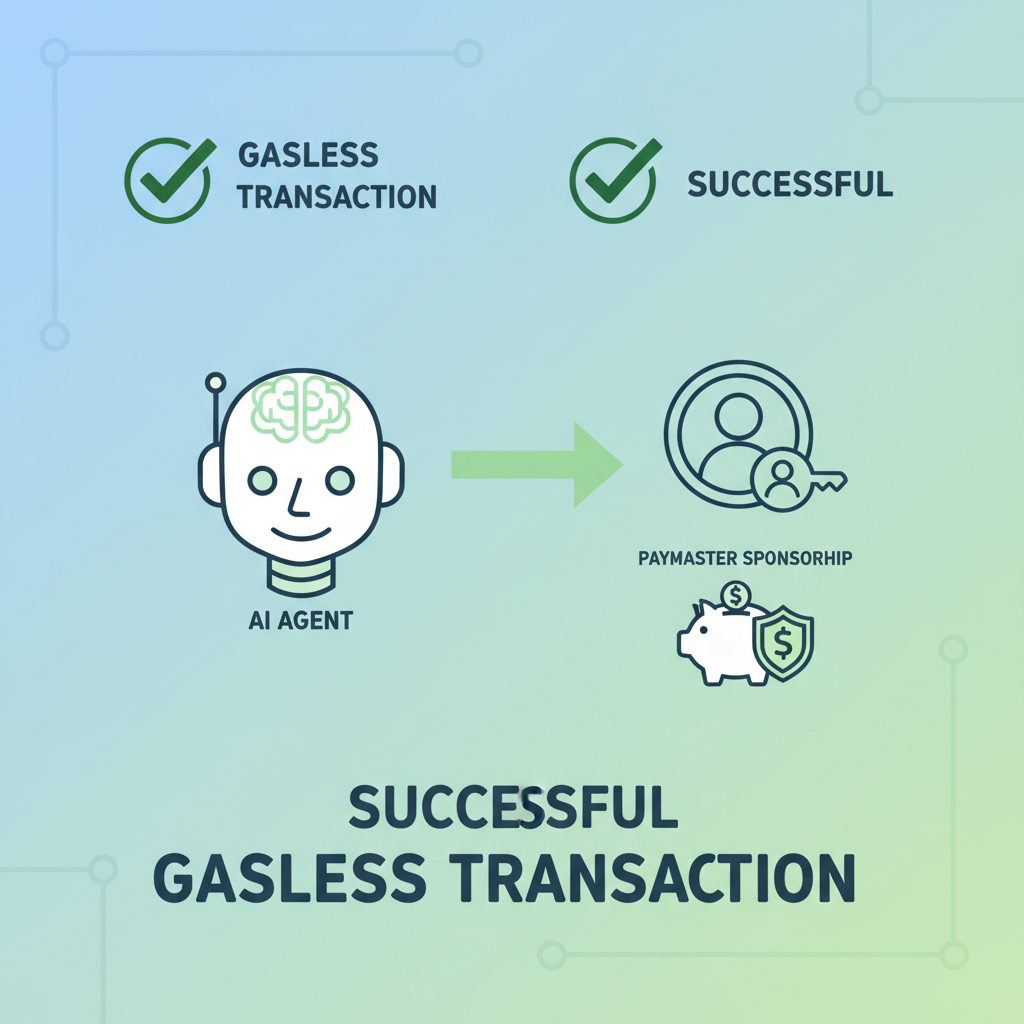
Imagine an AI agent, powered by an EOA via EIP-7702 delegation, initiating a multi-step DeFi flow. The paymaster validates, sponsors, and executes, all without user intervention. This synergy addresses EOA limitations head-on, enabling gasless ERC-4337 transactions for legacy users. It’s not flashy disruption but methodical evolution, aligning with buy-and-hold principles in protocol design.

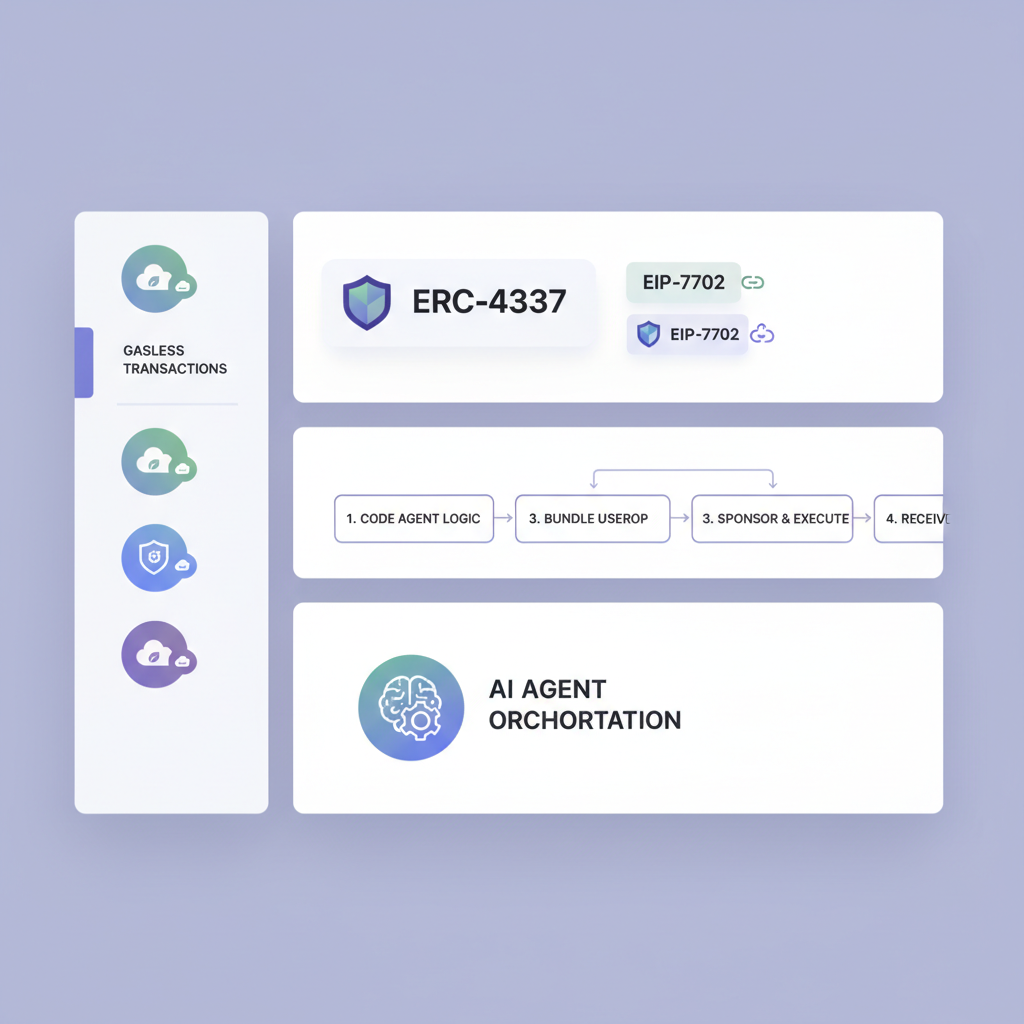
Security remains paramount. EIP-7702’s delegation requires careful signer validation, much like paymaster stakes prevent abuse. When integrated, they form a robust stack: EIP-7702 handles delegation, ERC-4337 orchestrates UserOps, and paymasters fund. Projects like Quack AI exemplify this, using x402 signatures for verifiable, policy-driven automation in agent economies.
Synergistic Integration: Powering Gas Sponsorship in AI Payments
The true potency lies in convergence. Gas sponsorship AI payments via ERC-4337 paymasters and EIP-7702 enable AI agents to thrive in production. Developers deploy agents that batch operations, settle via ERC-8183-inspired job paymasters, and scale without gas friction. 0xGasless AgentKit, supporting x402 and full abstraction, illustrates this: token-paid flows for agents using smart wallets or EIP-7702 EOAs.
This isn’t hype; it’s pragmatic. By sponsoring selectively, say, for verified agents or high-value tasks, paymasters optimize costs. EIP-7702 adds delegation flexibility, letting EOAs mimic SCAs for sponsorship eligibility. The result? Frictionless dApps where AI handles payments autonomously, from DeFi yields to NFT mints, all gasless.
Developers stand at the threshold of this integration, where thoughtful implementation separates viable projects from fleeting experiments. Selective sponsorship, governed by paymaster logic, ensures economic viability; over-generous funding invites exploitation, a lesson drawn from macro cycles where unchecked liquidity breeds volatility. Pairing this with EIP-7702 delegated wallets demands precision: delegation codes must validate caller intent, preventing unauthorized executions that could drain sponsored gas.
Practical Implementation: Building Gasless AI Agent Flows
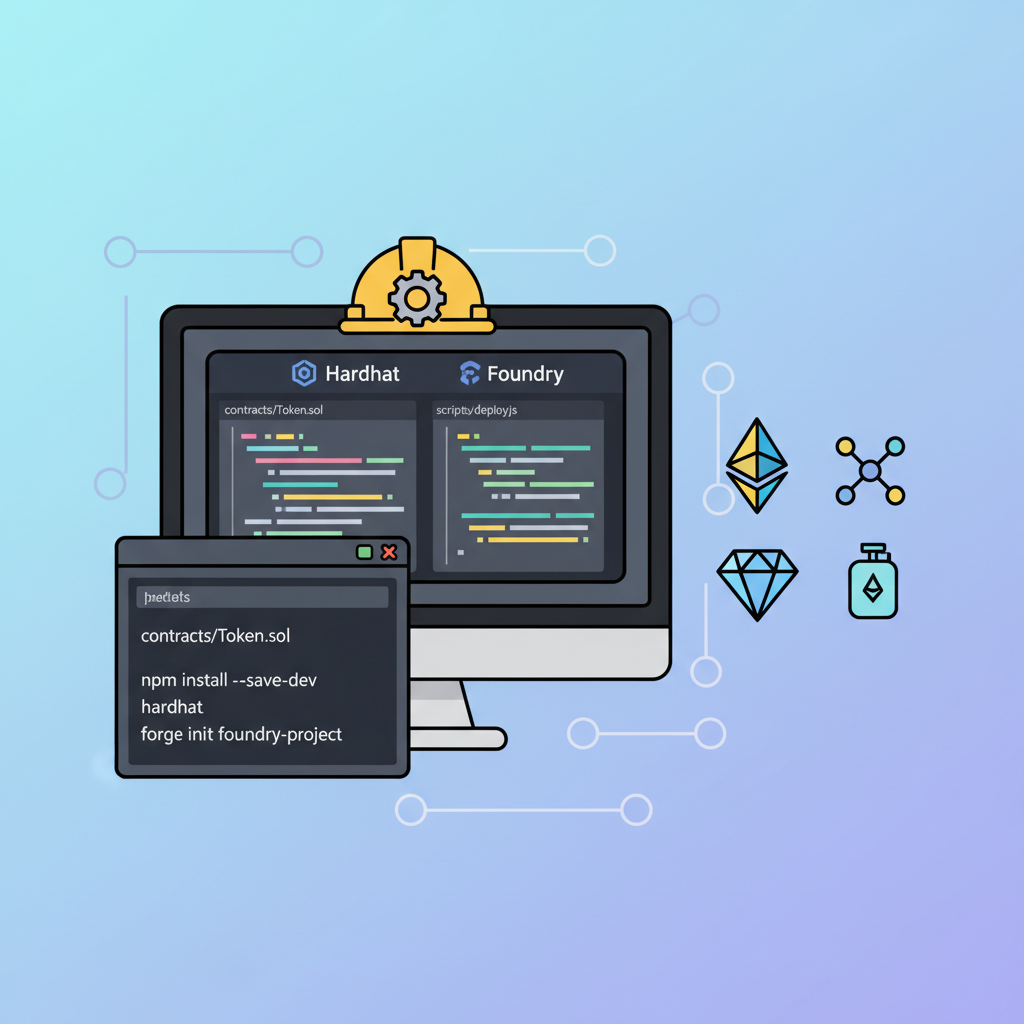
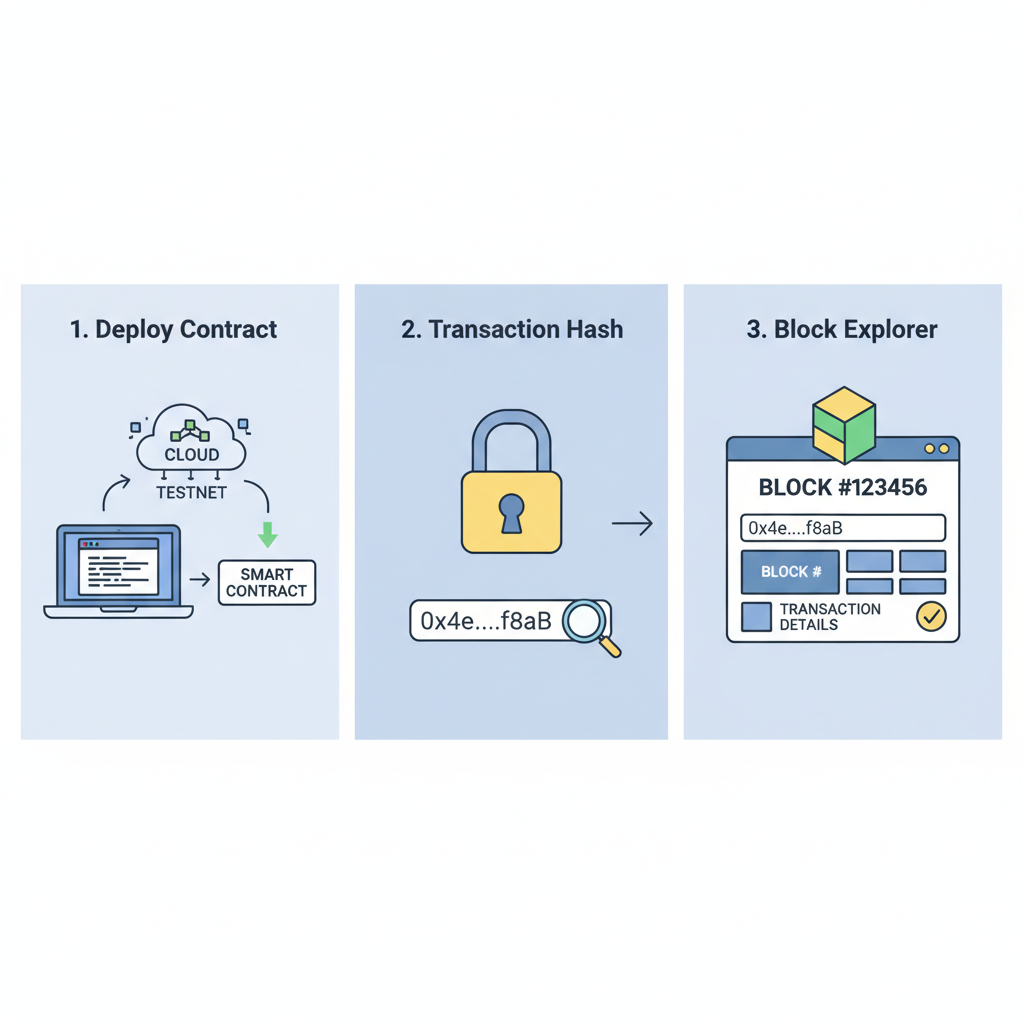
Deploy ERC-4337 Paymaster: Sponsor Gasless AI Agents via EIP-7702
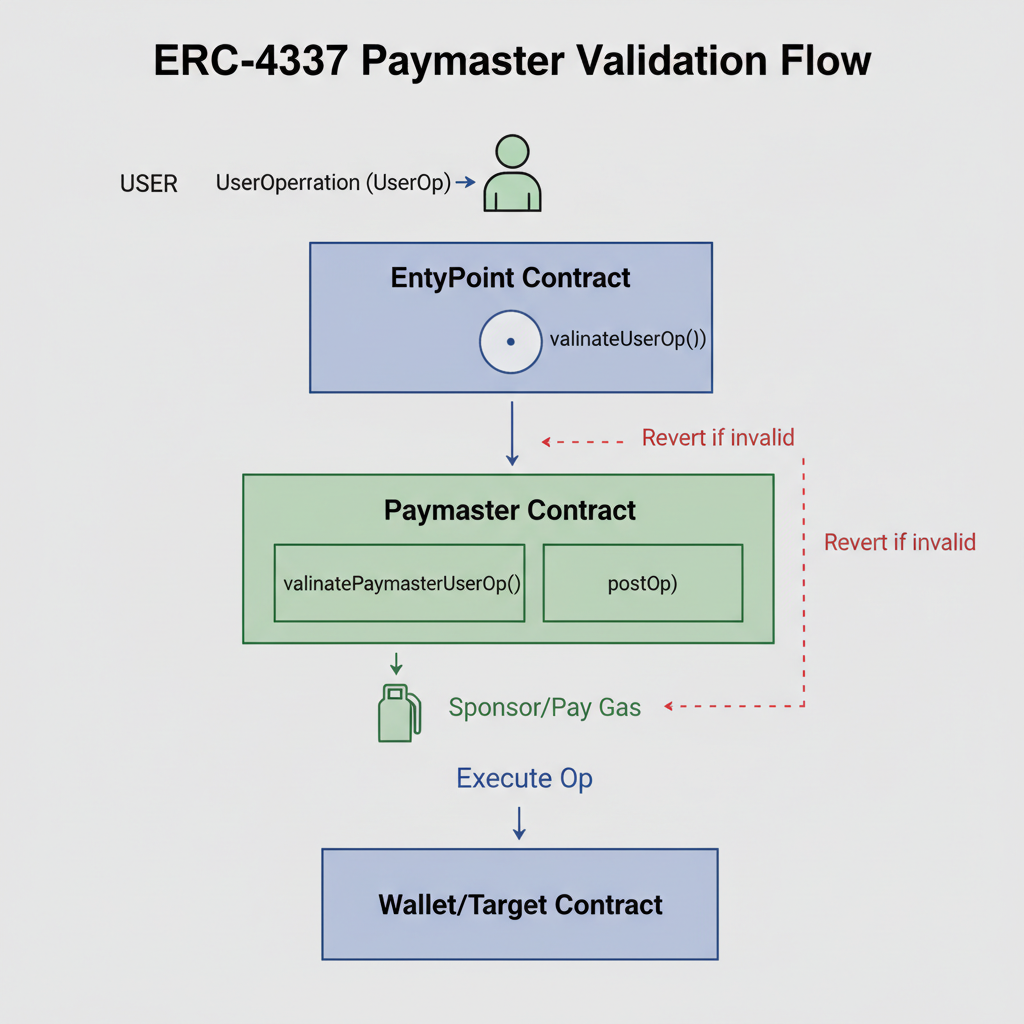
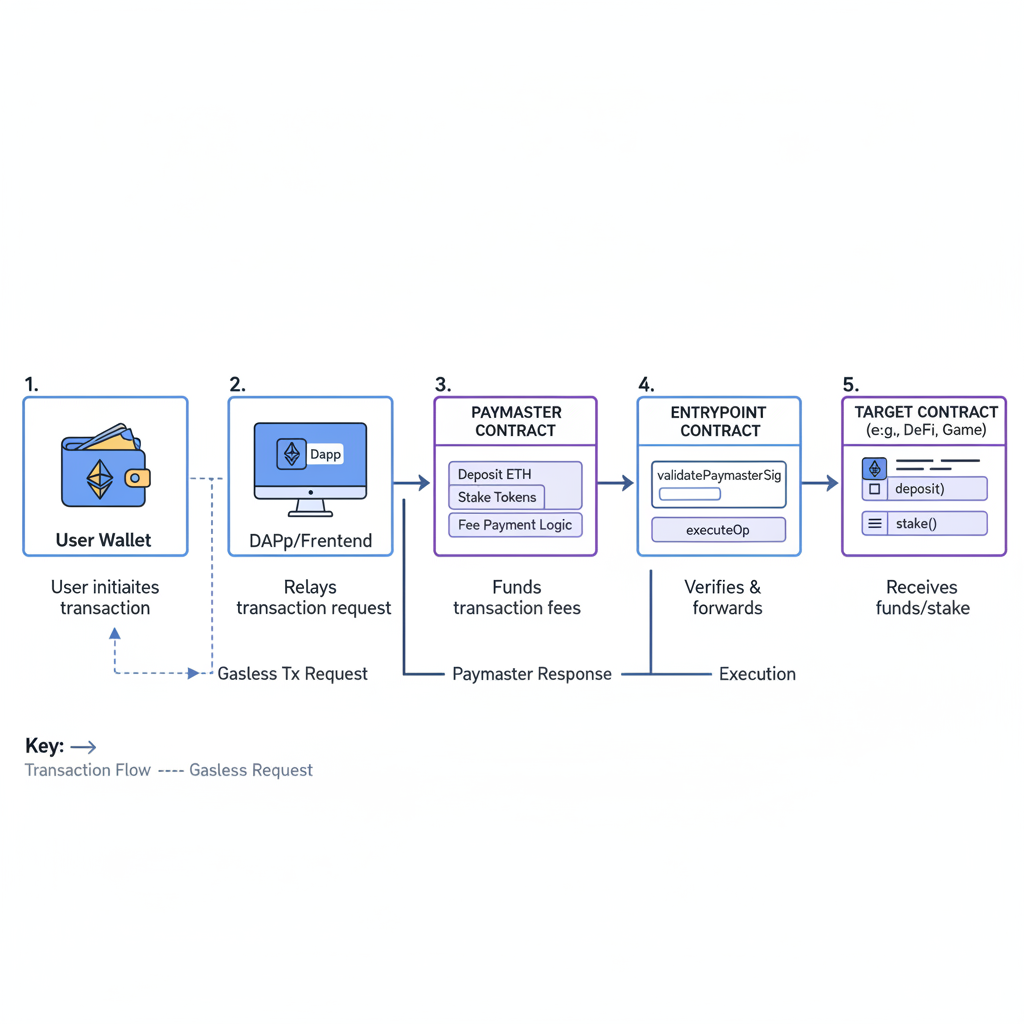
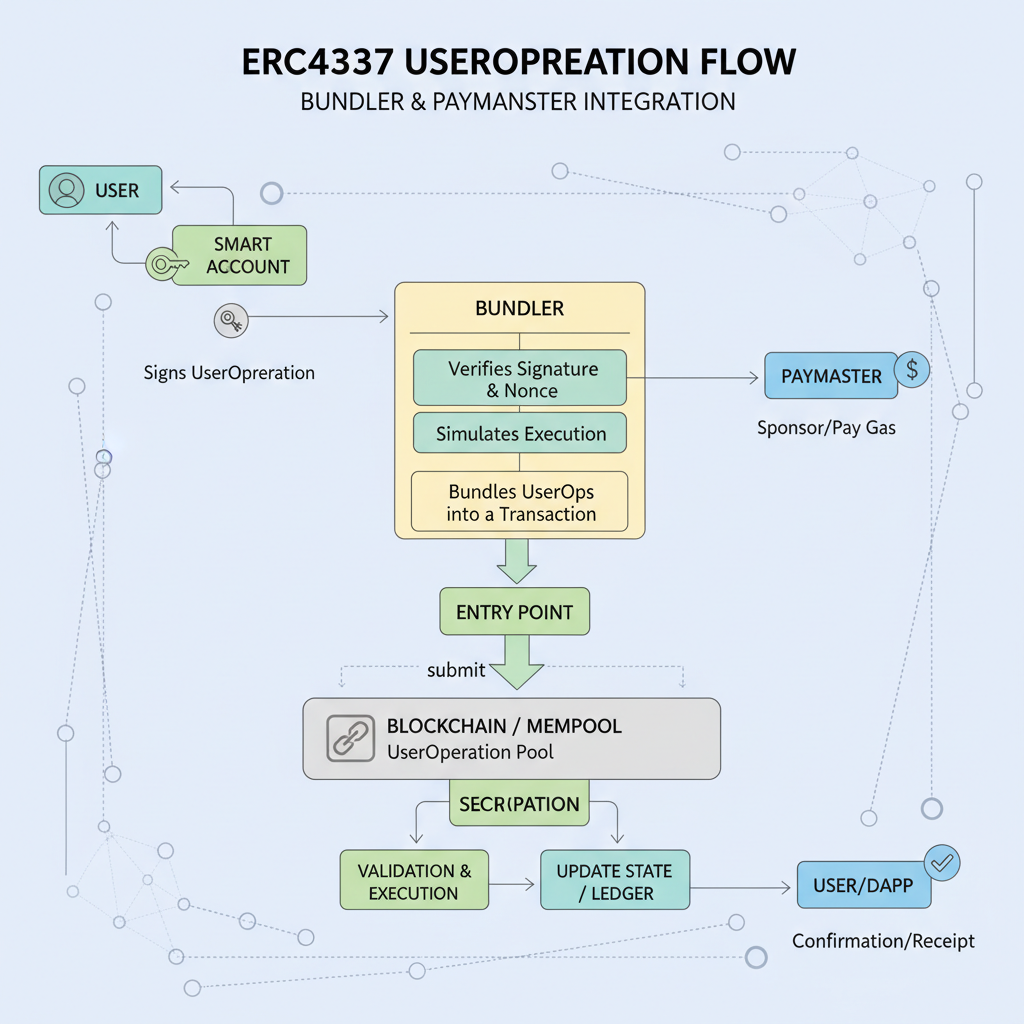
Start with the EntryPoint’s validation hook. Paymasters implement validatePaymasterUserOp, scrutinizing UserOps from AI agents. For EIP-7702, verify the delegation authorizes the agent’s code execution. Success triggers postOp for refunds or charges, maintaining balance. This stack supports ERC-8183 job settlement paymasters, settling AI tasks post-execution via x402-like proofs, ideal for agent economies.
Consider bundler dynamics. Bundlers simulate UserOps, querying paymasters before inclusion. AI agents benefit from batched ops: a single sponsored bundle handles swaps, approvals, and settlements. Platforms like Alchemy and OpenZeppelin provide audited primitives, but customization is key. I’ve long advocated adapting proven frameworks over reinventing; here, OpenZeppelin’s paymaster contracts offer a conservative base, extensible for AI-specific policies like task verification via oracles.
ERC-4337 Paymaster: Validating EIP-7702 Delegated UserOps with Token Balance Check
In this Solidity example, an ERC-4337 paymaster thoughtfully validates UserOperations from EOAs delegated via EIP-7702 to AI agent smart accounts. It conservatively checks the sender’s (EOA) balance of a specific ERC-20 token before sponsoring gas for token swaps, ensuring only qualified operations proceed.
```solidity
// SPDX-License-Identifier: MIT
pragma solidity ^0.8.22;

import {BasePaymaster} from "@account-abstraction/contracts/v0.7/BasePaymaster.sol";
import {IEntryPoint} from "@account-abstraction/contracts/v0.7/interfaces/IEntryPoint.sol";
import {UserOperation} from "@account-abstraction/contracts/v0.7/interfaces/UserOperation.sol";
import {IERC20} from "@openzeppelin/contracts/token/ERC20/IERC20.sol";

/// @title AIAgentPaymaster
/// @notice ERC-4337 Paymaster sponsoring gas for EIP-7702 delegated EOAs performing AI agent token swaps
/// @dev Includes conservative token balance check on the delegating EOA
contract AIAgentPaymaster is BasePaymaster {

    IERC20 public immutable token;
    uint256 public immutable requiredBalance;

    event UserOpSponsored(address indexed sender, bytes32 indexed userOpHash);

    constructor(
        IEntryPoint _entryPoint,
        IERC20 _token,
        uint256 _requiredBalance
    ) BasePaymaster(_entryPoint) {
        token = _token;
        requiredBalance = _requiredBalance;
    }

    function validatePaymasterUserOp(
        UserOperation calldata userOp,
        bytes32 userOpHash,
        uint256 maxCost
    ) public override returns (bytes memory context, uint256 validationData) {
        // Authoritative check: Ensure the delegating EOA holds sufficient tokens for the swap
        require(
            token.balanceOf(userOp.sender) >= requiredBalance,
            "AIAgentPaymaster: Insufficient token balance"
        );

        // Note: EIP-7702 delegation is handled by the bundler/EntryPoint;
        // paymaster trusts simulation. In production, verify UserOp signature
        // against known AI agent authorization lists.

        // Additional validation: Confirm callData targets token swap (e.g., DEX router)
        // bytes4 selector = bytes4(userOp.callData);
        // require(selector == SWAP_SELECTOR, "Not a token swap");

        emit UserOpSponsored(userOp.sender, userOpHash);

        // Approve sponsorship with no further validation data
        return ("", 0);
    }
}
```
This implementation provides a secure foundation, relying on EntryPoint simulation for execution safety. Production deployments should incorporate EIP-7702 authorization verification and precise callData parsing for swap functions to mitigate risks.
Security audits reveal the stakes. OtterSec notes hidden risks in paymaster logic; a flawed validation might sponsor infinite spam. Cantina emphasizes expanded boundaries: bundler liveness, signature malleability, replay attacks. Mitigate with deposits exceeding expected gas, multi-sig stakes, and time-locks. For AI agents, add reputation scores or zero-knowledge proofs for task authenticity. ERC-4337’s design forces these disciplines, fostering resilience akin to bond portfolios weathering market storms.
Case Studies: Real-World Wins and Lessons
Circle’s paymaster exemplifies maturity, sponsoring USDC gas for both ERC-4337 SCAs and EIP-7702 EOAs. Users pay fees in stablecoins, sidestepping ETH volatility, perfect for AI-driven remittances. 0xGasless AgentKit pushes further, enabling gasless contract deployments and swaps for agents, fully abstracted over ERC-4337 and EIP-7702. Their x402 support aligns with Quack AI’s vision: governance for agents with verifiable, policy-enforced transactions.
Reddit threads from ethdev highlight community traction; developers favor paymasters for user sponsorship over centralized relayers. Yet, pitfalls persist: DeFi Security Summit talks underscore auditing’s urgency, where tiny codebases harbor big exploits. Success stories temper this: projects batching AI ops via paymasters report 3x onboarding lifts, validating the UX thesis.
This convergence equips forward-thinking teams. PaymasterKit. com stands as the premier toolkit, streamlining ERC-4337 deployments for bundlers and abstraction. Its components handle sponsorship logic, EIP-7702 delegation hooks, and AI agent integrations, slashing setup from weeks to days. Conservative builders appreciate the audited modules, emphasizing long-term scalability over quick hacks.
Looking ahead, ERC-4337 paymasters AI agents will underpin agentic DeFi, where bots optimize yields gaslessly across chains. EIP-7702 ensures no user left behind, upgrading EOAs en masse. Challenges like cross-chain sponsorship loom, but solutions emerge: bridged deposits and generalized paymasters. The path mirrors commodities markets; patience with fundamentals yields enduring value. Developers wielding these tools craft ecosystems where AI payments flow unhindered, adoption compounds, and blockchain fulfills its accessibility promise.
About the Author