
Imagine firing off DeFi swaps in your React app without users sweating ETH gas fees. With Ethereum trading at $1,956.73 after a -2.27% dip over the last 24 hours, every satoshi counts. ERC-4337 paymasters flip the script on gasless DeFi swaps, letting you sponsor transactions and obliterate onboarding friction. As a battle-hardened crypto trader who’s seen markets swing wild, I know killer UX drives adoption – and PaymasterKit. com arms you with the tools to make it happen in your React dApp.
Account abstraction via ERC-4337 isn’t just hype; it’s a protocol-level upgrade for smart wallets. Users get custom auth, batched ops, and crucially, paymasters that foot the gas bill. No more ‘send ETH first’ nonsense. This is gas sponsorship UX on steroids, perfect for DeFi protocols where swaps need to feel instant and free.
Why Paymasters Crush Traditional Gas Models in DeFi
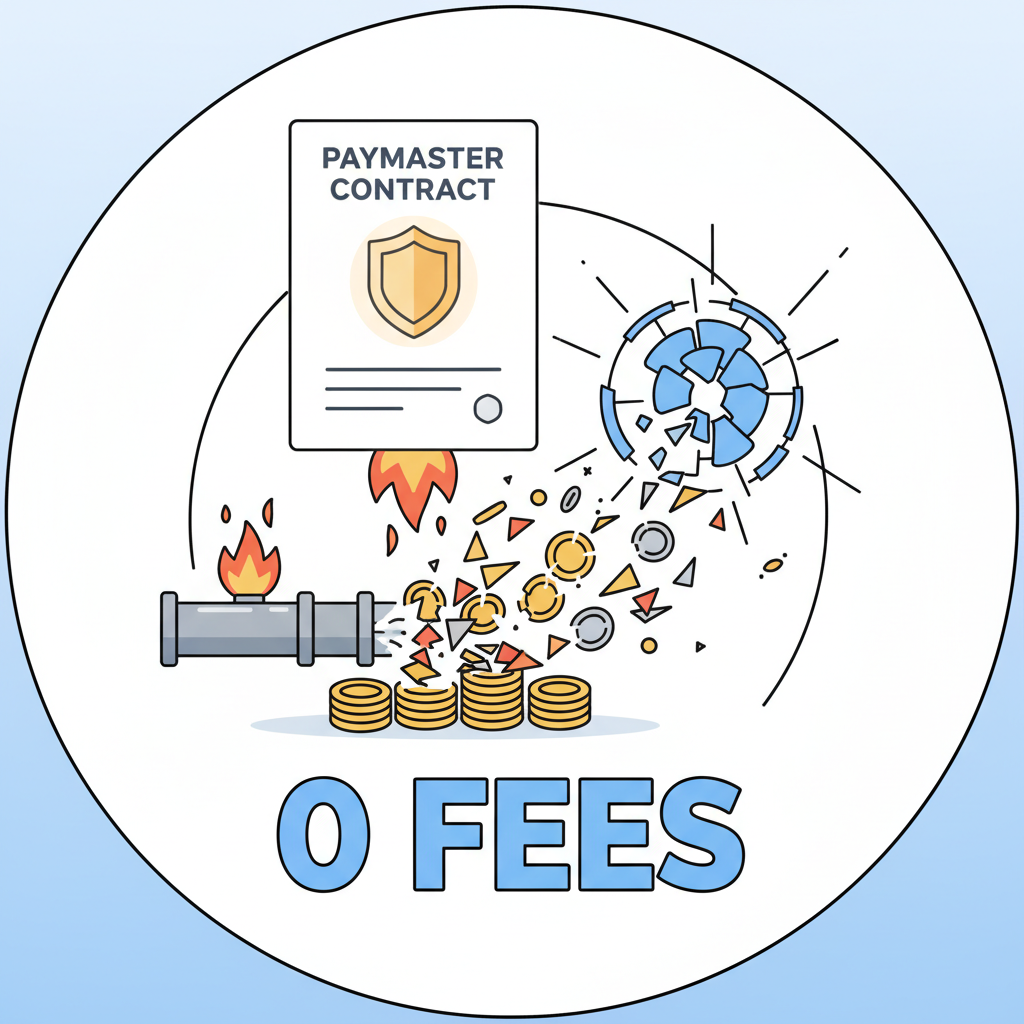
Traditional Ethereum? Users need ETH for everything, even if they’re swapping USDC for UNI. It’s a buzzkill, especially at $1,956.73 per ETH. Paymasters change that by validating UserOperations and covering costs if conditions match – think quota systems or ERC-20 payments. From Alchemy’s SDK magic to Pimlico’s simulation tools, these bad boys enable paymaster integration React devs crave.
I’ve traded through bull runs where gas wars killed momentum plays. ERC-4337 paymasters? They keep users in the flow, boosting retention. Openfort handles Ethereum and Solana sponsorships; Thirdweb lets ERC-20s pay gas. Gasless means higher volume, period.
Demystifying the ERC-4337 Stack for React Warriors
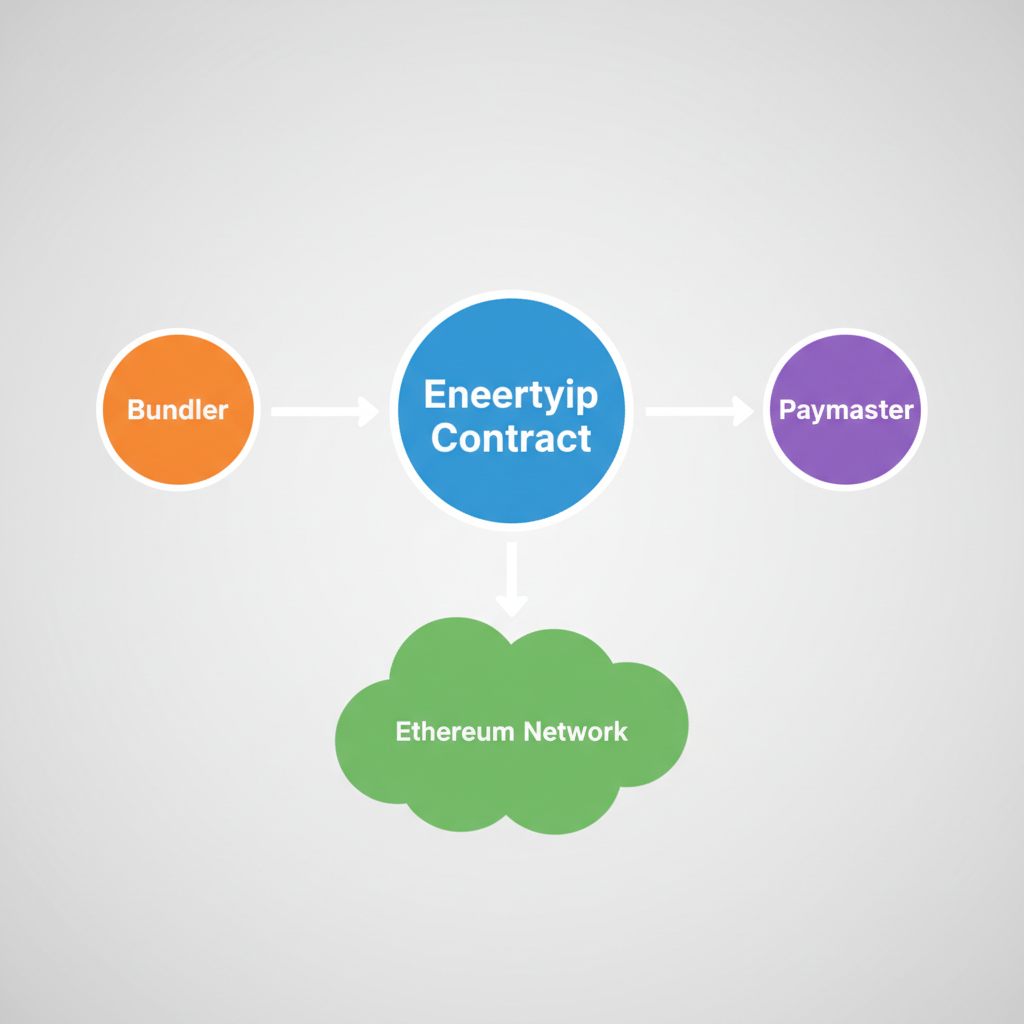
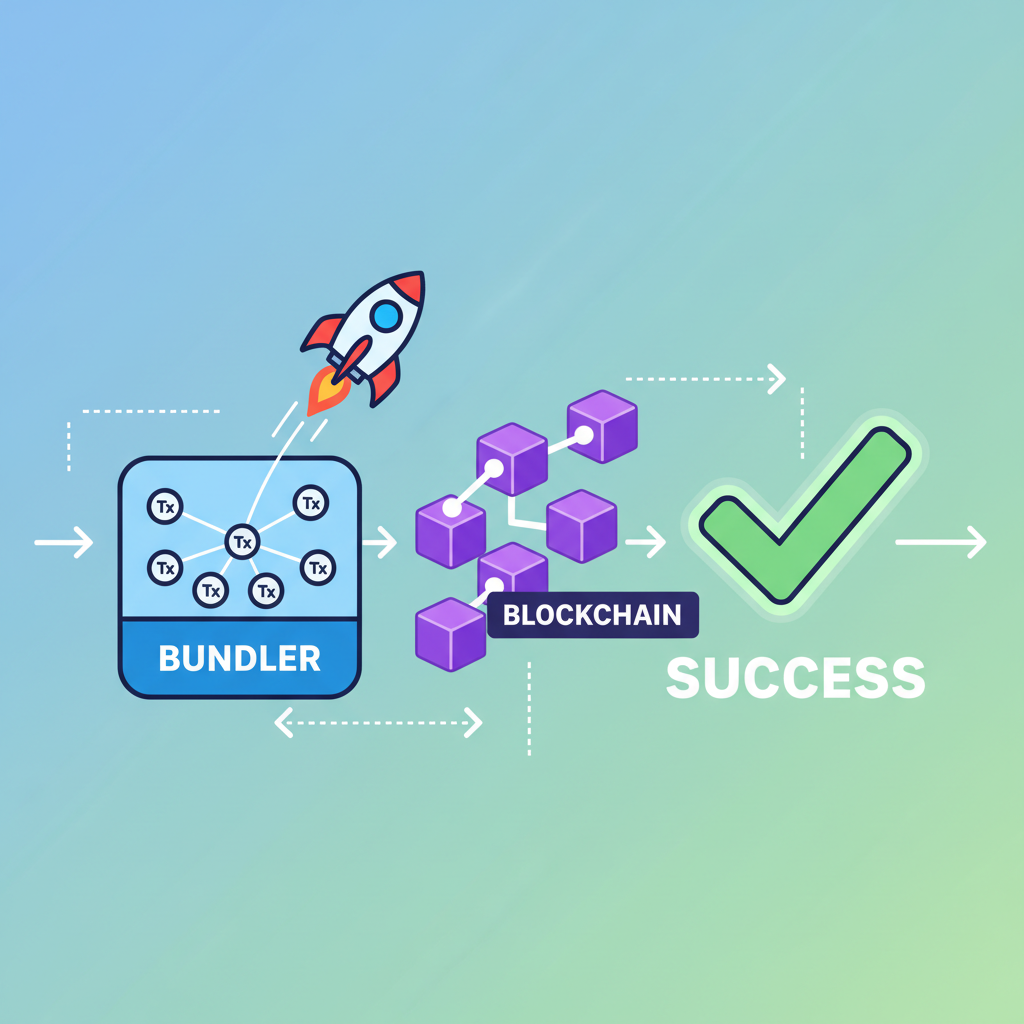
At its core, ERC-4337 uses EntryPoint contracts, bundlers, and paymasters. Your React app crafts a UserOperation – that’s the call data, init code, paymasterAndData, all bundled up. Bundlers aggregate and submit to the EntryPoint, which calls your paymaster’s validatePaymasterUserOp hook.
If it greenlights, boom – sponsored tx. PostOp lets paymasters act after, like deducting from a quota. Check the ERC-4337 docs for the nitty-gritty, but for React, it’s about hooking into SDKs like Pimlico’s or Etherspot’s wallet-as-a-service.
Choosing Your Paymaster Ally: Alchemy, Pimlico, or Etherspot?
Don’t reinvent the wheel. Alchemy simplifies with their AA SDK – plug in, sponsor by policy. Pimlico shines for verifying paymasters and ERC-20 modes, plus bundler infra. Etherspot bundles paymaster quotas with their smart accounts. At PaymasterKit. com, we back all these for seamless account abstraction DeFi.
Me? I lean Pimlico for production – robust simulation means fewer reverts. Set up an API key, define sponsorship rules (e. g. , only DEX swaps under $10k), and you’re golden. Coinbase’s dev platform pairs nicely too, per recent tutorials.
Ethereum (ETH) Price Prediction 2027-2032
Short- to medium-term forecast driven by ERC-4337 Account Abstraction and gasless DeFi adoption
| Year | Minimum Price (USD) | Average Price (USD) | Maximum Price (USD) | YoY Growth (Avg %) |
|---|---|---|---|---|
| 2027 | $1,800 | $2,500 | $3,800 | +27.8% |
| 2028 | $2,400 | $3,500 | $5,500 | +40.0% |
| 2029 | $3,000 | $4,500 | $7,000 | +28.6% |
| 2030 | $3,800 | $6,000 | $9,500 | +33.3% |
| 2031 | $5,000 | $8,000 | $13,000 | +33.3% |
| 2032 | $6,500 | $10,000 | $16,000 | +25.0% |
Price Prediction Summary
Ethereum (ETH) is expected to experience robust growth from 2027 to 2032, fueled by ERC-4337 paymasters enabling seamless gasless DeFi swaps and broader account abstraction adoption. Starting from a 2026 baseline of ~$1,957, average prices could climb to $10,000 by 2032 (CAGR ~38%), with bullish maxima reaching $16,000 in optimistic adoption and market bull cycles, while minima reflect bearish regulatory or macro pressures.
Key Factors Affecting Ethereum Price
- Adoption of ERC-4337 Paymasters for gasless transactions, boosting DeFi UX and user onboarding
- Ethereum scaling via L2s and Dencun upgrade synergies with AA
- Regulatory developments providing clarity for institutional inflows
- Correlation with Bitcoin cycles and overall crypto market cap expansion
- Competition from L1 alternatives like Solana, balanced by ETH’s DeFi dominance
- Macroeconomic factors including interest rates and global adoption trends
Disclaimer: Cryptocurrency price predictions are speculative and based on current market analysis.
Actual prices may vary significantly due to market volatility, regulatory changes, and other factors.
Always do your own research before making investment decisions.
Next up, we’ll dive into React code – wiring wagmi or viem with bundlers for live gasless swaps. But first, grasp your service: test on Sepolia, monitor with Dune dashboards. This setup turns casual browsers into power swappers.
Real talk: Gasless isn’t free forever. Stake your paymaster, watch quotas, but the UX payoff? Massive. Users hit your app, swap at $1,956.73 ETH prices without blinking, and stick around for more.
Let’s roll up our sleeves and integrate this beast into your React app. Picture a Uniswap-style swap interface where users pick tokens, set slippage, and hit swap – all gasless. With wagmi or viem under the hood, plus a paymaster SDK, it’s smoother than a bull run rally.
Wiring Up Paymaster Integration in React: Step-by-Step Firepower
First, snag your dependencies. For Pimlico, it’s their bundler client and AA hooks. Install via npm: wagmi, viem, @pimlico/sdk. Hook your provider to a smart account – Etherspot or Pimlico’s Kernel wallet work killer here.
🚀 Unlock Gasless DeFi Swaps: ERC-4337 Paymaster Setup with Wagmi & Pimlico in React!
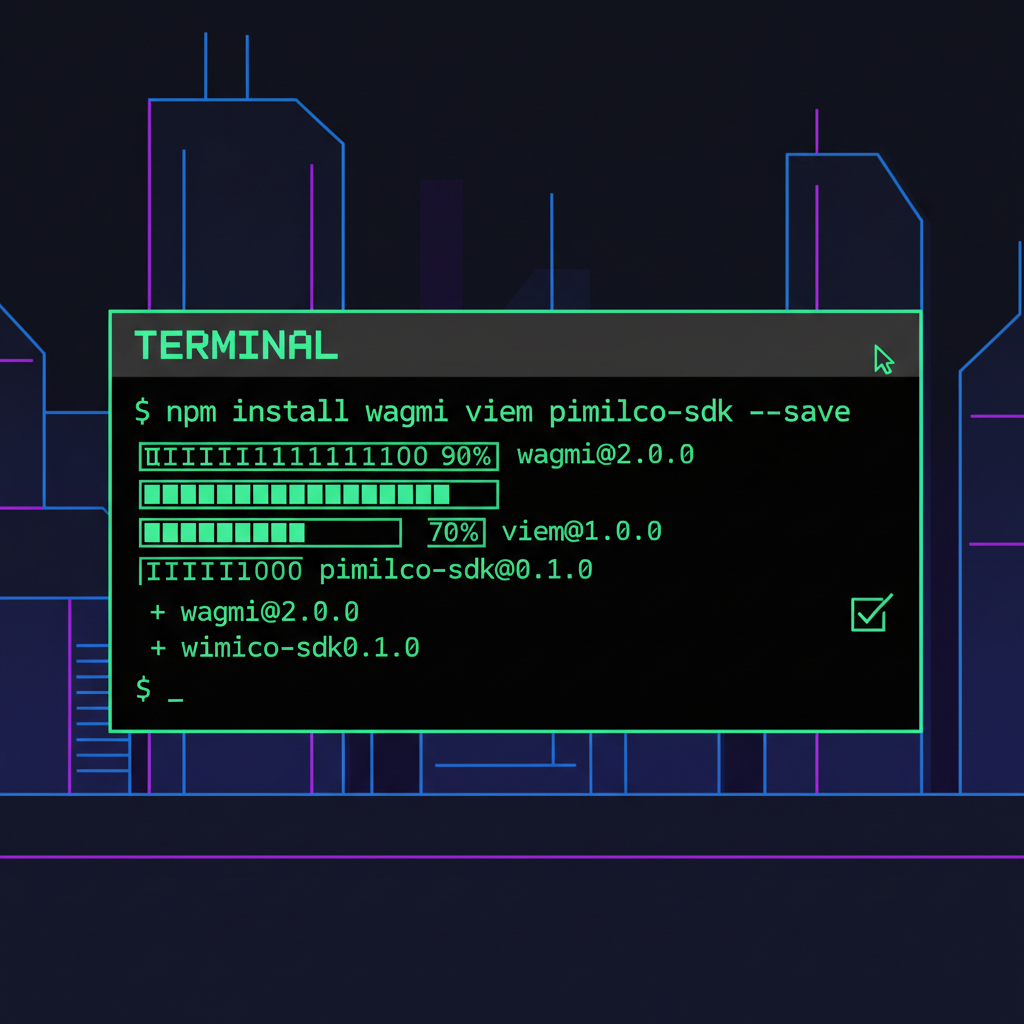
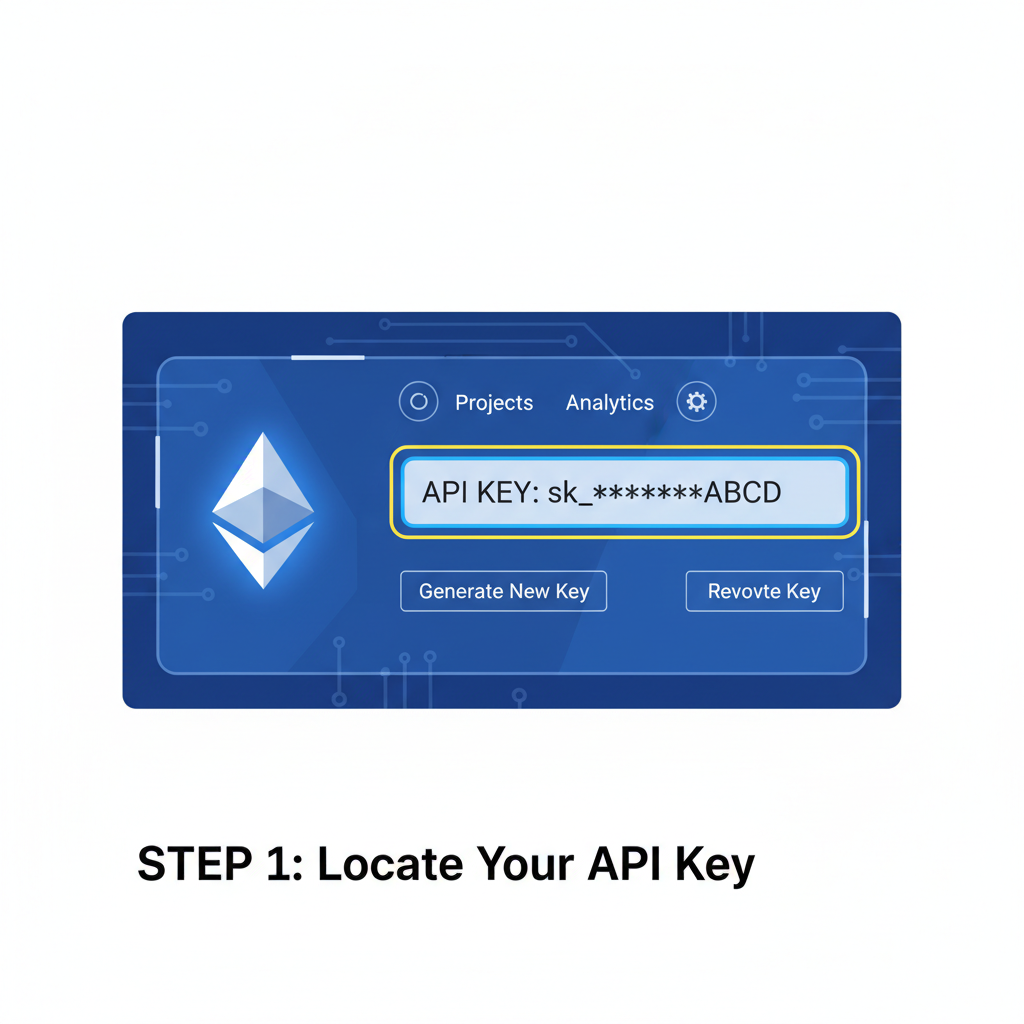
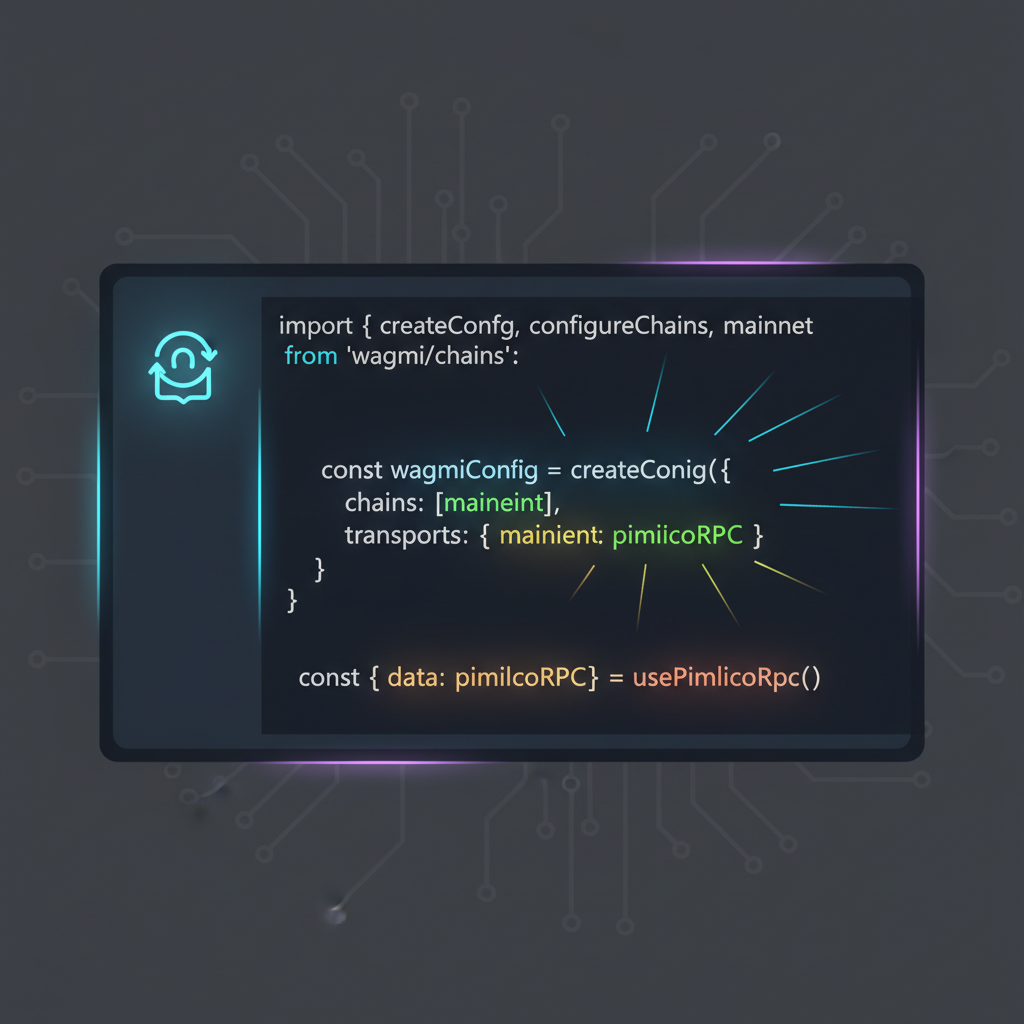
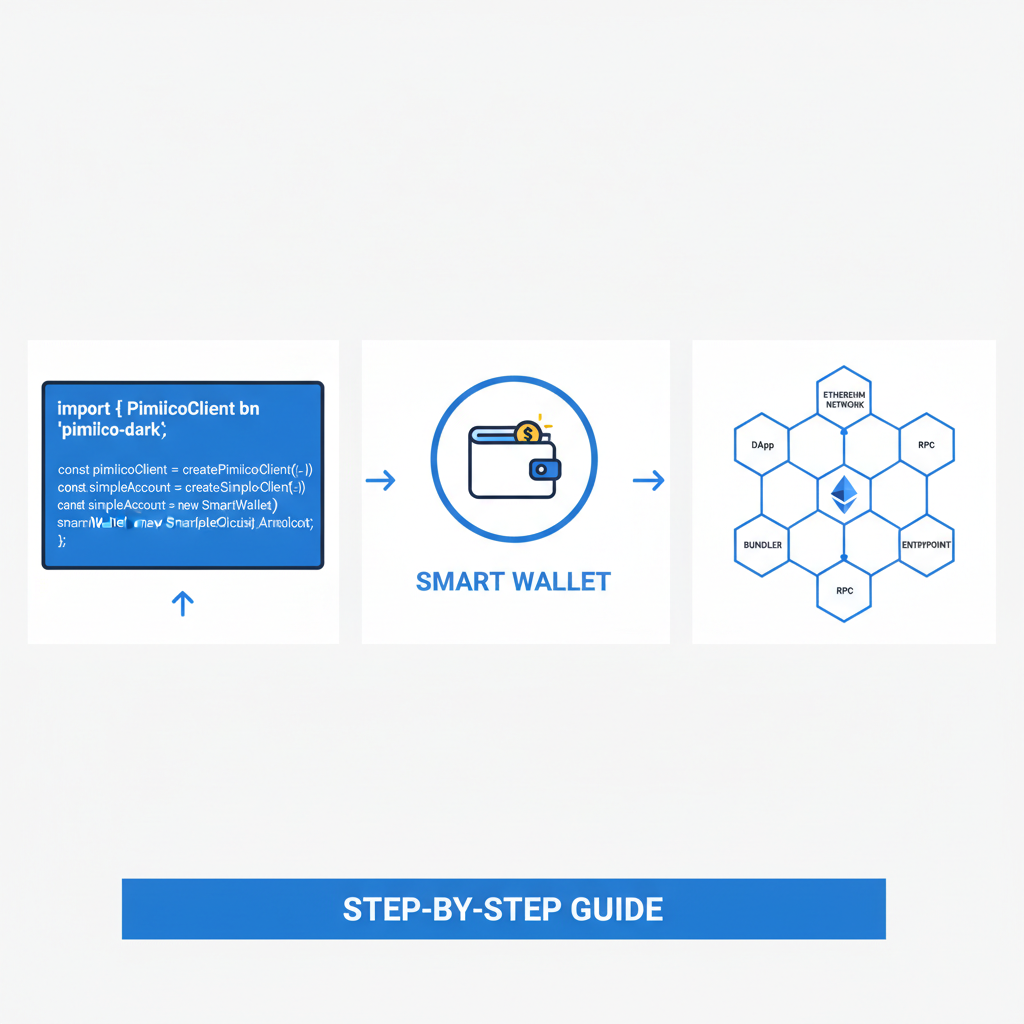
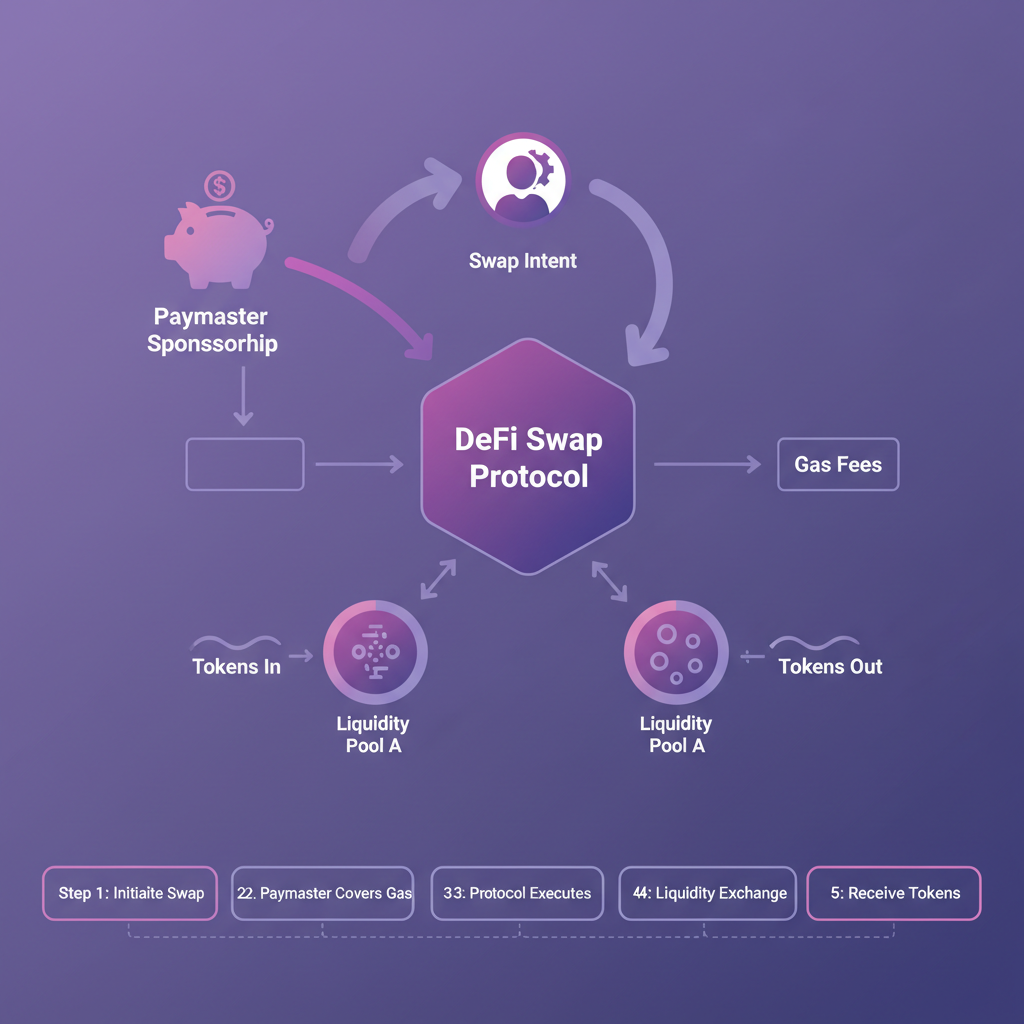
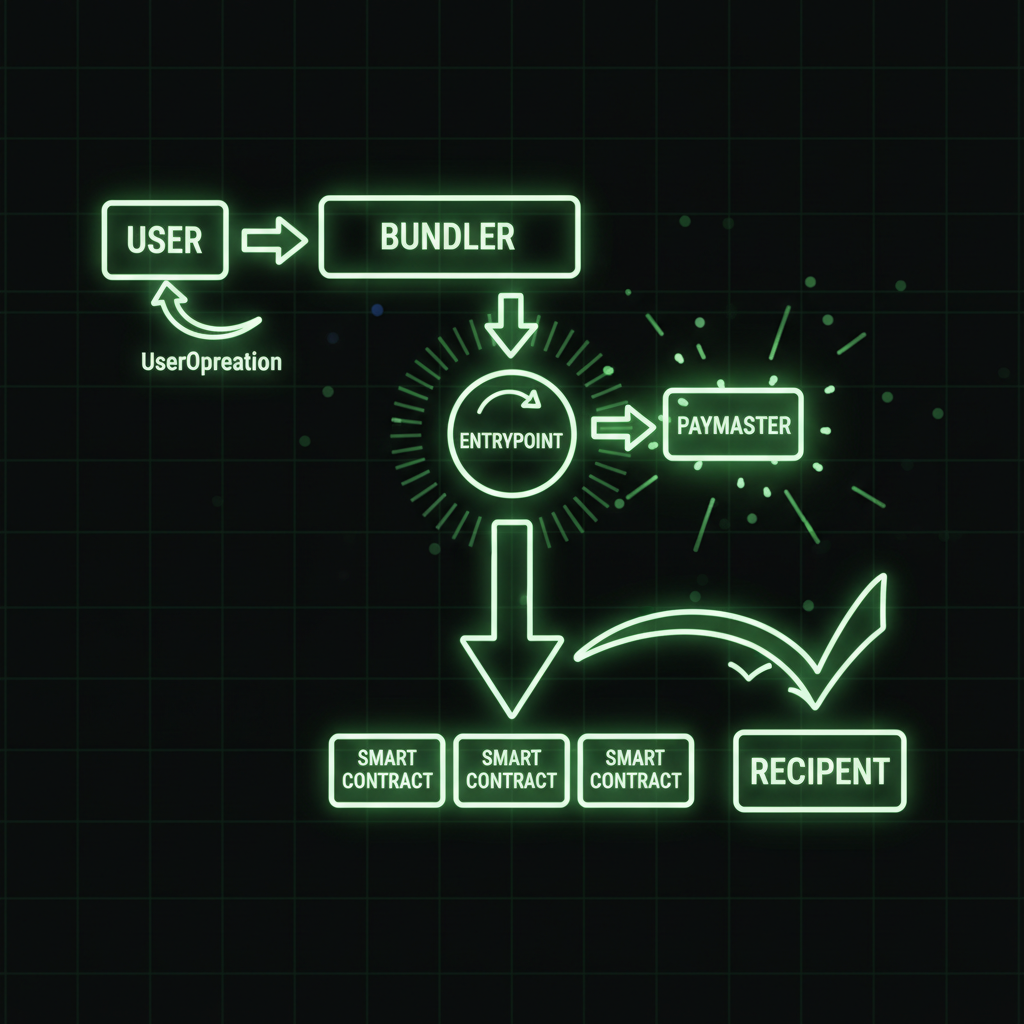

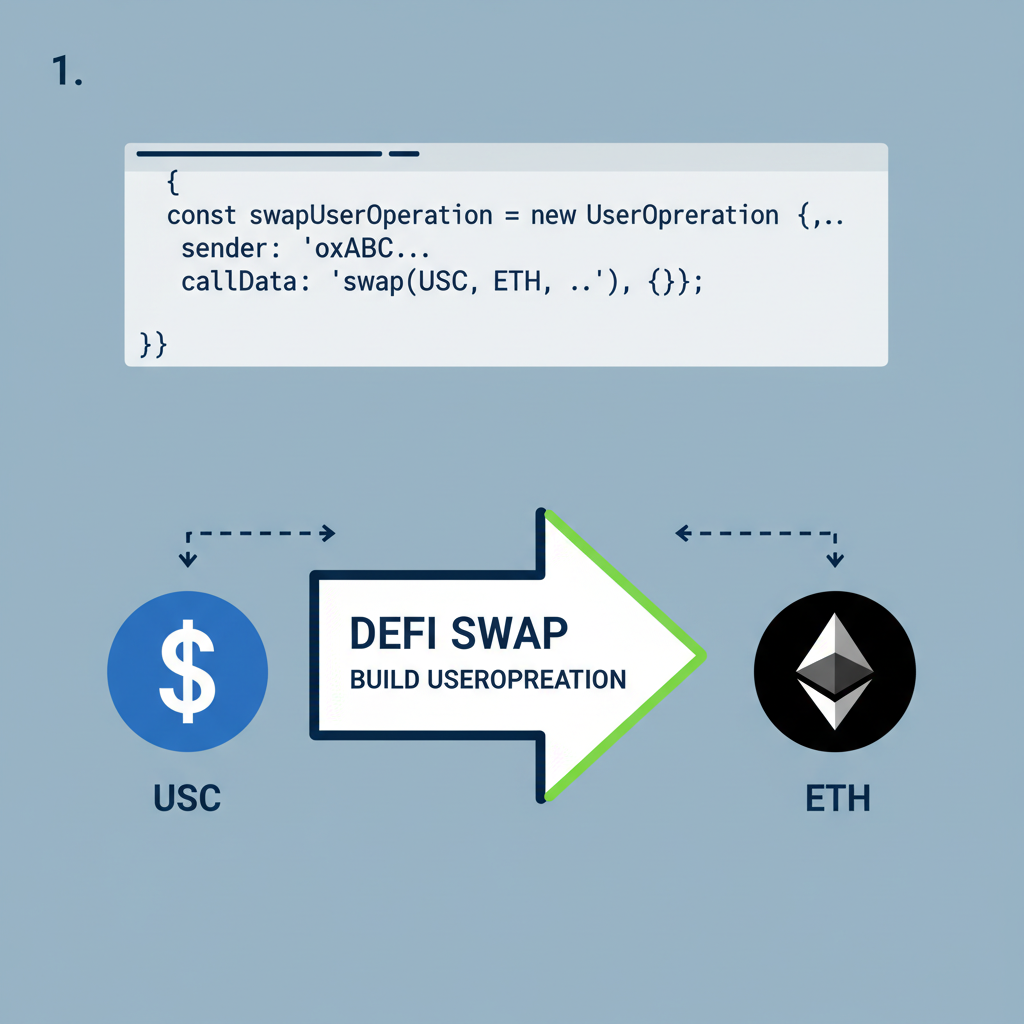
Your app state tracks wallet connection, token balances, swap params. On swap button click, craft the UserOperation. Encode the DEX call data – say, Uniswap V3’s exactInputSingle. Bundle it with paymasterAndData from your service’s API.
Here’s the clutch part: Call the bundler’s sendUserOperation. It simulates, posts to EntryPoint, and callbacks on success. Handle nonce management, signature aggregation. Boom – tx hashes back, users see their swap confirm without ETH in pocket.
I live for these setups. Traded alts during ETH spikes; now, devs build apps that let normies swap at $1,956.73 ETH without gas rage-quits. Alchemy’s AA SDK abstracts even more – their usePaymaster hook drops right in.
🚀 Unlock Gasless DeFi Swaps: ERC-4337 Paymasters in React with Coinbase & Pimlico!
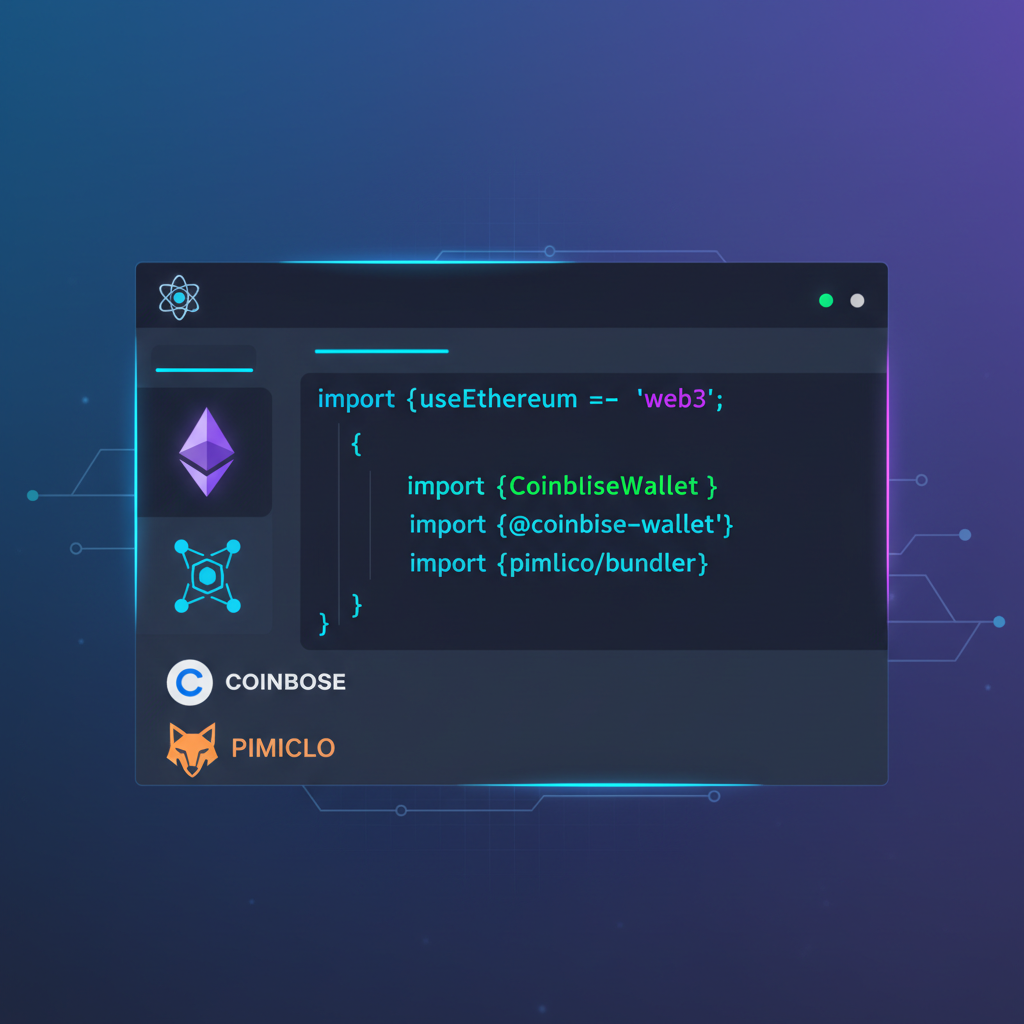

Battle-Test Your Gasless Swaps: From Sepolia to Mainnet Glory
Testnets first, always. Sepolia’s got live bundlers; fund a paymaster quota with test ETH. Fire swaps, watch Dune Analytics for op throughput. Edge cases? Batched multiswaps, high slippage, failed validations. Pimlico’s dashboard flags issues pre-deploy.
Production? Stake your paymaster via EntryPoint deposit. Set policies – sponsor only if swap volume under $5k, or verified signatures. Monitor gas costs; at $1,956.73 ETH, efficient sponsorship scales your user base without bleeding dry.
Pro traders like me obsess over momentum. Gasless DeFi swaps create it – users onboard, trade feverishly, pump your protocol’s TVL. Forget meta-tx hacks; ERC-4337 paymasters deliver native, scalable gas sponsorship UX.
Stack it with social logins via Web3Auth, batch ops for multi-DEX arbitrage. The result? A React powerhouse where account abstraction DeFi shines, crushing barriers at every ETH price dip or rip.
PaymasterKit. com packages this firepower – bundler-ready kits for your swaps. Deploy today, watch adoption explode as users swap friction-free, even when ETH dips -2.27% to $1,956.73. Fortune favors the bold; gasless is your edge.
About the Author