
In wallet apps striving for seamless user experiences, ERC-4337 paymasters deliver the pragmatic solution for gas sponsorship. Developers integrate these smart contracts to cover transaction fees, freeing users from holding native tokens like ETH. This setup transforms clunky on-chain interactions into fluid ones, directly tackling the friction that hampers adoption in dApps and DeFi protocols. With PaymasterKit. com’s toolkit, bundlers and account abstraction become straightforward, positioning your wallet as a leader in account abstraction UX.
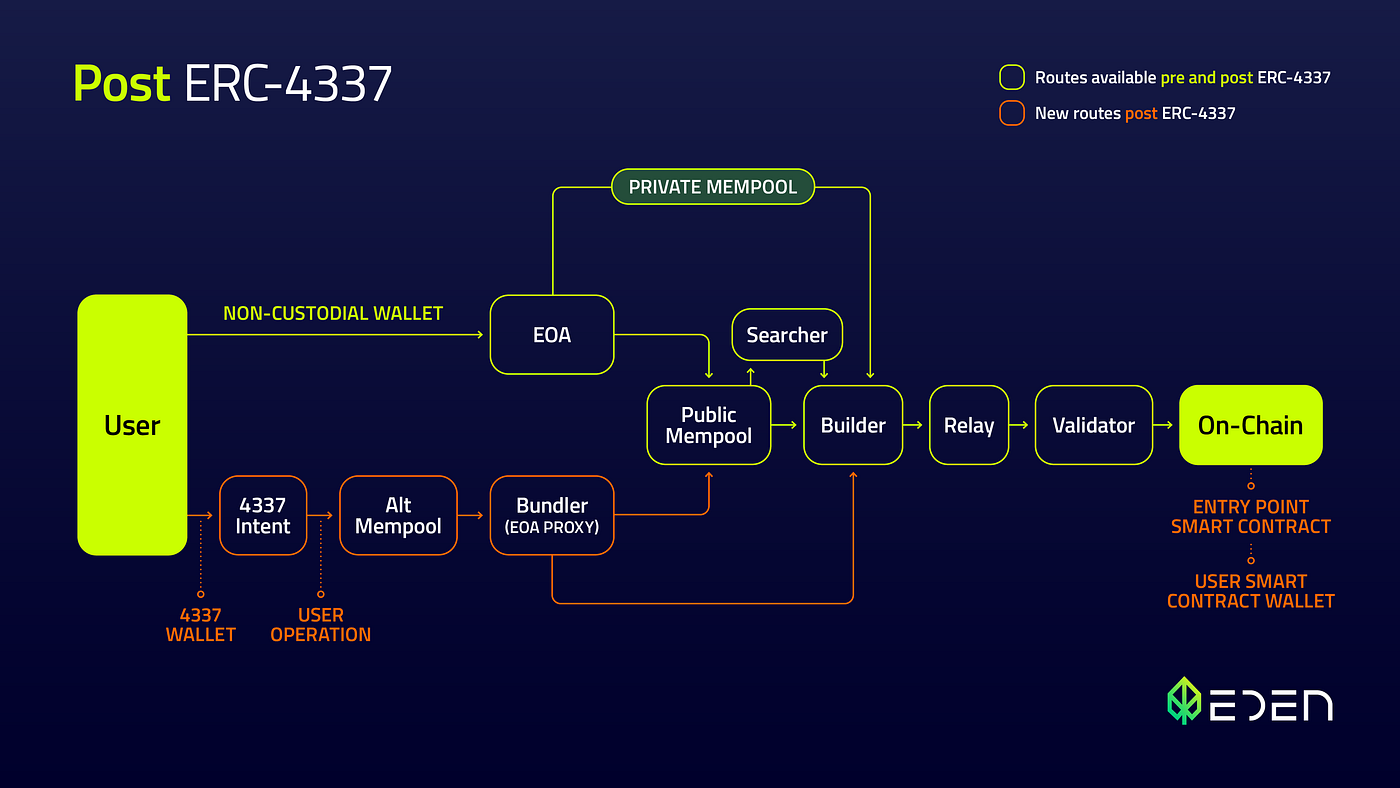
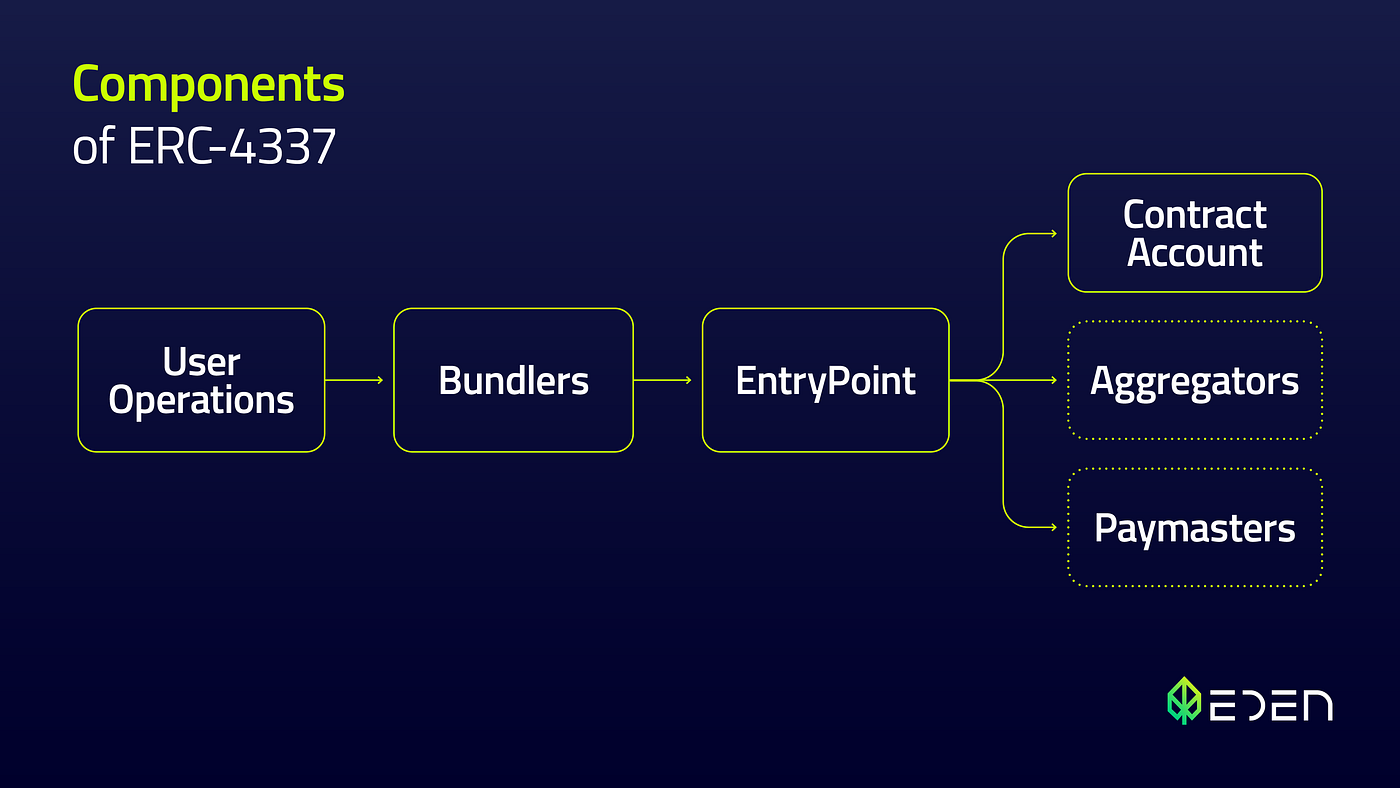
Paymasters operate within the ERC-4337 framework by validating UserOperations during the bundling process. A UserOperation bundles the user’s intended action, signature, and paymaster details, submitted to a bundler. The EntryPoint contract then invokes the paymaster’s validation function. If conditions pass – such as allowlisted contracts or sufficient user balances – the paymaster posts a deposit to cover gas. This mechanism demands staking from paymasters to deter spam, ensuring network integrity while enabling gasless wallet transactions.
Core Mechanics Driving Paymaster Reliability
At its foundation, a paymaster is a smart contract inheriting from BasePaymaster in the ERC-4337 reference implementation. It overrides the validatePaymasterUserOp function to enforce sponsorship policies. For instance, developers might restrict sponsorship to specific dApp calls or cap per-user spends. Staking requires locking ETH with the EntryPoint, typically 0.1 ETH minimum, plus deposits to buffer gas costs. Failures in validation revert the operation early, preserving resources. This design mirrors supply-demand balancing in commodities markets, where hedges prevent volatility shocks – here, paymasters hedge against user drop-off due to fees.
Key ERC-4337 Paymaster Benefits
-
Frictionless onboarding without native token requirements: Enables gasless transactions, allowing users to interact without holding ETH or other native tokens, as supported by providers like Circle Paymaster and Alchemy Gas Manager.
-
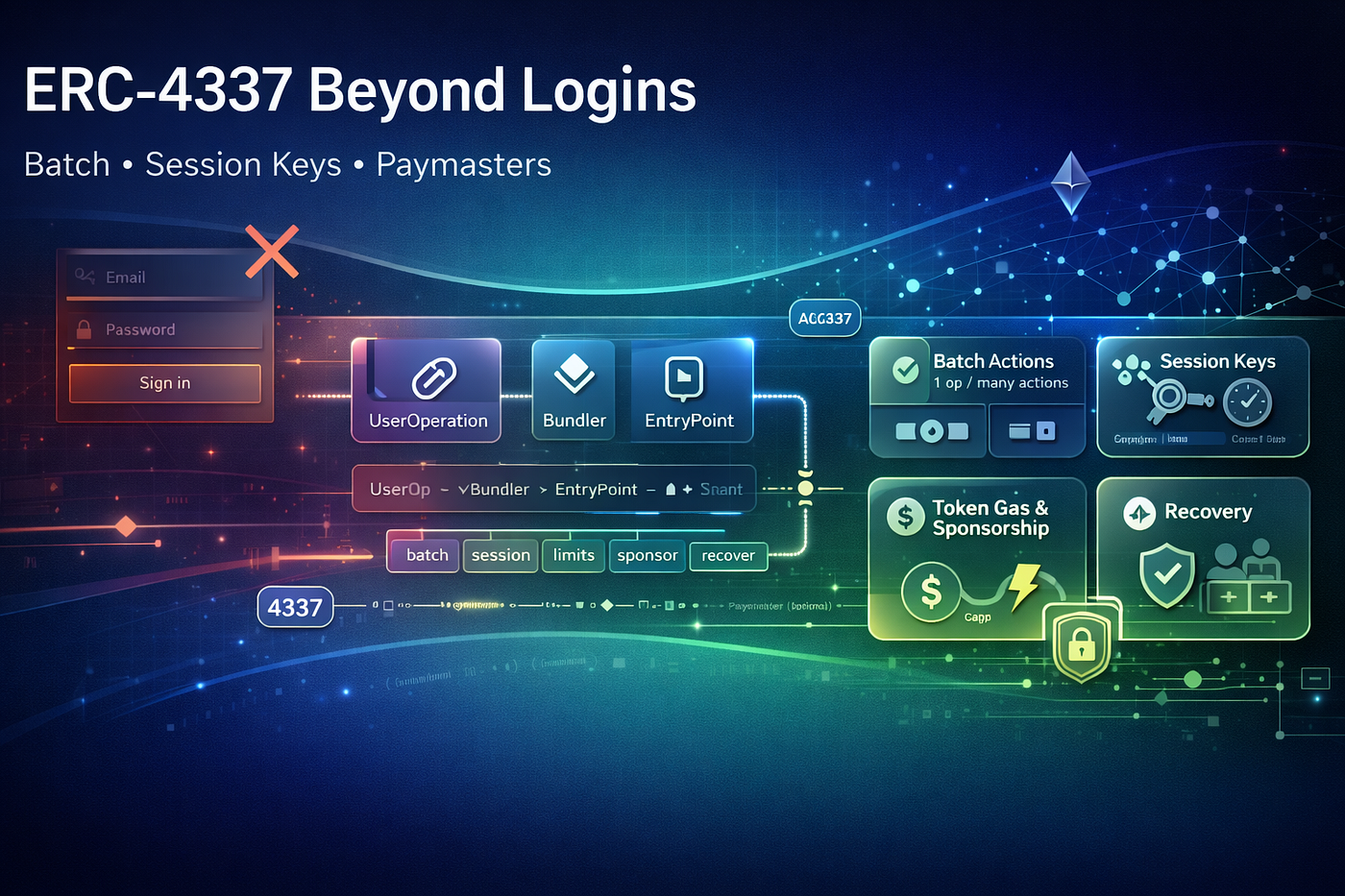
Customizable sponsorship rules for targeted UX boosts: Developers set policies like contract allowlists, per-user limits, and global spend caps to control which transactions get sponsored.
-
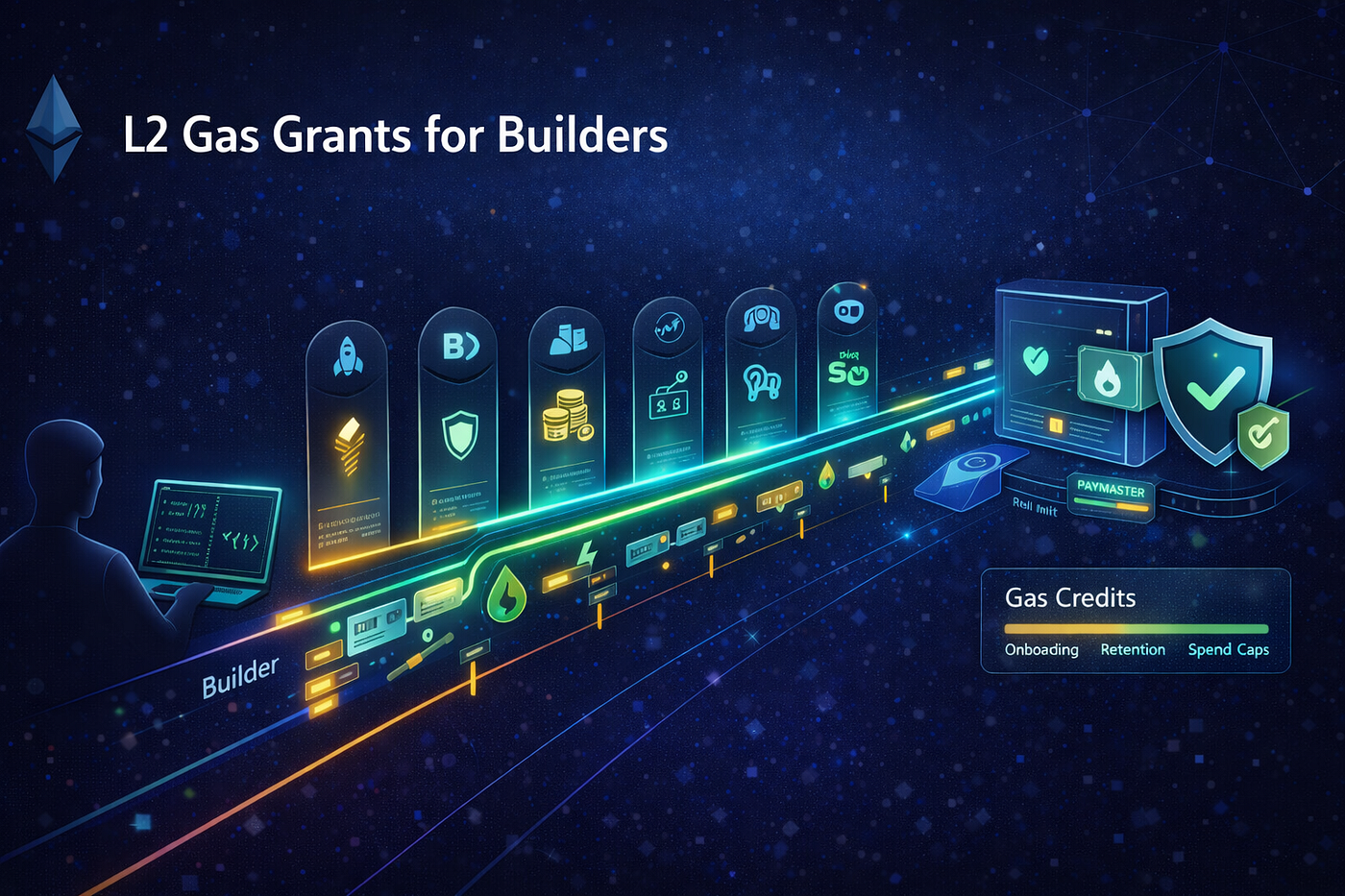
Scalable across L2s like Base and Arbitrum: Compatible with multiple chains including Ethereum, Optimism, Polygon, Avalanche, and Unichain via services from Pimlico and Coinbase.
-
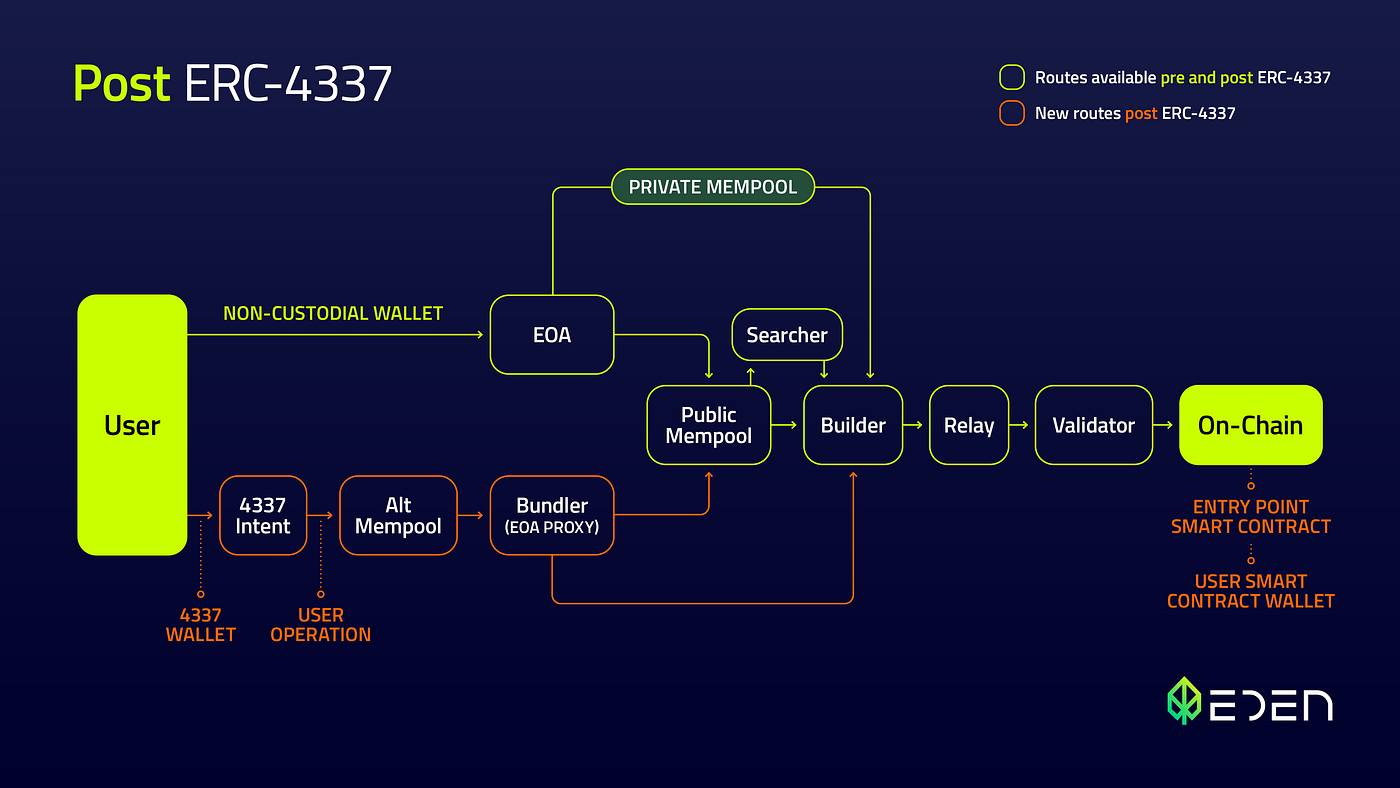
Abuse-resistant via staking and deposits: Paymasters must stake and deposit with the EntryPoint contract to cover gas costs and ensure security against spam.
-
Boosted conversion rates in wallet apps: Improves accessibility and adoption by sponsoring fees, streamlining UX as seen in integrations with Openfort and Pimlico.
From my vantage tracking economic pulses, this abstraction layer injects predictability into blockchain economics. Wallets sponsoring gas see retention spikes, as users focus on actions rather than wallet funding rituals.
Evaluating Top Paymaster Providers for Integration
Providers streamline paymaster integration, sparing developers from full contract deployments. Circle Paymaster stands out for USDC-based gas payments across chains like Ethereum, Arbitrum, and Polygon, permissionless for all. Alchemy’s Gas Manager offers ERC-4337 compliant sponsorship on Ethereum, Optimism, and Base, with policy controls for transaction growth. Pimlico provides Verifying Paymasters for broad chain coverage and ERC-20 variants, letting users pay in tokens like USDC. Coinbase docs highlight quickstarts on Base Sepolia using Viem, while Openfort extends to Solana fee sponsorship. Each suits wallet apps differently: Circle for stablecoin enthusiasts, Alchemy for policy depth.
Selecting hinges on chain support and customization. For wallet-centric builds, prioritize providers with SDKs aligning to Viem or Ethers. js, ensuring bundler compatibility. Grasp. study tutorials demystify flows, emphasizing paymaster-EntryPoint handshakes during validation.
Initial Setup Steps for Wallet Paymaster Deployment
Begin with network selection – Base Sepolia for testing, mirroring production L2s. Deploy a simple VerifyingPaymaster via ERC-4337 examples or PaymasterKit. com’s no-code interface. Fund the contract with stake using EntryPoint’s addStake (e. g. , 0.1 ETH) and deposit via addDeposit. Configure policies: whitelist target contracts, set global budgets. In your wallet app, craft UserOps injecting the paymaster address and context. Viem’s prepareUserOperation handles this, signing before bundler submission. Coinbase’s quickstart exemplifies: import Viem, connect wallet, simulate, then send sponsored tx.
Validation logic merits scrutiny. A basic paymaster might check if the callData targets approved contracts, reverting otherwise. Advanced setups query off-chain oracles for user eligibility, adding layers against exploits. Monitor via EntryPoint events for postOp reimbursements, refunding unused deposits.
Off-chain sponsorship decisions amplify flexibility, akin to futures contracts hedging spot price swings – proactive, not reactive. Yet, over-reliance risks oracle failures, underscoring the need for multi-source verification in production wallet deployments.
Hands-On Code for Paymaster Validation
Pragmatism demands code. Here’s a distilled VerifyingPaymaster implementation, overriding validation to sponsor only whitelisted calls. Deploy this on Base Sepolia, stake it, and wire into your wallet’s UserOp flow. Viem or Ethers. js SDKs abstract bundler interactions, but grasping the Solidity core ensures robust paymaster integration.
VerifyingPaymaster: validatePaymasterUserOp with Whitelist and User Limits
The `validatePaymasterUserOp` function is the core validation logic in an ERC-4337 VerifyingPaymaster. It runs on every UserOperation sponsored by the paymaster and must return quickly as a view function. Here, we implement checks for a whitelist of allowed target contracts (to prevent arbitrary calls) and per-user sponsorship limits (to avoid abuse). These checks ensure gas sponsorship is only provided for intended interactions while capping usage per wallet.
```solidity
function validatePaymasterUserOp(
    UserOperation calldata userOp,
    bytes32 userOpHash,
    uint256 maxCost
) external view override returns (bytes memory context, uint256 validationData) {
    // Parse the target address from callData (assuming standard external call format)
    address target = _parseTarget(userOp.callData);
    require(whitelist[target], "Target not whitelisted");

    // Check user sponsorship limit
    uint256 used = sponsoredCount[userOp.sender];
    require(used < MAX_SPONSORS_PER_USER, "User sponsorship limit exceeded");

    // Additional checks can be added here, e.g., maxCost validation
    require(maxCost <= getGasLimits(), "Max cost exceeded");

    return ("", 0);
}

/// @notice Internal helper to extract target from callData
/// Assumes callData starts with 4-byte selector followed by 20-byte target
function _parseTarget(bytes calldata callData) internal pure returns (address target) {
    require(callData.length >= 24, "Invalid callData length");
    target = address(bytes20(callData[4:24]));
}
```

**Note:** Supporting state variables:

```solidity
mapping(address => bool) public whitelist;
mapping(address => uint256) public sponsoredCount;
uint256 public constant MAX_SPONSORS_PER_USER = 5;
function getGasLimits() internal view returns (uint256) { /* ... */ }
```
This setup is pragmatic for wallet apps sponsoring specific actions like deposits or claims. The whitelist prevents sponsoring malicious contracts, and user limits mitigate spam. In `postOp`, increment `sponsoredCount[userOp.sender]` after successful execution. Always test edge cases like invalid callData and integrate with EntryPoint events for monitoring.
This function inspects the UserOp’s callData for target contracts, verifies signatures, and computes context for paymasterAndData. Success appends paymaster approval; failure reverts pre-execution. Pair with a frontend signer: generate nonce, initCode if needed, populate callData, then walletClient. sendUserOperation via Pimlico or Alchemy bundlers. Test on Sepolia simulates full flows without mainnet costs.
Provider Showdown: Chains, Features, and Fit for Wallets
Wallets demand chain-agnostic tools. Circle excels in USDC sponsorship across Ethereum L1, Arbitrum, Base, Optimism, Polygon, Avalanche, Unichain – permissionless entry lowers barriers. Alchemy Gas Manager prioritizes policy granularity: per-user caps, allowlists, analytics for growth tracking on core EVMs. Pimlico’s dual Verifying/ERC-20 modes cover 30 and chains, ideal for token-pay UX. Openfort adds Solana, bridging ecosystems. Coinbase Viem quickstarts accelerate Base prototypes, while Abstract’s native tools suit custom chains.
Comparison of ERC-4337 Paymaster Providers
| Provider | Supported Chains (#) | Key Features (USDC/Policy/Sponsorship) | Best For (Wallets/dApps) |
|---|---|---|---|
| Circle Paymaster | 7 (Ethereum, Arbitrum, Avalanche, Base, OP Mainnet, Polygon PoS, Unichain) | USDC payments, Permissionless sponsorship 💳 | Wallets & dApps using stablecoins |
| Alchemy Gas Manager | 5 (Ethereum, Arbitrum, Optimism, Polygon, Base) | Gas sponsorship, ERC-4337 compliant policies 📈 | dApps focused on transaction growth & UX |
| Pimlico Paymaster | 30+ | Verifying sponsorship, ERC-20 payments, Custom policies 🌐 | Multi-chain wallets & flexible dApps |
This matrix guides selection: multi-chain wallets favor Pimlico; stablecoin-focused apps pick Circle. All enforce EntryPoint stakes, but managed services abstract deposit management, refunding postOp excesses automatically.
Security and Monitoring: Safeguarding Sponsorship
Gas sponsorship invites abuse – unlimited free tx could drain deposits like unchecked commodity runs. Counter with granular policies: time-bound budgets, IP allowlists, signature schemes tying ops to app sessions. Stake slashing deters malicious paymasters; EntryPoint’s 14-day withdrawal delay adds friction. Monitor via Dune dashboards on UserOp events: track sponsored volume, refund rates, failure modes. Integrate alerting for deposit thresholds, ensuring sustainability. In wallet apps, session tokens prevent replay attacks, mirroring two-factor auth in trading platforms.
Real-world pitfalls? Early adopters faced reentrancy in custom paymasters; stick to audited bases like Stackup or Biconomy forks. Grasp. study flows highlight bundler-paymaster races; always simulate via simulateValidation.
From Setup to Scale: UX Transformation in Wallets
Integrated, paymasters yield gasless wallet transactions that propel metrics. Users onboard sans ETH bridges, swap, stake, NFT mint – all sponsored. Conversion lifts 20-50% per Alchemy case studies; retention follows as friction vanishes. For gas sponsorship wallet builds, PaymasterKit. com equips bundlers with plug-and-play modules, scaling to millions without infra headaches.
Economically, it’s supply-side innovation: abundant “free” capacity draws demand, much like subsidized shipping boosted ag exports. Forward-thinking wallets embed this now, capturing the account abstraction UX edge before it standardizes. Prototype on Sepolia, iterate policies, deploy – your users will thank the seamless pulse.
About the Author