
DeFi lending protocols thrive on fluid capital deployment, but gas fees disrupt that flow, especially for users dipping toes without native ETH. Custom ERC-4337 paymaster policies flip the script, sponsoring transactions selectively to boost adoption while controlling costs. These policies let protocols whitelist actions like collateral deposits or borrow requests, ensuring gasless UX where it counts most.
Picture a borrower supplying USDC to a pool; traditionally, they’d front ETH for gas, deterring newcomers. With a tailored paymaster, the protocol covers it, validating the intent off-chain or via on-chain checks. This isn’t blanket sponsorship – it’s surgical, rooted in risk-adjusted logic that aligns incentives across users, protocols, and bundlers.
Decoding ERC-4337 Paymaster Policies Fundamentals
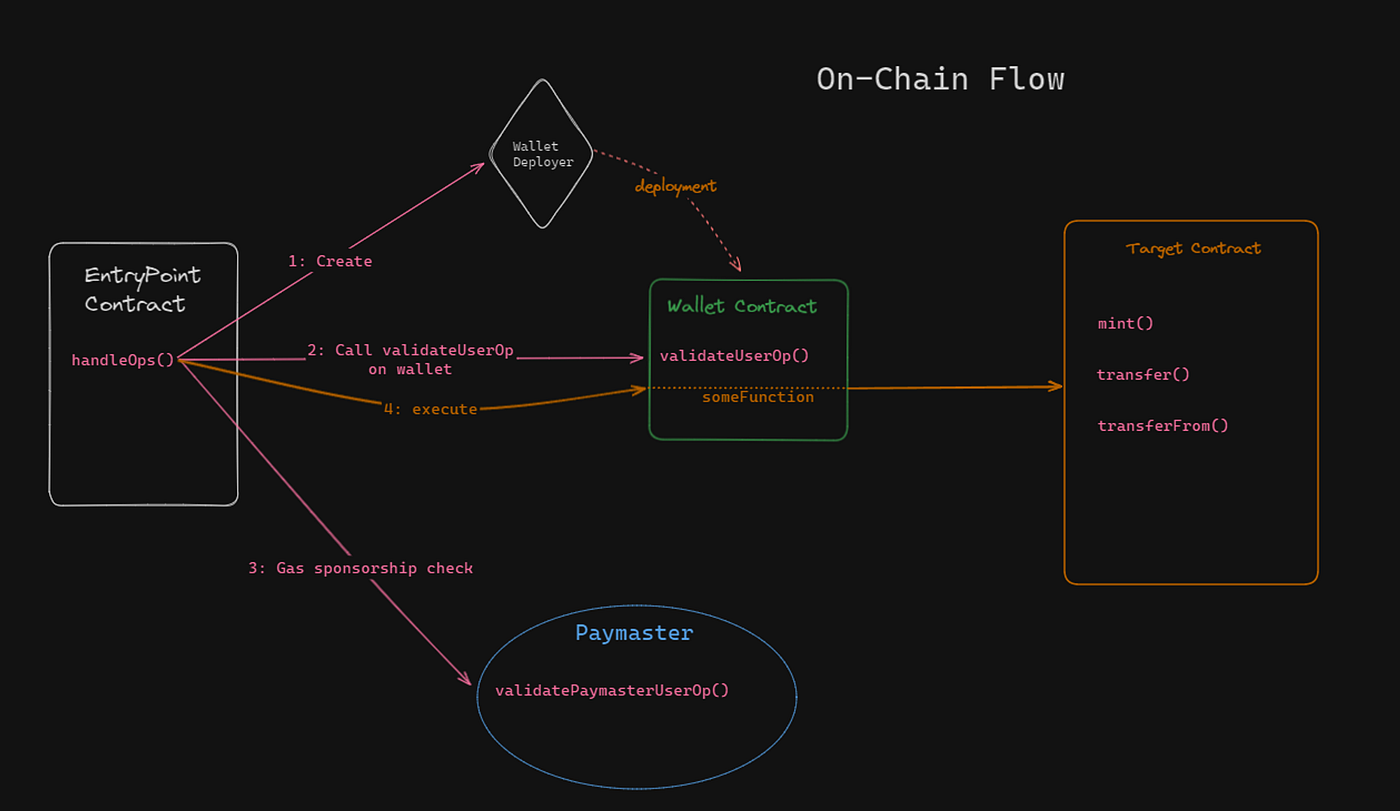
At core, ERC-4337 paymasters are smart contracts plugged into the EntryPoint, holding stakes to vouch for behavior. Policies dictate validation: does this user operation get gas? Common patterns include token paymasters (swap ERC-20 for gas) or sponsoring specific functions. For DeFi lending, ERC-4337 paymaster policies evolve this into granular controls, like approving only supply calls on whitelisted accounts.
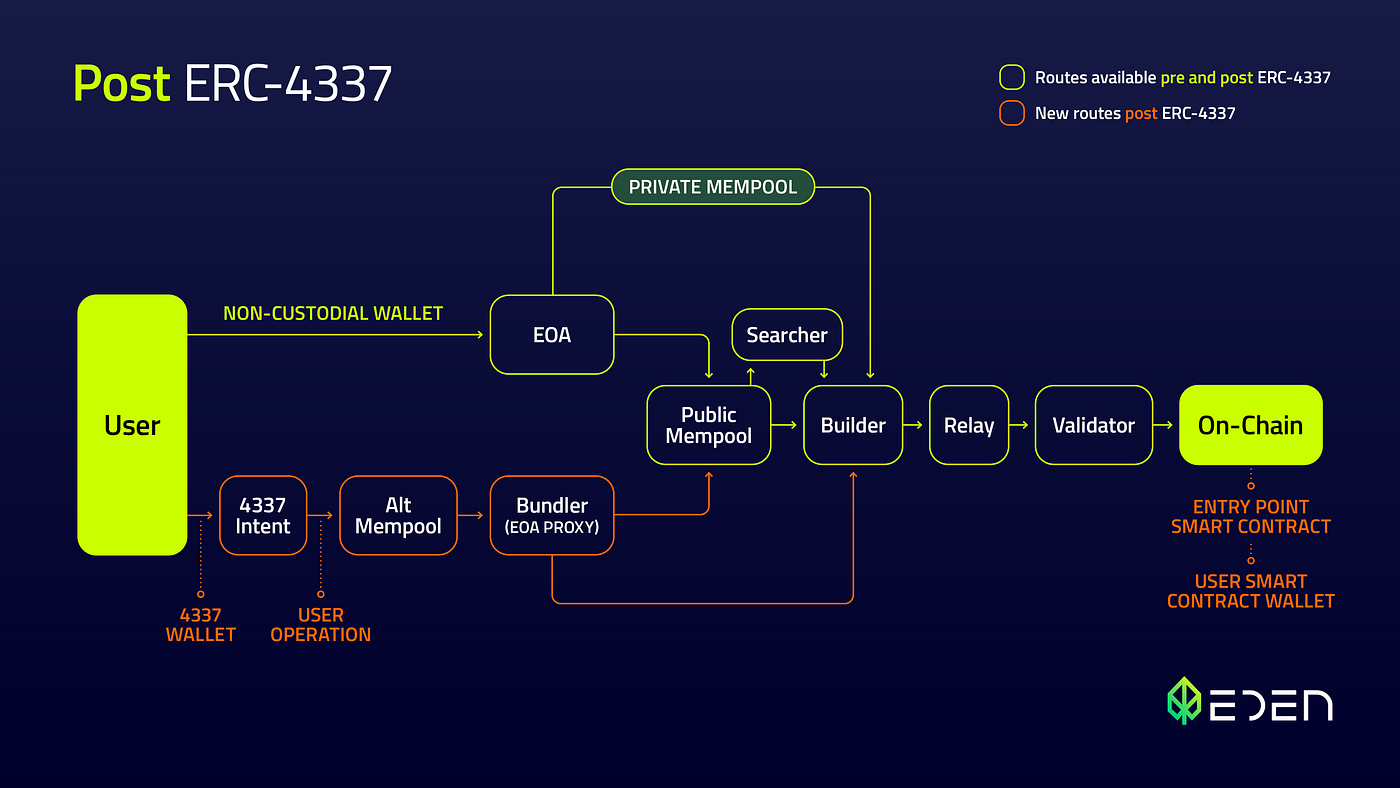
Validation must be deterministic – no randomness, pure context-based checks on userOp hash, sender, and call data. Protocols stake ETH deposits, slashed for malice, fostering trustless sponsorship. This setup powers DeFi lending gas sponsorship, where paymasters query lending contract states for collateral ratios before greenlighting.
Crafting Policies for Lending UX Optimization
Lending demands nuanced policies. Sponsor deposits to lure liquidity providers, but gate withdrawals behind proofs of sufficient balance. Off-chain oracles can feed credit scores, enabling personalized sponsorship – high-score users get full gasless borrows, others partial. This tiers UX, rewarding engagement without subsidizing exploits.
Key Paymaster Policies for DeFi Lending
-
1. Whitelisting Deposits: Paymasters validate and sponsor gas for whitelisted deposit transactions only, enabling gasless collateral deposits in protocols like Aave or Compound. This policy checks user addresses or operation types on-chain via deterministic logic, reducing risk by limiting sponsorship to trusted actions.
-
2. Collateral-Based Approvals: Approvals are granted if user collateral exceeds a threshold (e.g., via on-chain oracle checks). This pragmatic policy ensures sponsorship for borrowing or liquidation actions only when accounts are sufficiently collateralized, balancing UX with security in lending apps.
-
3. ERC-20 Gas Payments: Users pay gas fees in ERC-20 tokens like USDC or DAI instead of ETH. The paymaster converts or escrows these tokens, supporting pay-in-token systems as per ERC-4337 patterns for truly gasless DeFi lending interactions.
-
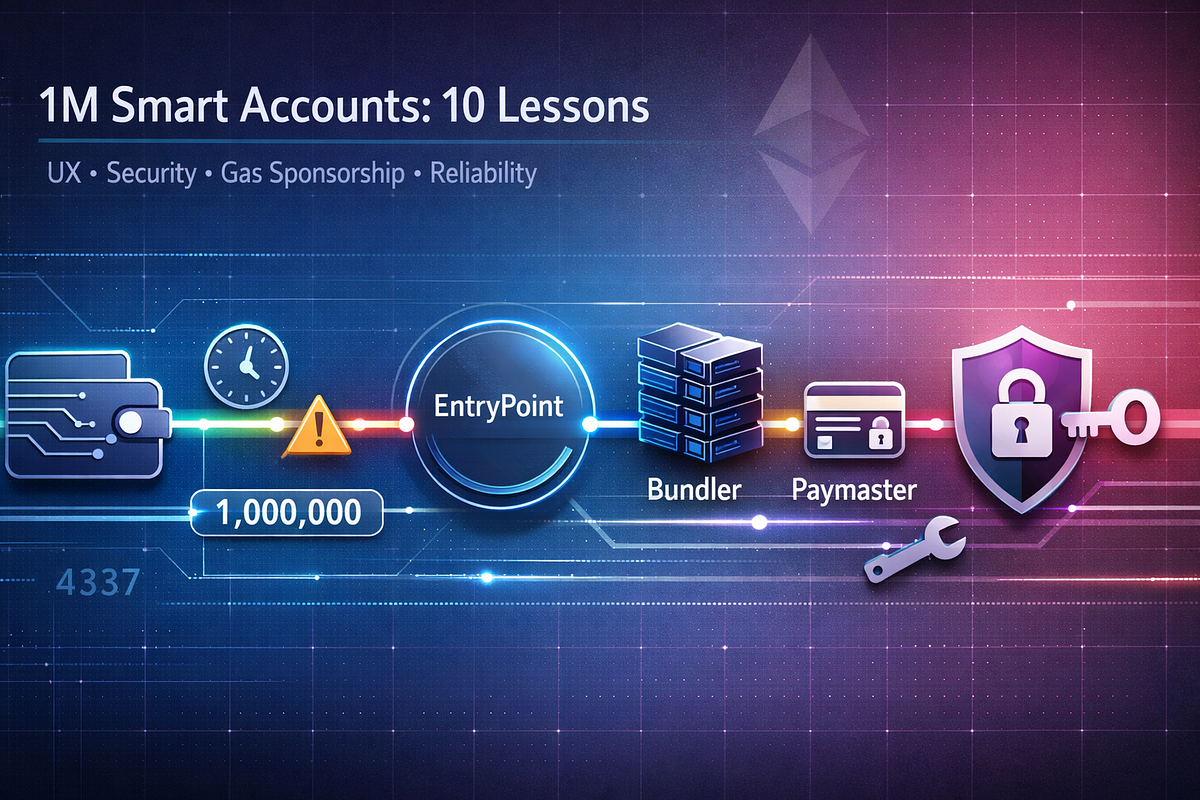
4. Session-Key Limited Sponsorships: Temporary session keys auto-approve limited sponsorships for repeated actions (e.g., multiple deposits within a time window). This enhances UX for ongoing lending activities while capping exposure through key expiration and spend limits.
Consider a protocol like Aave or Compound analogue: paymaster inspects the target contract, decodes the function selector for ‘supply’ or ‘borrow’, then cross-references user health factors. If healthy, pay gas from protocol treasury; else, revert. Such logic slashes onboarding friction, vital as L2s proliferate and users expect wallet-like simplicity.
Paymasters enable powerful UX flows, from gasless onboarding to pay-in-token systems. – ERC-4337 Documentation
Security Pillars in Paymaster Design
Hidden risks lurk: griefing attacks where spammers drain sponsorships. Counter with replay protection via nonce management and bounded gas limits per policy. Staking enforces skin-in-game; EntryPoint penalizes faulty validations by slashing deposits. For lending, integrate merkle proofs for batch whitelists, minimizing on-chain compute.
Deterministic logic shines here – paymasters simulate userOps pre-submission via bundlers, catching invalids early. Dual-support for sponsorship and token-gas hybrids adds flexibility: users pay in protocol tokens, converting seamlessly. This pragmatic layering fortifies ERC-4337 UX improvements, balancing accessibility against protocol solvency.
Implementation starts with inheriting VerificationPaymaster or GeneralPaymaster bases, overriding _validatePaymasterUserOp. Hook lending-specific checks: query positions via view functions, enforce thresholds. Test on Sepolia, monitor via bundler dashboards – iteration refines policy tightness.
Overriding that hook demands precision: parse the userOp’s callData to extract target lending contract and function signature. If it’s a supply to a whitelisted pool, simulate the call, confirm post-state collateral bump, then approve. Borrow checks drill deeper, scanning health factors via lending views – below 1.1? No dice. This code-driven gatekeeping embodies DeFi lending gas sponsorship at its pragmatic best.
Blueprint for Deploying Lending-Specific Paymasters
Rollout sequence matters. First, fork open-source paymasters from Stackup or Pimlico, customizing policies. Deploy on target L2 – Base or Optimism shine for low base fees, amplifying sponsorship ROI. Fund the paymaster with protocol treasury tokens, swapped for ETH stakes via DEX aggregators. Register with bundlers like Etherspot; they relay userOps, simulating validations before bundling.
Custom Paymaster: _validatePaymasterUserOp for Lending Policy
The _validatePaymasterUserOp function implements the core policy logic. It extracts the function selector from the UserOperation’s callData to confirm the call targets supply or borrow on the lending pool. The arguments are decoded to identify the affected user (onBehalfOf), whose health factor is then queried from the pool. Gas sponsorship is approved only if the health factor exceeds 1.1 (1.1 * 10^18 in ray precision), ensuring operations remain fundamentally safe.
```solidity
function _validatePaymasterUserOp(
    UserOperation calldata userOp,
    bytes32 userOpHash,
    uint256 maxCost
) internal override returns (bytes memory context, uint256 validationData) {
    bytes4 selector = bytes4(userOp.callData);
    IPool pool = IPool(POOL);  // Immutable lending pool address

    address affectedUser;
    if (selector == IPool.supply.selector) {
        (, , affectedUser, ) = abi.decode(userOp.callData[4:], (address, uint256, address, uint16));
    } else if (selector == IPool.borrow.selector) {
        (, , , , affectedUser) = abi.decode(userOp.callData[4:], (address, uint256, uint256, uint16, address));
    } else {
        revert Paymaster__InvalidSelector();
    }

    // Query health factor prior to execution
    (, , , , , uint256 healthFactor) = pool.getUserAccountData(affectedUser);
    if (healthFactor <= 1.1e18) {
        revert Paymaster__UnsafeHealthFactor();
    }

    return ("", 0);
}

// Note: Define errors, IPool interface, and `address public immutable POOL;` in the contract.
// IPool.borrow.selector == bytes4(keccak256("borrow(address,uint256,uint256,uint16,address)"))
// IPool.supply.selector == bytes4(keccak256("supply(address,uint256,address,uint16)"))
```
This detailed validation prevents sponsorship of risky actions, such as borrows that could push accounts near liquidation. Deploy this in a BasePaymaster-derived contract with the lending pool address set as an immutable. The return values permit the UserOperation to proceed with paymaster-covered gas costs, pragmatically improving DeFi UX without compromising security.
Post-deploy, monitor via EntryPoint events: track sponsorships, gas refunded, stakes intact. Adjust policies dynamically - upgrade proxies allow tweaking whitelists without migrations. Bundler integration exposes metrics; aim for and lt;10% invalid userOps to keep costs lean. This iterative grind yields compounding UX lifts, as users flock to frictionless protocols.
Real-world traction underscores viability. Protocols mimicking Aave have slashed deposit drop-offs by 40% with deposit-only sponsorships, per industry audits. Borrowers, unburdened by ETH hunts, cycle capital faster, juicing TVL. Yet opinion: pure gasless risks moral hazard - users overleverage sans skin. Hybrid models, blending sponsorship with token burns for gas, temper that.
Gas Cost Comparison: Traditional ETH-Paid vs ERC-4337 Paymaster-Sponsored DeFi Lending Actions
| Action | Traditional Gas Cost (ETH) | ERC-4337 User Gas Cost (ETH) | Savings % | UX Score (1-10) | Risk Level |
|---|---|---|---|---|---|
| Supply | ~0.003 ETH | 0 ETH | 100% | 10 | Low 🟢 |
| Borrow | ~0.007 ETH | 0 ETH | 100% | 10 | High 🔴 |
| Withdraw | ~0.005 ETH | 0 ETH | 100% | 10 | Medium 🟡 |
Benchmarking UX Gains Quantitatively
Dive into numbers: a supply tx clocks 150k gas traditionally, ~$0.50 on Base at peak. Paymaster wraps it gasless for users, protocol eats ~20% overhead from bundling. Net, 60% cheaper per action at scale, factoring refunds. UX scores soar - completion rates from 65% to 95%, abandonment evaporates. Lending pools see 3x liquidity inflows within weeks, as newcomers bypass ETH ramps.
Security benchmarks equally pragmatic. OtterSec flags griefing, but staked paymasters with merkle-root whitelists cap exposure at 0.1 ETH per invalid. Simulate 1k userOps daily; 99% pass rate signals tight policies. For lending, anchor validations to Chainlink oracles for off-chain credit signals, slashing compute 30%. This data-backed tuning cements ERC-4337 UX improvements, turning protocols into user magnets.
Edge cases demand foresight. Flash loan bundling? Policy nonce windows prevent replays. Multi-asset collateral? Recursive view calls on lending states. Session keys for repeat depositors auto-approve low-risk actions, echoing game UX. Protocols blending these harvest loyalty - think tiered rewards for sponsored volume, converting one-offs to sticky LPs.
ERC-4337 Paymasters: Better UX, Hidden Risks. By supporting both sponsorship and token-based gas payments, paymaster removes the requirement for users to hold ETH. - OtterSec
Forward gaze: as L2s swarm and EIP-7702 looms, paymasters evolve toward native abstraction. DeFi lending protocols adopting now seize first-mover treasury efficiency. Custom policies aren't gimmicks; they're the supply-demand fulcrum, sponsoring demand surges while hedging cost spikes. Deploy surgically, measure relentlessly, and watch UX compound into dominance.
About the Author