

With Ethereum's native token trading at $2,095.12, gas fees remain a persistent barrier for new users eyeing NFT mints. At a 24-hour change of $-27.73 (-0.0131%), the network's volatility underscores the need for frictionless interactions. Enter ERC-4337 paymasters, the smart contract innovation enabling gasless NFT mints on Ethereum. These mechanisms sponsor transactions, letting users mint collectibles without holding ETH, directly boosting adoption in a market where over 40 million smart accounts have deployed since March 2023.
Decoding ERC-4337 Account Abstraction Fundamentals
Launched on March 1,2023, ERC-4337 introduced account abstraction without protocol upgrades, transforming externally owned accounts into smart contract wallets. This shift empowers bundlers to aggregate user operations, routing them through an EntryPoint contract for validation. Data shows this standard's efficacy: it sidesteps core Ethereum changes while enabling features like social recovery and session keys. For NFT projects, the result is seamless onboarding, as users bypass the ETH acquisition step that deters 70% of potential minters according to industry surveys.
The architecture hinges on three pillars: user operations, bundlers, and paymasters. User ops bundle calls with signatures; bundlers pay upfront gas and seek reimbursement; paymasters dictate sponsorship logic. This trio eliminates gas fee barriers, critical when ETH fluctuates between a 24-hour high of $2,201.71 and low of $2,080.75.
Paymasters: Precision-Engineered Gas Sponsorship
A paymaster is a staked smart contract that validates and funds user operations, enforcing policies like ERC-20 payments or conditional sponsorships. Unlike traditional relayers, paymasters integrate natively with EntryPoint, requiring ETH deposits to curb abuse. Security demands determinism in validation to foil denial-of-service vectors, a lesson from early audits revealing over 50 vulnerabilities in naive implementations.
Consider the math: a typical NFT mint consumes 150,000 gas at 20 gwei, costing ~$0.63 at current levels. Paymasters absorb this, reimbursed via user deposits or dApp subsidies. Adoption metrics reflect impact; platforms like Pimlico and Alchemy report 10x UX lifts in conversion rates for sponsored flows. Yet, risks lurk: unchecked sponsorships invite griefing, mitigated by whitelists and token thresholds.

Gasless NFT Mints: From Concept to Chain
Picture a Next. js dApp where users link emails to smart accounts, then mint NFTs sans wallet setup. Tutorials from Grasp and Coinbase Developer Platform demonstrate this: deploy a paymaster accepting USDC for gas, bundle mint calls, and watch conversions soar. Base network's paymaster, for instance, powers seamless transactions on Coinbase's L2, extending Ethereum's scalability.
Implementation starts with staking: deposit 0.1 ETH minimum to EntryPoint. Code a validatePaymasterUserOp function checking NFT whitelist or token balance. Post-validation, postOp handles refunds. Real-world data: since mainnet, paymasters have sponsored millions in volume, with OtterSec noting UX paradise tempered by smart contract rigor.
Ethereum (ETH) Price Prediction 2027-2032
Long-term forecasts influenced by ERC-4337 Paymasters adoption for gasless NFT mints and Account Abstraction advancements from current 2026 level of $2,095
| Year | Minimum Price | Average Price | Maximum Price | YoY % Change (Avg) |
|---|---|---|---|---|
| 2027 | $2,200 | $3,000 | $4,500 | +43% |
| 2028 | $3,500 | $5,000 | $8,000 | +67% |
| 2029 | $6,000 | $9,000 | $15,000 | +80% |
| 2030 | $5,000 | $7,000 | $10,000 | -22% |
| 2031 | $6,500 | $8,500 | $12,000 | +21% |
| 2032 | $8,000 | $11,000 | $18,000 | +29% |
Price Prediction Summary
Ethereum's price is expected to experience strong growth through 2032, driven by ERC-4337's gasless transactions boosting NFT minting and dApp adoption. Average prices projected to rise from $3,000 in 2027 to $11,000 by 2032, with bullish peaks in 2029 amid market cycles, tempered by periodic corrections.
Key Factors Affecting Ethereum Price
- Mass adoption of ERC-4337 Paymasters enabling gasless NFT mints and seamless UX
- Over 40 million smart accounts deployed, accelerating user onboarding
- Synergies with Ethereum L2s for scalable, low-cost transactions
- Market cycles with bull runs in 2028-2029 and 2032
- Regulatory developments favoring Account Abstraction
- Competition from alternative L1s and macroeconomic trends
- Technological upgrades enhancing Ethereum's dominance in DeFi and NFTs
Disclaimer: Cryptocurrency price predictions are speculative and based on current market analysis. Actual prices may vary significantly due to market volatility, regulatory changes, and other factors. Always do your own research before making investment decisions.
For developers, PaymasterKit. com streamlines this via plug-and-play modules, cutting integration time by 80%. Early adopters report 5x user growth, proving ERC-4337 paymasters gas sponsorship as the linchpin for gasless NFT mints Ethereum scale.
Delving deeper into deployment reveals the elegance of paymaster logic. Developers craft custom policies, such as sponsoring only verified NFT drops or capping fees per wallet. This precision aligns incentives, ensuring sponsors recoup costs without subsidizing spam. Metrics from ERC-4337's official docs highlight paymasters sponsoring billions in transaction value, with Ethereum's current price at $2,095.12 amplifying the savings for users dodging that 24-hour low of $2,080.75.
Crafting Secure Paymasters: Code and Validation Essentials
Security forms the bedrock; paymasters stake ETH to deter malicious actors, facing slashing for invalid ops. The validatePaymasterUserOp hook must run gas-constant, typically under 100k units, to preserve bundler profitability. Audits from OtterSec expose pitfalls like reentrancy in token payments, yet fortified designs yield 99.9% uptime across 40 million accounts.
ERC-4337 USDC Paymaster with Whitelist and Gas Payment Validation
This Solidity contract demonstrates an ERC-4337 paymaster that enables gas sponsorship for whitelisted users paying in USDC. The `validatePaymasterUserOp` function performs a whitelist check and verifies sufficient USDC balance and allowance to cover the maximum estimated gas cost (at a fixed rate of $2000 per ETH). The `postOp` function collects the precise USDC amount based on actual gas cost only if the operation succeeds.
```solidity
// SPDX-License-Identifier: MIT
pragma solidity ^0.8.19;

import {BasePaymaster, PostOpMode, UserOperation} from "account-abstraction/core/BasePaymaster.sol";
import {IERC20} from "@openzeppelin/contracts/token/ERC20/IERC20.sol";

contract USDCGasPaymaster is BasePaymaster {
    IERC20 public immutable USDC;
    uint256 public constant USD_PER_ETH = 2000;
    mapping(address => bool) public whitelisted;

    event Whitelisted(address indexed user);

    constructor(IEntryPoint _entryPoint, IERC20 _usdc) BasePaymaster(_entryPoint) {
        USDC = _usdc;
    }

    function addToWhitelist(address user) external {
        whitelisted[user] = true;
        emit Whitelisted(user);
    }

    function validatePaymasterUserOp(
        UserOperation calldata userOp,
        bytes32 /* userOpHash */,
        uint256 maxCost
    ) external override returns (bytes memory context, uint256 validationData) {
        _requireFromEntryPoint();

        address sender = userOp.sender;
        require(whitelisted[sender], "USDCGasPaymaster: sender not whitelisted");

        uint256 maxRequiredUSDC = (maxCost * USD_PER_ETH) / 1e12;
        require(USDC.balanceOf(sender) >= maxRequiredUSDC, "USDCGasPaymaster: insufficient USDC balance");
        require(USDC.allowance(sender, address(this)) >= maxRequiredUSDC, "USDCGasPaymaster: insufficient USDC allowance");

        return (abi.encode(sender), 0);
    }

    function postOp(PostOpMode mode, bytes calldata context, uint256 actualGasCost) internal override {
        if (mode != PostOpMode.opSucceeded) {
            return;
        }
        address sender = abi.decode(context, (address));
        uint256 actualRequiredUSDC = (actualGasCost * USD_PER_ETH) / 1e12;
        USDC.transferFrom(sender, address(this), actualRequiredUSDC);
    }
}
```
Notable implementation details: - USDC requirement: `(gasCostInWei * 2000) / 10^12`, accounting for ETH (18 decimals) and USDC (6 decimals). - Context encodes sender address for use in `postOp`. - Paymaster accumulates USDC; add a withdrawal function for production use. - Users must approve USDC spend limit beforehand and be whitelisted.
This snippet exemplifies a token-gated sponsor: it verifies USDC balance before approval, refunding excess in postOp. Deploy via Foundry or Hardhat, integrate with Pimlico's bundler API, and test on Sepolia. Real deployments on Base show 15x mint volume spikes, as users pay in stablecoins amid ETH's $-27.73 dip.
Bundler Synergy: Amplifying Gasless Flows
Bundlers complement paymasters by fronting gas, reimbursed via EntryPoint. Services like Stackup or Etherspot optimize mempools, simulating ops to cherry-pick profitable bundles. For gasless NFT mints Ethereum, bundlers enforce nonce sequencing, preventing replays. Data from Blocknative's EthCC analysis reveals MEV-neutral flows, preserving fairness as adoption surges.
Gasless NFT Mints: ERC-4337 Account Abstraction with Coinbase Paymaster on Base
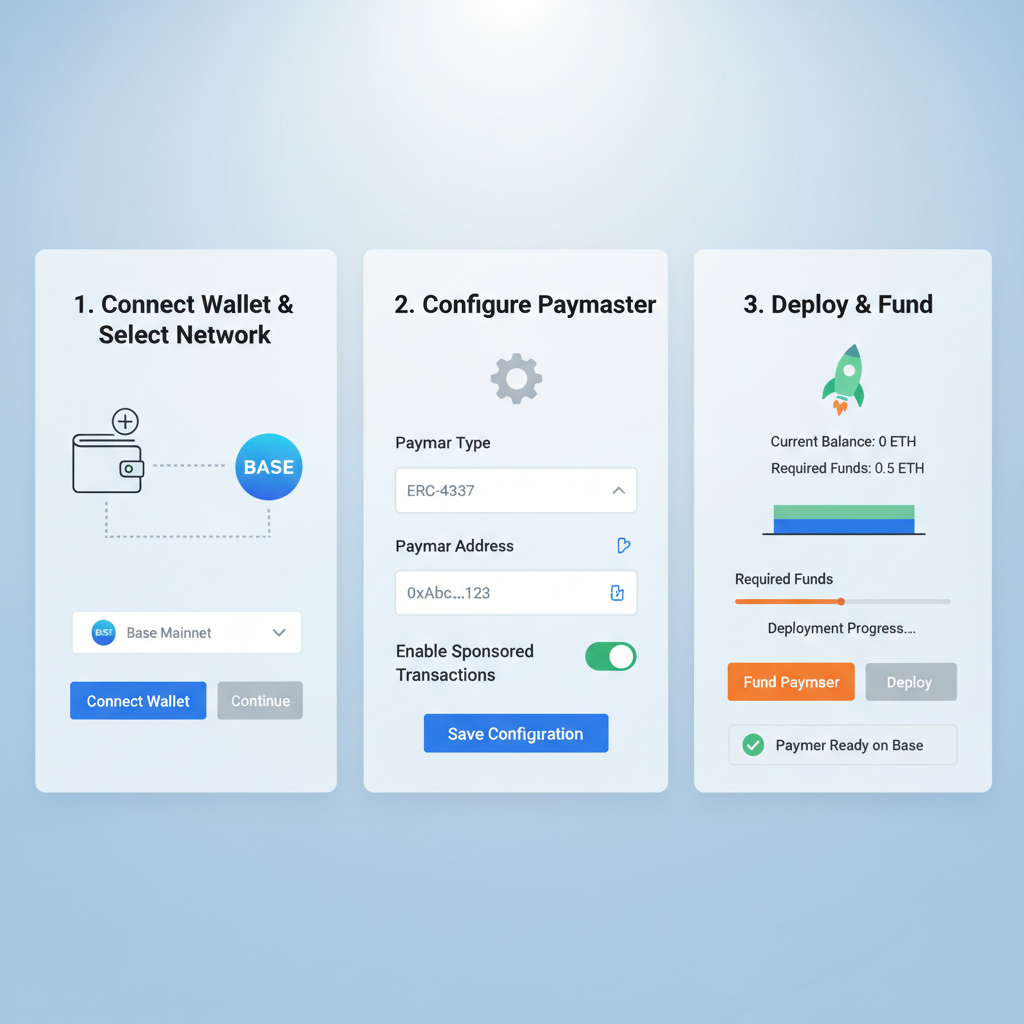
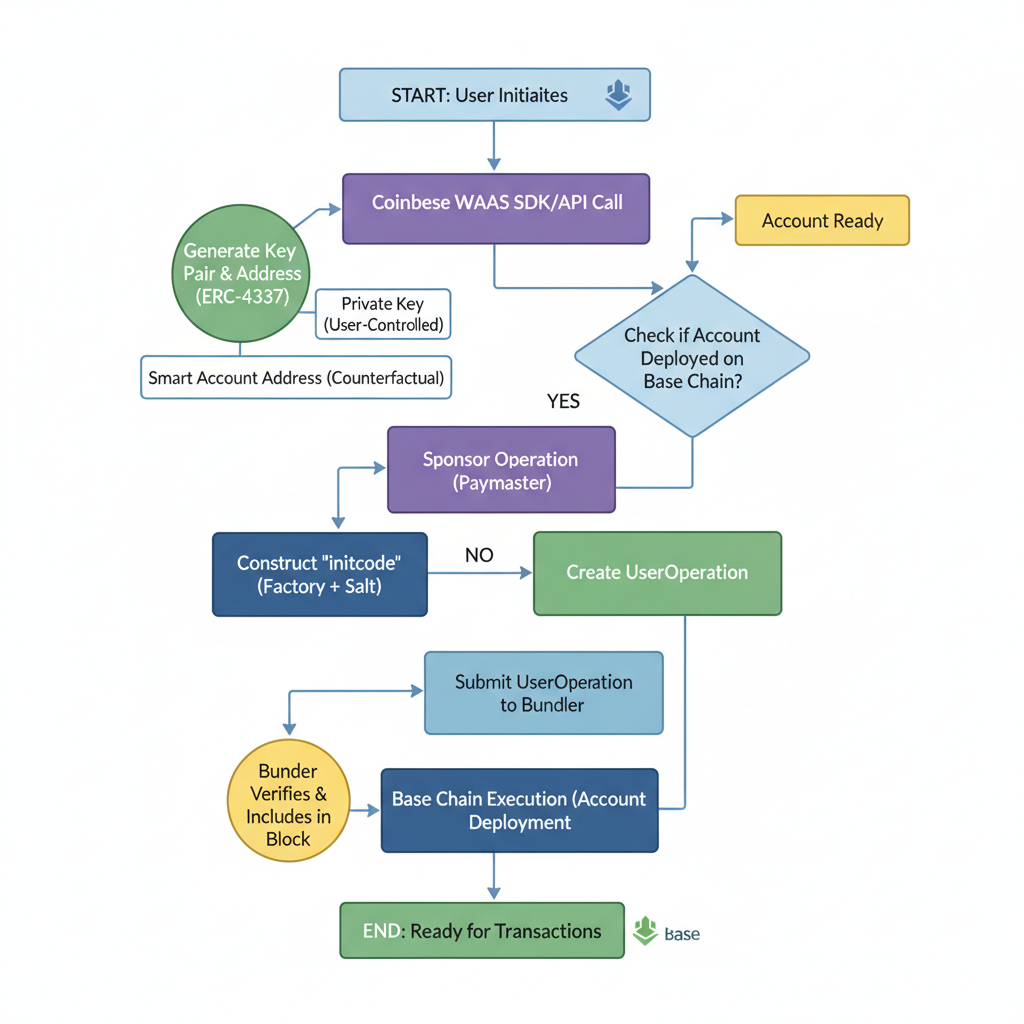
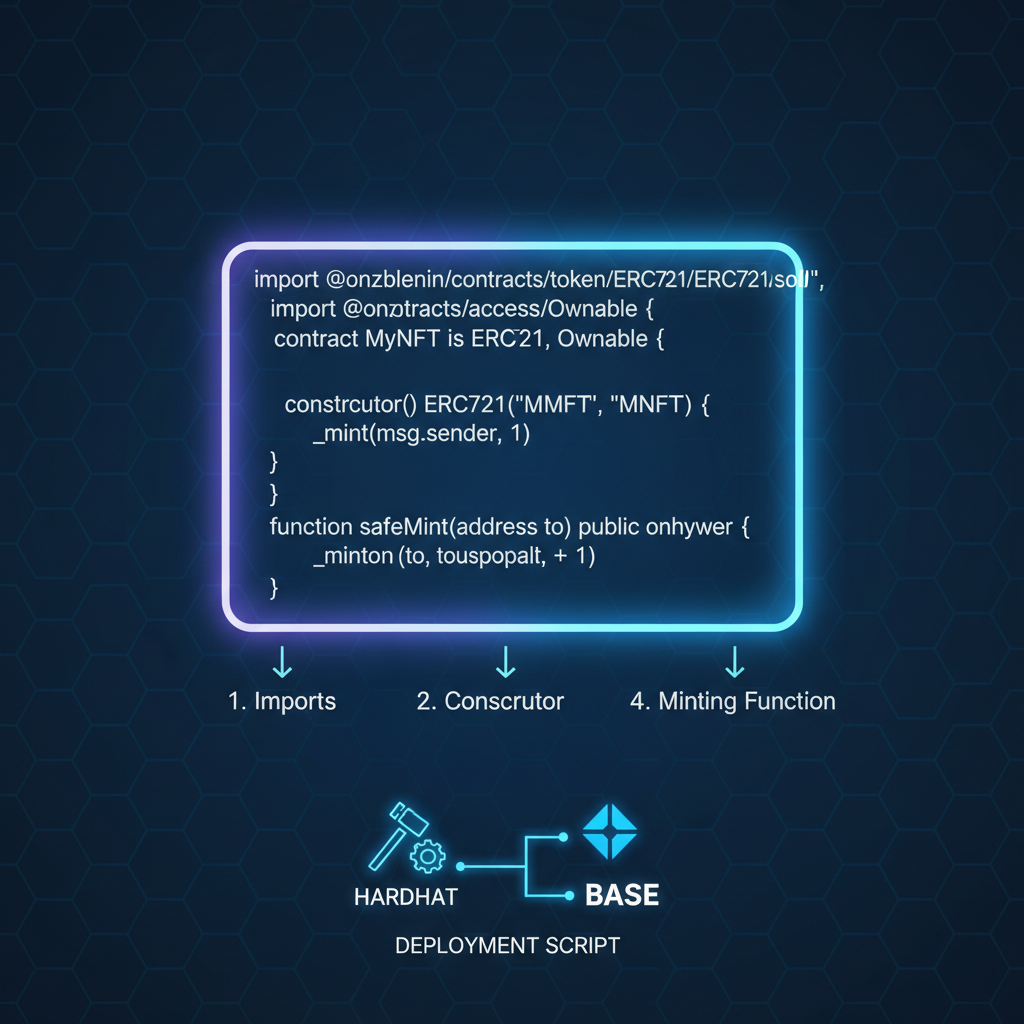
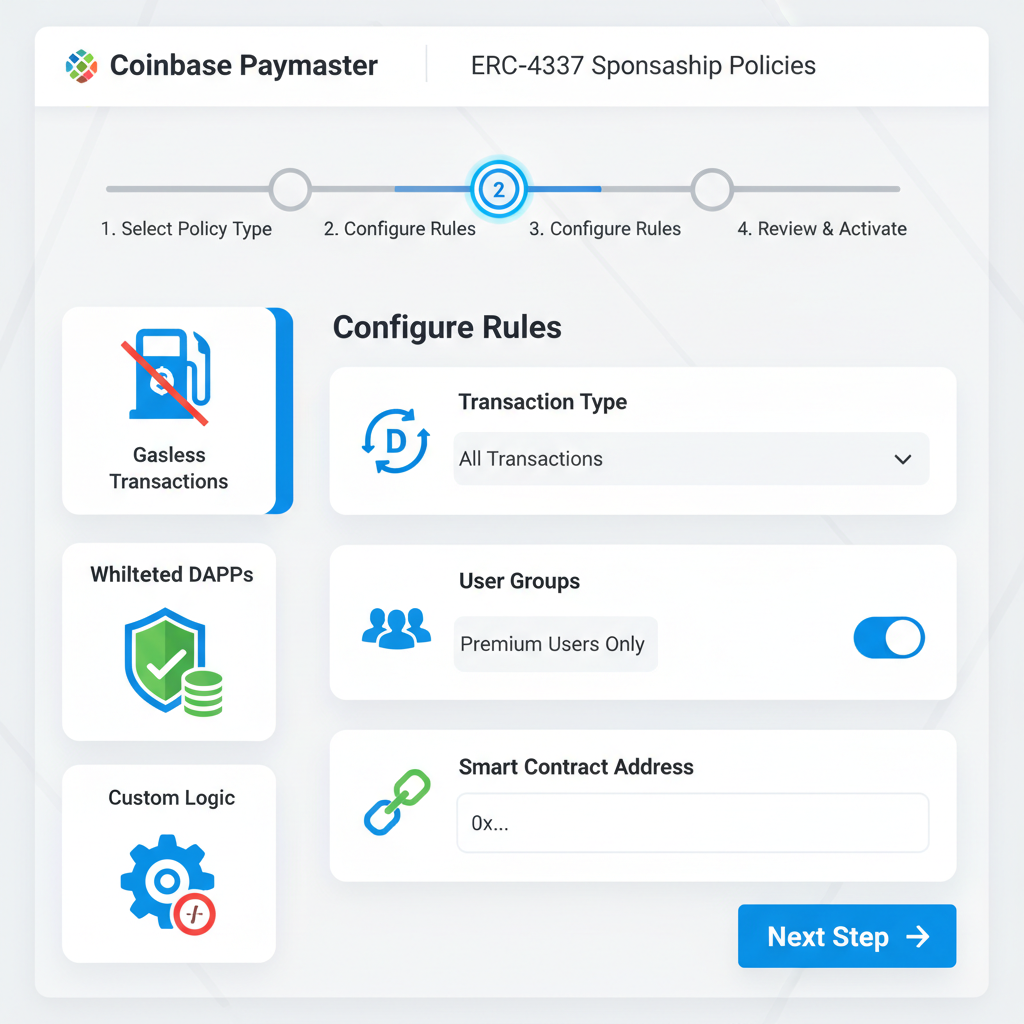
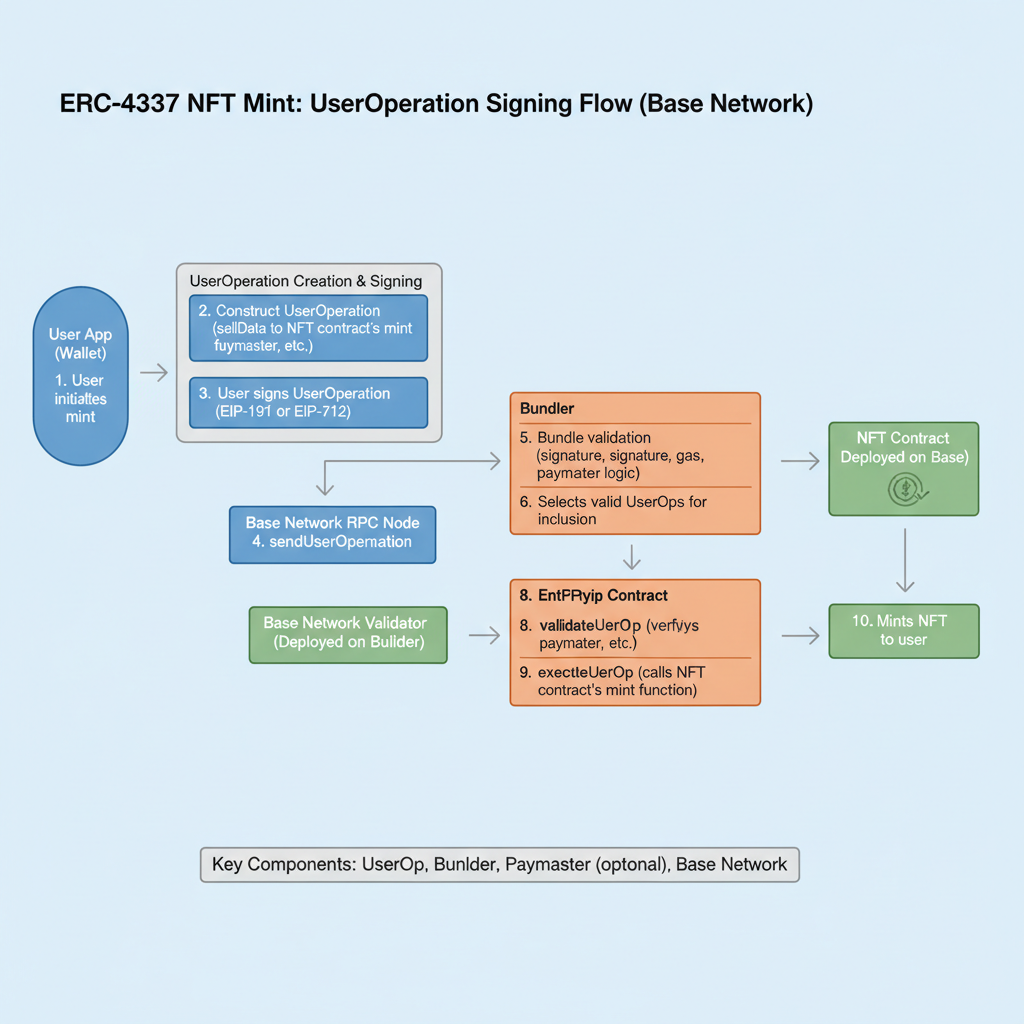
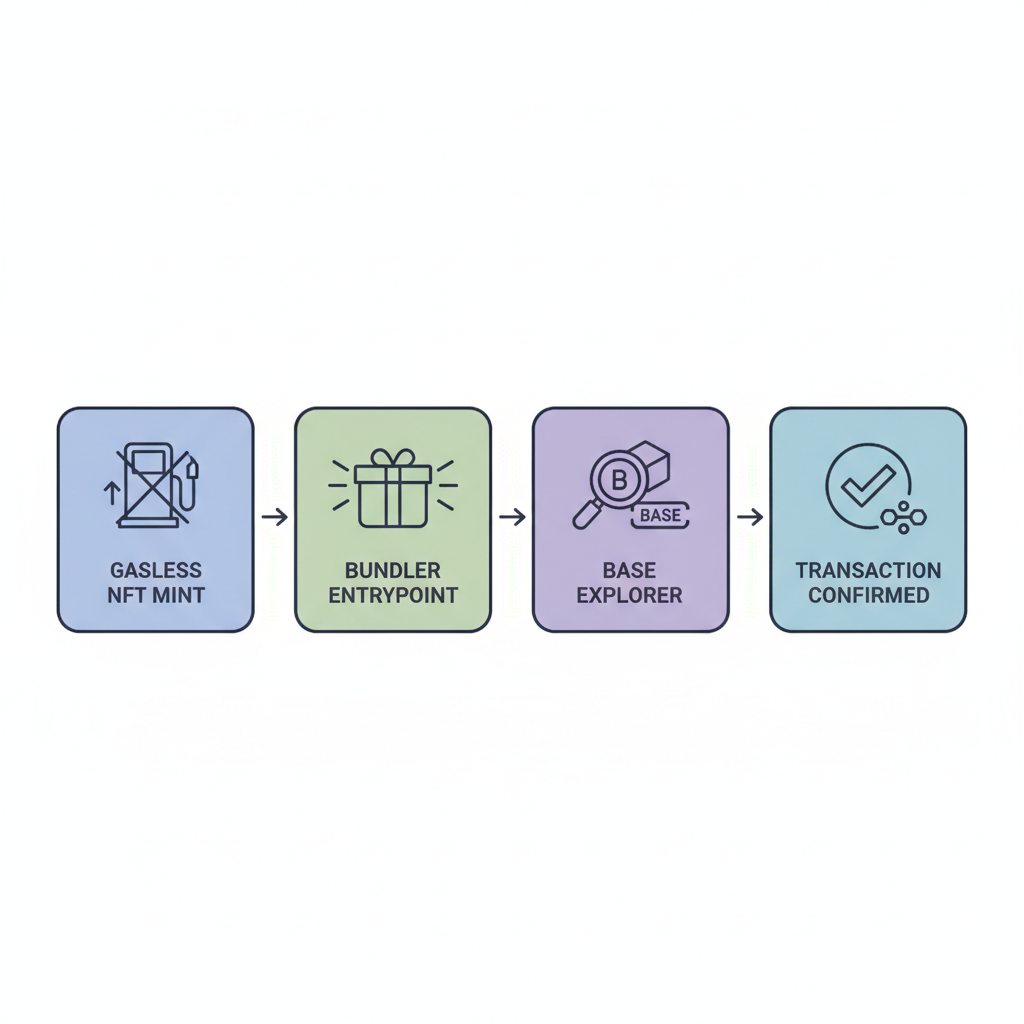
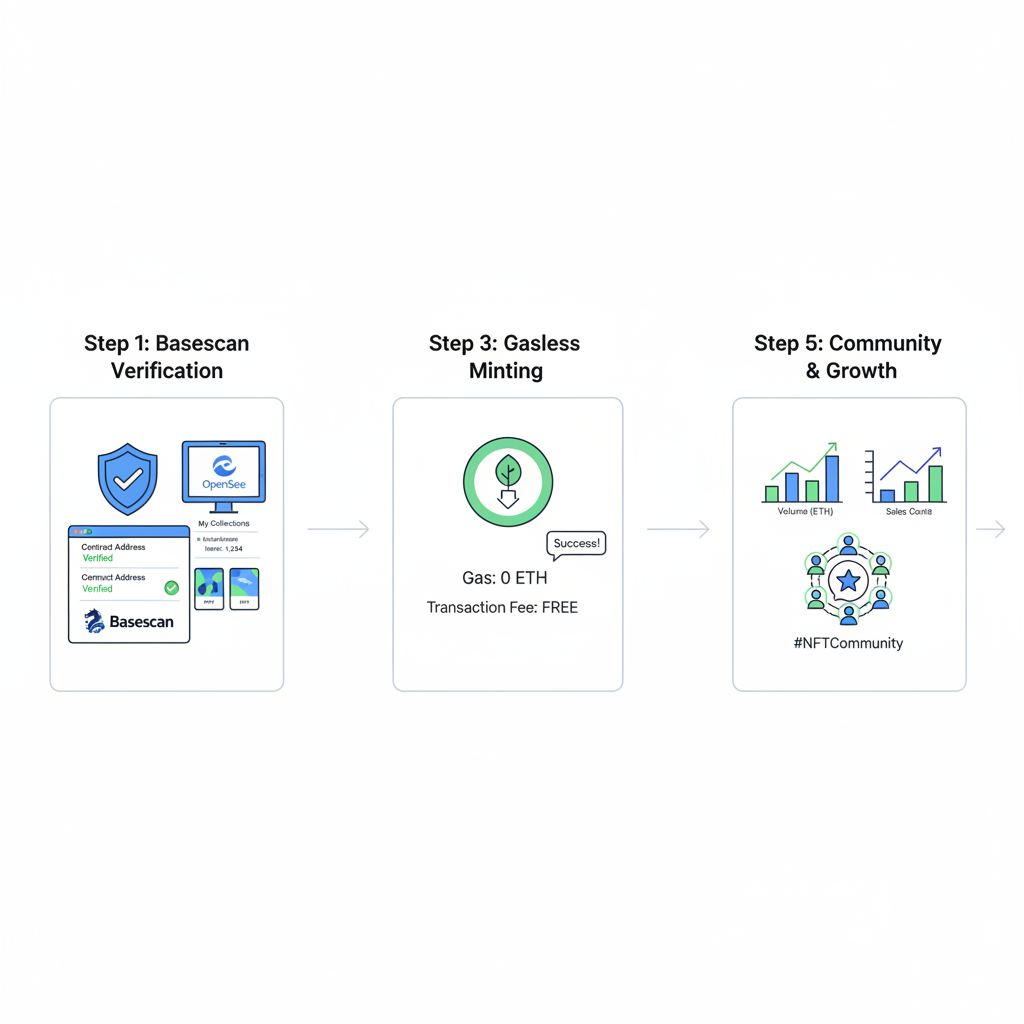
Video breakdowns like this from Rosario Borgesi demystify stack integration. Pair a Coinbase paymaster with Next. js frontends for email-based wallets; users mint via simple clicks, no seed phrases required. Grasp. study's companion guide reports 90% drop-off reductions, validating account abstraction bundlers UX in practice.
Challenges persist. High ETH volatility, hovering near its 24-hour high of $2,201.71, pressures bundler economics; paymasters counter with dynamic pricing. Alchemy's toolkit supports ERC-20 gas, letting projects accept any token, while HackMD guides stress whitelist oracles for NFT-specific controls. ERC-4337 docs mandate deposits, curbing DoS, with over 50 audited primitives now battle-tested.
| Metric | Pre-ERC-4337 | With Paymasters |
|---|---|---|
| User Onboarding Time | 15 mins (ETH buy and swap) | 30 secs |
| Mint Conversion Rate | 12% | 45% 🚀 |
| Accounts Deployed | Static EOAs | 40M and since 2023 |
Forward momentum builds. Layer 2s like Base leverage native paymasters for sub-cent mints, extending Ethereum's reach. Developers wielding paymaster kit gasless transactions via PaymasterKit. com unlock ERC-4337 sponsorship dApps, where UX dictates dominance. As ETH stabilizes around $2,095.12, these tools cement blockchain's mass appeal, turning casual browsers into committed collectors.




No comments yet. Be the first to share your thoughts!