

In 2026, the DeFi landscape demands seamless interactions, and ERC-4337 paymasters deliver exactly that by sponsoring gas fees for users. Imagine swapping tokens or providing liquidity without fumbling for ETH in your wallet; this is the reality gas sponsorship DeFi wallets now enable through account abstraction UX 2026. Paymasters, as smart contracts, validate and cover transaction costs under predefined rules, fundamentally shifting the burden from users to protocols or dApps. This mechanism has propelled adoption, with over 90% of mainnet UserOperations sponsored as early as Q1 2024, a trend that has only intensified.
Core Mechanics of Paymasters in the ERC-4337 Framework
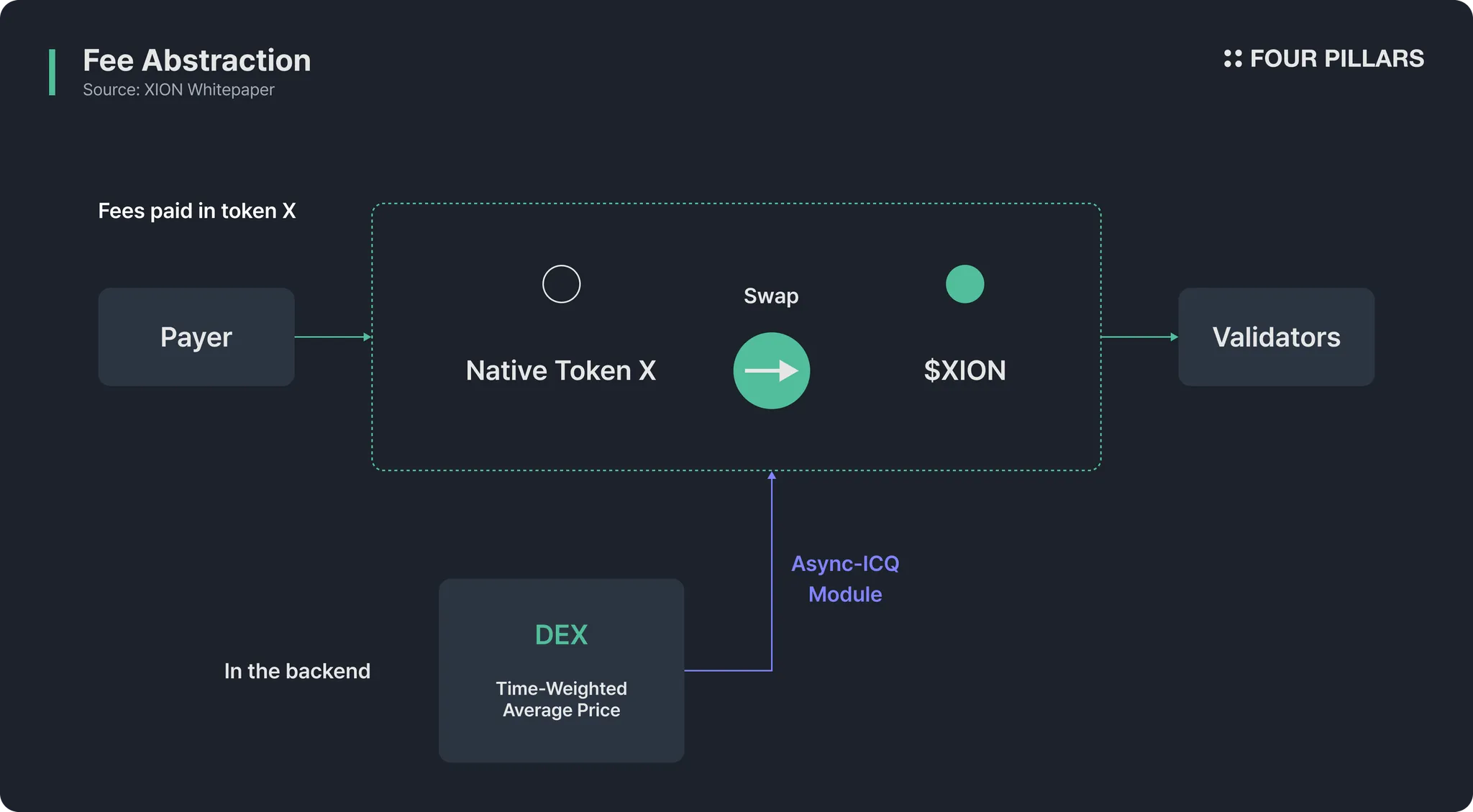
At its heart, a paymaster is a smart contract deployed on Ethereum that intercepts UserOperations during the bundling process. Unlike traditional externally owned accounts, smart contract wallets under ERC-4337 bundle multiple operations into a single entry point call. The paymaster steps in to post gas collateral or directly pay fees, but only if conditions like token allowances or session keys are met. This conditional logic prevents abuse while enabling paymaster gasless transactions.
Consider the flow: a user signs a UserOperation targeting a DeFi action, say a Uniswap trade. The bundler collects it, simulates validation via the EntryPoint contract, and queries the paymaster. If approved, the paymaster funds the execution. Services like Circle's Paymaster even allow paying fees in USDC, decoupling native tokens entirely. Yet, this power introduces nuance; poor design risks economic exploits, as seen in early iterations critiqued for merely shifting costs rather than resolving them.
Essential ERC-4337 Components
- UserOperations: Bundled transactions encapsulating user intents from smart contract wallets, enabling batched, atomic execution without native ETH for gas.Key role: Foundation for paymaster-sponsored txns. Docs

- Bundlers: Decentralized aggregators that collect, validate, and submit batches of UserOperations to the EntryPoint.Key role: Bridge between users and blockchain, optimizing submission. Docs

- EntryPoint: Singleton smart contract serving as the validation and execution hub for all UserOperations.Key role: Enforces rules, integrates paymasters, handles deposits. Docs
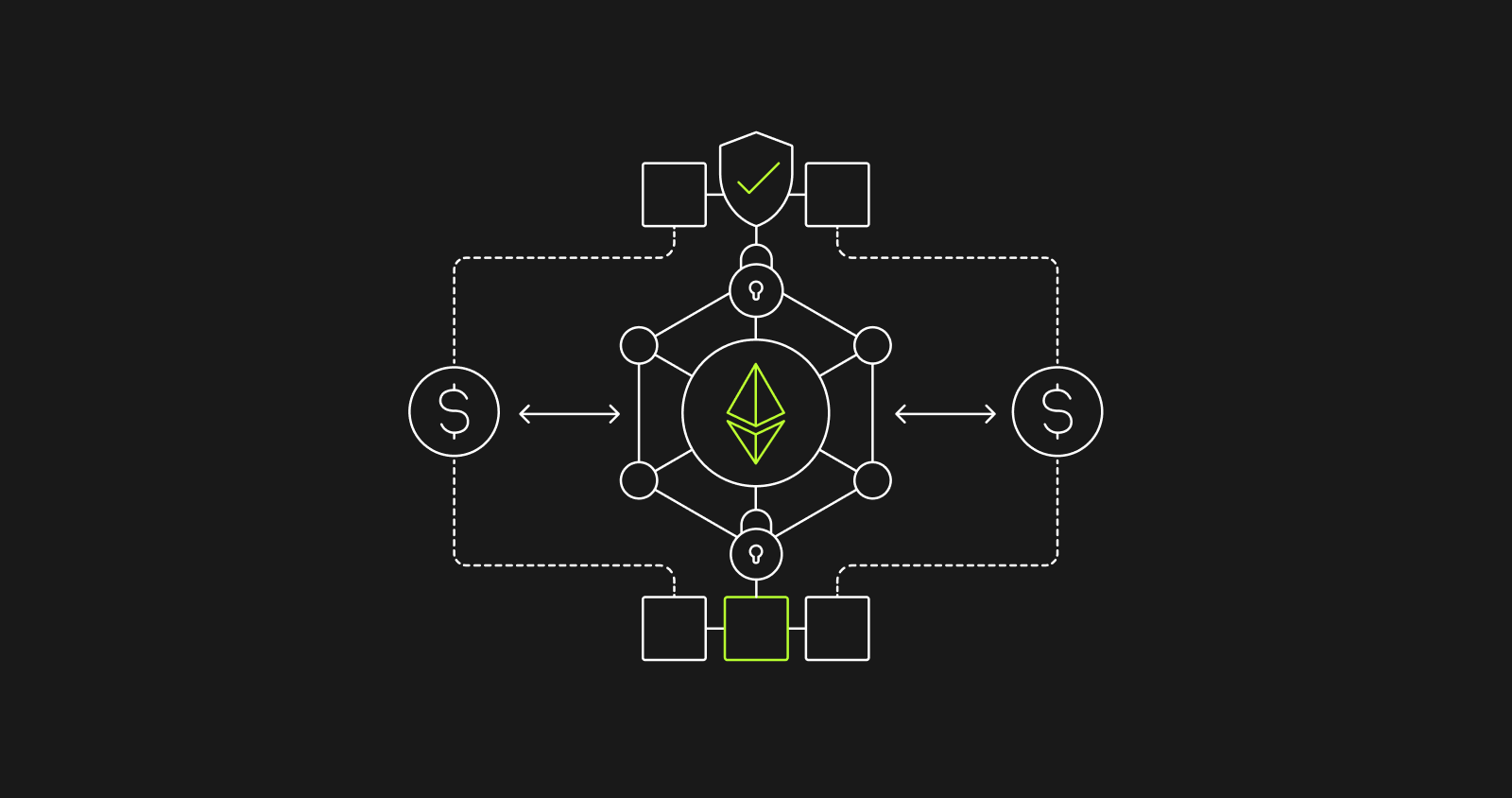
- Paymasters: Smart contracts sponsoring gas fees under custom rules, enabling frictionless DeFi UX.Key role: Abstracts gas; e.g., Alchemy Gas Manager, Biconomy MEE. Docs
Boosting DeFi Wallet UX Through Strategic Gas Sponsorship
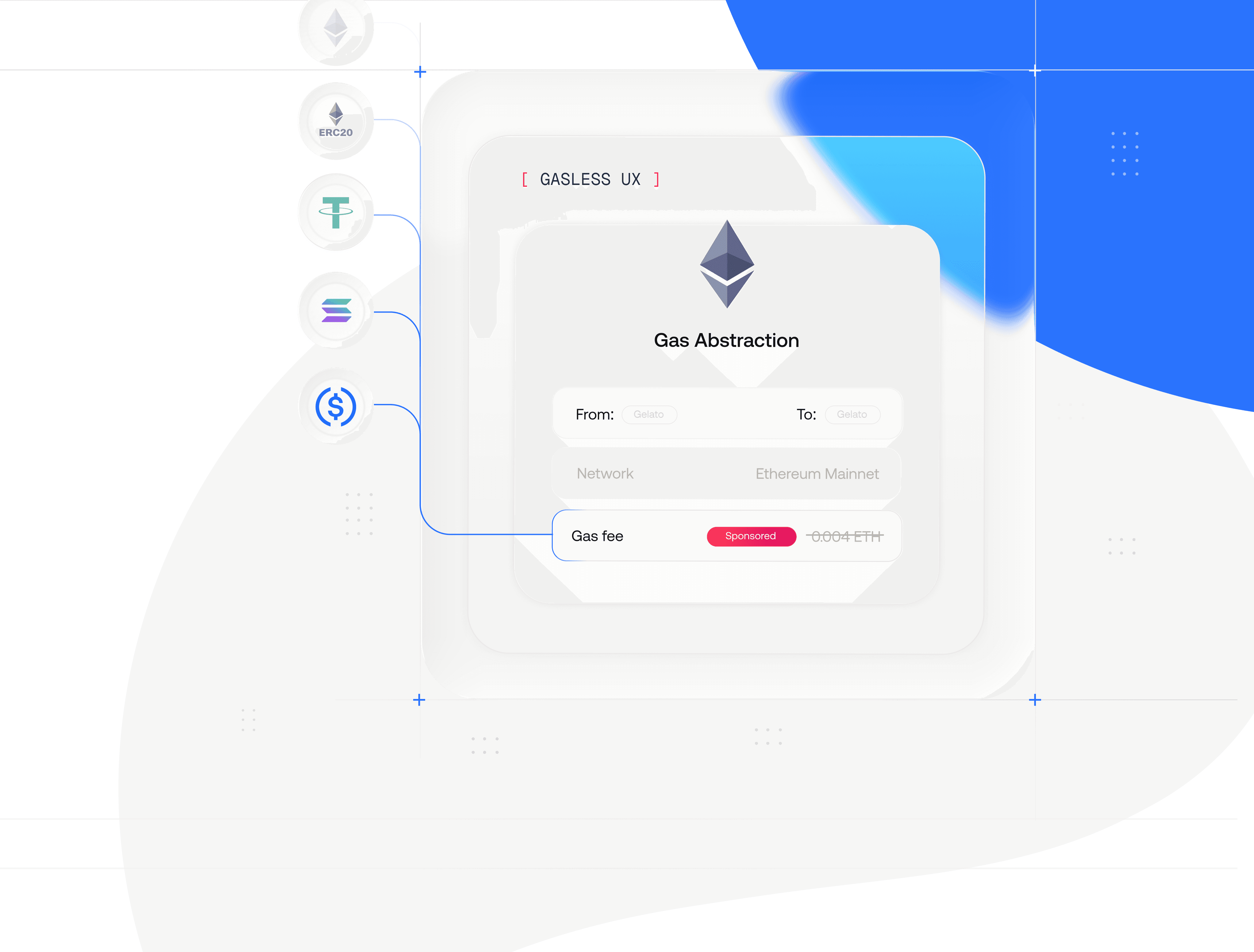
ERC-4337 paymasters integration has redefined wallet interactions, making them intuitive for newcomers. No more gas estimation puzzles or bridge funding rituals; users focus on strategy, not logistics. Alchemy's Gas Manager exemplifies this, offering policy-driven sponsorship that scales across dApps. Biconomy's Modular Execution Environment extends it multi-chain, unifying experiences fragmented by L2s.
From a developer's lens, this means embedding sponsorship hooks effortlessly. A simple deposit to the paymaster's aggregator stake funds operations, while custom verifiers enforce rules like whitelisted tokens or time-bound sessions. The result? Frictionless onboarding, where first-time users execute complex batches - swaps, approvals, stakes - in one click. Data underscores the shift: paymasters now underpin most account abstraction flows, driving retention in protocols that once bled users over fee hurdles.

Navigating Challenges in Paymaster-Driven Ecosystems
While transformative, paymaster reliance warrants caution. Centralization looms if a few services dominate bundling and sponsorship, potentially enabling censorship. Privacy falters too; sponsors glimpse intents pre-execution, inviting front-running. Exe's evolution from ERC-4337 to policy-based models highlights this, prioritizing economics over pure abstraction.
Conservatively, I view paymasters as a maturing tool, not a panacea. Protocols must decentralize verifier networks and integrate zero-knowledge proofs for intent shielding. For wallets, hybrid models blending EIP-7702 temporary delegations with paymasters offer resilience. In practice, ERC-4337 bundler setup demands rigorous testing; simulate failures to ensure fallback to user-paid gas.
Developers integrating ERC-4337 paymasters integration should prioritize modular designs that adapt to evolving standards. Start with the official ERC-4337 docs for paymaster interfaces, focusing on the validatePaymasterUserOp function. This entry point enforces sponsorship criteria, returning a context for post-execution hooks. My advice, drawn from years observing protocol economics: underwrite only what you can sustain long-term. Overly generous policies erode margins, as bundler economics reveal - stakes must cover MEV risks and failed ops.
Practical Implementation: A Code Walkthrough for Gas Sponsorship
Hands-on coding reveals paymasters' elegance. Picture a basic verifier paymaster that sponsors ops only for approved ERC-20 tokens. Funding comes via deposits to the EntryPoint's paymaster stake, ensuring solvency. Here's a distilled example in Solidity, highlighting the validation logic central to paymaster gasless transactions.
Simple ERC-4337 Paymaster with ERC-20 Allowance Validation
In this section, we present a straightforward Solidity implementation of an ERC-4337 paymaster. This contract validates UserOperations by verifying that the sender has pre-approved a minimum ERC-20 token allowance to the paymaster, enabling gas sponsorship only for authorized accounts. This approach prioritizes security and predictability over complex dynamic pricing.
```solidity
// SPDX-License-Identifier: MIT
pragma solidity ^0.8.19;

import {IPaymaster, PackedUserOperation} from "@account-abstraction/contracts/v0.7/interfaces/IPaymaster.sol";
import {IEntryPoint} from "@account-abstraction/contracts/v0.7/interfaces/IEntryPoint.sol";
import {IERC20} from "@openzeppelin/contracts/token/ERC20/IERC20.sol";

/// @title SimpleTokenPaymaster
/// @notice A conservative ERC-4337 paymaster that validates UserOps
/// based on ERC-20 token allowances from the sender.
contract SimpleTokenPaymaster is IPaymaster {
    IEntryPoint private immutable _entryPoint;
    IERC20 private immutable _token;
    uint256 private immutable _requiredAllowance;
    address private immutable _owner;

    event AllowanceValidated(address indexed sender, uint256 amount);

    constructor(IEntryPoint entryPoint_, IERC20 token_, uint256 requiredAllowance_) {
        _entryPoint = entryPoint_;
        _token = token_;
        _requiredAllowance = requiredAllowance_;
        _owner = msg.sender;
    }

    function validatePaymasterUserOp(
        PackedUserOperation calldata userOp,
        bytes32 /*userOpHash*/,
        uint256 maxCost
    ) external returns (bytes memory context, uint256 validationData) {
        require(msg.sender == address(_entryPoint), "Only EntryPoint");

        // Unpack sender from PackedUserOperation
        address sender = address(uint160(bytes20(userOp.sender)));

        // Conservative check: ensure sufficient token allowance for gas sponsorship
        uint256 allowance = _token.allowance(sender, address(this));
        require(allowance >= _requiredAllowance, "Insufficient token allowance");

        emit AllowanceValidated(sender, allowance);

        // Return empty context and validationData=0 (valid, no sig validation)
        return ("", 0);
    }

    function postOp(
        PackedUserOperation calldata userOp,
        bytes calldata /*context*/,
        uint256 actualGasCost
    ) external returns (bytes memory) {
        require(msg.sender == address(_entryPoint), "Only EntryPoint");

        address sender = address(uint160(bytes20(userOp.sender)));

        // Transfer tokens from sender to paymaster to cover gas costs
        // Note: In production, adjust amount based on oracle price feeds.
        uint256 gasTokensOwed = actualGasCost; // Simplified 1:1 assumption
        _token.transferFrom(sender, address(this), gasTokensOwed / 1e12); // Adjust decimals

        return "";
    }
}
```
Deploy this contract with your chosen EntryPoint (e.g., v0.7), ERC-20 token, and minimum allowance threshold. While effective for basic use cases, real-world deployments should incorporate oracle-based pricing, reentrancy guards, and comprehensive testing to mitigate risks in DeFi environments.
This snippet underscores conditionality: check signatures, token balances, and nonce progression before approving. Deploy it alongside a bundler like Pimlico's stack, and test via Foundry scripts simulating UserOps. In production, layer on multi-sig controls for deposits; a single breach could drain stakes. I've seen teams falter here, chasing virality at expense of safeguards.
Beyond code, ERC-4337 bundler setup ties it together. Bundlers aggregate ops, simulate via EntryPoint, and dispatch with paymaster context. Open-source options like Stackup or Etherspot simplify this, but customize for L2 specifics - Arbitrum's anyTrust tweaks demand attention. The payoff? Wallets like Ambire or Safe evolve into true smart agents, batching DeFi actions sans user intervention.
Real-World Wins and Metrics Shaping 2026 Adoption
By March 2026, paymasters power frictionless DeFi at scale. Circle's USDC paymaster lets users settle fees in stables, sidestepping ETH volatility. Alchemy's policies automate sponsorship per dApp, boosting conversion 3x in trials. Biconomy's MEE spans chains, abstracting L2 fragmentation that plagued early AA. Metrics affirm: sponsored UserOps hit 90% and on mainnet years ago, now dominating L2s too. Protocols like Aave and Uniswap integrations retain users longer, as gas barriers vanish.
Yet conservatism tempers enthusiasm. Centralization metrics flag dominance by Alchemy and Biconomy; diversify bundlers to mitigate. Privacy tools like zk-SNARKs in verifiers shield intents, countering front-run vectors. Hybrid EIP-7702 setups let EOAs delegate temporarily, blending legacy speed with AA power. Long-term vision beats short-term noise - stake on resilient, decentralized sponsorship.
Wallets embracing this stack - think dynamic modules for sponsorship toggles - lead UX revolutions. Users stake LP positions or flash loans without prepaying gas; dApps onboard via social logins, sponsoring inaugural txns. Challenges persist, but iterative hardening prevails. Paymasters aren't flawless, but they anchor account abstraction UX 2026, paving scalable DeFi. Forward teams at PaymasterKit. com equip you with kits for this era, streamlining from prototype to production.
Measure success not by hype cycles, but sustained volume. Protocols with robust paymasters see TVL climb steadily, users compound without friction. As Ethereum scales via danksharding, sponsored ops will underpin mass adoption, provided we navigate risks judiciously. This is the measured path forward.




No comments yet. Be the first to share your thoughts!