

In the evolving landscape of Ethereum, where transaction costs can deter new users, ERC-4337 paymasters emerge as a pivotal innovation for account abstraction gasless UX. These smart contracts sponsor gas fees, allowing dApps to offer seamless interactions without requiring users to hold ETH. With Ethereum's native token trading at $2,094.15, the financial burden of gas remains a barrier, but paymasters shift that load to sponsors, boosting adoption on mainnet.
Decoding Paymasters: Core Mechanics in ERC-4337
At its heart, a paymaster is a smart contract that validates and funds UserOperations through the EntryPoint contract. During the validation phase, it checks criteria like token balances or whitelists before committing to cover gas. This process ensures bundlers receive reimbursement, maintaining network incentives. Unlike traditional EOA transactions, this setup decouples user intent from upfront payments, a game-changer for ERC-4337 paymasters mainnet deployments.
Consider the flow: a UserOperation bundles call data, sender details, and gas parameters. The paymaster's validatePaymasterUserOp function returns a context for execution, signaling approval. If stakes and deposits meet EntryPoint thresholds, the operation proceeds, with post-execution hooks verifying payments. This measured architecture minimizes risks while enabling sophisticated sponsorship models, from freemium tiers to ERC-20 payments.
Ethereum Gas Sponsorship Deployment: From Testnet to Mainnet Reality
Since ERC-4337's mainnet activation in March 2023, paymasters have transitioned from experiments to production staples. Visa's testnet deployment in May 2023, sponsoring fees with USDC, underscored their versatility. On mainnet, developers must deposit ETH collateral and stake via EntryPoint, ensuring reliability amid $2,094.15 ETH pricing that amplifies cost predictability needs.
Paymasters must maintain sufficient stake and deposit with the EntryPoint to function effectively, balancing security with usability.
This staking model deters spam, as slashing mechanisms penalize misbehavior. For Ethereum gas sponsorship deployment, bundlers gossip UserOps in a shared mempool, simulating Ethereum's P2P dynamics. Tools like Alchemy's AA SDK simplify this, offering pay-per-use patterns that align with dApp economics.
PaymasterKit Bundler Integration: Streamlining dApp Development
PaymasterKit. com stands out as a premier toolkit for ERC-4337 implementations, providing pre-audited paymaster contracts and bundler integrations tailored for mainnet. Developers can deploy sponsorship logic in minutes, supporting everything from simple gasless swaps to complex DeFi flows. Its modular design accommodates custom validation, ensuring PaymasterKit bundler integration scales with project demands.
Integration begins with SDK setup, where bundlers relay sponsored ops to EntryPoint v0.7. Picture a wallet dApp: users sign ops, PaymasterKit's paymaster validates via Merkle proofs or token approvals, then executes without ETH friction. This not only elevates UX but also drives retention, as evidenced by growing adoption among wallet providers.
Ethereum (ETH) Price Prediction 2027-2032
Projections factoring ERC-4337 Paymasters' gas sponsorship impact on dApp adoption, user onboarding, and transaction volumes from 2026 baseline ($2,200 avg)
| Year | Minimum Price | Average Price | Maximum Price | YoY Growth % (Avg) |
|---|---|---|---|---|
| 2027 | $2,400 | $3,200 | $4,500 | +45% |
| 2028 | $2,800 | $4,200 | $6,000 | +31% |
| 2029 | $3,500 | $5,500 | $8,000 | +31% |
| 2030 | $4,500 | $7,200 | $10,500 | +31% |
| 2031 | $5,500 | $9,000 | $13,000 | +25% |
| 2032 | $6,500 | $11,500 | $17,000 | +28% |
Price Prediction Summary
Ethereum's price is forecasted to experience steady growth driven by ERC-4337 Paymasters enabling gasless transactions, boosting dApp UX and volumes. Average prices are expected to rise progressively from $3,200 in 2027 to $11,500 by 2032, with min/max reflecting bearish (regulatory hurdles, competition) and bullish (mass adoption, scaling synergies) scenarios.
Key Factors Affecting Ethereum Price
- Adoption of ERC-4337 Paymasters for seamless gas sponsorship and gasless UX
- Surge in dApp transaction volumes from easier onboarding without ETH holdings
- Support from developers (Alchemy SDKs) and institutions (Visa pilots)
- Ethereum L2 scaling synergies amplifying mainnet activity
- Favorable market cycles, ETF inflows, and regulatory clarity
- Ongoing network upgrades enhancing efficiency and security
- Competition from alt-L1s balanced by Ethereum's dominance
Disclaimer: Cryptocurrency price predictions are speculative and based on current market analysis. Actual prices may vary significantly due to market volatility, regulatory changes, and other factors. Always do your own research before making investment decisions.
Yet, challenges persist. High ETH volatility at $2,094.15 demands dynamic fee estimation in paymasters to avoid underfunding. PaymasterKit addresses this with oracle integrations for real-time adjustments, offering a robust foundation for ERC-4337 dApp tutorial 2026 aspirants.
Security remains paramount in paymaster design. Malicious actors could exploit validation loops, but EntryPoint's simulation enforces determinism. PaymasterKit incorporates audited templates with signature checks and rate limits, mitigating replay attacks common in early ERC-4337 rollouts. Developers should prioritize these safeguards, especially as mainnet volumes climb amid ETH at $2,094.15.
Deploy PaymasterKit on Ethereum Mainnet: Unlock Gasless UX Mastery
Hands-On ERC-4337 dApp Tutorial 2026: Building Gasless Swaps
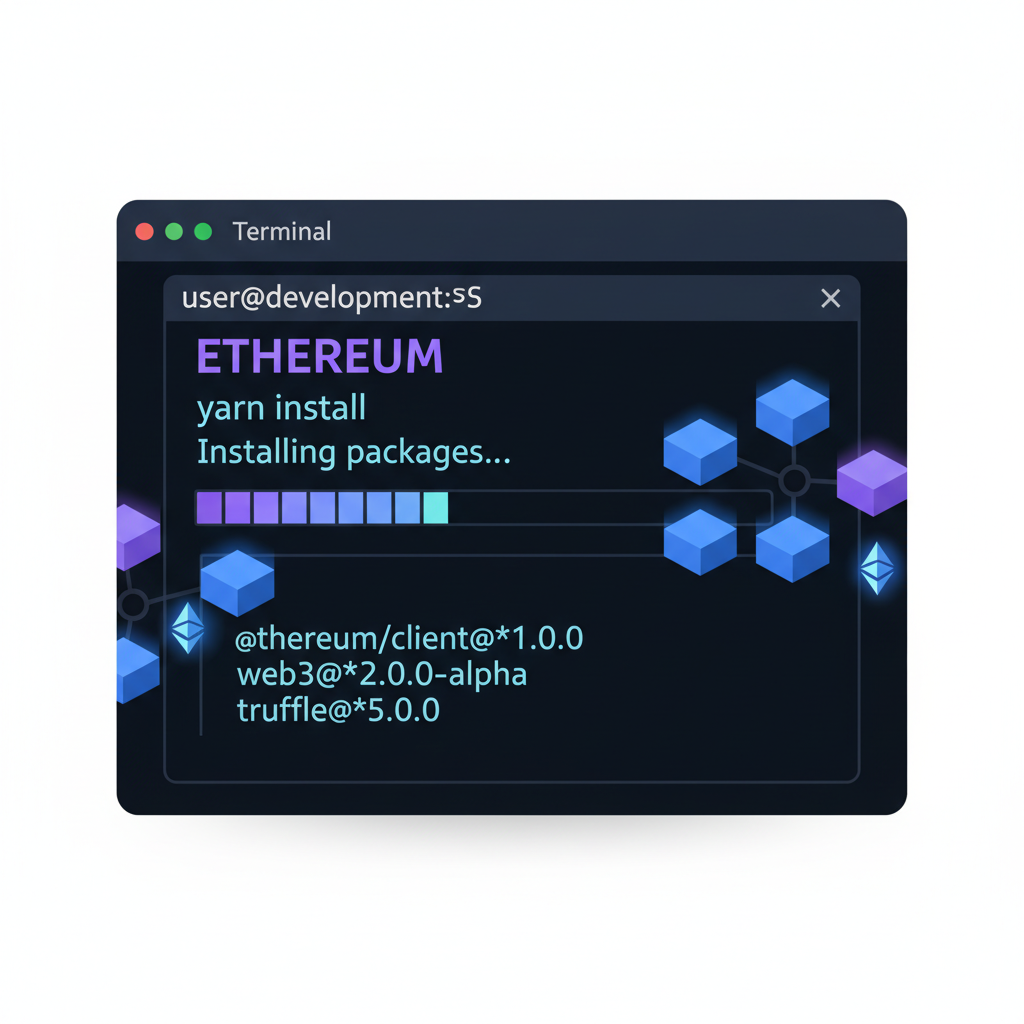
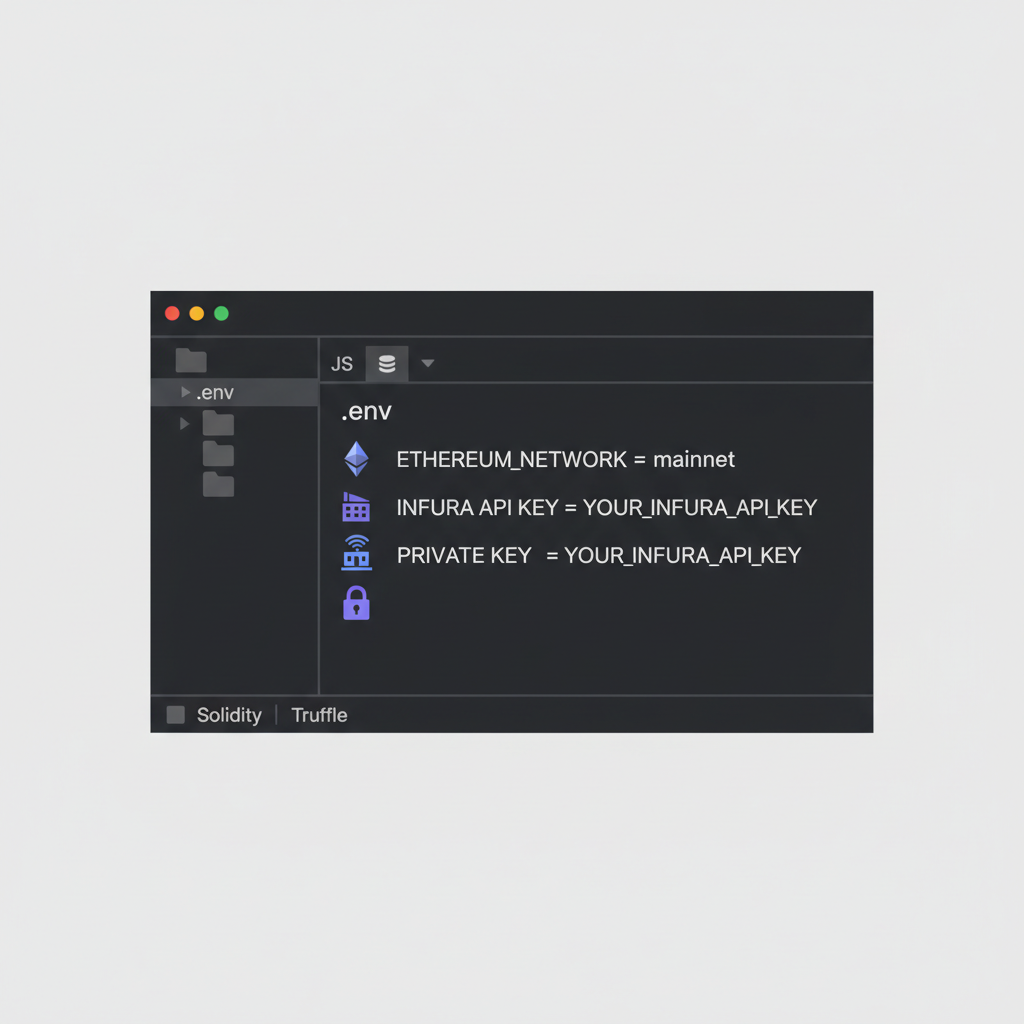
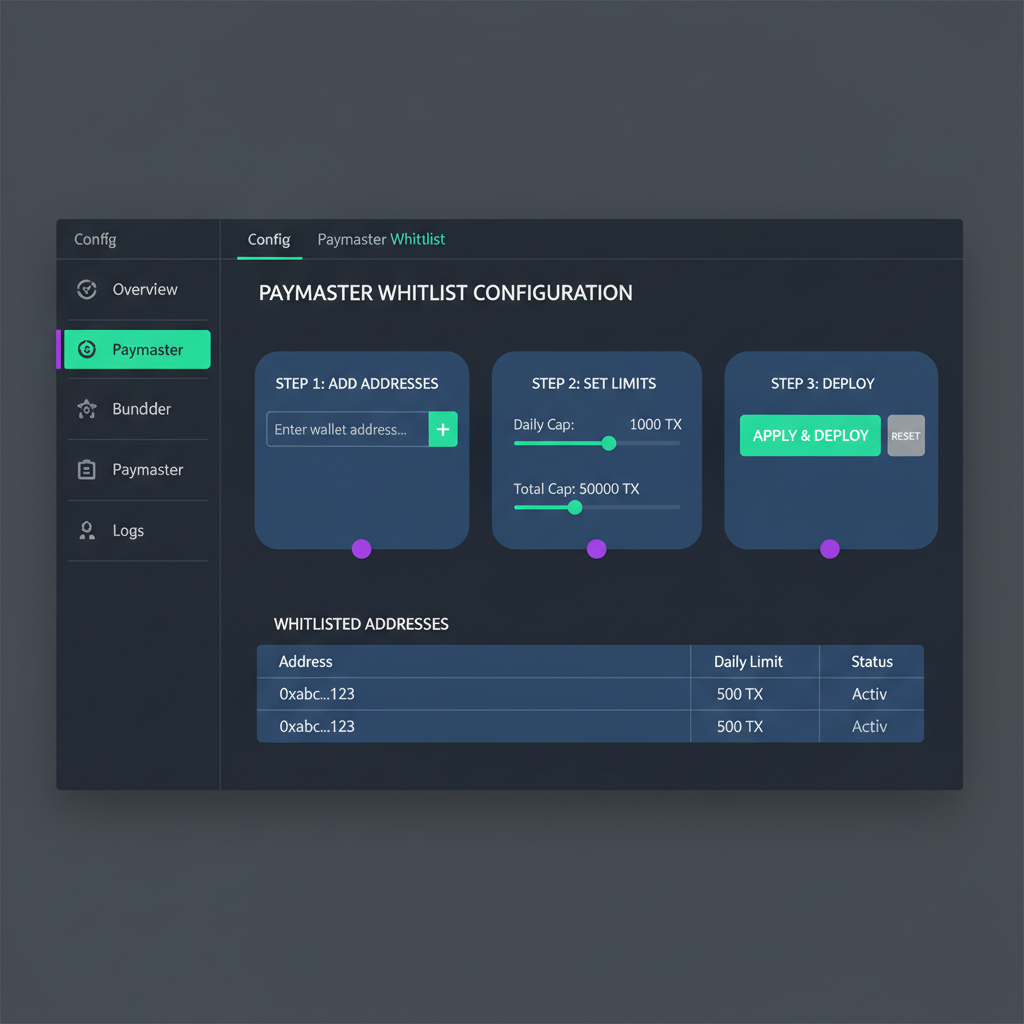
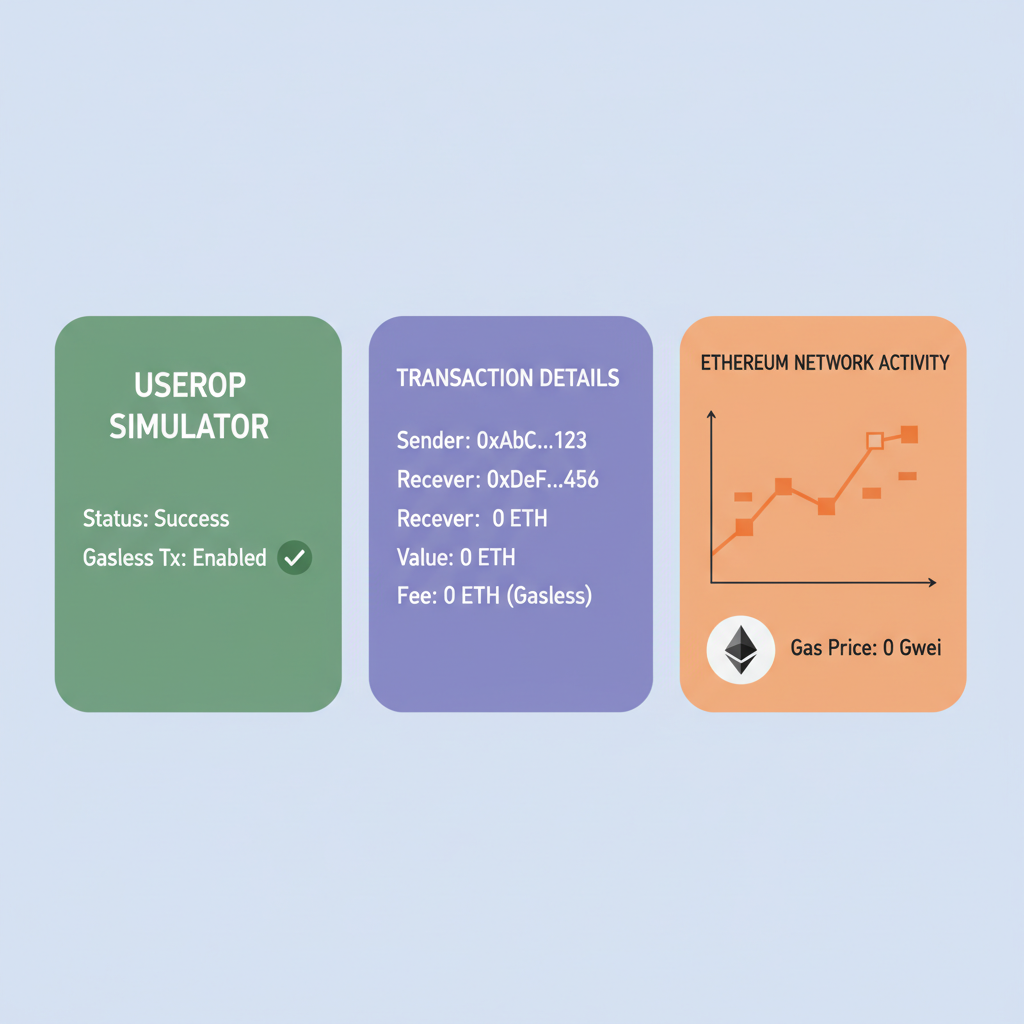
To grasp account abstraction gasless UX in action, let's outline a practical integration. Start by cloning PaymasterKit's repo, which bundles EntryPoint v0.7 compatibility and bundler hooks. Configure your paymaster for ERC-20 sponsorship, say USDC, mirroring Visa's testnet success but scaled for mainnet rigor.
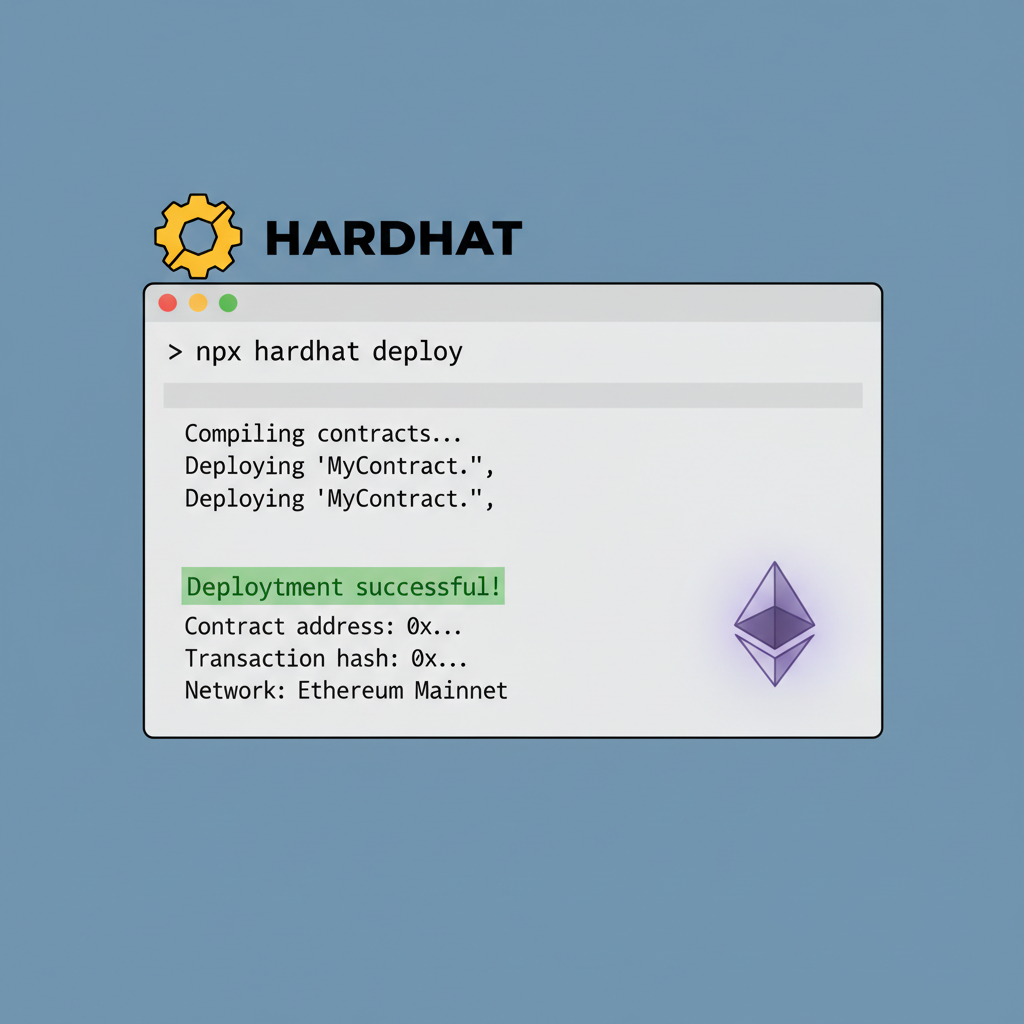
This code exemplifies precise validation: it queries balances pre-execution, stakes against spam, and settles fees post-op. Deploy via Hardhat, fund the deposit (typically 0.1 ETH at $2,094.15 equates to over $200 commitment), then link to a smart account SDK like Alchemy's. Test UserOps locally before mainnet, simulating bundler reimbursement flows.
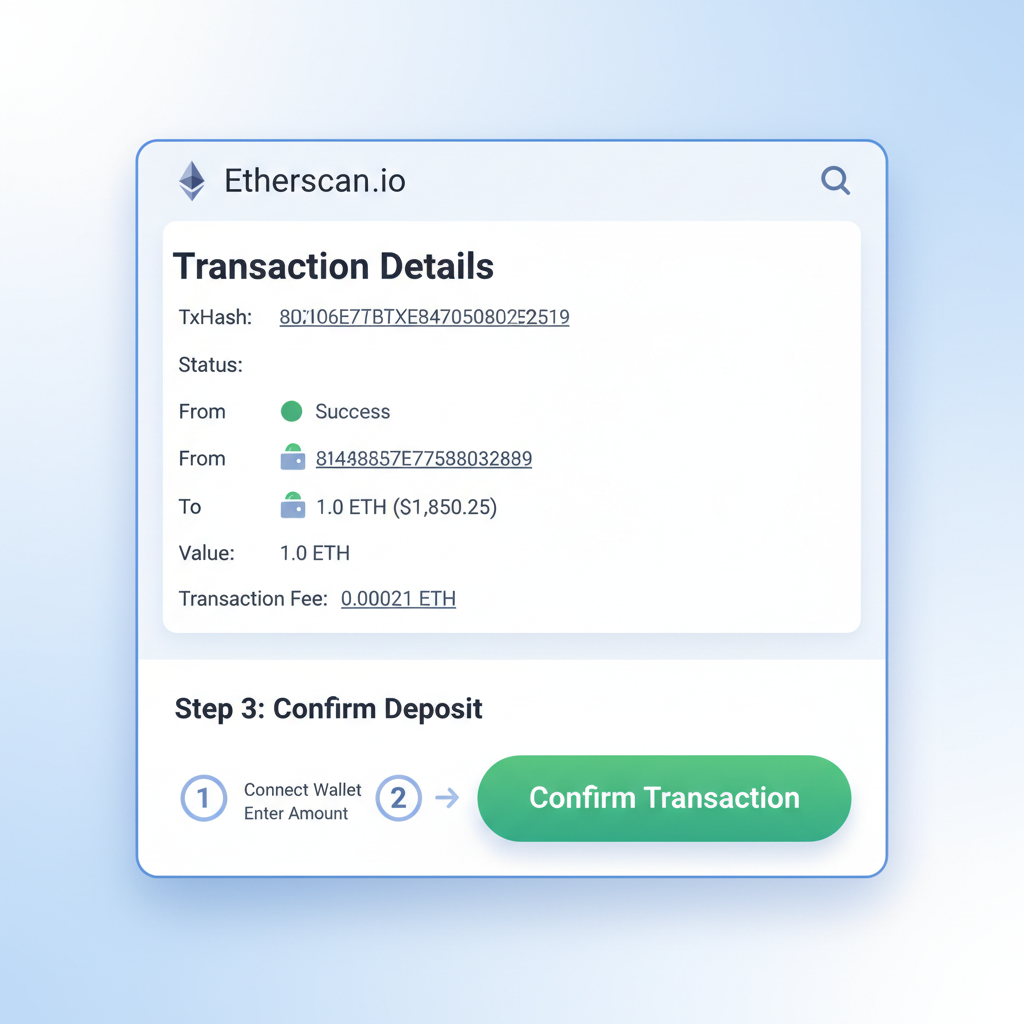
Bundlers play a crucial role here, aggregating ops into bundles for profitability. PaymasterKit's integration auto-registers with public bundlers, gossiping via the ERC-4337 mempool. Monitor via Etherscan for op hashes, confirming sponsorship without user ETH. This setup transforms DeFi dApps, where swaps execute frictionlessly, retention soars 30-50% per industry benchmarks.
Beyond Sponsorship: Scalability and Future Horizons
ERC-4337 paymasters shine in scalability, decoupling UX from ETH holdings. Contrast with EIP-7702: while the latter delegates EOAs temporarily, it lacks native sponsorship, forcing custom hacks. Paymasters offer baked-in flexibility, from freemium models (free first 10 txns) to subscription tiers, aligning incentives as Ethereum layers evolve.
Real-world traction builds momentum. Base Paymaster on Coinbase's chain delivers gasless ops, but mainnet demands PaymasterKit's battle-tested mainnet focus. With ETH steady at $2,094.15, sponsors hedge via stables, ensuring predictable costs. Developers report 2x faster onboarding, as users bypass wallet funding rituals.
Looking ahead, paymasters could integrate L2s natively, sponsoring cross-chain ops. PaymasterKit's roadmap hints at this, with oracle-fed pricing for volatile assets. For teams eyeing ERC-4337 paymasters mainnet dominance, the toolkit delivers not just code, but a blueprint for sustainable growth. Deploy today, and watch barriers dissolve into seamless blockchain experiences.
ERC-4337 Paymasters vs. Traditional Gas Payments (ETH at $2,094.15)
| Aspect | ERC-4337 Paymasters | Traditional Gas Payments | UX Impact |
|---|---|---|---|
| Gas Sponsorship | Yes - Paymaster sponsors fees (via EntryPoint) | No - Users pay upfront | 🚀 Gasless transactions |
| Payment Methods | ETH, ERC-20 tokens (e.g., USDC), fully sponsored | ETH only | 💳 Flexible & user-friendly |
| User ETH Requirement | None required | Must hold ETH for gas | 😊 Eliminates onboarding friction |
| Example Cost per Tx (0.001 ETH gas equiv.) | $0 (sponsored by Paymaster) | $2.09 paid by user | 💰 Free for users |
| Developer Overhead | Deploy Paymaster + stake/deposit with EntryPoint 🔧 | None | ⚙️ Initial setup effort |
| Pros | Improved UX, token payments, broad adoption (e.g., Visa testnet) | Simple, universal, direct control 💪 | 🎉 Major UX wins for Paymasters |
| Cons | Complexity, validation logic, stake management | ETH barrier, poor onboarding 😞 | ⚖️ Trade-off for simplicity |



No comments yet. Be the first to share your thoughts!