

Imagine slashing gas fees to zero for your users while keeping your dApp's doors wide open to mass adoption. That's the ERC-4337 paymaster magic in action. But hold up - sponsoring transactions sounds dreamy until someone exploits it for a DoS attack or griefing spree. Enter policy enforcement: the unsung hero ensuring secure gas sponsorship doesn't turn into a blockchain nightmare. As a battle-hardened ERC-4337 advocate, I've seen firsthand how these rules transform risky experiments into bulletproof infrastructure.
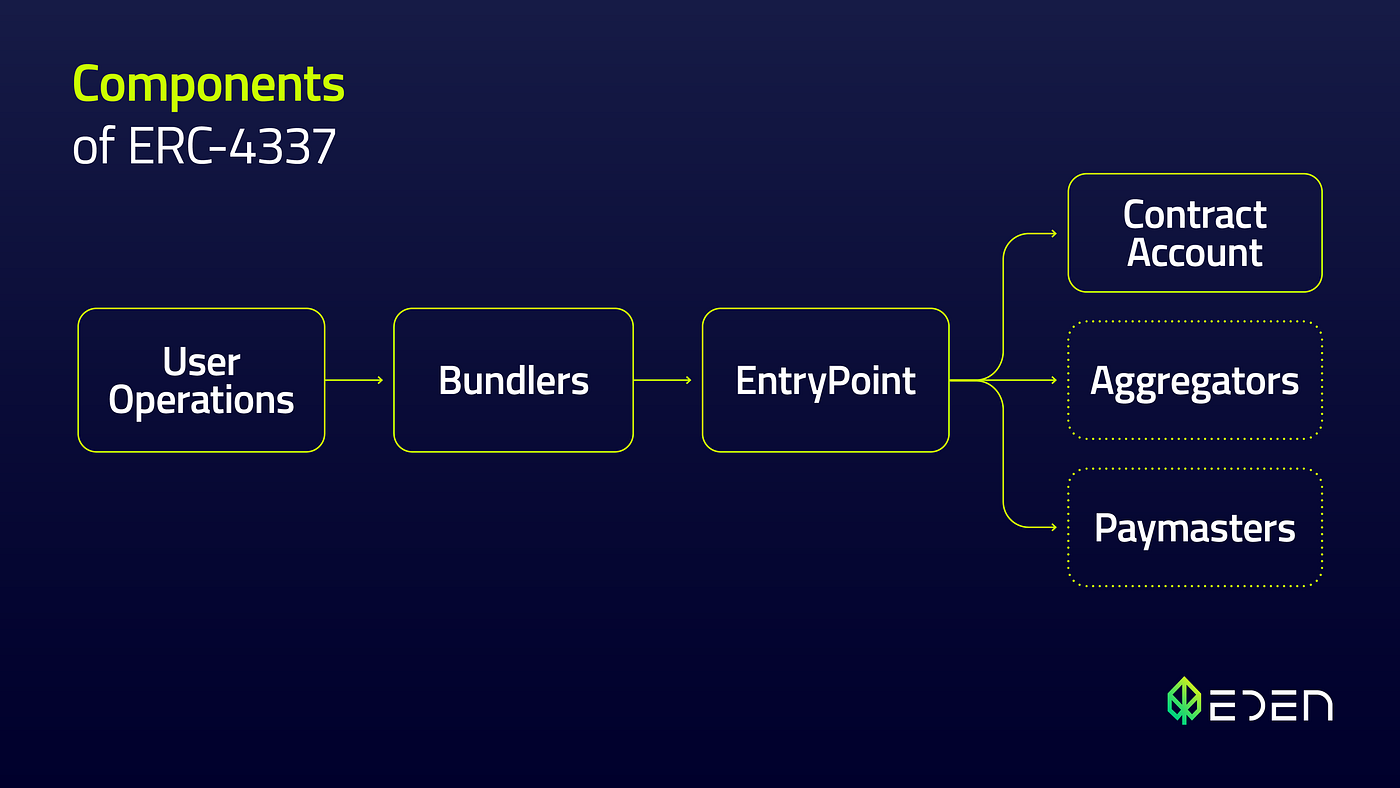
Paymasters aren't just free-gas fairies; they're smart contracts that conditionally cover UserOperations. Without tight ERC-4337 paymaster policies, bundlers could get flooded with junk ops, EntryPoints overwhelmed, and your UX dreams crushed under spam. The ERC-4337 spec nails this with layered defenses, from staking to simulations. Let's dive into the guts of what makes sponsored txs rock-solid.
Stake Requirement: Economic Deterrence That Packs a Punch
Before your Paymaster even whispers 'approved' to a UserOp, it must deposit ETH with the EntryPoint and stake a hefty minimum. Why? Simple: skin in the game. Malicious actors thinking of spamming ops face slashed stakes if they misbehave. This isn't optional fluff; it's the backbone of account abstraction security.
Picture this: a rogue Paymaster greenlights endless failing ops, burning bundler gas. No stake? Chaos. With stake? EntryPoint slashes it faster than a bear market dip. Paymasters maintain deposits to cover actual gas too, so you're not left holding an empty bag post-execution. Deploying via PaymasterKit. com? We bake this compliance in, letting you focus on UX wins.

Deterministic Validation: Predictability Over Shenanigans
The validatePaymasterUserOp() function is your gatekeeper. It has to be deterministic - no SSTORE, no BLOCKHASH, no funny business relying on external state. Why the hardline? Off-chain simulations by bundlers must match on-chain reality perfectly. One whiff of non-determinism, and attackers manipulate gas estimates or slip through cracks.
This rule forces clean logic: check signatures, spending limits, whitelists - all pure view ops. I've audited Paymasters where devs snuck in storage writes; total disaster. Stick to deterministic, and your pre-execution policy checks become a fortress. Pro tip: pair it with multi-sig or social recovery for next-level control.
Bundler Simulations: Off-Chain Crystal Ball for On-Chain Safety
Bundlers aren't reckless; they simulate every UserOp bundle off-chain before hitting the mempool. This verifies validation passes, gas calcs hold, and no reverts lurk. For Paymasters, it means your policies get stress-tested without real costs. Fail the sim? Op gets binned. Success? Smooth bundle to EntryPoint.
Griefing vectors crumble here. Can't fake gas usage or hide failures. ERC-4337's EntryPoint even enforces sim-call equivalence on-chain. Bundlers throttle shady Paymasters via reputation scores too, dodging DoS like pros. In my trading days, I'd kill for this foresight in volatile markets - now it's table stakes for Web3 UX.
These mechanisms don't just protect; they enable aggressive scaling. Think dApps onboarding millions sans gas friction, all while sidestepping pitfalls OtterSec and Alchemy flag. But we're just warming up - postOp protections and vuln patches crank security higher.




No comments yet. Be the first to share your thoughts!