

In the evolving landscape of Web3, where seamless user experiences drive adoption, gasless social logins stand out as a transformative feature for wallets. Traditional Ethereum interactions demand users hold ETH for gas fees, creating friction during onboarding via social logins like Google or Twitter. ERC-4337 paymasters address this head-on, sponsoring transactions to deliver Web3 wallet UX that rivals Web2 apps. This shift not only lowers barriers but redefines how developers integrate account abstraction into dApps and wallets.
Understanding ERC-4337 Paymasters and Account Abstraction
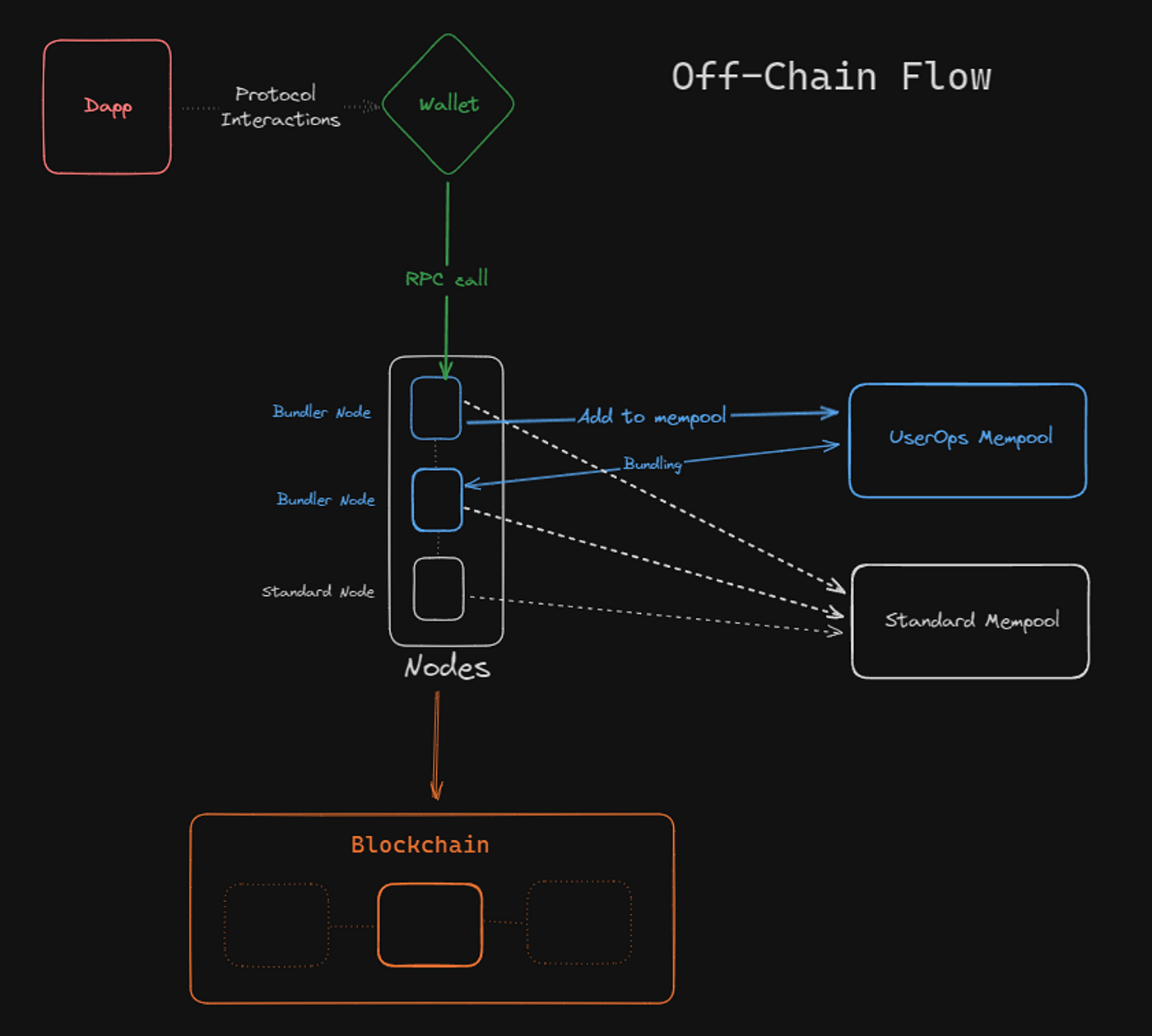
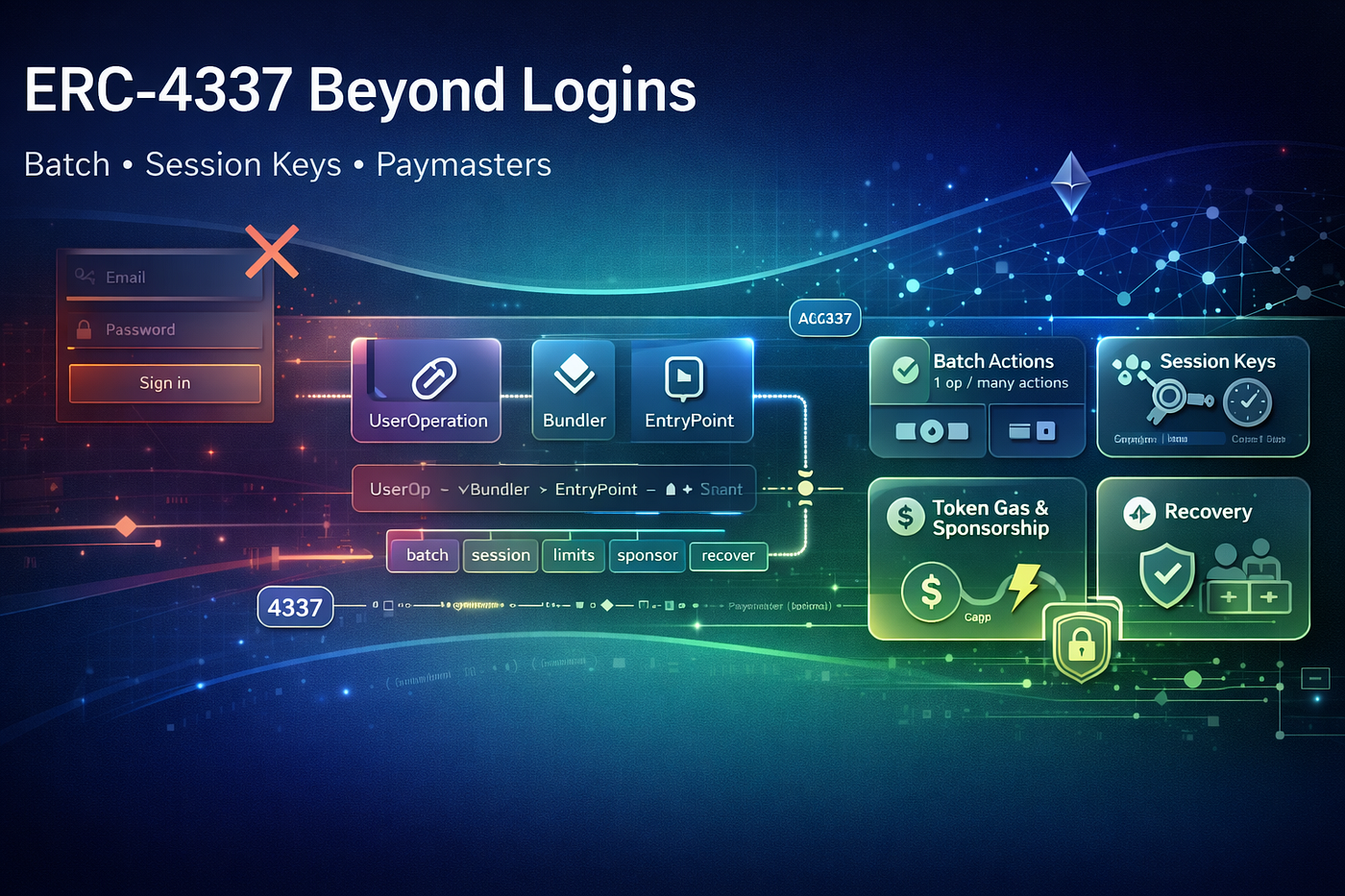
ERC-4337 introduces account abstraction paymasters as smart contracts that validate and sponsor UserOperations, bypassing the need for native ETH in user wallets. Unlike externally owned accounts (EOAs), which tie private keys to addresses and require upfront gas, smart contract wallets under ERC-4337 leverage bundlers, EntryPoints, and paymasters for flexible execution. A paymaster assesses a UserOperation's validity, then covers gas costs, often conditioned on specific criteria like new user status or action type.
This architecture decouples transaction sponsorship from wallet ownership. Developers can deploy paymasters to fund gas in ERC-20 tokens or stablecoins, as seen in services like AXIR Wallet and Etherspot's Arka Paymaster. The result? Users authenticate via social logins, trigger smart account creation, and execute actions without touching ETH balances.
Why Gasless Social Logins Reshape Web3 Onboarding
Imagine a user clicking "Sign in with Google" in your dApp; behind the scenes, ERC-4337 orchestrates a gasless UserOperation. The paymaster verifies the social proof, sponsors deployment of a smart account, and enables immediate interactions like claiming tokens or joining communities. This eliminates the classic Web3 hurdle: explaining gas fees to newcomers.
Core ERC-4337 Paymaster Benefits
- Boosted Conversion Rates: Gas sponsorship for new users eliminates ETH barriers, streamlining social logins and improving onboarding as noted in ERC-4337 documentation.
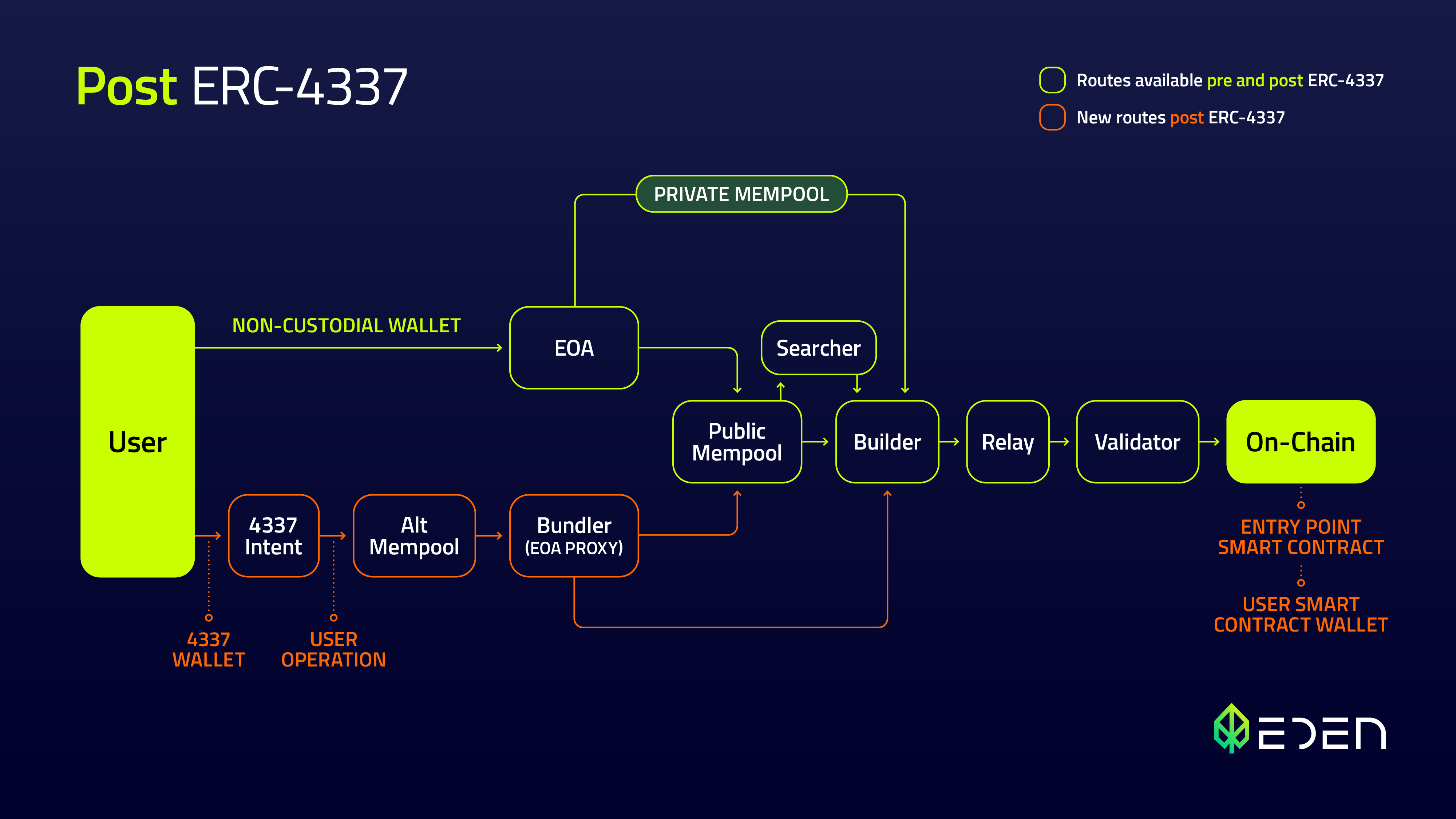
- Enhanced Security via Session Keys: Session keys enable time-limited, action-specific permissions, reducing risks in smart contract wallets per ERC-4337 use cases.
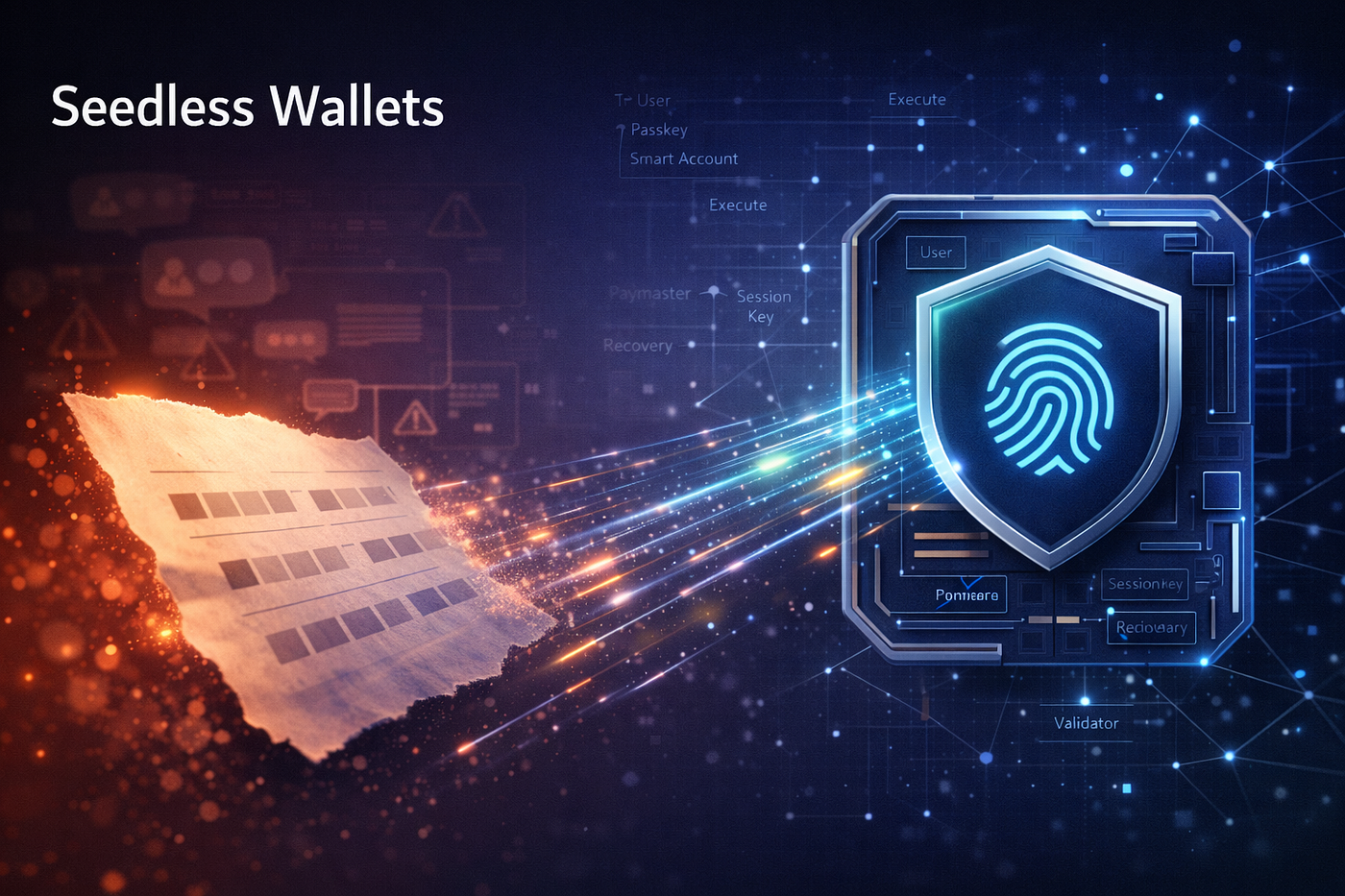
- Customizable Sponsorship Rules: Paymasters allow rules like sponsoring only first actions or specific transactions, as in Hash Block's ERC-4337 examples.
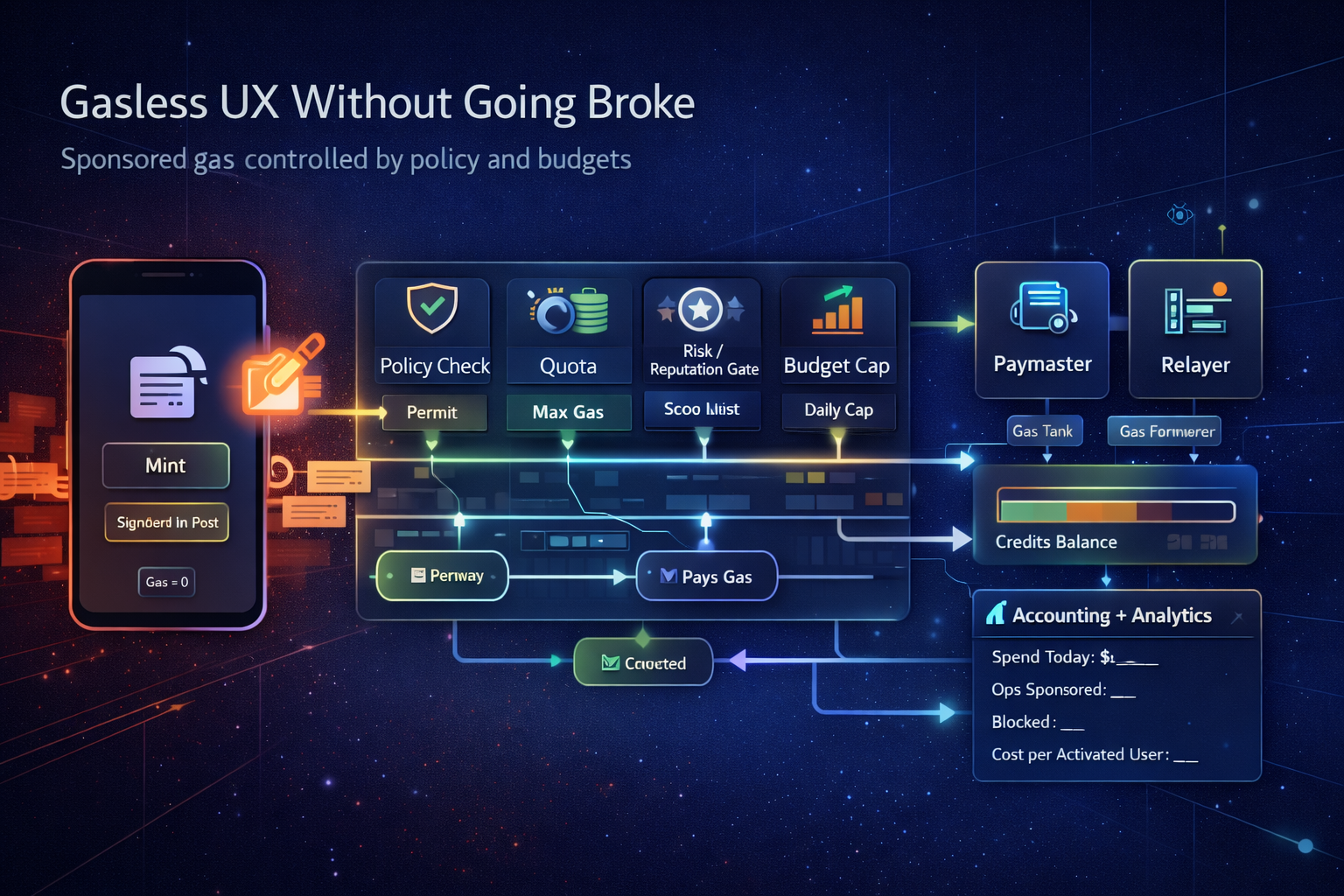
- Seamless ERC-20 Gas Payments: Users pay gas with ERC-20 tokens or stablecoins via paymasters, supported by AXIR Wallet and Alchemy.
- Frictionless Multi-Chain Support: Enables gasless tx across EVM chains with bundlers and EntryPoints, as in thirdweb and Etherspot implementations.
From an analytical standpoint, data underscores the impact. Sources highlight use cases like sponsoring first-time actions or session-based keys, extending beyond mere logins to sustained engagement. Wallets achieve Web2-like fluidity, where users focus on value, not infrastructure. Yet, this power demands careful paymaster design to prevent abuse, such as rate limiting or whitelisting trusted bundlers.
Core Components Powering Paymaster-Driven Experiences
The ERC-4337 stack comprises UserOperations as pseudo-transactions, bundlers aggregating them for efficiency, and the EntryPoint as a global singleton managing deposits and validations. Paymasters integrate here by posting bonds or directly paying via post-operation hooks. For social logins, a typical flow begins with off-chain signature from a social provider, wrapped into a UserOperation targeting a kernel smart account.
Educational examples from documentation reveal how paymasters customize logic: sponsor only if the call targets a specific contract or if the user holds a qualifying NFT. This granularity empowers wallets to offer tiered sponsorship, fostering loyalty. In practice, integrating with providers like Alchemy or thirdweb accelerates deployment, turning theoretical abstraction into production-ready Web3 wallet UX.
Critically, paymasters mitigate centralization risks by remaining decentralized; any entity can deploy one, competing on reliability and terms. This market dynamic ensures optimal sponsorship as adoption grows, positioning ERC-4337 as the backbone for gasless ecosystems.
Deploying a paymaster tailored for gasless social logins requires balancing generosity with safeguards. Open-source solutions like Etherspot's Arka demonstrate how developers can customize sponsorship logic, accepting ERC-20 payments or whitelisting social providers for verification. This approach not only streamlines Web3 wallet UX but also opens revenue streams, such as protocol fees skimmed from sponsored operations.
Implementing ERC-4337 Paymasters: A Developer’s Blueprint
Building from first principles, as outlined in developer guides, starts with deploying an EntryPoint contract, followed by a smart account kernel supporting social signatures. The paymaster then hooks into the validation phase, checking UserOperation fields like the callData for social proof hashes. Opinionated take: skip overly complex verifiers initially; prioritize simple Merkle proofs for session keys to accelerate prototyping.
ERC-4337 Paymaster for Sponsoring Gas on Social Logins
This Solidity contract provides an illustrative implementation of an ERC-4337 Paymaster designed to sponsor gas fees for new users authenticating via social logins. The validation logic checks for a zero-balance account (indicating a new user), ensures no prior sponsorship, and verifies a simple proof embedded in the UserOperation's paymasterAndData field.
```solidity
pragma solidity ^0.8.19;

import {IPaymaster, PackedUserOperation} from "@account-abstraction/contracts/interfaces/IPaymaster.sol";

contract SocialLoginPaymaster is IPaymaster {
    address public immutable entryPoint;

    mapping(address => bool) public sponsored;

    constructor(address _entryPoint) {
        entryPoint = _entryPoint;
    }

    function validatePaymasterUserOp(
        PackedUserOperation calldata userOp,
        bytes32 /*userOpHash*/,
        uint256 /*maxCost*/
    ) external override returns (bytes memory context, uint256 validationData) {
        require(msg.sender == entryPoint, "only endpoint");

        address sender = userOp.sender;

        // Verify the account has not been previously sponsored
        require(!sponsored[sender], "already sponsored");

        // Confirm it is a new user by checking zero native balance
        require(sender.balance == 0, "not a new user");

        // Extract social login proof from paymasterAndData suffix
        bytes memory proof;
        if (userOp.paymasterAndData.length >= 20) {
            (, proof) = abi.decode(userOp.paymasterAndData[20:], (bytes));
        }
        require(keccak256(proof) == keccak256(abi.encodePacked("social:login:new")), "invalid social login proof");

        // Production note: Replace with proper signature verification from a social provider,
        // e.g., ecrecover over userOpHash + user social ID.

        context = bytes("");

        // Approve with no time restrictions
        validationData = _packValidationData(type(uint48).max, 0);

        return (context, validationData);
    }

    function postOp(
        PackedUserOperation calldata userOp,
        bytes calldata /*context*/,
        uint256 /*actualGasCost*/
    ) external override {
        require(msg.sender == entryPoint, "only endpoint");

        // Mark account as sponsored post-execution
        sponsored[userOp.sender] = true;
    }

    function _packValidationData(uint48 validUntil, uint48 validAfter) internal pure returns (uint256) {
        return (uint256(validUntil) << 112) | (uint256(validAfter) << 52);
    }
}
```
Key considerations: The Paymaster must deposit ETH with the EntryPoint to fund sponsorships. In practice, enhance security by verifying cryptographic proofs from trusted social providers, such as ECDSA signatures over the UserOperation hash and user identity data. The postOp function finalizes sponsorship only after successful execution, preventing abuse from reverted transactions.
Once integrated, bundlers like those from Alchemy relay the batched UserOperations to the EntryPoint. Testing on local forks reveals edge cases, such as nonce management across social sessions. Production wallets layer on multi-chain support, using paymasters per network to abstract chain-specific gas dynamics.
ERC-4337 Paymaster Integration Checklist
- 1. Verify social auth off-chainConfirm social login signatures (e.g., via OAuth) server-side before UserOp creation, ensuring no on-chain verification for gasless flow per ERC-4337 docs.
- 2. Construct UserOp with kernel callsBuild UserOperation object including kernel contract calls for smart account execution, specifying paymasterAndData for sponsorship (ERC-4337 spec).
- 3. Deploy paymaster with custom policyDeploy ERC-4337-compliant paymaster (e.g., Etherspot Arka or custom) with logic to sponsor gas for social logins or ERC-20 payments only.
- 4. Test bundler compatibilityValidate with bundlers like Alchemy or thirdweb; simulate bundling UserOps via EntryPoint to ensure paymaster validation succeeds.
- 5. Monitor sponsorship costsTrack paymaster gas usage and sponsorship via EntryPoint events; implement dashboards for cost analysis in production.
This blueprint transforms theoretical abstraction into tangible gasless social logins. Yet, success hinges on economic viability; sponsoring every action erodes margins, so tiered models - free for onboarding, paid for high-value trades - prove most sustainable.
Real-World Deployments and Lessons Learned
AXIR Wallet exemplifies maturity, letting users pay gas with any ERC-20 token via its paymaster service. This flexibility sidesteps ETH dependency, appealing to DeFi natives holding stables or governance tokens. Similarly, thirdweb's gas sponsorship abstracts EIP-7702 and ERC-4337, enabling wallets to offer zero-friction sends. From an educational lens, these cases highlight paymasters' evolution: from blunt sponsorship to nuanced, token-agnostic payers.
Challenges persist. Bundler centralization looms if few nodes dominate, though incentives like priority fees foster competition. Paymasters must defend against griefing via deposit bonds, ensuring only legitimate UserOps consume resources. Analytically, adoption metrics from grasp. study suggest 30-50% onboarding lifts for gasless flows, validating the investment.
Looking ahead, ERC-4337 paymasters extend beyond logins to session keys for batched actions or sponsored subscriptions. Imagine wallets auto-renewing DeFi positions without user intervention, all gas-covered conditionally. This granular control positions account abstraction paymasters as the UX equalizer, where Web3 matches Web2's intuitiveness without sacrificing decentralization.
For developers eyeing integration, PaymasterKit. com equips you with battle-tested tools, from SDKs to bundler networks. The payoff? Wallets that onboard millions, not thousands, by erasing gas as a conversation starter. Patience in refining sponsorship logic yields compounding returns in user retention and protocol growth.




No comments yet. Be the first to share your thoughts!