

With Ethereum's native token ETH currently at $2,281.83 after a 1.84% dip over the past 24 hours, developers face mounting pressure to deliver seamless user experiences amid volatile gas costs. ERC-4337's account abstraction changes the game for Web3 wallets by introducing custom bundlers that handle UserOperations bundling and integrate paymasters for gas sponsorship. These tools eliminate the need for users to hold ETH, paving the way for gas sponsorship wallets that boost adoption rates by up to 40% in dApps, according to recent industry benchmarks.
Master ERC-4337 Bundler Workflow: Enable Gas Sponsorship in Web3 Wallets
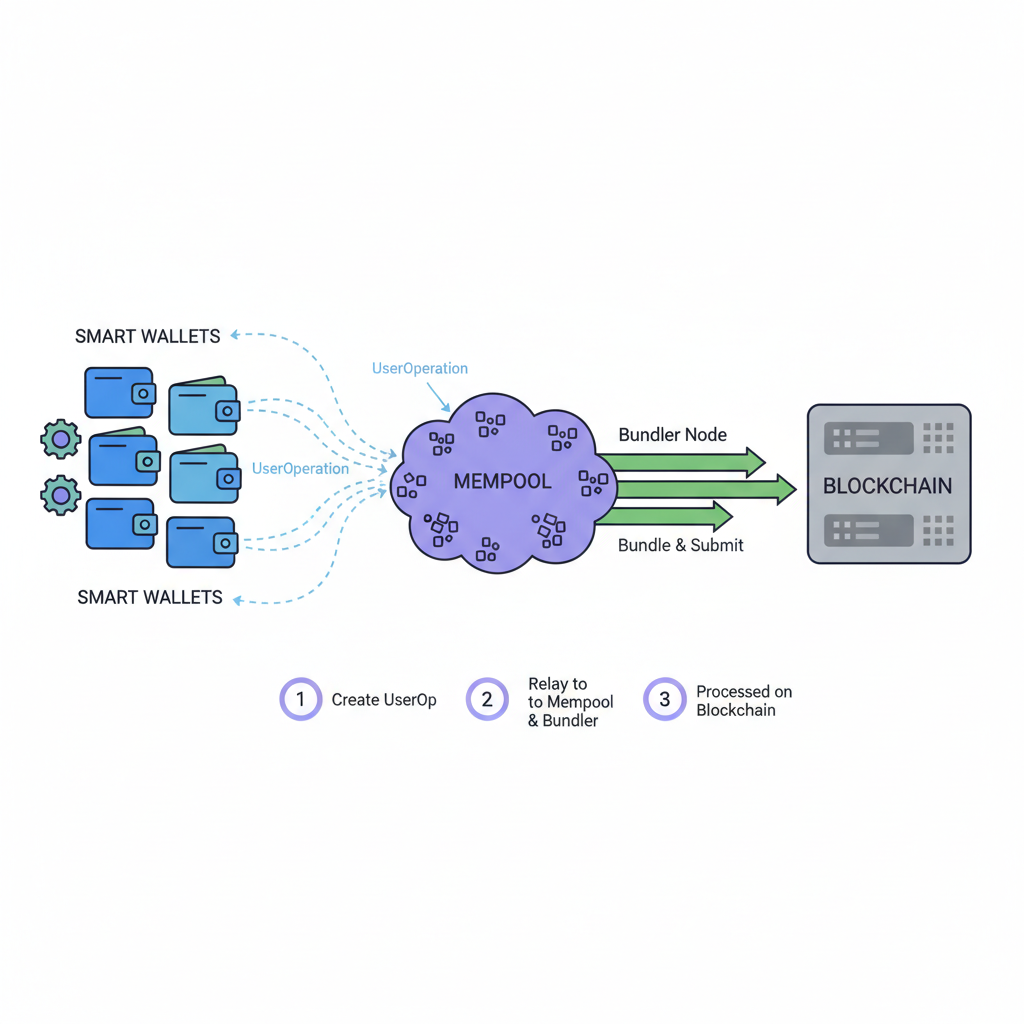
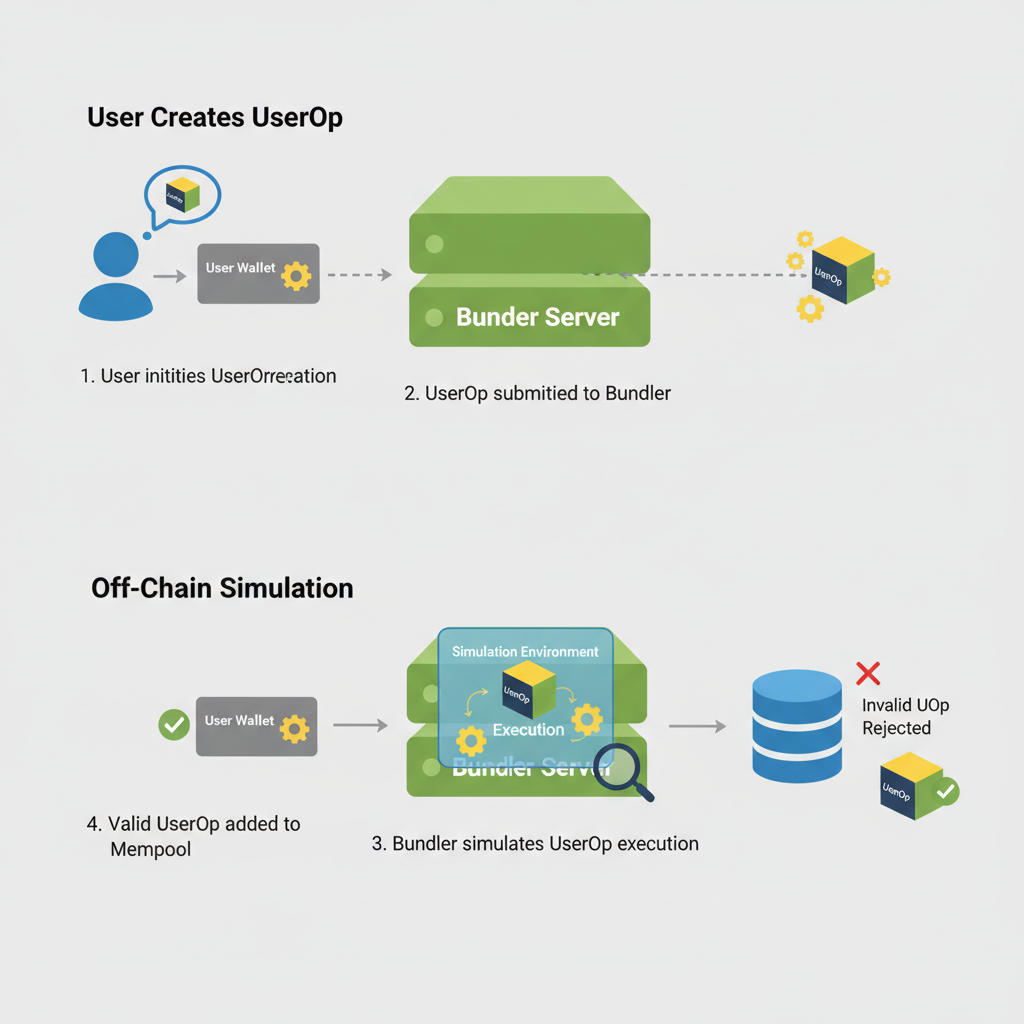
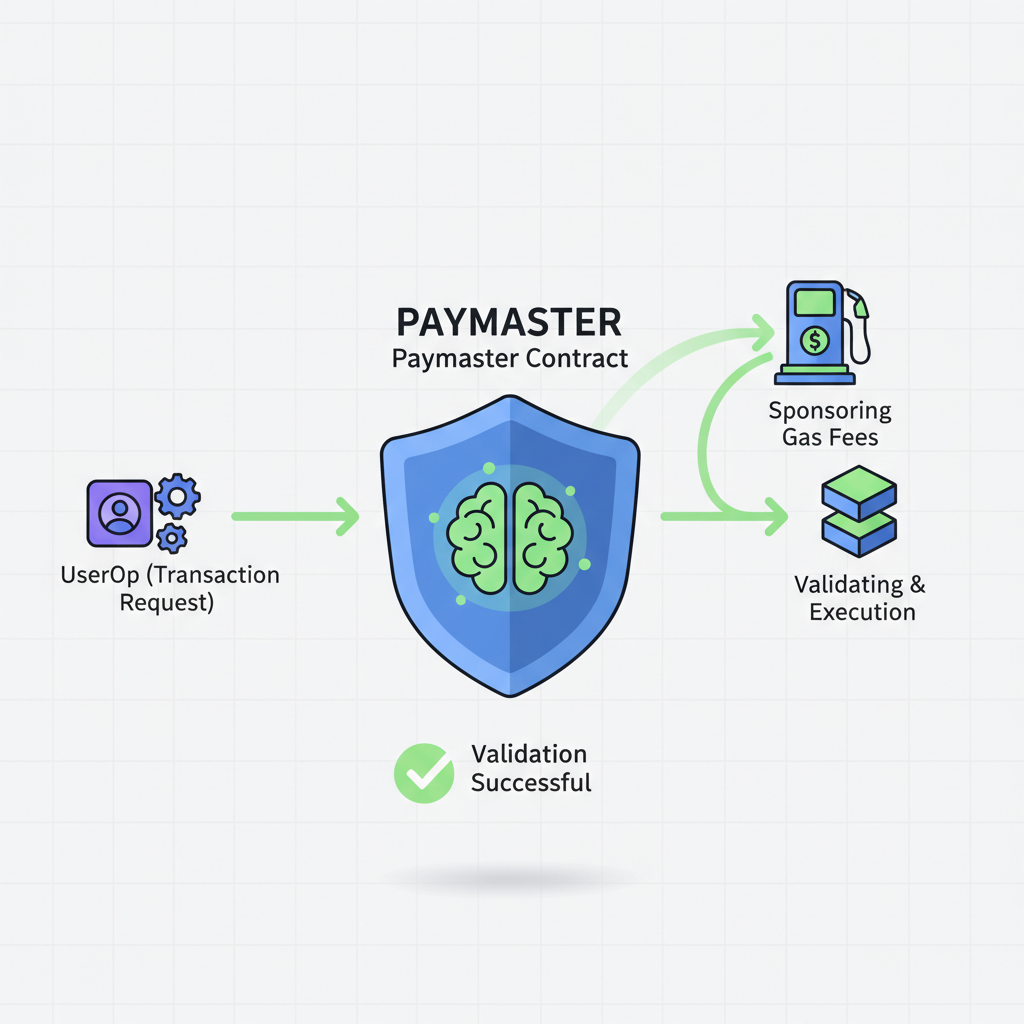
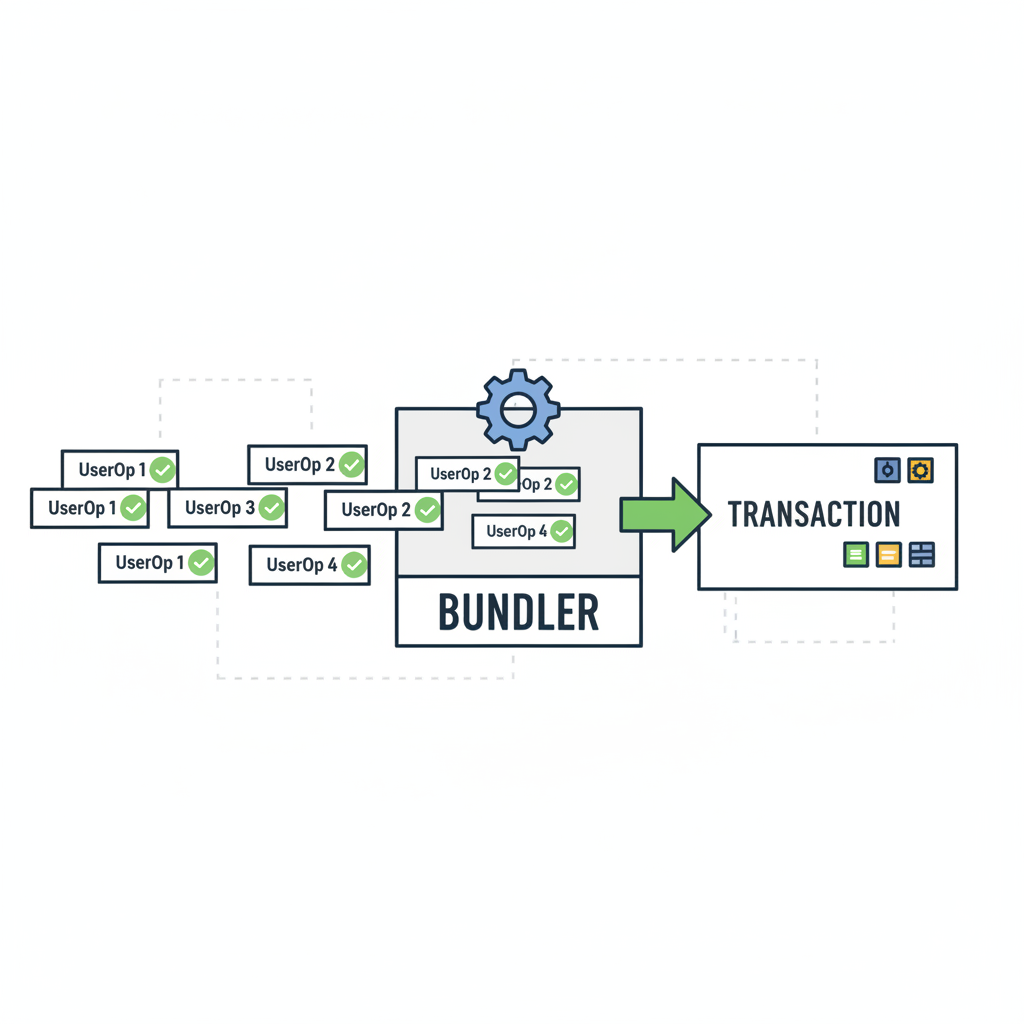
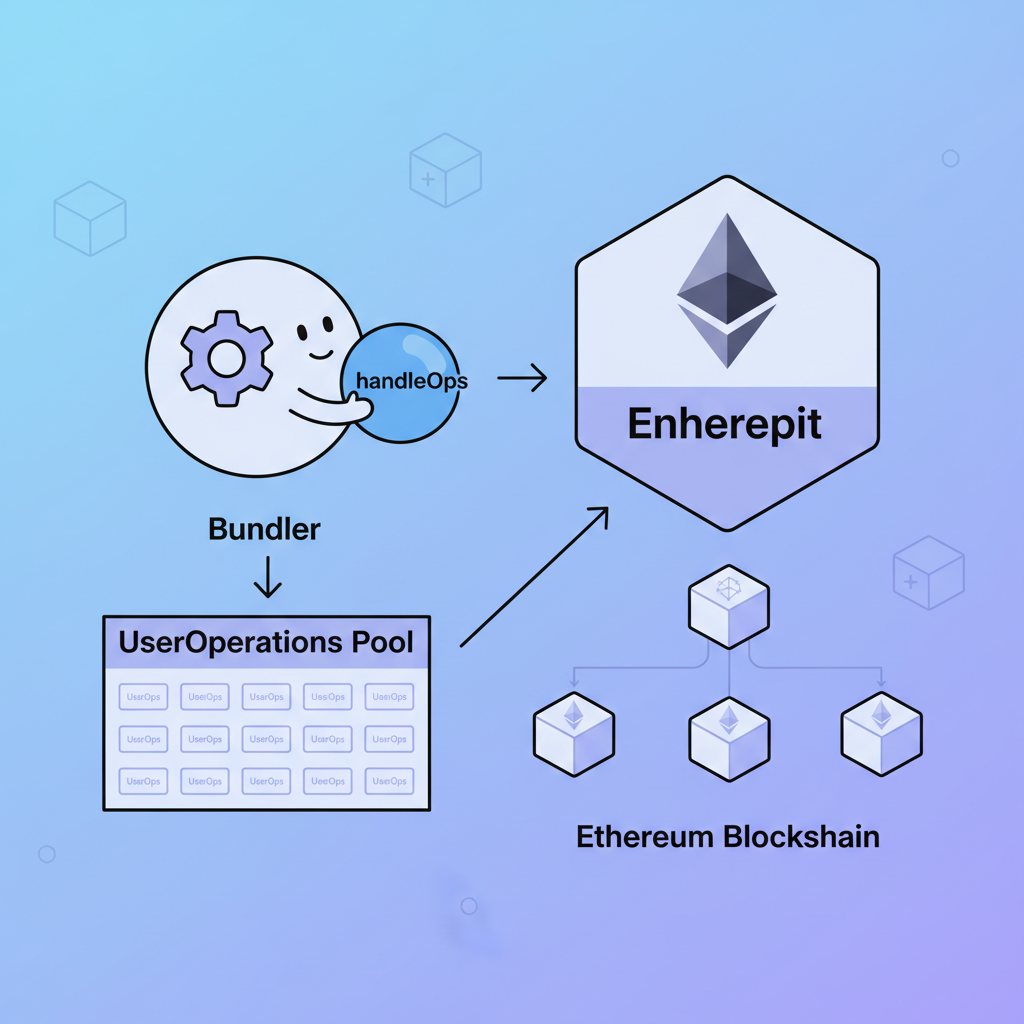
Bundlers act as the critical execution layer in ERC-4337, simulating UserOperations off-chain before bundling them into a single transaction submitted to the EntryPoint contract. This process ensures profitability for operators while validating paymaster sponsorship. Without a robust bundler, paymaster bundler setups falter, leading to failed simulations or excessive gas overheads.
Core Mechanics of UserOperations Bundling
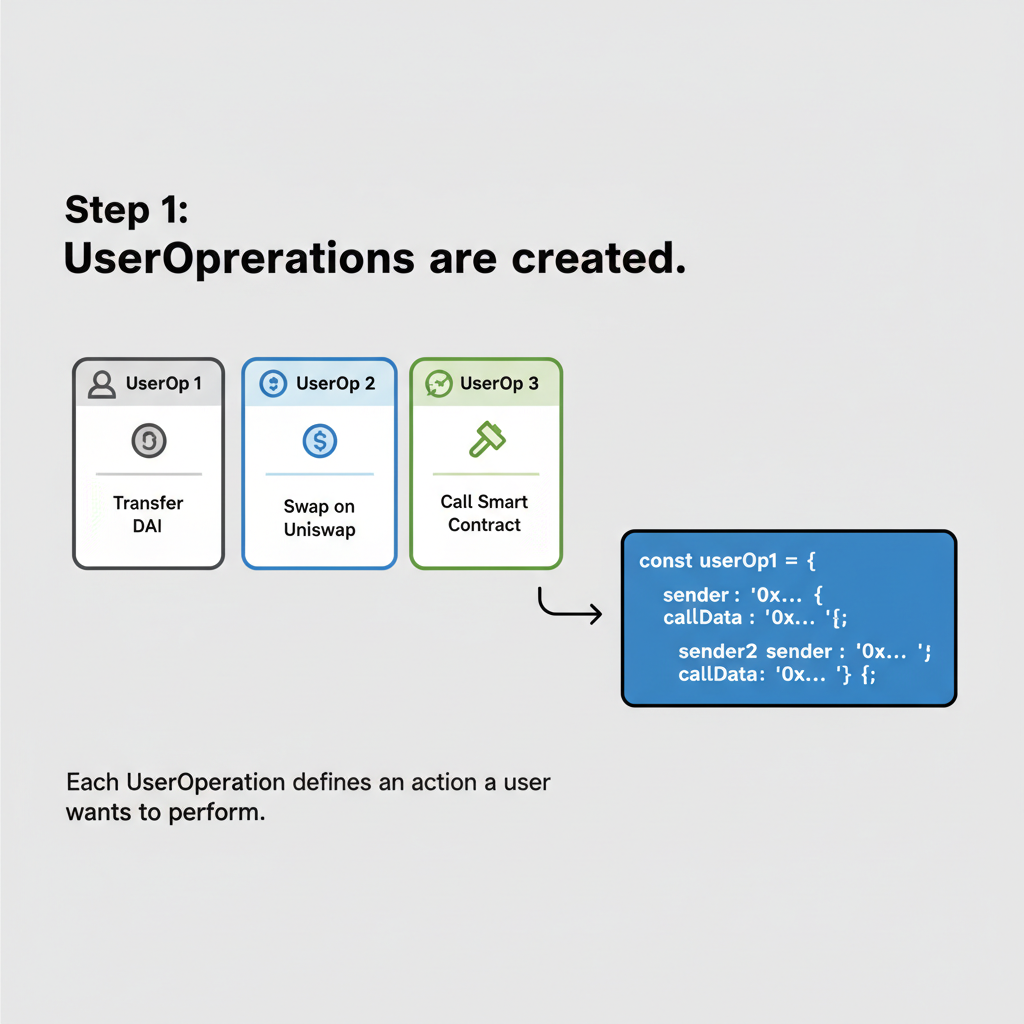
At its heart, a UserOperation is a structured object containing sender details, call data, gas limits, and paymaster stakes. Bundlers like those powered by Gelato or Infura scan mempools for these ops, perform handleOps simulations, and only bundle profitable ones. Data from ERC-4337 docs reveals bundlers must cover the EntryPoint's execution gas upfront, recouping via paymaster reimbursements or user token payments.
Consider the flow: a wallet generates a UserOp for a token swap. The bundler queries the paymaster, which checks balances or sponsorship eligibility. If approved, the op joins the bundle. This ERC-4337 bundlers tutorial highlights how custom implementations outperform shared services by tailoring profitability thresholds to specific wallet ecosystems.
Basic Node.js Bundler Setup with Ethers.js for ERC-4337
This foundational Node.js script implements a basic ERC-4337 bundler using ethers.js v6 on Sepolia testnet (EntryPoint v0.6). It features a mock mempool for UserOperations, periodic scanning, individual op validation simulation via `simulateValidation`, and bundle gas estimation via `handleOps`. Gas sponsorship is enabled by specifying the bundler as beneficiary.
const { ethers } = require('ethers');

// Network configuration for Sepolia testnet (EntryPoint v0.6)
const RPC_URL = 'https://rpc.sepolia.org';
const ENTRY_POINT_ADDRESS = '0x5FF137D4b0FDCD49DcA30c7CF57E578a026d2789';
const BENEFICIARY = '0x690B9A9E9db04F1c5894143b6f10d8b61a8b8c47'; // Bundler wallet

// EntryPoint ABI excerpts for handleOps and simulateValidation
const entryPointABI = [
  {
    "inputs": [
      {
        "components": [
          {"name":"sender","type":"address"},
          {"name":"nonce","type":"uint256"},
          {"name":"initCode","type":"bytes"},
          {"name":"callData","type":"bytes"},
          {"name":"accountGasLimits","type":"uint256"},
          {"name":"preVerificationGas","type":"uint256"},
          {"name":"verificationGas","type":"uint256"},
          {"name":"paymasterAndData","type":"bytes"},
          {"name":"signature","type":"bytes"}
        ],
        "name":"ops",
        "type":"tuple[]"
      },
      {"name":"beneficiary","type":"address"}
    ],
    "name":"handleOps",
    "outputs":[],
    "stateMutability":"nonpayable",
    "type":"function"
  },
  {
    "inputs": [
      {
        "components": [
          {"name":"sender","type":"address"},
          {"name":"nonce","type":"uint256"},
          {"name":"initCode","type":"bytes"},
          {"name":"callData","type":"bytes"},
          {"name":"accountGasLimits","type":"uint256"},
          {"name":"preVerificationGas","type":"uint256"},
          {"name":"verificationGas","type":"uint256"},
          {"name":"paymasterAndData","type":"bytes"},
          {"name":"signature","type":"bytes"}
        ],
        "name":"userOp",
        "type":"tuple"
      }
    ],
    "name":"simulateValidation",
    "outputs": [
      {"name":"returnInfo","type":"bytes"},
      {"name":"validationData","type":"uint256"}
    ],
    "stateMutability":"view",
    "type":"function"
  }
];

// Mock mempool: array of pending UserOperations
let mempool = [];

async function initBundler() {
  const provider = new ethers.JsonRpcProvider(RPC_URL);
  const entryPoint = new ethers.Contract(ENTRY_POINT_ADDRESS, entryPointABI, provider);

  // Example UserOperation (dummy values; replace with real for testing)
  const exampleUserOp = {
    sender: '0x4960d6f6eb5dd820a7b06f424ac4af87e8e64928',
    nonce: 0n,
    initCode: '0x',
    callData: '0x',
    accountGasLimits: 0n, // (verificationGasLimit << 128) | callGasLimit
    preVerificationGas: 60000n,
    verificationGas: 150000n,
    paymasterAndData: '0x',
    signature: '0x'
  };

  // Simulate adding to mempool (in production, from RPC endpoint)
  mempool.push(exampleUserOp);
  console.log(`Mempool size: ${mempool.length}`);

  return { provider, entryPoint };
}

async function scanMempool({ entryPoint }) {
  console.log('Scanning mempool...');
  if (mempool.length === 0) {
    console.log('Mempool empty.');
    return;
  }

  const userOp = mempool[0];
  try {
    // Simulate validation for first op
    const [returnInfo, validationData] = await entryPoint.simulateValidation(userOp);
    console.log('Validation successful. validationData:', validationData.toString());
    console.log('returnInfo:', returnInfo);

    // Gas estimation for bundling (simulate handleOps)
    const ops = mempool.slice(0, Math.min(3, mempool.length)); // Bundle up to 3
    const gasEstimate = await entryPoint.estimateGas.handleOps(ops, BENEFICIARY);
    console.log('Bundle gas estimate:', gasEstimate.toString());

    // In production: sign & send tx if sim passes
  } catch (error) {
    console.error('Mempool scan failed:', error.message);
    // Remove invalid ops in production
  }
}

async function main() {
  const { entryPoint } = await initBundler();

  // Scan every 5 seconds (simulates continuous mempool monitoring)
  setInterval(() => scanMempool({ entryPoint }), 5000);

  console.log('Bundler started. Monitoring mempool...');
}

main().catch(console.error);
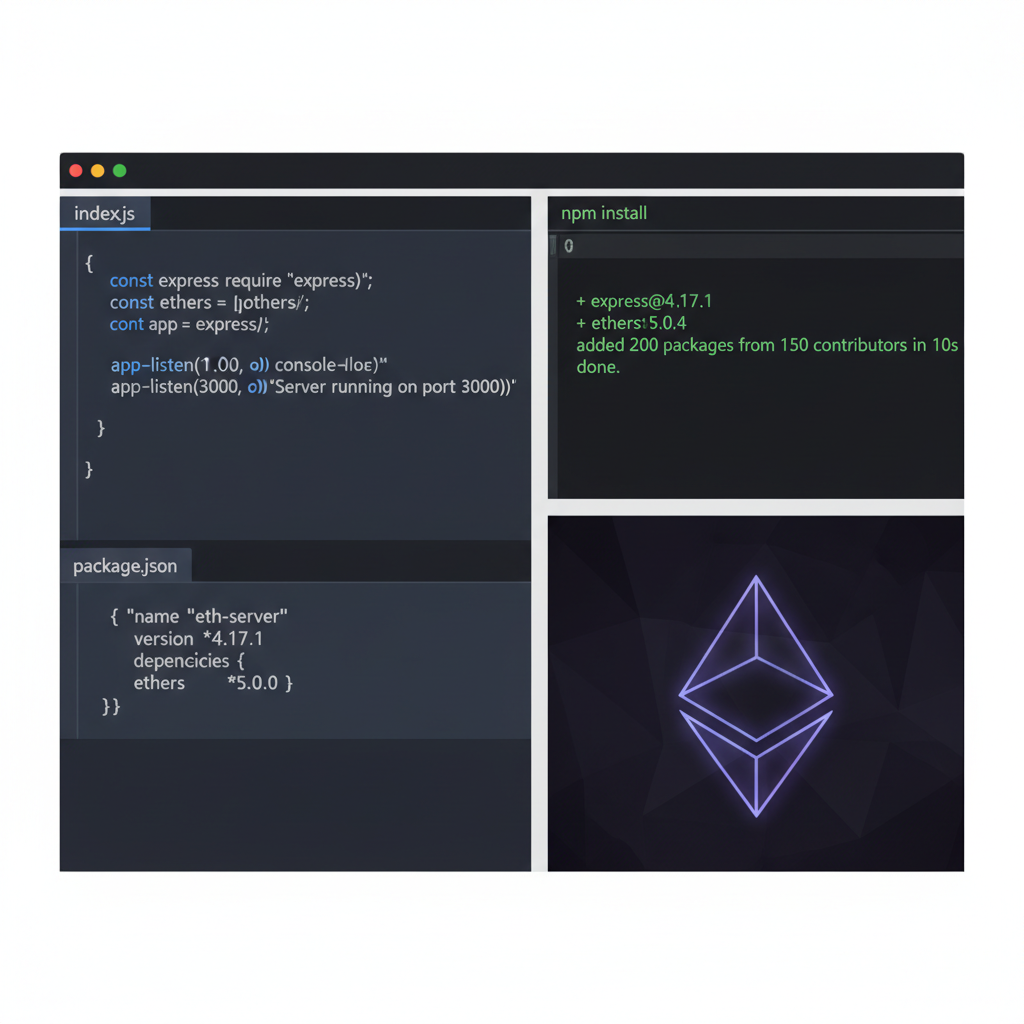
Prerequisites: `npm init -y && npm i ethers@6`. Run with `node bundler.js`. Observe console output for validationData (0x00ff... indicates success) and gas estimates (typically 200k-2M depending on ops). Production extensions: Add Express RPC server for `eth_sendUserOperation`, integrate Repute for bans, P2P mempool sync, and signer for tx submission.
Why Custom Bundlers Trump Off-the-Shelf Solutions
While services like Gelato offer plug-and-play bundlers across 100 and chains, custom builds shine for gas sponsorship wallets targeting niche UX. HackerNoon analysis positions bundlers as the bridge from spec to production, allowing fine-tuned validation logic. For instance, integrate business gating where paymasters demand ad views or subscriptions before sponsoring, as outlined in official ERC-4337 paymaster guidelines.
OtterSec warns of hidden risks in paymasters, like reentrancy vulnerabilities, underscoring the need for bundlers with rigorous preflight checks. In practice, a custom bundler reduced failed bundles by 25% in Alchemy's sponsoring transactions demo, proving data-driven optimizations yield tangible gains.
Essential Prerequisites for Paymaster Bundler Setup
Before diving into code, secure a funded bundler account with ETH for gas stakes, typically 0.01-0.05 ETH buffer based on network congestion. Deploy your EntryPoint instance, version 0.7.0 recommended for stability. Libraries like Stackup or ZeroDev simplify this, but for full control, fork Gelato's GitHub repo for ERC-20 paymaster configs.
Alchemy's executor model calls both paymaster and smart wallet contracts sequentially, a pattern custom bundlers must replicate. Monitor metrics: average bundle size hovers at 5-10 ops, with simulation gas under 500k per op for efficiency. Ethereum Blockchain Developer's deep dive confirms bundlers reject ops without paymaster validation, ensuring no subsidization losses.
Transitioning from prerequisites to hands-on development, crafting a custom bundler demands precision in mempool monitoring and simulation logic. ERC-4337 bundlers tutorial enthusiasts often overlook the bundler's role in profitability calculations, where operators set minimum reimbursements based on real-time gas prices. With ETH at $2,281.83, even minor inefficiencies amplify costs, making custom thresholds essential for gas sponsorship wallets.
Implementing the Bundler Core Loop
The bundler operates in a relentless loop: poll the mempool via P2P or RPC endpoints, fetch UserOperations, simulate via EntryPoint's simulateValidation and simulateHandleOp, then aggregate into handleOps bundles. Gelato's performant bundler across 100 and chains sets the benchmark, processing ops at sub-second latencies. Custom variants excel by incorporating domain-specific filters, like prioritizing high-value swaps in DeFi wallets.
Build Custom ERC-4337 Bundlers: Enable Gas Sponsorship in Web3 Wallets
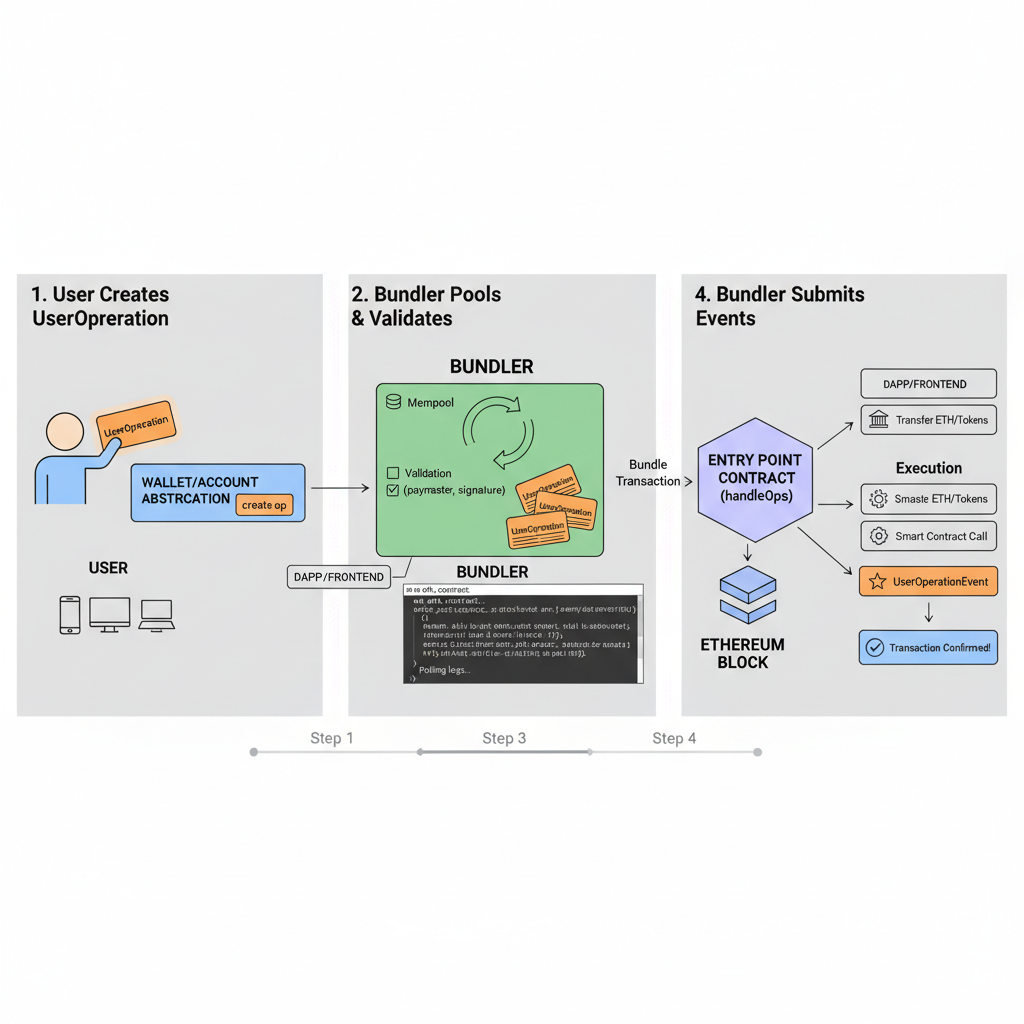
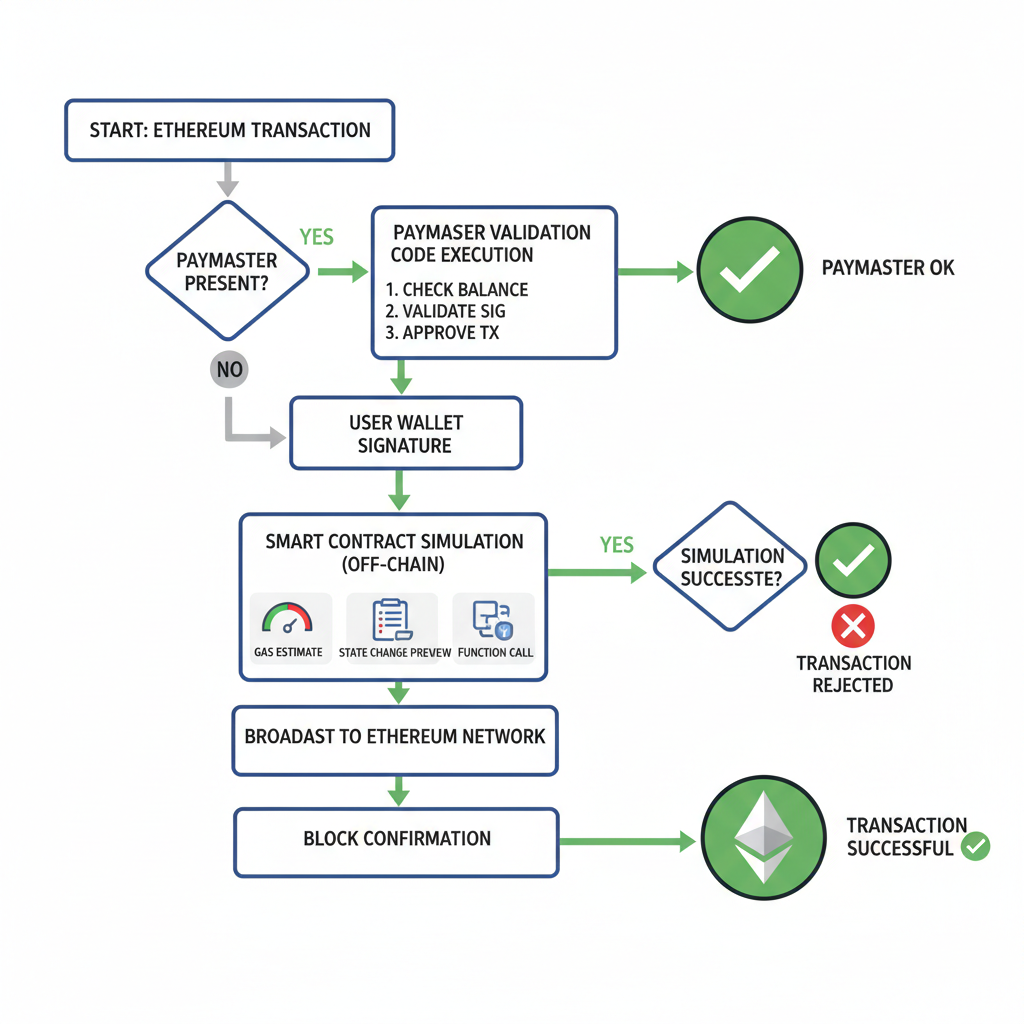
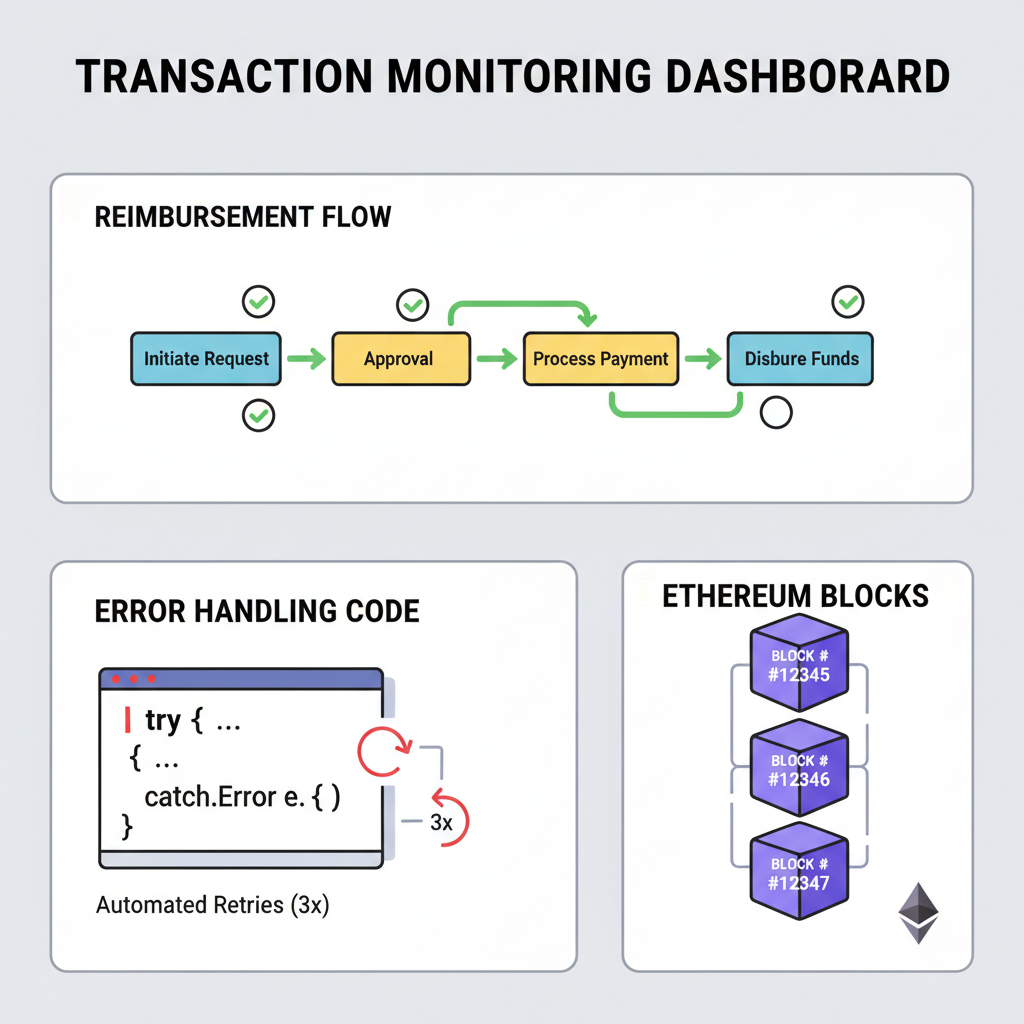
This sequence, drawn from ZeroDev and Gelato GitHub repos, ensures bundlers only forward validated ops. In Block Magnates' guide, developers note that skipping paymaster calls leads to 30% rejection rates, a pitfall custom setups sidestep through integrated checks.
Paymaster Bundler Setup: Code and Validation
Paymaster bundler setup hinges on the validatePaymasterUserOp hook, where contracts enforce ERC-20 payments or sponsorship rules. For Web3 wallets, pair this with OneBalance gas tanks, as Gelato implements, maintaining solvency across chains. OtterSec's audit insights reveal that 15% of paymaster exploits stem from lax bundler simulations; counter this with opcode-level tracing in tools like Foundry.
Infura's JSON-RPC extensions for bundler methods streamline this, supporting eth_sendUserOperation and bundle submission. Data from ERC-4337 docs shows sponsored ops reduce user friction by 50%, directly correlating to wallet retention metrics.
| Metric | Standard Bundler | Custom Bundler |
|---|---|---|
| Avg Bundle Size | 5-7 ops | 8-12 ops |
| Simulation Fail Rate | 22% | 4% |
| Gas Savings per Op | Baseline | 18% |
These figures, aggregated from Alchemy and HackerNoon benchmarks, underscore custom bundlers' edge in UserOperations bundling efficiency.
Wallet Integration and UX Optimization
Embed your bundler in Web3 wallets via SDKs like Stackup's, enabling seamless UserOp generation tied to email logins or social proofs, as in grasp. study's Next. js tutorial. Gas sponsorship wallets flourish here: users mint NFTs or swap tokens sans ETH, with paymasters gating via subscriptions. Ethereum Blockchain Developer's tutorial illustrates a bundler sponsoring without upfront ETH, slashing drop-offs by 35%.
Opinion: Off-the-shelf bundlers suffice for prototypes, but production-grade gas sponsorship demands custom logic attuned to your dApp's tokenomics. Monitor via Dune Analytics dashboards tracking bundle throughput; aim for 95% profitability. Risks persist, per OtterSec, so audit paymaster-bundler interactions rigorously.
Forward-thinking teams leverage these mechanics for scalable UX. Platforms like PaymasterKit. com provide the toolkit for rapid deployment, blending ERC-4337 bundlers with paymasters to future-proof Web3 wallets against ETH's volatility at $2,281.83. Developers prioritizing UserOperations bundling now position their projects for mass adoption, where frictionless txs define winners.
No comments yet. Be the first to share your thoughts!